
Creating a cozy, inviting atmosphere in a compact condominium can be a challenge, especially when relying on the harsh, institutional overhead lighting installed by default in many modern developments. To transform a small studio or one-bedroom unit into a warm sanctuary, lighting design must focus on scale, diffusion, and warmth. The most effective tool for achieving this balance is a mini lampshade with socket, which combines compact dimensions with customizable mounting options to deliver targeted, soft illumination without cluttering valuable floor or tabletop space.
By bypassing bulky floor lamps and massive table fixtures, these miniature lighting setups allow you to curate distinct functional zones within a single open-plan layout. Whether suspended as a delicate bedside pendant, tucked into a floating shelf, or placed on a narrow entryway console, a mini lampshade with socket offers the flexibility needed to soften sharp corners and make tight spaces feel significantly deeper and more welcoming. Achieving this effect requires a clear understanding of socket mechanics, material properties, and safe installation practices tailored to compact tropical living environments.
How to Choose the Right Mini Lampshade With Socket for Your Condo
Selecting the ideal mini lampshade with socket requires balancing technical compatibility with spatial constraints. Because these fixtures are highly visible in small rooms, every detail—from the thread of the socket to the weave of the shade—directly impacts both the safety and the visual harmony of your home.
Products mentioned in this guide
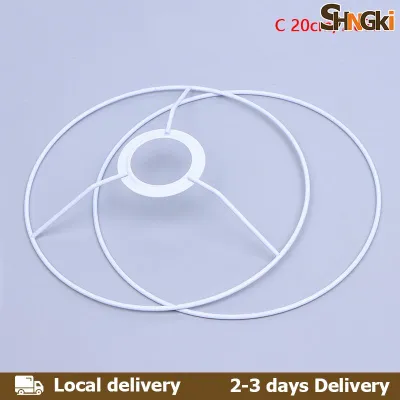
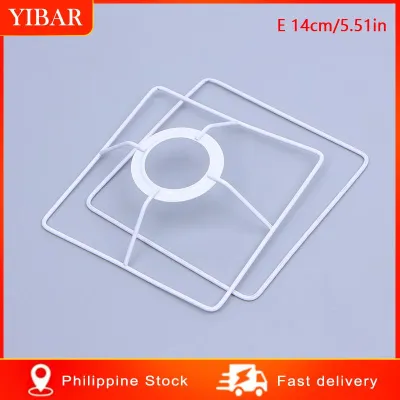
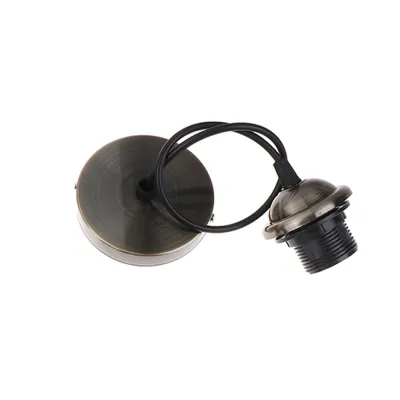
Prices are valid at publication and may change. Please refer to the product page for the latest price.
Socket Compatibility and Mounting Rings
Before purchasing a mini lampshade, you must verify the socket interface of your existing cord set or fixture base. The two most common screw-base standards are E27 (standard medium Edison screw, measuring 27 millimeters in diameter) and E14 (candelabra screw, measuring 14 millimeters in diameter).
To mount a shade directly onto a socket, the socket housing must feature external threads and a matching collar ring (sometimes called a shade ring). The lampshade’s metal utility ring (the fitter) slips over the threaded socket, and the collar ring screws on top to clamp the shade securely in place.
- E27 Sockets: These are the standard in the Philippines, offering the widest compatibility with local LED bulbs. The inner diameter of an E27 shade fitter is typically 40 millimeters.
- E14 Sockets: Commonly used for highly compact, European-style decorative lamps. The inner diameter of an E14 shade fitter is typically 28 millimeters.
- Fitter Adapters: If you fall in love with a shade designed for an E27 socket but have an E14 cord set, you can use a plastic step-down reducer ring to bridge the gap safely. Always ensure these plastic adapters are made of heat-resistant polycarbonate.
Size and Proportion Rules for Small Surfaces
In a compact condo, oversized decor elements create visual clutter and restrict movement. When pairing a mini lampshade with a small table surface, floating shelf, or nightstand, adhere to strict dimensional proportions to maintain a balanced look.
- Diameter Limits: For a narrow nightstand or side table (typically 30 to 40 centimeters wide), the maximum diameter of your lampshade should not exceed 15 to 18 centimeters. For floating shelves that are only 15 centimeters deep, select a semi-conical or cylindrical shade with a maximum diameter of 12 centimeters to prevent the fixture from protruding into active walking paths.
- Height Proportions: The height of the lampshade should ideally represent approximately one-third of the total height of the assembled lamp fixture. For a mini setup, a shade height of 12 to 15 centimeters paired with a low-profile socket base keeps the center of gravity low, preventing accidental tip-overs on high-traffic surfaces.
Material Impact on Light Diffusion
The material of your lampshade dictates how light is distributed throughout your condo. Depending on your spatial goals, you must choose between translucent and opaque materials.
- Translucent Materials (Linen, Paper, Frosted Glass): These materials allow light to pass through the sides of the shade, creating a soft, 360-degree ambient glow. This omnidirectional diffusion softens harsh shadows, making small rooms feel larger and more open.
- Opaque Materials (Metal, Thick Cardboard, Ceramic): These materials block lateral light completely, channeling the illumination strictly upward and downward. This directional output is highly effective for "wall washing"—angling light against a concrete or textured wall to bounce soft, indirect illumination back into the room without causing direct eye-level glare.
Cord Length and Switch Placement
Most plug-in socket cords (often sold as pendant light cord kits or swag lights) range from 1.8 meters to 4.5 meters in length. In a small condo, excess cord pooling on the floor is both an eyesore and a tripping hazard.
Measure the exact path from your desired mounting point to the nearest wall outlet, accounting for vertical drops and corner turns. Look for cord sets that feature integrated inline switches (either rocker switches or rotary dimmers) positioned within easy arm’s reach of your bed or sofa. This setup eliminates the need to reach behind heavy furniture to turn the light on or off.
Top Mini Lampshade Styles for Cozy Ambient Lighting
Different lampshade styles offer unique aesthetic and light-diffusion properties. Selecting the right style allows you to match your condo’s interior theme while achieving the exact quality of light desired.

Woven Rattan and Bamboo Shades
Natural woven materials bring an organic, tropical warmth to modern concrete condos, making them highly popular choices for creating a relaxed, resort-like atmosphere.
- Light Diffusion: The open gaps in woven rattan and bamboo split the light, casting intricate, textured shadow patterns across nearby walls and ceilings. This dynamic play of light and shadow adds immediate depth and character to otherwise flat drywall surfaces.
- Best Placement: These shades perform beautifully when hung as low-hanging plug-in pendants over bedside tables, tucked into cozy reading nooks, or placed on plant shelves alongside tropical indoor foliage.
- Tropical Maintenance: High humidity levels in the Philippines can cause natural organic fibers to harbor dust and mold if left unmaintained. To preserve the shade, wipe the fibers weekly with a dry microfiber cloth. For deeper cleaning, use a soft brush lightly dampened with a mild water-and-vinegar solution, and ensure the shade is completely dry before restoring power to the bulb. Avoid placing natural woven shades in high-humidity areas like bathrooms or directly beneath air conditioning vents where condensation can accumulate.
Pleated Fabric and Linen Shades
For a classic, sophisticated aesthetic that emphasizes soft, glare-free illumination, pleated fabric and linen shades remain the gold standard.
- Fabric Density and Warmth: The tight weave of linen and the layered folds of pleated cotton act as highly effective diffusers. They eliminate the harsh, pinpoint glare of modern LED chips, transforming the output into a smooth, velvety glow that relaxes the eyes.
- Color Tone Selection: To maximize coziness, select fabric shades in cream, warm off-white, soft beige, or oatmeal. Avoid stark white shades, which can emit a cold, sterile light even when paired with a warm bulb. Ensure the interior lining of the shade is white or gold to reflect light efficiently.
- Fire Safety Clearance: Because mini fabric shades are physically small, the distance between the bulb and the fabric is minimal. Always maintain a clearance of at least 2 to 3 centimeters between the bulb surface and the inner frame of the shade. Strictly use low-heat LED bulbs to prevent the fabric or its adhesive lining from scorching or discoloring over time.
Minimalist Metal and Cone Shades
If your condo features a modern, industrial, or mid-century minimalist design, metal cone shades offer a sleek, architectural look that focuses on directional lighting.
- Directional Lighting: Opaque metal shades prevent light from escaping horizontally. This allows you to cast focused pools of light downward onto a desk or upward against a ceiling corner, creating dramatic highlights and deep shadows that make a room feel architecturally interesting.
- Adjustability: Many metal shade assemblies are paired with flexible gooseneck arms or adjustable swivel joints on the socket. This allows you to tilt the shade to highlight artwork, illuminate a book, or direct light away from seating areas to protect your eyes from direct glare.
- Glare Prevention: To prevent the exposed bulb from shining directly into your eyes, position the bottom rim of the metal cone below eye level when you are seated. Alternatively, pair the shade with a half-chrome or silver-bowl LED bulb, which blocks direct downward light and bounces it back into the reflector cone.
Stained Glass and Mosaic Shades
Stained glass and mosaic shades serve as stunning decorative art pieces during the day and transform into colorful, atmospheric light sources at night.
- Weight Considerations: Unlike lightweight fabric or rattan, glass and mosaic shades are relatively heavy. Standard plastic socket collar rings can crack or strip under sustained weight. Ensure your socket assembly is constructed of high-quality ceramic, heavy-duty phenolic resin, or brass, and that the cord set is rated to support suspended loads.
- Bulb Pairing: To project the vibrant colors and intricate geometric patterns of the glass onto your walls, pair these shades with clear LED filament bulbs. Frosted bulbs diffuse the light too early, blurring the colored patterns and reducing the visual impact of the glasswork.
- Handling and Placement: Because space is tight in a condo, place fragile glass fixtures in low-traffic zones. Secure them on stable, heavy furniture surfaces, such as a solid wood entryway console, or mount them securely to the wall to prevent accidental bumps from guests or pets.
Best Bulb Pairings for Mood Lighting
A mini lampshade is only as good as the light source inside it. To achieve a truly cozy ambient environment, you must pair your shade with a bulb that matches the technical limits of the socket and the aesthetic goals of your space.
Color Temperature Guide
Color temperature, measured in Kelvin (K), is the most critical factor in establishing mood. For residential spaces, avoid any bulbs labeled “Daylight” (6000K to 6500K) or “Cool White” (4000K) for ambient lighting. These high-temperature bulbs mimic bright midday sun, suppressing melatonin production and giving your condo a sterile, clinical feel.
Instead, select bulbs in the 2200K to 2700K range:
- 2200K (Amber/Candlelight): Emits a rich, golden glow that mimics the warmth of a flame. Excellent for accent lighting, bedside tables, and late-night relaxation.
- 2700K (Warm White): Provides a classic, comforting light that is highly versatile. It makes wood tones look rich and fabric textures feel inviting, making it ideal for general living area ambient lighting.
Smart Bulbs vs. Dimmable LEDs
Choosing between smart bulbs and traditional dimmable LEDs depends on how you prefer to control your environment.
- Smart Bulbs: Wi-Fi or Bluetooth-enabled smart bulbs allow you to adjust brightness and color temperature directly from your smartphone or smart home assistant. This is incredibly convenient for small condos where you want to transition a single space from a bright workspace during the day to a dim lounge at night. However, smart bulbs contain internal wireless receivers, making them physically larger and heavier than standard bulbs. Ensure the smart bulb fits within the physical boundaries of your mini lampshade without touching the sides.
- Traditional Dimmable LEDs: If you prefer a simpler setup, pair a standard dimmable LED bulb with a plug-in cord set that features an inline rotary dimmer switch. This provides smooth, flicker-free dimming without the need for wireless pairing or app configurations. Ensure the LED bulb is explicitly labeled as "dimmable" to prevent annoying buzzing or strobing.
LED Filament Bulbs
For open-bottom shades, woven rattan, or clear glass fixtures where the bulb is partially visible, decorative LED filament bulbs (often called Edison bulbs) are highly recommended. These bulbs feature exposed vertical LED filaments designed to mimic vintage carbon-filament bulbs. They add a beautiful, nostalgic design element to your lighting setup and can be viewed directly without causing painful eye strain, provided they are kept at a low wattage.
Wattage Limits and Heat Management
Every socket and lampshade has a maximum wattage rating (typically printed on a safety label near the socket mouth). Because mini lampshades are compact, they trap heat more efficiently than larger fixtures.
- Strictly Use LEDs: Never use old-fashioned incandescent or halogen bulbs in a mini lampshade. A 40-watt incandescent bulb generates substantial heat that can dry out wood, melt plastic adapters, degrade fabric glue, or present a serious fire hazard.
- LED Equivalents: A modern LED bulb typically draws only 4 to 7 watts of electricity while producing the same light output (lumens) as a 40-watt to 60-watt incandescent bulb. LEDs run exceptionally cool, protecting your delicate mini shades from heat damage while significantly lowering your monthly electrical bills.
Placement and Safety Tips for Compact Condo Spaces
Maximizing the impact of your lighting while ensuring a safe living environment requires strategic placement and careful cable management.
Strategic Placement and Layering
To make a small condo feel spacious and cozy, avoid relying on a single, central light source. Instead, layer your lighting by placing multiple low-intensity light sources at different heights and locations.
- Low-Level Lighting: Place a mini table lamp with a pleated fabric shade on a low side table next to your sofa to ground the seating area.
- Mid-Level Lighting: Position a mini lamp on a bookshelf or floating shelf to draw the eye upward and illuminate dark corners that typically make a room feel smaller.
- High-Level Lighting: Hang a mini plug-in pendant in a corner, allowing the light to wash down the walls. This vertical distribution of light emphasizes the ceiling height of your condo.
Cord Management and Aesthetics
In a compact space, visible, tangled cables immediately ruin the clean, relaxing aesthetic you are trying to build.
- Route Along Furniture: Use self-adhesive, clear cable clips to run the socket cord flush along the back legs of nightstands, consoles, or desks, keeping them completely out of sight.
- Baseboard Routing: Run cords along the top edge of your baseboards using paintable cable raceways (mini trunking) that blend seamlessly into your walls.
- Decorative Cords: If a cord must be visible, choose a socket set that features a decorative, fabric-wrapped cable (such as twisted cotton, linen, or colored nylon) that looks like an intentional design choice rather than an ugly utility wire.
Electrical Safety Precautions
Operating electrical fixtures in a compact home requires adherence to basic safety standards to protect your property and your family.
- Verify Certification: Ensure all plug-in socket cords, switches, and plugs carry official electrical safety certifications (such as the Philippine Standard or Import Commodity Clearance marks, or international standards like CE and UL) to guarantee they are manufactured with flame-retardant materials and proper wire gauges.
- Avoid Daisy-Chaining: Plug your socket cords directly into wall outlets or into a high-quality, surge-protected power strip. Never daisy-chain multiple extension cords together, as this can overload circuits and increase fire risks.
- Moisture Awareness: Keep all electrical cords, sockets, and shades away from open windows. During the tropical monsoon season in the Philippines, sudden heavy downpours can quickly blow rainwater through open windows, creating a severe electrical shock hazard if your fixtures are exposed. Always isolate the power supply before cleaning, adjusting, or changing the bulb or shade.
Frequently Asked Questions (FAQ)
Can I use a mini lampshade on a pendant light cord?
Yes, you can use a mini lampshade on a plug-in or hardwired pendant light cord, provided the socket features a threaded exterior and a matching collar ring to clamp the shade’s fitter. Always verify that the weight of the shade does not exceed the load capacity of the cord. For safety, ensure the cord has a built-in strain relief clamp at both the ceiling canopy and the socket connection to prevent the weight of the fixture from pulling on the electrical terminals.
Do mini lampshades get too hot in small spaces?
Mini lampshades can accumulate heat if they are paired with high-wattage incandescent or halogen bulbs, which release up to 90% of their energy as heat. To prevent overheating in tight, enclosed spaces, always pair your mini lampshade with a modern LED bulb. LEDs run highly efficiently and produce very little heat, keeping the shade safe to touch and eliminating fire risks. Additionally, ensure the top of the lampshade is open to allow any warm air to rise and escape naturally.
What is the difference between E27 and E14 sockets?
E27 and E14 refer to the diameter of the screw-in bulb base. An E27 socket is the standard medium Edison screw (27 millimeters wide), which is the most common bulb interface in the Philippines and is easy to find in any local hardware store. An E14 socket is the smaller candelabra screw (14 millimeters wide), typically found on compact decorative lamps and imported fixtures. When buying a mini lampshade, ensure its mounting hole matches your socket type; E27 shades require a 40-millimeter opening, while E14 shades require a 28-millimeter opening. You can use a plastic reducer adapter to fit an E27 shade onto an E14 socket if needed.
Community discussion
Share your experience or ask a question. Comments are reviewed before publication.