
The best mini parol designs for Filipino home decoration this Christmas combine cultural heritage with modern practicality, categorized into three primary styles: elegant Capiz shell, durable LED acrylic, and rustic woven rattan or bamboo. Choosing the right design depends on your home’s aesthetic, available space, and safety requirements, allowing you to bring the warmth of the traditional Filipino Christmas into compact spaces like apartments, offices, or dining areas.
While grand, multi-foot parols traditionally dominate windows and streetposts across the Philippines, modern living arrangements have sparked a massive demand for mini parols. These smaller iterations, typically measuring under 12 inches in diameter, allow families to preserve cherished holiday traditions without overwhelming limited living spaces. They serve as versatile accents that fit seamlessly into contemporary lifestyles.
To choose the ideal mini parol, you must first align the design with your home’s existing aesthetic and your household’s practical needs. The market generally divides these festive ornaments into three distinct categories: classic Capiz shell designs that evoke heritage and elegance; modern LED and acrylic models built for durability and vibrant light shows; and natural woven rattan or bamboo structures that bring a warm, rustic, or bohemian charm. By evaluating these materials alongside your space constraints, you can select a piece that feels both festive and perfectly integrated into your home.
Products mentioned in this guide
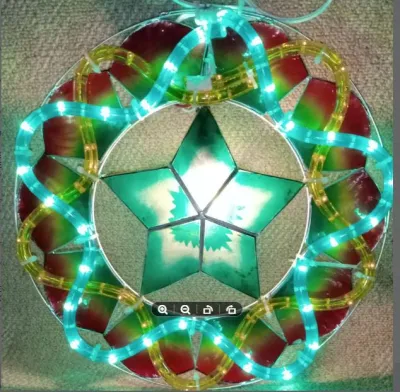
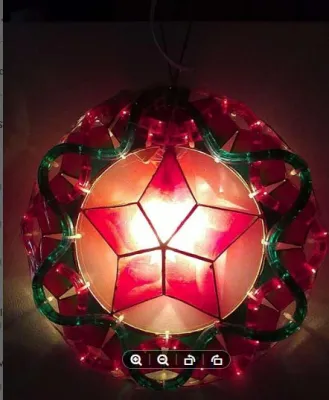

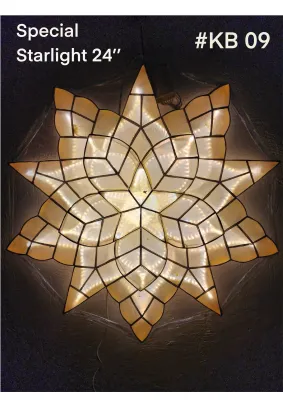
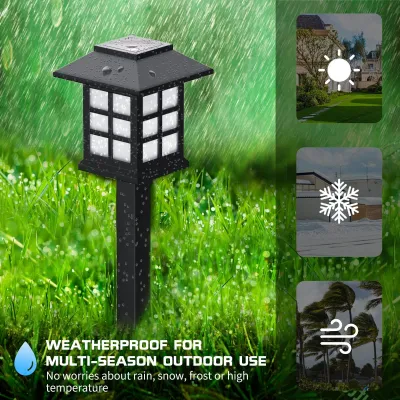
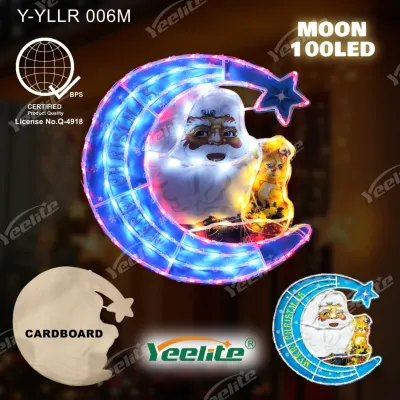
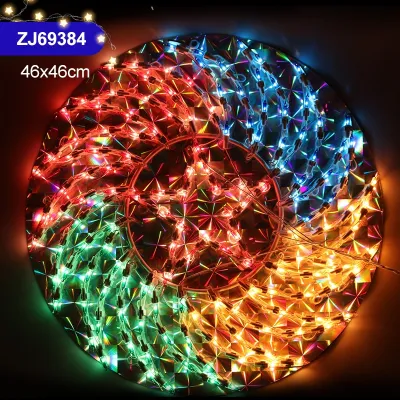
Prices are valid at publication and may change. Please refer to the product page for the latest price.
Essential Specs to Check Before Buying a Mini Parol
Power Source and Electrical Safety
Selecting the right power source for your mini parol directly impacts where you can place it and how safely it will operate. Battery-operated models offer maximum placement flexibility, making them ideal for dining table centerpieces, floating shelves, or areas far from wall outlets. However, they require frequent battery replacements or the use of rechargeable cells if kept on for long periods. USB-powered designs strike a convenient middle ground, allowing you to run the parol off a standard phone charger block, a laptop, or a portable power bank, which is highly useful for temporary holiday setups.
For permanent or daily window displays throughout the long Philippine Christmas season, direct plug-in models remain the most reliable choice. When purchasing a plug-in mini parol, you must verify that its voltage rating is compatible with the standard Philippine electrical grid, which operates at 220V and 60Hz. Importing decorations from countries that use 110V without checking can lead to immediate electrical damage or fire hazards. Always look for safety certification markings, such as the Philippine Standard (PS) mark or the Import Commodity Clearance (ICC) sticker, to ensure the product has undergone rigorous electrical safety testing.
Electrical safety should always be your top priority when installing holiday lighting. Ensure that all wiring is properly insulated with no exposed copper, and avoid overloading extension cords or wall outlets with multiple high-wattage decorations. Because mini parols often feature enclosed designs—such as sealed acrylic casings or tightly bound shell panels—heat buildup can become a serious hazard. Verify that the internal light source uses low-wattage light-emitting diodes (LEDs) rather than older incandescent bulbs, which generate significant heat. Always read and strictly follow the manufacturer’s safety and installation instructions before powering on your decoration.
Size, Scale, and Material Durability
To be classified as a “mini” parol, a decorative star typically measures between 6 to 12 inches (approximately 15 to 30 centimeters) in diameter. Before purchasing, use a measuring tape to assess the exact dimensions of your intended display area, whether it is a narrow bookshelf, a window pane, or a bedside table. A parol that is too large will make a small shelf look cluttered, while an excessively small star may lose its visual impact in a spacious room.
Material durability is another critical factor that dictates placement and longevity. Traditional Capiz shells and glass are highly fragile; they can easily chip, crack, or shatter if bumped by children, pets, or passing guests. These delicate materials are best reserved for low-traffic areas, high shelves, or secure glass display cabinets. Conversely, modern polymers, acrylics, treated bamboo, and metal frames offer excellent impact resistance, making them much more suitable for active households or entryways where physical contact is likely.
If you plan to suspend your mini parol from a ceiling, curtain rod, or window frame, always check the product specifications for its exact weight and the type of hanging mechanism provided. Heavier Capiz models require secure mounting hooks anchored into solid wood or concrete, whereas lightweight plastic or woven designs can often be safely suspended using heavy-duty adhesive hooks or transparent nylon lines. Never hang a decoration from active electrical cords, and always ensure that any suspended load is securely fastened to prevent accidental falls.
Classic Capiz and Shell Designs for Elegant Spaces
Capiz shell mini parols represent the pinnacle of traditional Filipino holiday elegance, utilizing the translucent shells of the Placuna placenta mollusk. Each shell panel is carefully cleaned, cut, and bound together using brass, copper, or lead solder to form the iconic five-pointed star. The natural material possesses a unique pearlescent quality that beautifully diffuses light, transforming the harsh glare of internal bulbs into a soft, warm, and inviting glow that instantly elevates any room.

These heritage-style decorations are exceptionally well-suited for formal and intimate spaces within the home. Placing a Capiz mini parol as a centerpiece on a formal dining table, surrounded by fresh pine or local poinsettias, creates a sophisticated focal point for family reunions. They also look stunning when showcased inside glass-fronted antique cabinets, on wooden sideboards, or on bedside tables, where their intricate craftsmanship and natural textures can be admired up close by guests.
However, owning a natural shell decoration comes with specific care requirements and physical limitations. Capiz shells are inherently brittle and can warp or suffer structural damage when exposed to extreme shifts in humidity or direct moisture, which are common in tropical climates. To maintain their luster, dust them gently using a soft, dry microfiber cloth or a feather duster. Never apply water, liquid glass cleaners, or harsh chemical detergents, as these substances can strip away the natural pearlescent finish and corrode the metal solder holding the panels together.
Modern LED and Acrylic Designs for Durability and Brightness
For households that prioritize vibrant color displays, energy efficiency, and rugged durability, modern LED and acrylic mini parols are an outstanding choice. These decorations utilize high-grade, shatter-resistant polymers that can withstand accidental drops and bumps without sustaining damage. Because acrylic is incredibly lightweight, these parols can be easily mounted on almost any surface, including delicate window glass, using simple suction cups or temporary adhesive strips.
The structural resilience of acrylic makes these parols highly practical for bustling, active households. If you have young children running around or curious pets who like to explore shelves, an acrylic parol eliminates the safety hazard of broken glass or sharp shell fragments. They are also ideal for high-traffic zones such as main entryways, busy living rooms, or hallways, where decorations are frequently brushed against or moved.
One of the primary highlights of modern acrylic parols is their advanced lighting capabilities. Many models feature integrated, programmable LED modules that can transition between steady warm white light and dynamic, multi-color flashing sequences. When choosing an LED model, check if the product includes a built-in timer, a remote control, or a dimming function. A dimmer is particularly valuable if you plan to leave the parol illuminated overnight as a festive nightlight, allowing you to reduce the brightness to a comfortable, non-disruptive level.
While highly functional, these modern designs do carry certain aesthetic trade-offs. The sleek, glossy finish of acrylic and the intense brightness of multi-color LEDs can sometimes look clinical or artificial compared to the organic warmth of traditional materials. Because of this, acrylic mini parols generally look best when paired with modern, minimalist, or eclectic interior design styles rather than rustic or heritage-focused home decors.
Woven Rattan and Bamboo Designs for Rustic Charm
Woven rattan, bamboo, and abaca mini parols offer a beautiful, eco-friendly alternative that celebrates local craftsmanship and natural materials. These parols are hand-woven by local artisans, featuring intricate lattice patterns that showcase the organic textures and earthy tones of the fibers. They harmonize beautifully with tropical, bohemian, or Scandinavian-inspired interiors, especially when placed alongside indoor houseplants, linen textiles, and solid wood furniture.
The defining feature of a woven mini parol is the unique visual atmosphere it creates when illuminated. As the internal light shines through the gaps in the woven fibers, it projects intricate, geometric shadow patterns onto the surrounding walls and ceiling. This dramatic interplay of light and shadow adds depth and movement to a room, creating a cozy, relaxed, and highly atmospheric ambiance that solid-paneled parols cannot replicate.
Because dry natural fibers are highly flammable, bulb selection is a critical safety consideration for woven decorations. You must use low-heat, low-wattage LED bulbs inside these parols; never use incandescent or high-heat halogen bulbs, which can scorch the fibers and present a serious fire risk. If the parol has a built-in light fixture, verify that the bulb does not make direct contact with the woven walls of the star.
Maintaining natural fiber decorations in a tropical climate requires a bit of preventative care to ensure they do not deteriorate. Dust can easily accumulate in the tiny crevices of the weave, so use a soft-bristled brush, a clean paintbrush, or a can of compressed air to clean them out periodically. Additionally, because raw bamboo and rattan are susceptible to mold and mildew when exposed to high humidity, keep these parols in well-ventilated indoor spaces and away from damp areas like kitchens or bathrooms.
Practical Placement and Styling Ideas for Mini Parols
Integrating mini parols into your home decor requires a thoughtful approach to layout to avoid visual clutter. One highly effective styling technique is grouping. Instead of displaying a single isolated star, arrange three to five mini parols of varying sizes and complementary materials on a fireplace mantel, a console table, or a wide windowsill. This creates a layered, cohesive focal point that draws the eye without overwhelming the room’s overall design.
Mini parols also serve as excellent, unconventional ornaments for your main Christmas tree. Hanging them on the lower, sturdier branches of a large tree adds a distinct Filipino touch to your holiday setup. Alternatively, you can place them as festive accents in unexpected nooks, such as tucked between books on a study shelf, resting on a home office work desk, or lighting up a dark corner of a hallway table.
For windows and walls, you can create a magical, floating effect by suspending several lightweight mini parols at varying heights. Use high-strength, transparent nylon fishing line tied securely to curtain rods or ceiling hooks. This technique is particularly striking in street-facing windows, as it showcases your holiday spirit to the outside world while maintaining a clean, modern look from the inside.
Finally, always pay close attention to color temperature and light balance when styling your space. If your room is already illuminated by bright, cool-white overhead lighting, select mini parols that emit a warm, soft-yellow glow (around 2700K) to create a comforting contrast. Avoid mixing too many competing light sources; if your parols feature rapid multi-color flashing modes, keep the surrounding ambient lights dim to let the colorful patterns stand out without causing visual fatigue or glare.
Frequently Asked Questions (FAQ)
Can I use indoor mini parols outside on my porch or balcony?
No, you should not use indoor-rated mini parols in outdoor environments unless the manufacturer explicitly states that the product has an outdoor safety rating, such as an Ingress Protection (IP) rating of IP44 or higher. Indoor decorations are not sealed against environmental elements. Exposure to sudden rain showers, high tropical humidity, and strong winds can easily cause water to penetrate the electrical housing, leading to short circuits, blown fuses, or electrical shocks. Furthermore, outdoor exposure can cause natural materials like Capiz shells to warp, metal solder to rust rapidly, and dyed woven fibers to fade or rot. For porches, balconies, or eaves, always purchase parols specifically certified for outdoor use.
How do I clean and store delicate Capiz mini parols after Christmas?
Proper post-holiday care is essential to preserve the beauty and structural integrity of delicate Capiz mini parols for future seasons. Begin by unplugging the parol from the wall or removing all batteries from the compartment to prevent corrosion and leakage during storage. Gently wipe down the shell surfaces with a dry, clean microfiber cloth to remove accumulated dust; never use water, liquid sprays, or chemical cleaners, which can tarnish the metal frame and degrade the natural shells. Once clean, wrap the parol individually in several layers of acid-free tissue paper or bubble wrap to protect the fragile edges. Store the wrapped parol flat inside a rigid, sturdy box—preferably plastic or heavy-duty cardboard—and place it in a cool, dry, climate-controlled area of your home to protect it from extreme heat, crushing, and moisture damage.
Community discussion
Share your experience or ask a question. Comments are reviewed before publication.