
Creating a restful sanctuary in a compact condominium bedroom requires a thoughtful approach to lighting. Standard overhead fixtures often flood small rooms with harsh, cold light that disrupts relaxation and interferes with sleep preparation. A dedicated night lamp provides the soft, low-intensity glow needed to wind down after a long day in the city, transforming a limited space into a cozy retreat. By selecting the right type of ambient lighting, condo dwellers can maximize visual comfort, enhance their interior decor, and establish a healthy sleep routine.
The ideal night lamp for a condo bedroom must balance spatial constraints with functional performance. Because urban bedrooms often feature tight layouts with minimal bedside clearance, bulky lighting fixtures are rarely practical. Instead, the focus shifts to compact, efficient, and highly adjustable light sources that emit warm, glare-free illumination. Understanding how different lamp types interact with your room’s layout is the first step toward achieving the perfect evening ambiance.
What to Look for in a Condo Bedroom Night Lamp
Space is at a premium in modern Philippine condominiums. When selecting a night lamp, the physical footprint is a primary consideration. Bedside tables are often narrow, sometimes serving double duty as workspaces or vanity tables. To prevent visual clutter, look for lamps with a base diameter of less than 15 centimeters, or consider alternative form factors. Wall-mounted sconces, slim floor lamps that tuck into corners, or direct plug-in options can free up valuable tabletop surface area. If you share a wall with neighbors or live in a studio unit with a shared sleeping area, directional or highly shielded lamps help contain light to your specific bedside zone, preventing unwanted light spill.
Products mentioned in this guide
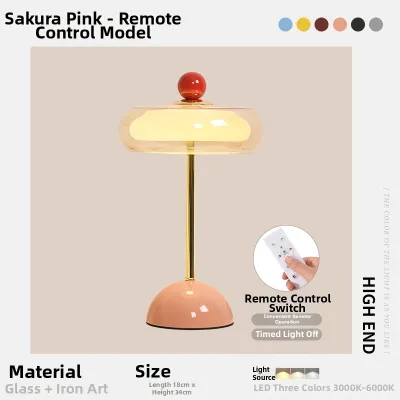

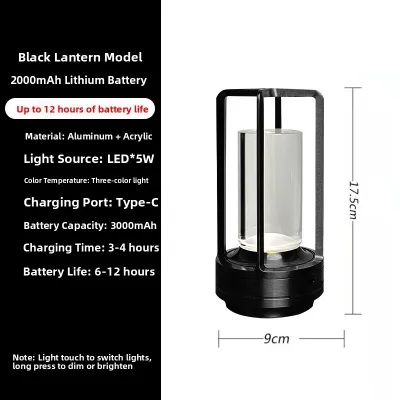
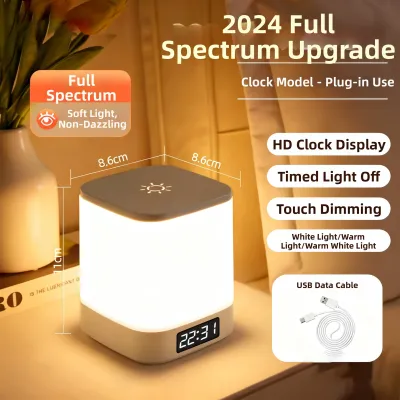

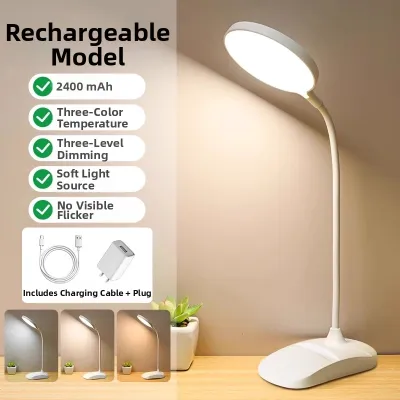
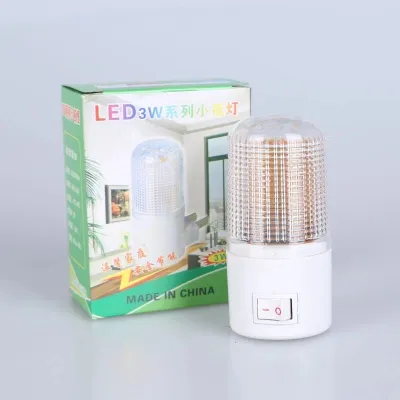
Prices are valid at publication and may change. Please refer to the product page for the latest price.
The quality of light is defined by its color temperature, measured in Kelvin (K). For a cozy, sleep-supportive environment, aim for a color temperature between 2700K and 3000K, often labeled as “warm white” or “soft white.” Light in this range mimics the gentle glow of candlelight or a setting sun, signaling to your brain that it is time to rest. Conversely, cool white or daylight bulbs (ranging from 5000K to 6500K) suppress melatonin production and should be avoided in the bedroom at night. Additionally, pay attention to the Color Rendering Index (CRI). A CRI score of 80 or higher ensures that colors under the lamp look natural and vibrant, rather than washed out or grey, which significantly enhances the overall aesthetic feel of your bedroom.
Direct exposure to bare light bulbs causes glare, which strains the eyes and disrupts the transition to sleep. To maintain proper sleep hygiene, choose night lamps that feature integrated diffusers, fabric shades, or opaque housings that shield the light source from direct view. Dimmability is another crucial feature; a lamp that can drop to 10% or lower of its maximum brightness is ideal for late-night reading or waking up in the dark. For those highly sensitive to light, search for models that offer dedicated amber or red light modes. These wavelengths have the least impact on circadian rhythms, making them excellent choices for midnight navigation or deep relaxation.
Convenience is key when you are ready to sleep. The controls of your night lamp should be easily accessible from a lying position. Reach-through inline cord switches can be frustrating to locate in the dark; instead, prioritize lamps with base-mounted touch sensors, tap controls, or integrated smart capabilities. Cord management is equally important in compact spaces. Look for lamps with detachable power cords or built-in cable wraps to prevent a tangled mess behind your nightstand. If your condo has limited wall outlets, USB-powered lamps or rechargeable cordless models offer excellent placement flexibility without adding to outlet congestion.
Top Night Lamp Types for Warm Ambient Lighting
Selecting the right night lamp involves matching your aesthetic goals with the practical realities of your daily routine. Different lamp categories offer distinct lighting patterns, from dramatic wall-washing effects to subtle, low-level pathway illumination. By evaluating the specific characteristics of each type, you can choose a lighting solution that fits your condo’s layout and your personal lifestyle.

Sunset and Projection Mood Lamps
Best Use Case: Sunset projection lamps have gained immense popularity for their ability to project a rich, warm gradient of light across blank walls or ceilings. In a condo bedroom where wall space is often underutilized, these lamps act as dynamic visual art, washing the room in deep oranges, warm ambers, and soft reds. They are exceptionally effective at creating a dramatic, relaxing focal point that visually expands a small room by drawing the eye upward and outward.
Limitations: While projection lamps excel at creating mood, they are highly directional and require a clear, unobstructed line of sight to a flat surface. If your bedroom walls are covered with shelving, art, or large wardrobes, the projection effect will be fragmented. Furthermore, because these lamps rely on focused lenses, they can be too bright or intensely concentrated to use as a continuous sleep light or for navigating the room in the middle of the night without causing glare.
Buying Checks: When shopping for a projection lamp, prioritize models with adjustable focal lengths and 360-degree rotational heads, which allow you to customize the angle and size of the light beam. Ensure the unit features robust heat dissipation, such as an aluminum housing, as high-power projection LEDs can generate noticeable heat over extended periods. Always verify that the light spectrum includes true warm amber and red wavelengths; some lower-quality models use cheap RGB mixing that results in a synthetic, bluish-purple tint instead of a natural, warm sunset glow.
Smart LED Bedside Lamps
Best Use Case: For the tech-savvy condo owner, a smart LED bedside lamp offers unparalleled versatility. These devices allow you to transition seamlessly from a bright, warm white light suitable for reading to an ultra-low, warm amber glow for sleeping. Many smart models integrate with home automation systems, enabling you to schedule a gradual “sunset” dimming routine in the evening or a gentle “sunrise” wake-up glow in the morning, aligning perfectly with your circadian rhythm.
Limitations: The primary drawback of smart lamps is their reliance on stable wireless connectivity. If your condo’s Wi-Fi network experiences frequent interruptions, or if your router is located far from the bedroom, app-based controls can become sluggish or unresponsive. Additionally, navigating a smartphone app just to turn off a light when you are half-asleep can be highly inconvenient.
Buying Checks: To ensure long-term usability, choose a smart lamp that features physical touch controls or a dedicated button on the base, allowing you to turn it on, off, or dim it manually without relying on your phone. Carefully inspect the product specifications to confirm the presence of dedicated “warm white” LED chips (ideally rated at 2700K). Many budget smart lamps rely solely on mixing red, green, and blue (RGB) diodes to simulate white light, which often produces a harsh, unnatural, or flickering illumination that is poorly suited for relaxation.
Plug-in Motion Sensor Lights
Best Use Case: Navigating a dark condo bedroom or hallway to reach the bathroom can be hazardous, yet turning on main overhead lights instantly disrupts your sleep state. Plug-in motion sensor lights provide a highly functional, low-profile solution. Installed in low-lying wall outlets, these compact lights illuminate only when movement is detected, casting a gentle, downward-facing glow that guides your steps without waking your partner.
Limitations: These lights are entirely dependent on the placement of your existing wall outlets. If your condo’s outlets are blocked by heavy furniture, or if they are positioned too high on the wall, the sensor’s field of view may be restricted, or the light may shine directly into your eyes. They are designed strictly for localized, functional navigation rather than filling a room with ambient warmth.
Buying Checks: It is vital to verify the color temperature of the LED chip before purchasing. Many standard motion sensor lights default to a cool, bluish-white light (5000K or higher) designed for utility spaces like pantries. For a bedroom environment, look specifically for models labeled with a 2700K or 3000K warm-white rating. Additionally, check the sensor’s detection angle (ideally 120 degrees) and verify that it includes a dusk-to-dawn light sensor, which prevents the light from triggering during daylight hours, saving energy and extending the product’s lifespan.
Natural Material and Salt Lamps
Best Use Case: Lamps constructed from natural materials, such as Himalayan salt, carved wood, or woven rattan, introduce an organic texture to modern condo interiors. A salt lamp, for instance, emits a highly diffused, soft, and uneven amber glow that is incredibly soothing to the eyes. The natural variations in the material act as a built-in shade, ensuring that the light is never harsh or direct, making it an excellent companion for a bedside table or a quiet reading nook.
Limitations: These lamps are generally heavy, fragile, and require a completely stable, flat surface. Because the light must pass through dense natural materials, the overall illumination level is very low. They are strictly ambient light sources and cannot be used as primary reading lights.
Buying Checks: In the tropical, high-humidity climate of the Philippines, Himalayan salt lamps require careful maintenance. Salt is naturally hygroscopic, meaning it absorbs moisture from the air. In humid conditions, this can cause the lamp to “sweat” or “weep” water, which can damage wooden furniture surfaces or create electrical hazards if the liquid reaches the socket. When selecting a salt lamp, ensure it features a sealed, moisture-resistant base that catches runoff, and verify that the electrical cord and socket assembly are certified for safety. It is also wise to check for genuine material certifications to avoid purchasing cheap plastic imitations that do not provide the same organic diffusion.
Quick Comparison of Ambient Night Lamp Types
To help you determine which lighting solution best fits your condo’s layout and your personal habits, the following matrix compares the primary night lamp types across key performance and placement criteria:
| Lamp Type | Best Placement | Ambiance Style | Night Navigation Utility | Key Buying Check |
|---|---|---|---|---|
| Sunset Projection | Floor or clear shelf facing a blank wall | Dramatic, warm gradient wash | Low (too bright/focused) | Heat dissipation & true amber spectrum |
| Smart LED | Bedside table or nightstand | Customizable warmth & scheduling | High (dimmable to low levels) | Physical base controls & dedicated 2700K LEDs |
| Motion Sensor | Low wall outlets or hallway sockets | Subtle, localized downward glow | High (automatic activation) | Warm-white LED rating & dusk-to-dawn sensor |
| Salt / Natural | Bedside table or reading corner | Organic, highly diffused amber glow | Very Low (decorative only) | Moisture-resistant base & safety certification |
For the ultimate condo bedroom setup, you do not have to limit yourself to a single lamp type. A highly effective strategy is to mix and match these sources to create a multi-layered lighting plan. For instance, you can place a smart LED lamp on your bedside table to use for reading and scheduled winding down, while installing a warm-white plug-in motion sensor light near your bedroom doorway or hallway. This combination ensures you have customizable, atmospheric light when relaxing, alongside automated, glare-free guidance when moving around in the dark.
How to Position Night Lamps for the Best Ambient Effect
Relying on a single, central light source often creates harsh shadows and a cold, institutional feel in a room. To establish a cozy atmosphere, implement light layering by using multiple low-wattage sources at different heights. Combining a low-profile bedside lamp, a soft floor-level projection light, and a low-wall plug-in light creates visual depth and warmth. This approach allows you to adjust the lighting levels depending on your activity, whether you are winding down, reading, or preparing for sleep.
Direct light shining into your eyes causes discomfort and stimulates alertness. To soften the illumination, position your lamps so that the light bounces off walls, ceilings, or furniture surfaces. For example, point a sunset projection lamp toward a blank corner or a textured wall rather than directly at the bed. If you use a bedside lamp with an open top or bottom, position it close to the wall so the light washes gently up and down the vertical surface, creating a soft, indirect glow that fills the room without glare.
As a general rule for cozy ambient lighting, keep the light source below eye level when you are in your primary resting positions. When sitting up or lying down in bed, you should not be able to see the bare bulb of your bedside lamp. Choose lamps with deep shades that cover the bulb entirely, or opt for low-profile fixtures that sit below the height of your mattress. Keeping the light low to the ground mimics the natural progression of twilight, encouraging your body to transition into a restful state.
In a compact condo bedroom, exposed, tangled cords not only look unsightly but also present tripping hazards and accumulate dust. To maintain a clean, tranquil environment, route cords neatly along baseboards using adhesive cable clips or run them behind heavy furniture like your headboard or wardrobe. If your bedside table is positioned away from an outlet, consider using slim extension cords with flat plugs that sit flush against the wall, allowing you to push your furniture closer to the wall and maximize your floor space.
Safety and Electrical Checks for Condo Lighting
When purchasing night lamps, especially from international online sellers or e-commerce platforms, always verify that the product is rated for the standard electrical system in the Philippines, which operates at 220 volts (V) and 60 hertz (Hz). Using a lamp designed solely for 110V systems without a proper step-down transformer can cause the bulb to burn out instantly, damage the internal circuitry, or present a serious fire hazard. Additionally, ensure the plug type is compatible with your condo’s wall outlets (typically Type A or Type B) or use a high-quality, certified adapter. Look for safety certifications such as the Philippine Standard (PS) mark or the Import Commodity Clearance (ICC) sticker to ensure the product has undergone rigorous safety testing.
Bedside outlets in condos are often limited, tempting residents to daisy-chain multiple extension cords or power strips to power lamps, phone chargers, and other electronic devices. Overloading a single outlet can lead to overheating and electrical fires. Never connect multiple extension cords together. If you must use a power strip, choose one with built-in surge protection and an integrated circuit breaker. Keep high-draw appliances, such as portable air conditioners or space heaters, on separate dedicated circuits away from your delicate ambient lighting fixtures.
Although modern LED bulbs generate significantly less heat than traditional incandescent bulbs, certain types of night lamps still require adequate ventilation. Sunset projection lamps, high-output smart lamps, and natural material lamps like salt lamps can become warm to the touch during prolonged operation. Ensure there is at least 10 to 15 centimeters of clear space around these lamps, keeping them away from highly flammable materials such as curtains, bed linens, paper decorations, or wooden headboards. Never cover a lamp with a cloth or paper shade that is not explicitly designed and rated for that specific fixture.
Electrical safety should always be your top priority. If any night lamp begins to flicker inconsistently, emits a faint buzzing or humming sound, feels unusually hot to the touch, or produces a burning smell, immediately turn off the power at the wall outlet and unplug the device. Do not attempt to repair damaged internal wiring or frayed power cords yourself. For any permanent lighting installations, such as hardwired wall sconces or dimmable overhead ambient tracks, always isolate the power at the main circuit breaker before proceeding, and consult a qualified, licensed electrician to ensure the work complies with the Philippine Electrical Code.
Community discussion
Share your experience or ask a question. Comments are reviewed before publication.