
Selecting the best night lights for a condo depends entirely on the specific room’s layout, its exposure to moisture, and your functional needs. In compact urban living spaces, a single lighting solution rarely fits every area. For bedrooms, low-intensity amber or red lights preserve sleep quality; for bathrooms, moisture-safe, IP-rated fixtures prevent safety hazards; and for living rooms, decorative sunset lamps add visual depth to tight corners. Balancing these distinct needs ensures your home remains safe to navigate at night without sacrificing its modern aesthetic.
Condo living often presents unique spatial challenges, such as deep, windowless corridors, open-plan layouts where light spills easily between zones, and limited natural light. In these environments, ambient lighting plays a dual role by providing soft, non-glaring illumination for safe nighttime navigation while simultaneously enhancing the room’s visual appeal. Because space is at a premium, bulky lamps can clutter valuable surface areas, making compact or wall-mounted options highly desirable.
Different rooms require distinct light behaviors to support your daily routines. A light that helps you navigate a dark bathroom safely might be far too bright and disruptive if placed right next to your bed. By understanding the specific requirements of each zone in your condo, you can select night lights and mood lamps that complement your lifestyle, preserve your sleep hygiene, and elevate your interior decor.
Products mentioned in this guide
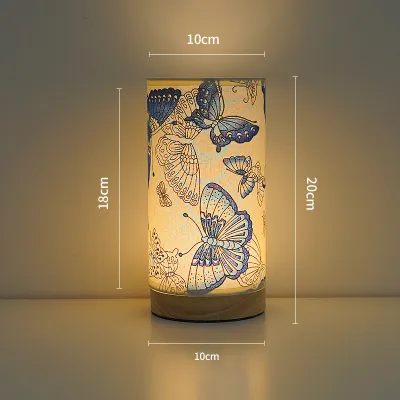
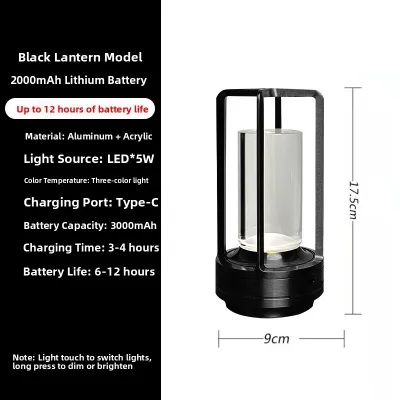
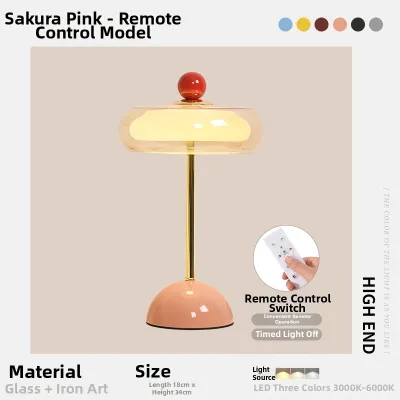
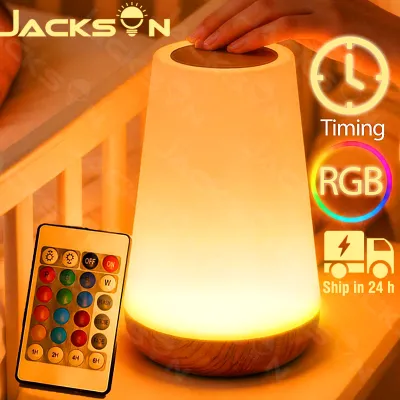
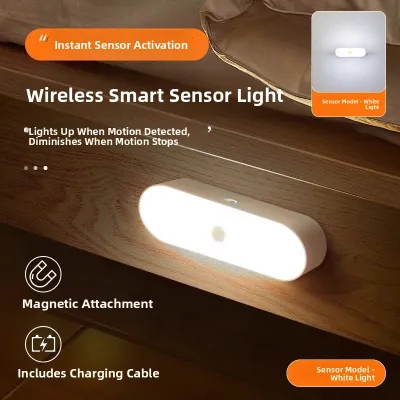
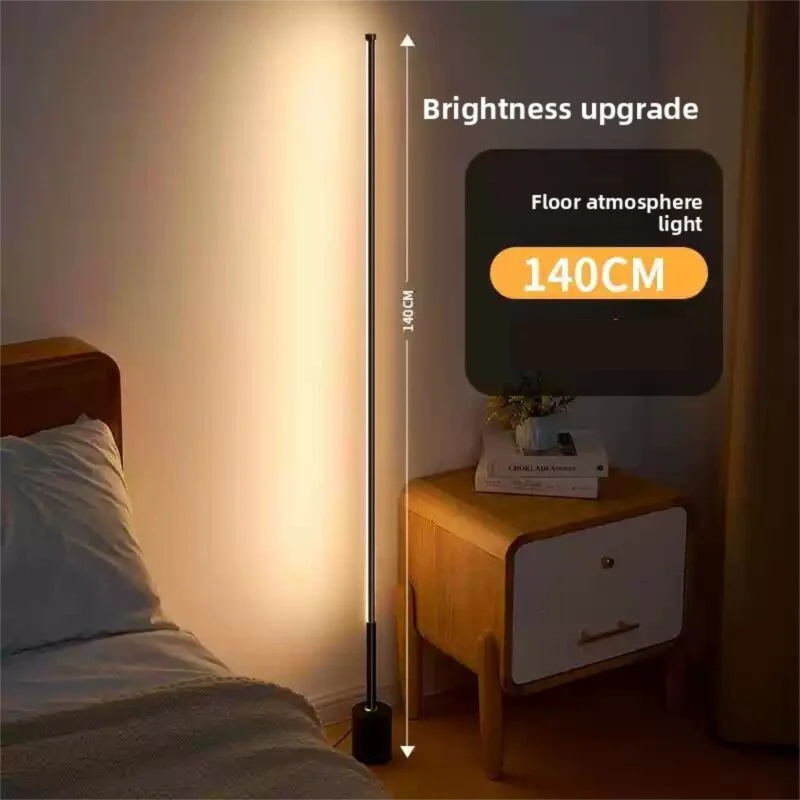
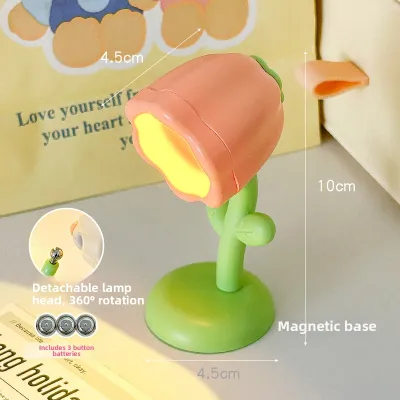
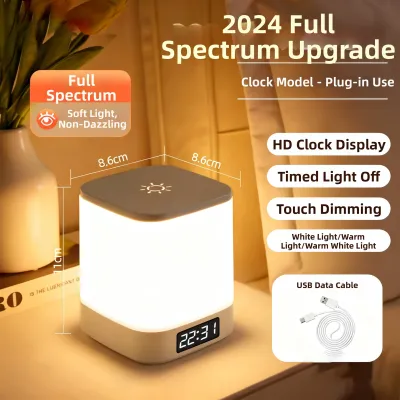
Prices are valid at publication and may change. Please refer to the product page for the latest price.
Bedroom: Low-Glow Night Lights for Restful Sleep
Maintaining proper sleep hygiene is essential in a condo bedroom, where street noise or light pollution from high-rise windows might already pose challenges. The primary goal of a bedroom night light is to provide just enough visibility to navigate the room safely without disrupting your body’s natural circadian rhythms. Exposure to blue-rich light in the evening suppresses the production of melatonin, a hormone necessary for restful sleep, making light selection critical.
To protect your sleep quality, prioritize warm color temperatures such as amber, soft red, or warm white rated below 2700K. These wavelengths are far less disruptive to your brain’s sleep signals than cool white or blue light. If you must wake up in the middle of the night, a low-intensity warm light allows you to find your way without fully waking up your brain or disturbing your partner.
Brightness control is another key factor when choosing a bedroom light. Opt for devices with dimmable features or low-lumen outputs, typically between 5 to 15 lumens for basic navigation. Many modern LED night lights feature built-in light sensors that automatically dim the output as the room gets darker, or motion sensors that only activate when you step out of bed, keeping the room dark when you are asleep.
Strategic placement keeps the light source out of your direct line of sight while you are lying in bed. Installing flexible LED light strips underneath the bed frame or along the bottom of your bedside table creates a gentle, indirect floor-level glow. Alternatively, low-level plug-in lights placed in wall outlets near the floor direct light downward, illuminating your walking path while keeping the upper half of the room in restful darkness.
When choosing a power source, consider your bedroom layout and the availability of electrical outlets. Direct plug-in options are excellent for permanent bedside setups where an outlet is readily available near the floor. However, if your nightstand is far from an outlet or you want to avoid messy, visible cords, USB-rechargeable or battery-operated lamps offer exceptional flexibility, allowing you to place the light exactly where you need it without cord clutter.
Bathroom: Moisture-Safe Lighting for Nighttime Visits
Bathrooms present a challenging environment for electrical devices due to high humidity, steam, and the proximity of water sources. Standard indoor mood lamps or decorative lights are not built to withstand these conditions and can pose serious safety risks if used in wet zones. When selecting a night light for your bathroom, electrical safety must be your absolute highest priority.

Always check the manufacturer’s specifications for an Ingress Protection (IP) rating before placing any light fixture in a bathroom. For damp environments like a bathroom, look for devices with a rating of at least IP44, which indicates protection against splashing water from any direction. If you plan to place a light close to the shower or bathtub, a higher rating such as IP65 or IP67 is necessary to ensure the device remains safe and operational.
To minimize electrical hazards in humid environments, consider using battery-operated, low-voltage, or USB-rechargeable lights instead of standard 220V plug-in devices. These low-voltage options eliminate the risk of high-voltage shocks near sinks or showers. Many battery-powered motion-sensor lights are designed specifically for bathrooms, sticking easily to walls or cabinets with moisture-resistant adhesives.
Placement in the bathroom should focus on soft, diffuse lighting that prevents harsh glare on highly reflective surfaces like mirrors, glass, and glazed tiles. Harsh, direct light can be disorienting when you first wake up in the middle of the night. Placing a diffuse light strip behind the bathroom vanity mirror or inside a low open cabinet produces a soft, indirect glow that is easy on the eyes.
If you are considering a permanent, hardwired lighting setup—such as recessed under-cabinet LED channels or specialized wet-rated wall sconces—always isolate the power at the main circuit breaker before attempting any installation. Carefully follow the manufacturer’s installation instructions. If the intended setup conflicts with your building’s electrical guidelines or if you are unsure about handling fixed wiring, stop immediately and consult a qualified, licensed electrician.
Living Area and Hallways: Sunset Lamps for Space and Depth
In a compact condo living area, decorative mood lights and sunset projection lamps can dramatically transform the perception of space. These devices project rich, warm gradients of light that mimic natural twilight, creating a sense of depth and warmth on flat concrete walls. By washing a wall in a soft gradient, a sunset lamp tricks the eye into seeing the boundaries of the room as more distant, making small living areas feel significantly more expansive.
To maximize this visual effect, experiment with strategic placement throughout your living room. Pointing the projection lamp directly at a blank wall or into a dark corner creates a dramatic, artistic focal point. Placing the lamp low on the floor behind a large indoor plant, such as a monstera or a snake plant, casts beautiful, organic shadows that add texture and layers to your interior design.
When positioning a sunset lamp, be mindful of reflective screens in the room. Avoid pointing the light source directly at your television or computer monitor, as the bright projection can cause distracting glare and reduce screen contrast. Instead, position the lamp at an angle that directs the glow away from your viewing areas while still filling the room with a cozy, indirect ambiance.
For hallways and entryways that connect your living area to bedrooms, low-profile plug-in lights are highly effective. Hallways require clear, unobstructed paths to prevent tripping hazards during the night. Choose flat, wall-hugging plug-in lights that do not protrude into the walking space, and ensure there are no trailing power cords lying across the floor.
It is important to remember that decorative mood lamps and sunset projectors are designed strictly for ambiance and visual styling. Because they project a highly focused, colored beam of light, they do not provide the balanced, high-contrast illumination required for reading, cooking, or detailed tasks. Always rely on dedicated task lighting, such as adjustable floor lamps or under-cabinet kitchen lights, when performing active chores.
Essential Features to Verify Before Purchasing
Before purchasing any night light or mood lamp for your condo, running through a practical checklist ensures the device is safe, compatible, and functional for your specific living space.
- Power Source and Cord Management: Evaluate the location of your wall outlets. If outlets are scarce or poorly positioned, choose rechargeable USB devices to avoid running long extension cords, which can look untidy and create tripping hazards.
- Adjustability: Look for lamps that offer adjustable brightness levels and multiple color temperature settings. This versatility allows you to use the same lamp for early evening relaxation and low-intensity nighttime navigation.
- Electrical Compatibility and Safety: Verify that any plug-in device is fully compatible with the local 220V, 60Hz electrical standard in the Philippines. Look for recognized safety certifications, such as the local Philippine Standard (PS) mark or the Import Commodity Clearance (ICC) sticker on the packaging to ensure the device has undergone rigorous safety testing.
- Usage Limitations: Always read the product label to confirm the intended operating environment. Ensure that any lamp labeled strictly for dry, indoor use is kept far away from humid areas like bathrooms, kitchens, or open balconies.
Frequently Asked Questions (FAQ)
Can I use a standard sunset lamp in the bathroom?
No, you should not use a standard sunset lamp or decorative mood light in the bathroom. These devices are typically designed strictly for dry indoor spaces and lack the necessary moisture resistance to handle the high humidity and steam of a bathroom. Operating a non-rated electrical device in a wet environment can lead to short circuits, device failure, or electrical hazards. Always check the manufacturer’s IP rating; if the lamp is not explicitly certified for damp or wet locations, keep it in your living room or bedroom.
What is the best color temperature for a bedroom night light?
The best color temperature for a bedroom night light is a warm, low-Kelvin light, ideally under 2700K. Light in the amber, soft red, or warm white spectrum is highly recommended because it does not suppress melatonin production or disrupt your natural sleep cycle. Avoid using cool white, daylight, or blue-tinted lights for nighttime navigation, as these wavelengths signal wakefulness to your brain, making it much harder to fall back asleep after waking up.
Community discussion
Share your experience or ask a question. Comments are reviewed before publication.