
Finding a reliable, visually pleasing night light or mood lamp for under ₱500 in the Philippines is entirely possible, provided you know exactly which technical specifications to prioritize. While online marketplaces are flooded with ultra-cheap options, shopping in this price bracket requires a sharp eye for safety and build quality rather than falling for heavily edited product photos. A well-chosen ambient light can transform a cramped condo bedroom or a study corner into a relaxing sanctuary without draining your budget.
To make a smart purchase, you must look beyond aesthetic appeal and focus on how the device is powered, how it handles heat in our tropical climate, and whether its light output actually supports rest. This guide breaks down the realistic expectations of a ₱500 budget, the safety indicators to watch for, and the best ways to evaluate different lamp styles to find the perfect match for your space.
Setting Realistic Expectations for a ₱500 Lighting Budget
When shopping with a strict ₱500 limit, understanding what the market offers prevents disappointment. Within this price bracket, you will primarily find basic ambient lighting, compact sunset projection lamps, USB-powered bedside options, and small silicone tap-control lights. These products are designed to serve a single, straightforward purpose rather than acting as multi-functional smart home hubs.
Products mentioned in this guide
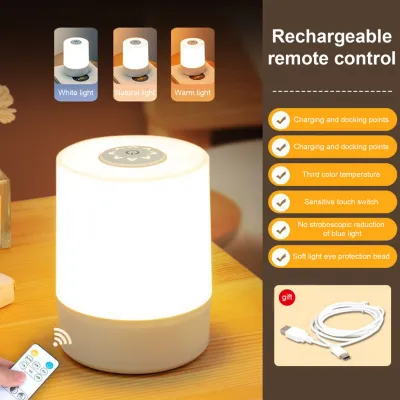
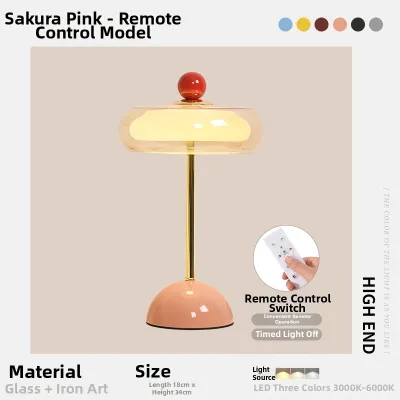
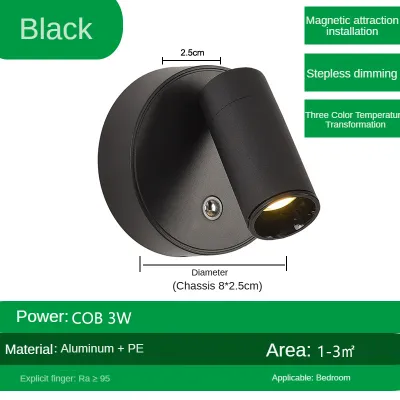
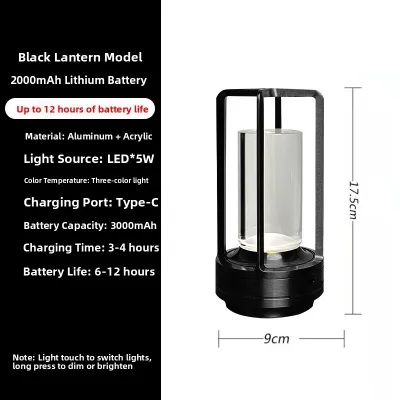
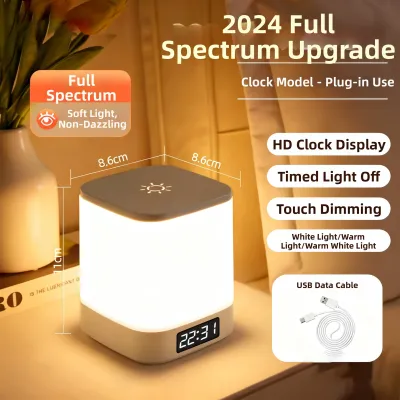
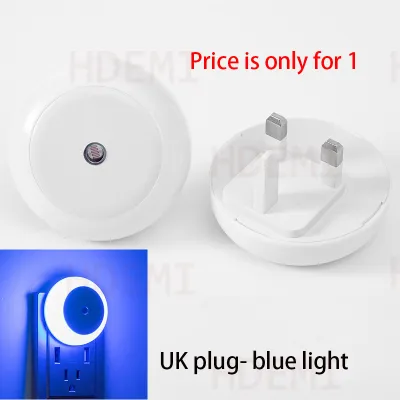
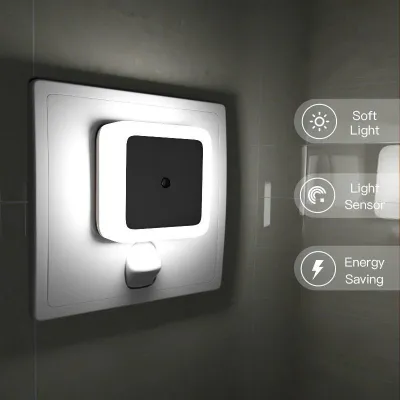
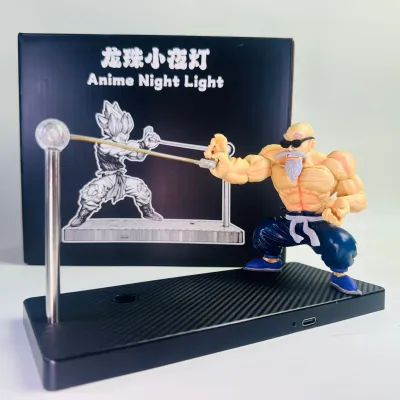
Prices are valid at publication and may change. Please refer to the product page for the latest price.
A tight budget naturally requires some practical trade-offs. At this price point, you should expect to sacrifice smart app connectivity, premium metal finishes, complex remote controls, and advanced stepless dimming. Instead, your focus must shift toward verifying basic mechanical functionality, durable plastics, and safe electrical components that will not fail after a few weeks of use.
The core decision logic for budget lighting is simple: electrical safety and appropriate illumination levels are non-negotiable. While aesthetic extras, high-end branding, and multi-color RGB modes are appealing, they are secondary features where you can safely compromise. Prioritizing a stable power connection and a flicker-free light source ensures your purchase remains practical and safe for long-term use.
Essential Specifications to Verify on Your Night Light Label
Before clicking the checkout button, reading the technical specifications on the product packaging or listing is crucial. A low price tag should never mean ignoring the electrical and physical limitations of a device.

Power Source and Voltage Compatibility
Most budget lamps under ₱500 are either USB-powered or plug directly into the wall. USB-powered options (typically requiring a standard 5V input) are generally safer and highly versatile because they can run off power banks, laptop ports, or certified phone chargers. This makes them excellent for bedside tables where wall outlets might be out of reach.
If you opt for a direct mains plug-in lamp, you must strictly verify that the device is rated for the local voltage in the Philippines, which is 220V at 60Hz. Look for Type A (two flat parallel pins) or Type B (two flat pins with a grounding pin) plugs to ensure they fit standard Philippine wall outlets without requiring loose, unsafe adapters. Never use unmarked or uncertified power adapters that are sometimes bundled with ultra-cheap direct-plug lamps, as these can pose severe electrical risks.
Brightness, Color Temperature, and Adjustability
Appropriate brightness is key to a functional night light. For sleep preparation, you want very low lumens—ideally between 5 and 15 lumens—to avoid disrupting your body’s melatonin production. If the light is too bright, it defeats the purpose of a sleep aid and can cause eye strain in a dark room.
Color temperature is a subjective preference, but it significantly affects your sleep hygiene. Warm white light (ranging from 2700K to 3000K) is highly recommended for winding down because it mimics the warm tones of sunset, helping your mind transition to sleep. In contrast, vibrant RGB colors or cool blue tones are better suited for active evening relaxation rather than overnight use. Because budget lamps rarely feature sophisticated stepless dimming, verify if the model includes a simple high/low toggle or a few preset brightness levels to match your room layout.
Build Materials and Heat Dissipation
In the tropical climate of the Philippines, high ambient temperatures and humidity can accelerate the wear of cheap plastics. Look for lamps constructed from heat-resistant housing materials, such as ABS or high-grade polycarbonate. If you are purchasing a sunset projection lamp, which uses high-intensity LEDs that generate localized heat, ensure the casing has adequate ventilation slots to prevent overheating during extended use.
Additionally, evaluate the physical stability of the lamp. A sturdy, weighted base or a reliable mounting mechanism is essential to prevent accidental tipping. If you plan to mount a light using adhesive strips, keep in mind that high humidity can weaken cheap adhesives over time, potentially causing the fixture to fall and break.
Evaluating Mood Lamp Styles Within Your Budget
Different ambient lighting styles serve distinct visual and practical purposes. Understanding how to evaluate their build and optical quality without relying on brand names will help you get the most value for your ₱500.
Sunset and Halo Projection Lamps
Sunset projection lamps are incredibly popular for creating a warm, dramatic atmosphere in condos and bedrooms. When shopping on a budget, focus heavily on optical clarity by checking user-uploaded photos in online reviews. Look for clean lens alignment and a sharp, well-defined halo projection, and avoid models that produce heavily distorted, blurry, or double-ringed edges.
The physical build of a projection lamp is just as important as its lens. Ensure the model features a smooth rotation mechanism and an adjustable head angle (ideally 180 or 360 degrees) so you can safely direct the light across different wall and ceiling surfaces. Keep in mind that projection distance and overall brightness will naturally be limited at this price point compared to professional studio equipment, but they are perfectly adequate for illuminating a cozy corner.
Silicone and Tap-Control Night Lights
Silicone tap-control lights are excellent bedside companions, especially for children’s rooms or late-night reading. When evaluating these interactive models, pay close attention to user feedback regarding the responsiveness of the tap or squeeze sensors. A good sensor should register a gentle tap easily without requiring you to hit the lamp forcefully.
For rechargeable models, check the battery capacity and the charging interface. A capacity of 1200mAh is standard for budget models and should easily last through the night on a low-brightness setting. Opt for devices that feature a modern USB-C port rather than older, fragile micro-USB ports, which are prone to breaking if plugged in incorrectly in the dark. Finally, ensure the silicone body is thick enough to diffuse the internal LED light evenly, preventing harsh, blinding hot spots.
Basic Accent and Strip Lights
If you want to highlight shelves, headboards, or under-cabinet spaces, basic LED strip lights are a highly affordable option. Under ₱500, these will be simple, non-smart, plug-in or USB-powered versions. They generally do not feature advanced options like music synchronization, smartphone app control, or individually addressable LEDs, but they excel at providing consistent, direct accent lighting.
Before purchasing, verify the total length of the strip to ensure it fits your intended surface. Pay close attention to the quality of the adhesive backing; because standard double-sided tape can easily peel off in humid tropical conditions, you may want to reinforce the installation with high-quality mounting tape or small mounting clips to keep the strip securely in place.
Safety Boundaries and Red Flags to Avoid
When dealing with low-cost electrical items, safety must always be your top priority. A cheap lamp is never worth risking a short circuit or a fire hazard in your home.
Before plugging in or installing any new lighting product, always check the applied product’s label and the treated item’s manufacturer instructions. If instructions conflict, the item is unidentified, or the intended use is not covered, stop immediately and consult the manufacturer or a qualified professional. For any installation involving fixed wiring, damp areas (such as bathrooms or outdoor balconies), work at height, or suspended loads, you must isolate the power source before starting, follow all safety guidelines, and hire a qualified electrician if necessary.
Watch out for clear red flags when unboxing your new lamp. Missing manufacturer details, unusually thin or flimsy power cords, a lack of basic safety markings (such as CE, RoHS, or local PS/ICC certification details) on the plug, and strong chemical or burnt-plastic odors are immediate warning signs. If the lamp feels excessively hot to the touch during use, emits a burning smell, or flickers unpredictably, stop using it immediately, unplug it safely, and initiate a return.
Finally, practice safe placement in your room. Maintain clear clearances around all mood lamps and projection lights, keeping them well away from flammable fabrics, curtains, bedsheets, and poorly ventilated corners. Never cover a lamp with cloth or paper to dim the light, as this traps heat and creates a serious fire risk.
Smart Checkout Strategies for Online Stores
Navigating online marketplaces to find a genuine bargain requires a strategic approach. It is easy to be swayed by low initial prices, only to find that hidden costs push you over your budget.
Start by using the platform’s search filters to set a strict price ceiling of ₱500. However, always factor in shipping fees, which can vary significantly depending on whether the item is shipped locally or from overseas. A lamp priced at ₱450 might seem like a great deal, but a ₱70 shipping fee will push the total landed cost over your budget. Look for free shipping vouchers or local sellers within your region to keep costs down.
Never rely solely on the overall star rating of a product, as these can sometimes be inflated. Instead, filter the reviews to read the 1-star and 2-star feedback. This is where you will find honest reports of recurring defects, such as dead LEDs, loose USB ports, broken switches, or poor customer service. If multiple users report that the lamp stopped working after a few days or became dangerously hot, treat it as a clear sign to look elsewhere.
Lastly, check the seller’s return policy specifically for electrical items. A reputable seller should offer a clear return window for defective products. If the only available options within your budget show consistent red flags in user reviews, adopt a “wait and save” approach. It is far better to wait until you can afford a slightly higher-quality option than to rush into buying a potentially hazardous device.
Frequently Asked Questions (FAQ)
Can I leave a budget mood lamp on all night?
It depends on the type of lamp and its heat output. Low-heat, low-lumen LED night lights designed specifically for overnight use are generally safe to leave on, provided they are properly ventilated, certified, and powered by a high-quality source. However, higher-output projection lamps, sunset lights, and uncertified mood lights should always be turned off before you go to sleep. Turning them off prevents overheating, extends the lifespan of the LEDs, and ensures a dark environment that supports healthy sleep cycles.
Do USB night lights consume a lot of electricity?
No, standard LED night lights consume an incredibly small amount of electricity. Most of these devices draw between 0.5 and 5 watts of power. Even if left on for eight hours every night, their impact on your monthly Meralco or regional utility bill will be negligible, amounting to only a few centavos per month. Running these lamps via a certified USB phone charger or a power bank is both highly energy-efficient and safe for daily ambient lighting.
Community discussion
Share your experience or ask a question. Comments are reviewed before publication.