
Selecting the best NSS solar light outdoor models for your garden pathways and landscape accents requires matching the fixture’s technical specifications to its specific lighting role. For pathways, low-glare, wide-beam stake lights are ideal to map out walkways safely. For accentuating garden features, high-intensity, adjustable spotlights are required to cast focused beams on trees or architectural details. By evaluating factors such as lumen output, IP weather ratings, and battery capacities, you can select the perfect NSS models that will withstand the tropical climate of the Philippines.
To achieve a balanced outdoor lighting scheme, homeowners must look beyond basic aesthetics and analyze how light behaves in an open space. A well-designed garden layout utilizes layered lighting, combining functional pathway illumination with dramatic accent highlights. This guide breaks down the essential criteria for evaluating NSS solar lights, helping you make an informed decision for your yard.
Pathway vs. Accent Lighting: Identifying Your Garden's Needs
Before purchasing any outdoor lighting fixtures, it is essential to distinguish between the two primary landscape lighting functions: pathway lighting and accent lighting. Each serves a distinct purpose in your yard, and mixing up their applications can lead to either blinding glare on your walkways or underwhelming, washed-out focal points. Designing a cohesive layout requires understanding how these two lighting styles work together to create depth, safety, and visual interest after dark.
Products mentioned in this guide
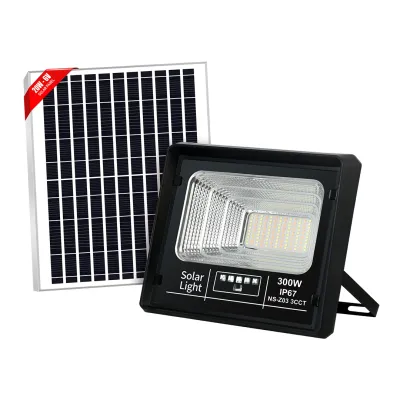
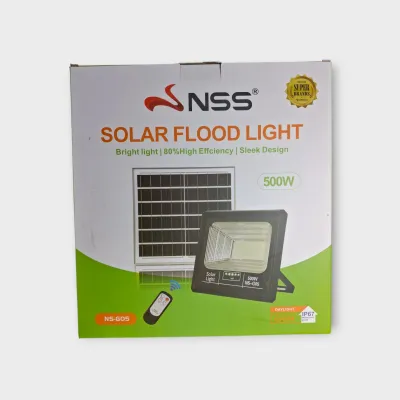
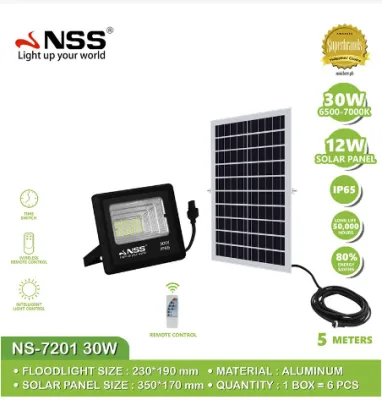
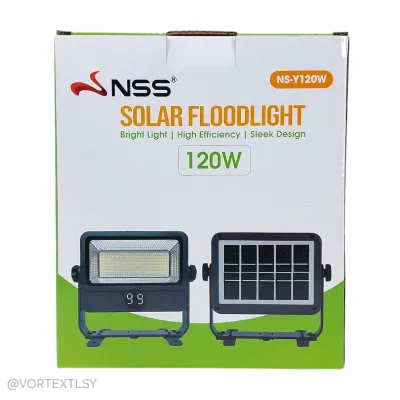
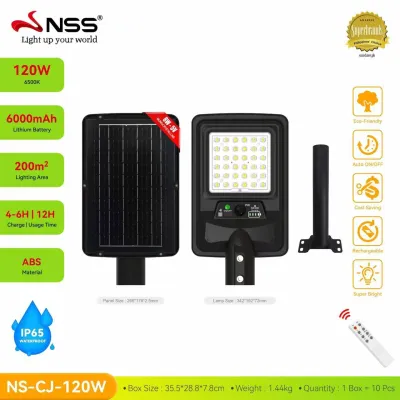
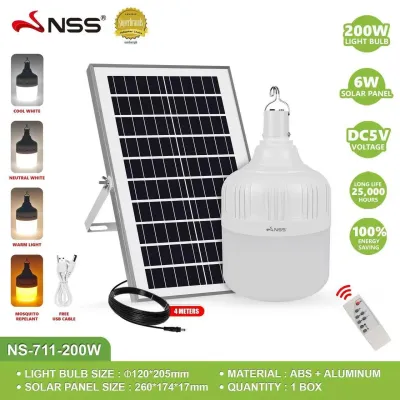
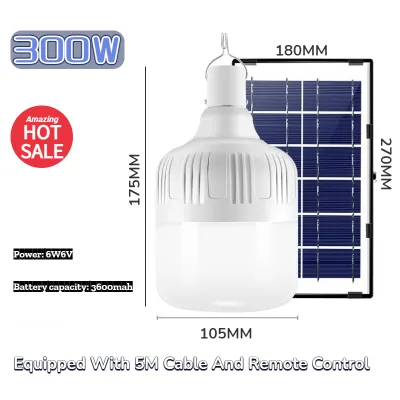
Prices are valid at publication and may change. Please refer to the product page for the latest price.
Pathway lighting is fundamentally functional, focusing on safety, navigation, and defining borders. The primary goal is to illuminate the ground where people walk, highlighting potential tripping hazards such as steps, roots, or changes in elevation. To achieve this safely, pathway lights must emit a low-glare, wide-beam light directed downward. This ensures that the walking surface is clearly visible without shining directly into the eyes of anyone walking along the path. Properly spaced pathway lights create a continuous, gentle guide that defines the boundaries of your garden walk.
Accent lighting, on the other hand, is purely aesthetic and designed to create visual drama. Instead of lighting up flat ground, accent lights focus on highlighting specific vertical landscape features, such as mature trees, ornamental shrubs, statues, water fountains, or textured stone walls. This style of lighting uses directional, higher-intensity beams to draw the eye to key focal points, creating contrast between light and shadow. Accent lighting adds a sense of depth to your yard, making the space feel larger and more dynamic by drawing attention to the background and perimeter features.
To plan your yard layout effectively, follow this actionable step: grab a sheet of paper and sketch a basic map of your garden at dusk. Mark the high-traffic walking zones, steps, and entryways that require safety lighting; these are your pathway zones. Next, identify the standout features of your landscaping—such as a large palm tree, a garden sculpture, or a beautiful flower bed—that deserve to be showcased; these are your accent zones. By mapping these areas, you can calculate exactly how many wide-beam pathway lights and focused accent spotlights you need to purchase, preventing both over-lighting and dark gaps.
How to Choose the Right NSS Solar Pathway Lights
When shopping for NSS solar pathway lights on local online marketplaces, you will encounter a wide variety of models. To ensure you select fixtures that are durable, efficient, and suited for your walkways, you must verify several key specifications on the product packaging or online listings. A systematic approach to checking these metrics will save you from buying lights that fail prematurely or fail to provide adequate illumination.

Lumens and Beam Angle
For pathway lighting, high brightness is actually counterproductive. High-lumen spotlights placed along a walkway can cause temporary night blindness, making it harder for your eyes to adjust to the surrounding darkness. Look for pathway models that offer a modest output, typically between 10 and 80 lumens. Additionally, check the product description for a wide, downward beam angle, often achieved through built-in top caps or diffusers. This design directs the light downward and outward, spreading a soft pool of light across the ground while keeping the light source shielded from direct view.
Stake Material and Stability
The ground stake is the only thing keeping your pathway light upright, making its material composition critical. In the Philippines, soil conditions vary dramatically between the dry season, when the ground can be rock-hard, and the wet season, when heavy rains turn soil into soft mud. Ensure the ground stakes are constructed from durable, high-impact ABS plastic or corrosion-resistant metals like stainless steel or treated aluminum. Avoid thin, brittle plastics that can easily snap when pressed into firm soil or bend under the force of strong tropical winds.
Weather Resistance
Outdoor lighting in tropical climates must be highly resilient against moisture. The Ingress Protection (IP) rating is a standardized measure of a fixture’s resistance to dust and water. For pathway lights exposed to torrential tropical rains and high humidity, look for an IP rating of at least IP65. This rating ensures that the internal electrical components are completely sealed against dust ingress and can withstand low-pressure water jets from any direction, preventing short circuits and internal corrosion during heavy downpours.
Light Color and Color Temperature
Color temperature, measured in Kelvin (K), dictates the mood of your outdoor space. For pathways, warm white light (ranging from 2700K to 3000K) is highly recommended. Warm white light mimics natural candlelight or incandescent bulbs, creating a cozy, welcoming, and relaxed ambiance that complements natural wood and stone. Before purchasing your NSS fixtures, verify the Kelvin rating in the product specifications to ensure all your pathway lights match, avoiding an inconsistent look where some lights appear warm yellow and others look clinical blue-white.
Selecting NSS Solar Accent Lights for Focal Points
Accent lighting requires a completely different set of specifications than pathway lighting. Because these fixtures are designed to project light upward or across distances to highlight specific features, they must offer greater power, focus, and physical adjustability. When selecting NSS solar accent lights, prioritize features that allow you to customize the direction and intensity of the light beam.
Adjustable Heads and Mounting
Because the sun’s position changes throughout the year, flexibility is crucial for solar accent lights. Look for models that feature independently adjustable light heads and solar panels. This design allows you to angle the light fixture directly at a tree canopy or wall while tilting the solar panel toward the open sky to maximize daily solar absorption. For shaded garden beds, consider NSS models that offer a split design, where the solar panel is connected to the spotlight fixture via a long, weather-resistant cable. This allows you to mount the solar panel in a sunny spot, such as on top of a fence or wall, while placing the spotlight deep within a shaded garden bed.
Beam Spread and Intensity
To effectively highlight distant or vertical objects, accent lights must project a concentrated beam of light. Look for spotlights with a narrow beam angle, typically between 15 and 45 degrees, which focuses the light into a tight column. The intensity of these lights should be significantly higher than pathway lights, ranging from 150 to over 600 lumens depending on the size of the target. For instance, a small garden statue may only require 150 lumens, while a mature, tall palm tree will need 500 lumens or more to project light all the way to the upper leaves. Always verify these lumen and beam angle specifications before finalizing your purchase.
Color Temperature Options
While warm white (3000K) is excellent for creating a dramatic, high-contrast look on architectural features and wooden structures, cool white or daylight temperatures (5000K to 6500K) can make green foliage and water features look exceptionally crisp and vibrant. Some NSS solar accent lights feature selectable color modes, allowing you to toggle between warm white, cool white, or even RGB color-changing options via a physical switch or remote control. Check the product details to see if the model offers this versatility, allowing you to experiment with different visual styles.
Installation Flexibility
Your accent lighting needs will vary depending on the layout of your yard. A versatile solar spotlight should support multiple mounting configurations. Verify whether the product package includes both a heavy-duty ground stake for inserting the light into garden beds or lawns, and a mounting bracket with screws for securing the fixture directly to hard surfaces. This dual-mounting capability allows you to install the light on concrete pathways, wooden decks, brick walls, or fence posts, depending on where your focal points are located.
Comparing Specifications: Pathway vs. Accent Solar Lights
To help you quickly contrast the ideal specifications and placement strategies for both lighting types, use the comparison table below. This matrix serves as a quick reference guide when evaluating different NSS solar light outdoor models on e-commerce platforms.
| Specification / Feature | Pathway Solar Lights | Accent Solar Lights |
|---|---|---|
| Primary Purpose | Safety, navigation, and border definition | Highlighting focal points (trees, walls, art) |
| Ideal Beam Angle | Wide and downward (90° to 120°) | Narrow and directional (15° to 45°) |
| Typical Lumen Range | 10 to 80 lumens | 150 to 600+ lumens |
| Preferred Color Temp. | Warm White (2700K – 3000K) | Warm White (3000K) or Cool White (5000K+) |
| Recommended Mounting | Ground stake | Ground stake or wall/screw mount |
| Best Placement | Spaced evenly along walkways and steps | Positioned at the base of trees, walls, or features |
| Weather Resistance | Minimum IP65 rating | Minimum IP65 rating |
When browsing online retailers for NSS solar lights, use this table to cross-reference the listed specifications. If a product listing lacks detailed metrics like beam angle or exact lumens, look closely at the product images, user-uploaded photos of the packaging, or ask the seller directly to confirm these details. Matching the product’s actual specifications to these recommended profiles ensures that your garden lighting performs exactly as intended.
Installation and Maintenance Tips for Tropical Yards
Operating solar lights in a tropical climate like the Philippines presents unique environmental challenges, including intense solar heat, high humidity, salt air in coastal regions, and prolonged monsoon seasons. Proper installation and consistent maintenance are key to ensuring your NSS solar lights remain bright and functional for years to come.
Solar Panel Placement
Solar panels require direct, unobstructed sunlight to charge their internal batteries fully. When positioning your lights, ensure the panels are not blocked by dense tree canopies, roof eaves, or large shrubs. Even partial shading for a few hours can drastically reduce the battery’s charge, resulting in dim lights that turn off after only a few hours of operation. In the Philippines, positioning panels to face south or directly upward generally yields the most consistent solar exposure throughout the year.
Securing Fixtures in Soft Soil
During the rainy season, garden soil can become incredibly soft and saturated, causing ground stakes to lean or fall over. To prevent this, avoid simply pushing the stakes into loose mud. Instead, dig a small hole, compact the soil at the bottom, insert the stake, and pack small gravel or coarse sand around the base before backfilling with dirt. This creates a stable drainage pocket that anchors the stake firmly, keeping your pathway and accent lights pointing in their intended directions even during heavy tropical storms.
Routine Cleaning for Maximum Efficiency
Dust, pollen, bird droppings, and airborne grime can build up quickly on solar panels, creating a barrier that blocks sunlight and reduces charging efficiency. In humid climates, algae and mold can also grow on damp surfaces. To maintain peak performance, wipe the solar panels gently with a soft, damp microfiber cloth at least once a month. Avoid using harsh chemical cleaners, vinegar, or abrasive scrubbing pads, as these can scratch or degrade the protective plastic coating on the solar panel, permanently reducing its ability to absorb light.
Battery Care and Monsoon Management
Rechargeable batteries inside solar lights degrade over time due to constant charge and discharge cycles, especially under high tropical temperatures. Check the manufacturer’s guidelines for battery replacement cycles; most fixtures use standard rechargeable NiMH (AA/AAA) or lithium-ion (18650) batteries that can be replaced after a few years. During prolonged monsoon weeks with consecutive days of heavy cloud cover and rain, consider turning the lights off using their physical power switches. This prevents the batteries from completely draining to zero, which can damage the battery cells and significantly shorten their overall lifespan.
Safety and Professional Boundaries
While low-voltage solar lights are generally safe and easy to install yourself, certain situations require extra caution. If your accent lighting layout involves mounting solar panels or heavy fixtures at a height (such as on high walls, pillars, or rooflines), running extension cables through underground conduits, or integrating any fixed electrical wiring for hybrid backup systems, always prioritize safety. Isolate all power sources before beginning installation, strictly follow the manufacturer’s step-by-step instructions, and consult a qualified professional or licensed electrician if you are unsure about structural mounting stability or electrical connections.
Frequently Asked Questions (FAQ)
Can I replace the batteries in NSS solar lights?
Yes, battery replaceability depends on the specific NSS model you purchase. Many standard solar pathway lights use user-replaceable rechargeable batteries, such as AA or AAA Nickel-Metal Hydride (NiMH) cells, which can be accessed by unscrewing the top cap of the fixture. Larger, high-output accent spotlights often utilize built-in lithium-ion batteries (such as 18650 or 32650 cells). Always consult your product manual or check the online product listing before attempting to open the battery compartment, and ensure you use replacements with the exact same voltage and chemistry specifications.
Do solar lights charge on cloudy or rainy days?
Solar panels can still charge on cloudy or rainy days by absorbing diffuse light that penetrates the cloud cover, but their efficiency drops significantly. On a heavily overcast day, a solar panel may only produce 10% to 25% of its typical power output compared to a clear, sunny day. Consequently, you should expect shorter runtimes during the rainy season. To mitigate this, select NSS models equipped with larger solar panels and high-capacity batteries, and ensure the panels are positioned to capture every bit of available daylight without any physical shading.
How far apart should I space solar pathway lights?
As a general rule, solar pathway lights should be spaced between 1.5 to 2.5 meters apart to create a cohesive path of light without dark gaps or excessive overlapping. The exact spacing depends on the light’s illumination diameter, which is often listed on the product packaging. For a clean look, space the fixtures so that the outer edges of their light pools gently touch or slightly overlap. If you are using low-lumen decorative lights, you may need to place them closer together, whereas higher-lumen models can be spaced further apart to achieve the same safety and aesthetic benefits.
Community discussion
Share your experience or ask a question. Comments are reviewed before publication.