
Transforming a compact condominium balcony into a warm, relaxing retreat requires lighting that maximizes limited space while delivering a soft, inviting glow. For small balconies, the best Ookas solar light styles are those that prioritize space-saving profiles and warm, diffused illumination—specifically flexible solar string lights, compact wall sconces with non-destructive mounts, and portable accent lanterns. By choosing designs that can be hung, clamped, or set on small surfaces, you can bypass the constraints of tight floor plans and create a cozy outdoor escape right in the middle of the city.
Assessing Your Small Balcony's Lighting Constraints
A typical high-rise condo balcony in the Philippines presents unique physical and environmental challenges that dictate your lighting choices. Unlike spacious suburban patios, a compact balcony has limited square footage. Introducing bulky floor lamps or oversized fixtures can quickly clutter the area, leaving little room for a bistro set or plants. Therefore, space-saving designs that utilize vertical surfaces, ceilings, or railings are highly preferred.
Beyond physical space, solar charging efficiency is heavily influenced by your balcony’s orientation and surrounding structures. High-rise buildings, neighboring towers, and deep concrete overhangs frequently cast long shadows, blocking the direct sunlight required by solar panels. A north-facing balcony or one shaded by an adjacent tower may only receive indirect ambient light, which significantly reduces standard solar charging rates.
Products mentioned in this guide
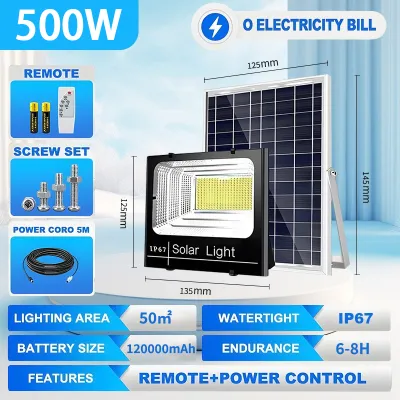
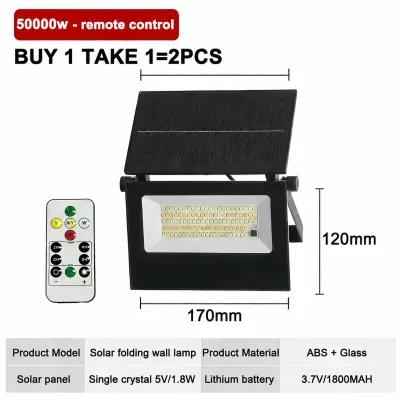
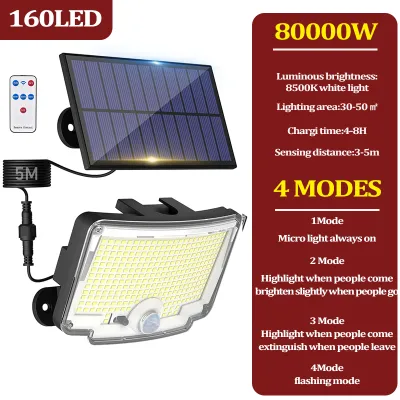
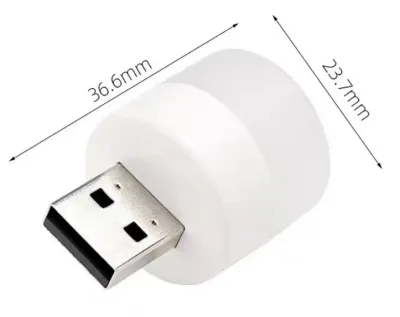
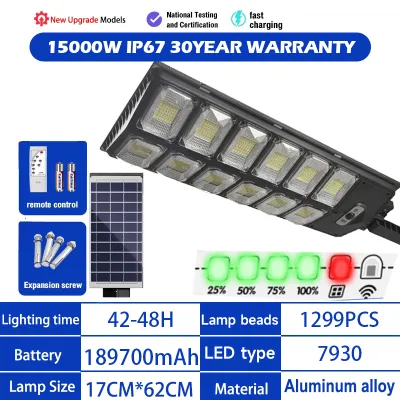
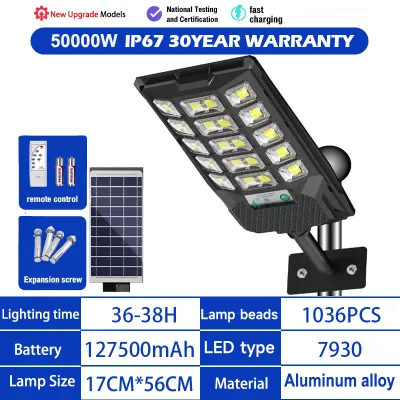
Prices are valid at publication and may change. Please refer to the product page for the latest price.
To establish a truly cozy ambiance under these conditions, you must prioritize the quality of light over raw brightness. In practical terms, a relaxing atmosphere relies on warm color temperatures—typically ranging from 2700K to 3000K—which emit a soft, amber-toned glow reminiscent of candlelight. High-lumen, cool-white task lighting (5000K or higher) can feel clinical and harsh in a confined space, causing uncomfortable glare when you are sitting close to the light source.
Additionally, most condominium corporations and rental agreements strictly prohibit drilling into exterior walls, structural concrete, or metal railings. This rule protects the building’s structural integrity and aesthetic uniformity, meaning any lighting installation must rely entirely on non-destructive, temporary mounting solutions that can be easily removed without leaving permanent marks or damage.
Best Ookas Solar Light Styles for a Cozy Ambiance
When selecting the ideal solar lighting setup, matching the fixture style to your balcony’s layout is essential for achieving a balanced, layered look. Evaluating specific designs based on how they distribute light and how much physical space they occupy ensures your balcony remains functional and visually appealing.

Before making a purchase, always check the product specifications on the packaging or manufacturer’s product page. Look closely at the lumen output (aim for lower lumens, such as 50 to 150 lumens per fixture, for accent lighting) and verify that the color temperature is labeled as “warm white” or “warm yellow.” This verification prevents the accidental installation of bright, cold security lighting that would disrupt the intimate atmosphere.
String and Fairy Lights for Overhead Magic
Flexible linear lights are highly effective for defining the boundaries of a small balcony and drawing the eye upward, which visually expands the perceived height of the space. Draping solar string lights along the top of your railing, weaving them through overhead beams, or hanging them across a privacy screen creates an intimate, canopy-like effect that envelops the seating area in a soft glow.
Before purchasing, measure the exact perimeter of your balcony railing or the span of the wall where you plan to hang the lights. This step prevents the clutter of excess, sagging wires or the disappointment of a strand that is too short to reach your solar panel’s mounting spot.
Fairy lights offer a distinct advantage over heavier bulb-style string lights (such as commercial-grade S14 bistro bulbs) in compact settings. Their ultra-thin copper or silver wires are virtually invisible during the day, maintaining a clean, minimalist look. Furthermore, their lightweight structure makes them exceptionally easy to drape over delicate balcony trellises, wrap around thin metal railings, or weave through potted ornamental plants without weighing down fragile branches.
Wall Lamps and Sconces for Space-Saving Glow
Wall-mounted solar sconces provide excellent ambient lighting while keeping your limited floor and railing space completely clear. By utilizing vertical wall space, these fixtures allow you to maximize every square inch of your balcony floor for seating or small tables.
For a small balcony, look for wall lamps designed with upward or downward light distribution (often called up-and-down lights). These fixtures cast light directly onto the wall surface rather than outward into your eyes. The wall acts as a natural reflector, scattering a soft, indirect glow that minimizes glare and creates a sophisticated, architectural feel in your outdoor space.
Because drilling is generally restricted, verify the mounting mechanism of the specific Ookas wall lamps you are considering. Many compact, lightweight solar wall lights can be safely secured using heavy-duty, outdoor-rated double-sided adhesive pads, or attached to railing balusters using adjustable mounting clamps or heavy-duty zip ties. Always ensure the mounting surface is thoroughly cleaned and dried before applying adhesives.
Additionally, pay close attention to the physical depth of the sconce. Select compact, low-profile designs that do not protrude significantly into the walkway to prevent shoulder bumps or snagging as you move around the balcony.
Lanterns and Portable Accent Lights
Ground-level and tabletop portable lights serve as flexible focal points that add depth and dimension to your lighting layout. Placing a small solar lantern on a bistro table, nesting it on a corner plant shelf, or tucking it next to a potted palm creates a layered lighting effect that makes the space feel cozy and curated.
One of the primary benefits of portable solar lanterns is their mobility. If your balcony only receives direct sunlight in one specific corner for a few hours a day, you can easily place the lanterns in that sunny spot to charge, then move them back to your seating area or table when evening arrives. This flexibility also allows you to easily rearrange your lighting setup whenever you host guests or adjust your balcony furniture.
When choosing portable lights, avoid oversized or excessively bulky lanterns. In a tight balcony layout, large floor lanterns can easily become tripping hazards, especially in the dark. Opt for compact, stable designs with a low center of gravity that will not easily tip over in strong high-rise winds.
Solving Solar Charging Challenges on Shaded Balconies
The most common hurdle when using solar lighting in a high-rise condominium is ensuring the solar panels receive adequate sunlight. Solar cells require direct, unfiltered sunlight to charge their internal batteries efficiently. Deep balcony overhangs, glass railings with UV-filtering tints, and shadows from neighboring towers can severely limit the duration and intensity of sunlight reaching your balcony.
To overcome these architectural shading challenges, consider using split-design solar lights. In these systems, the solar panel is physically separate from the light fixture itself, connected by a thin, weather-resistant cable that often spans several meters. This configuration allows you to mount the solar panel high up on your outer railing where it can capture maximum direct sunlight, while the actual light fixture remains tucked away in a shaded, cozy corner of your balcony.
Additionally, check if the Ookas solar lights you select feature dual-charging capabilities. Some advanced models include a secondary USB backup charging port. This feature is particularly valuable in the Philippines during the rainy season or during prolonged monsoon weather (habagat), when heavy cloud cover can persist for days. Being able to detach the light or its battery pack and charge it indoors via a standard USB cable ensures your balcony remains illuminated even when the sun refuses to shine.
To optimize your setup, spend a weekend observing the sunlight patterns on your balcony. Note which areas receive direct sunlight and at what times of day. Placing your solar panels in these high-exposure zones—even if it is just a small corner of the railing—will maximize daily energy collection and extend the nightly runtime of your lights.
Renter-Friendly Installation and Weather Safety Checks
Installing your balcony lights safely requires techniques that prevent damage to both the building’s exterior and the lighting equipment itself. Since drilling is typically prohibited, utilize renter-friendly mounting accessories. UV-resistant nylon zip ties are excellent for securing string lights and lightweight solar panels to metal railings. For wall surfaces, look for outdoor-rated adhesive hooks designed to withstand humidity and temperature fluctuations. Adjustable metal clamps can also secure small fixtures to railing posts without scratching the paint.
Living in a tropical climate like the Philippines means your outdoor lighting must be highly resilient against severe weather. Before purchasing any outdoor light, check the product label or manufacturer specifications for its Ingress Protection (IP) rating. For fully exposed balcony railings, look for a rating of at least IP65, which indicates the fixture is dust-tight and protected against water jets, ensuring it can withstand heavy tropical downpours. For semi-sheltered areas under deep overhangs, an IP44 rating may be sufficient, but higher protection is always safer for outdoor longevity.
Proper cable management is also critical for safety. Loose, dangling wires pose a significant tripping hazard in small spaces and can easily snag on balcony furniture. Use small adhesive wire clips or zip ties to route all cables tightly along the undersides of railings or wall corners. Securing the wires also prevents them from whipping violently in high winds, which can strain the connections and cause premature electrical failure.
Finally, establish a simple maintenance routine to preserve charging efficiency. Over time, urban dust, vehicle emissions, and pollution can form a thin film over the solar panel’s protective cover, blocking sunlight and reducing charging capacity. Every few weeks, gently wipe the solar panel surface with a soft, damp microfiber cloth. Avoid using abrasive scrubbing pads, harsh chemical cleaners, or solvents, as these can scratch or cloud the protective plastic, permanently degrading the panel’s performance.
Frequently Asked Questions (FAQ)
Can solar lights work on a heavily shaded condo balcony?
While solar lights can collect a small charge from ambient, indirect light, they generally require direct, unfiltered sunlight for at least 4 to 6 hours daily to achieve a full charge and run at maximum brightness. If your balcony is heavily shaded by adjacent high-rises or deep overhangs, standard integrated solar lights may perform poorly. To resolve this, choose split-panel solar lights that let you position the panel in the sunniest spot on your railing, or opt for models that feature a USB backup charging port for indoor charging.
How do I maintain solar panels in a dusty urban environment?
To maintain optimal charging efficiency in dusty city environments, gently wipe the surface of the solar panel with a soft, damp microfiber cloth every two to three weeks. This removes accumulated urban dust, soot, and bird droppings that block sunlight. Never use abrasive sponges, steel wool, or harsh chemical detergents, as these can scratch or degrade the glass or plastic cover, permanently reducing the panel’s ability to absorb solar energy.

Community discussion
Share your experience or ask a question. Comments are reviewed before publication.