
Decorating the exterior windows of a home in the Philippines for the holiday season brings immense festive cheer, but the local climate—characterized by intense tropical heat, high humidity, sudden downpours, and strong winds—presents a significant challenge for standard holiday ornaments. To ensure your display remains safe and beautiful throughout the season, the most suitable outdoor Christmas window decorations must feature certified weather-resistant materials, verified ingress protection ratings, and secure mechanical mountings that can withstand local weather shifts. Selecting the right decorations requires moving beyond purely aesthetic choices to evaluate how well each component can endure exposure to the elements without creating electrical hazards or deteriorating prematurely.
What makes a Christmas window decoration suitable for outdoor use in the Philippines?
A Christmas window decoration is suitable for outdoor use in the Philippines if it carries an explicit manufacturer certification for exterior environments, a verified Ingress Protection (IP) rating of at least IP44, and construction materials that resist ultraviolet (UV) degradation and moisture.
When shopping for outdoor window decorations, inspect the packaging and manufacturer labels carefully. Indoor-only decorations lack the necessary insulation and weatherproofing, making them highly susceptible to short circuits and rapid physical deterioration when exposed to rain or humidity. Look for products explicitly marked “outdoor-rated” or “indoor/outdoor.” These labels indicate that the manufacturer has designed the product to withstand basic environmental exposure, though you must still verify the specific conditions they can handle.
Products mentioned in this guide
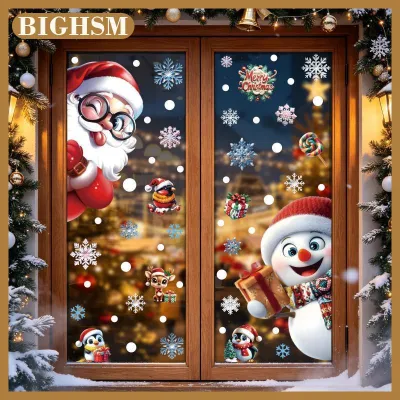
3 Lazada user ratings
💰Price:good for the price 🎨Design:very nice and so beautiful 🔍Quality:very satisfied ⭐Quality:nice one christmas is coming na talaga very go…Read full reviewShow less
💰Price:good for the price 🎨Design:very nice and so beautiful 🔍Quality:very satisfied ⭐Quality:nice one christmas is coming na talaga very good decor for christmas
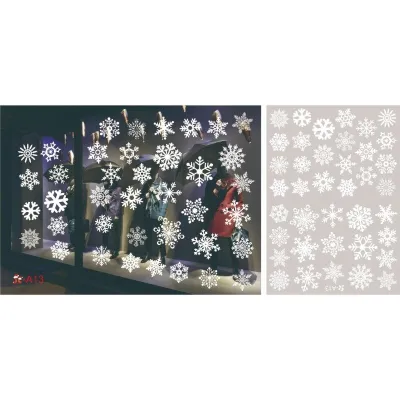
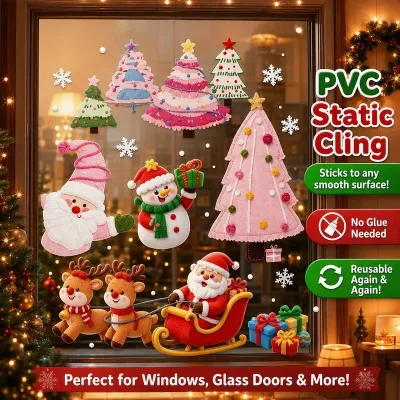

Prices are valid at publication and may change. Please refer to the product page for the latest price.
Understanding Ingress Protection (IP) ratings is crucial for determining exactly where and how you can install your decorations. For outdoor window displays, a minimum rating of IP44 is required, which ensures the product is protected against splashing water from any direction. If your windows are completely unsheltered and exposed to heavy, direct tropical rainfall, look for decorations with an IP65 or higher rating, which provides protection against water jets and dust ingress.
Material durability is another critical factor in a tropical climate. The intense UV exposure during sunny days can quickly degrade standard plastics, causing them to become brittle, fade, and crack. Look for decorations made from UV-stabilized plastics, rust-resistant metals like aluminum or treated stainless steel, and heavy-duty synthetic fibers. Additionally, consider the impact of high humidity and strong seasonal winds; lightweight or fragile materials can easily tear, fray, or be blown away if they are not structurally sound and securely anchored.
Which types of outdoor Christmas window decorations work best for different home styles?
Matching your outdoor window decorations to your home’s architectural style and window design ensures both visual harmony and structural safety, as different window frames support varying weight loads and mounting methods. While aesthetic preferences such as warm white light versus multi-colored displays are entirely subjective, the physical compatibility of a decoration with your specific window type is a matter of safety and durability.

For modern homes with large sliding glass windows, lightweight LED silhouettes, linear neon flex lights, and static-cling vinyl borders work exceptionally well. The flat, continuous glass surface provides an ideal foundation for heavy-duty suction cups and non-adhesive decals, allowing for a clean, streamlined look that is highly visible from the street.
Traditional homes featuring jalousie windows require a different approach. Because jalousie windows consist of overlapping glass slats that do not create a single flat plane, you cannot use standard suction cups or large, heavy window clings. Instead, focus on framing the window exterior with outdoor-rated LED string lights or lightweight garlands secured to the wooden or concrete window trim. Avoid hanging any heavy items directly from the glass slats, as this can strain the metal mechanisms or crack the glass.
Homes with classic capiz windows present unique structural considerations. Capiz shells are delicate and can easily crack under pressure or impact from swinging objects. Never mount decorations directly onto the capiz panes. Instead, utilize the sturdy wooden frames of the window grid to secure lightweight, weather-resistant decorations. Alternatively, hanging a traditional parol from an overhead eave or porch ceiling just in front of the window allows you to showcase the festive icon without putting any physical stress on the delicate capiz shells.
Are outdoor-rated LED window lights and neon flex safe for continuous exterior use?
Outdoor-rated LED string lights and neon flex are safe for continuous exterior use provided they feature UV-resistant casing, waterproof connections, and a power supply that is kept completely dry.
Before installing LED strips or neon flex around your window frames, verify that the product specifications explicitly state they are rated for outdoor use, ideally with an IP65 rating for the light strip itself. The flexible casing of neon flex must be made of high-quality, UV-resistant silicone or PVC to prevent the material from yellowing, hardening, and cracking under daily sun exposure. Cracks in the casing allow moisture to penetrate, leading to immediate failure of the LEDs and potential electrical hazards.
Pay close attention to the voltage requirements and power supply setup. Many outdoor LED systems operate on low voltage (typically 12V or 24V) via a step-down transformer, which inherently reduces the risk of severe electrical shock. However, while the light strip itself may be waterproof, the transformer, controller, and plug are often only splash-proof or rated for indoor use. You must place these power components in a sheltered, dry area, such as a covered porch, or house them inside a certified weatherproof electrical enclosure.
When mounting these lights, avoid using standard adhesive tapes, which quickly degrade, melt, and lose their grip under the intense heat of the sun. Instead, use mechanical fasteners to secure the lights safely. Heavy-duty suction cups with integrated hooks work well on clean glass, while outdoor-rated plastic mounting clips screwed into the window trim provide a permanent, wind-resistant hold. Ensure that any clips or ties do not pinch or puncture the protective outer casing of the lights.
How do you choose and hang a weather-resistant parol for exterior windows?
Choosing a weather-resistant parol involves selecting durable synthetic materials like acrylic, fiberglass, or heavy-duty PVC over traditional paper or thin bamboo, and securing it with high-tensile wire or heavy-duty hooks to withstand seasonal winds.
The traditional Filipino parol is the centerpiece of many holiday displays, but classic versions made of crepe paper, cellophane, and untreated bamboo frames are highly vulnerable to rain and humidity. For exterior window displays, opt for modern parols constructed from thick, weather-resistant acrylic sheets, molded plastic, or rust-resistant metal frames wrapped in durable PVC. These materials can withstand heavy downpours and intense sunlight without losing their shape, color, or structural integrity.
Electrical safety is paramount when selecting an illuminated parol for outdoor display. Inspect the parol’s internal wiring, plug, and bulb sockets to ensure they are explicitly rated for outdoor moisture exposure. Look for rubber gaskets around the bulb bases that seal the socket against water entry. If the parol uses replaceable bulbs, ensure the replacement bulbs match the manufacturer’s specified wattage and voltage limits to prevent overheating.
Because parols can be relatively heavy and have a large surface area that catches the wind, they must be anchored securely to prevent them from swinging and smashing against your window glass. Do not rely on simple tape or thin string. Use heavy-duty, outdoor-rated utility hooks anchored into the wall or window frame, or secure the lantern with coated steel wire or thick nylon zip ties to a sturdy structural point. Always check that the mounting point can support the weight of the parol under wind load.
Can window clings and hanging ornaments withstand tropical heat and rain?
Window clings and hanging ornaments can withstand tropical heat and rain only if they are made of static-cling vinyl and shatterproof, non-fading materials specifically rated for exterior exposure.
Standard adhesive decals often utilize glues that melt under intense sunlight, leaving a sticky, baked-on residue on your window glass that is extremely difficult to clean. Over time, the heat can also cause adhesive decals to peel, curl, and fade. To avoid this, choose static-cling vinyl decals. These clings adhere to the glass using static electricity without any adhesive, making them easy to apply, reposition, and remove. For the best results, apply static-clings to the interior side of the glass facing outward; this protects them entirely from rain and wind while still allowing them to be clearly visible from the outside.
If you choose to hang physical ornaments on the exterior side of your windows, select materials that are shatterproof and non-fading. Avoid glass, ceramic, or delicate painted wood, which can break easily in strong winds or deteriorate when wet. Instead, look for ornaments made of UV-treated plastics, shatterproof acrylic, or weather-resistant metals. Check the product care and usage labels to verify that the colors and finishes are formulated to resist fading from sun exposure.
Keep in mind that even durable outdoor ornaments have limits. During periods of severe weather, such as active typhoon warnings or exceptionally heavy storms, it is highly recommended to temporarily remove hanging ornaments and delicate window decorations. Moving these items indoors prevents them from becoming dangerous projectiles, protects your window glass from impact damage, and extends the overall lifespan of your holiday decor.
How do you safely install and power outdoor window decorations?
Safely installing and powering outdoor window decorations requires using dedicated outdoor-rated extension cords, keeping all electrical connections elevated off the ground, and strictly adhering to the wattage limits of your home’s circuits.
When running power to your window displays, never use indoor extension cords outdoors. Indoor cords lack the thick, moisture-resistant insulation required to protect against rain, humidity, and temperature fluctuations. Ensure all extension cords are rated for outdoor use and are plugged into Ground Fault Circuit Interrupter (GFCI) outlets, which automatically shut off power if an electrical fault is detected. Keep all electrical connections elevated off the ground—never allow plugs to sit in areas where water can pool—and protect them using weatherproof connection covers or specialized silicone safety wraps.
To prevent electrical hazards, you must avoid overloading your home’s electrical circuits. Before plugging in your decorations, check the wattage limits of both your extension cords and the household circuit you are using. Calculate the total wattage of all connected light strings and decorations to ensure it does not exceed the safe operating capacity (typically 80% of the maximum rated load). When connecting multiple light strings together, always follow the manufacturer’s specific guidelines regarding the maximum number of strings that can be safely daisy-chained.
While hanging simple light strings and lightweight ornaments is a straightforward DIY task, complex installations require professional boundaries. If your holiday display involves tapping into fixed household wiring, installing new outdoor electrical outlets, working at heights that require extension ladders on uneven ground, or hanging heavy structures over walkways, you must isolate the power and consult a licensed electrician. Prioritizing safety over a complex DIY setup ensures your holiday season remains festive and hazard-free.
How should you clean and store outdoor decorations after the holidays?
Cleaning and storing your outdoor decorations properly involves removing all environmental buildup, ensuring every component is completely dry, and packing them in sealed, moisture-resistant containers to prevent mold and corrosion during the off-season.
After spending several weeks exposed to the elements, your outdoor window decorations will inevitably accumulate a layer of dust, pollen, insect debris, and potentially tree sap or bird droppings. Before packing them away, gently wipe down all light strings, parols, and plastic ornaments with a damp microfiber cloth. Avoid using harsh chemical solvents or abrasive scrubbing pads, which can damage waterproof coatings, strip paint, or degrade the protective insulation on electrical wires.
Moisture is the single greatest threat to stored electronics and seasonal decor in a humid climate. Even a tiny amount of trapped humidity can lead to rapid mold growth, musty odors, and severe corrosion of metal contacts and wiring. After cleaning, lay all items out in a well-ventilated, shaded indoor area for at least 24 to 48 hours. Ensure that every crevice, plug, and socket is completely dry to the touch before attempting to pack them into storage.
To protect your investment for future holiday seasons, store your clean, dry decorations in heavy-duty, airtight plastic bins rather than cardboard boxes, which easily absorb moisture from the air and attract pests. Place several silica gel packets or desiccants inside each container to absorb any residual humidity. Store the sealed bins in a cool, dry, and dark area of your home, away from direct sunlight and extreme temperature fluctuations, to prevent the plastics from warping or becoming brittle over the year.
Community discussion
Share your experience or ask a question. Comments are reviewed before publication.