
Selecting a durable crucifix stand for an outdoor garden display in the Philippines requires careful consideration of the archipelago’s unique tropical environment. With intense solar radiation, high relative humidity, heavy monsoon rains, and frequent typhoons, a standard indoor stand will quickly deteriorate. To ensure your outdoor religious display remains secure, beautiful, and structurally sound for years, you must prioritize weather-resistant materials like cast stone, galvanized metal, or UV-stabilized resin, combined with robust anchoring systems. This guide details the essential selection criteria, material trade-offs, wind-proofing strategies, and maintenance routines necessary to preserve a sacred garden focal point in Philippine outdoor conditions.
What to Look for in an Outdoor-Rated Crucifix Stand
When shopping for a crucifix stand, the primary distinction you must make is between products labeled “indoor decorative” and those explicitly rated for “outdoor use.” Many beautiful pieces are designed solely for climate-controlled indoor environments, chapels, or covered altars. If placed in an open garden, these indoor models will rapidly fail due to moisture intrusion and thermal expansion. Always inspect the manufacturer’s specifications for explicit weather-resistance certifications or outdoor-use labels rather than assuming durability based on a rugged appearance.
Direct tropical sunlight is one of the most destructive forces facing outdoor garden ornaments in the Philippines. Ultraviolet (UV) radiation breaks down chemical bonds in unprotected materials, leading to severe fading, chalking, surface cracking, and structural embrittlement. For synthetic materials like plastics, resins, and polymers, UV stabilizers must be integrated during manufacturing. Without this protection, a stand can become brittle and shatter within a single dry season.
Products mentioned in this guide
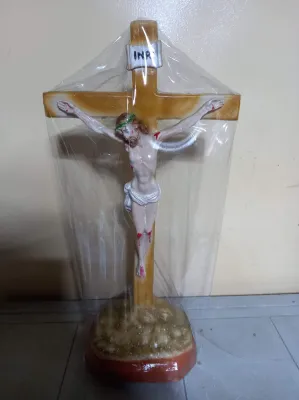
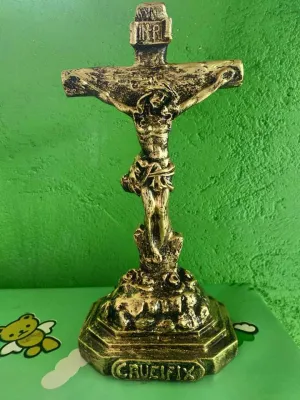
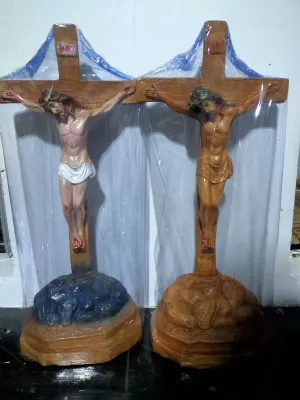
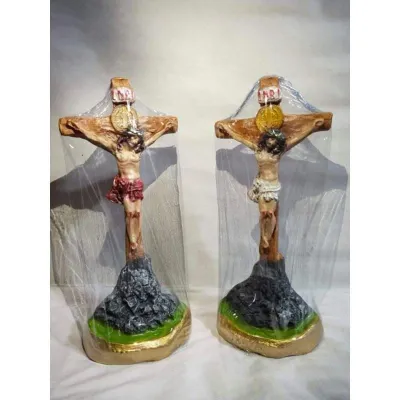
Prices are valid at publication and may change. Please refer to the product page for the latest price.
Moisture resistance is equally critical. The Philippine climate features prolonged rainy seasons and high humidity levels that rarely drop below 70 percent. Under these conditions, porous or poorly sealed materials absorb ambient moisture. This absorption leads to swelling, warping, and the rapid colonization of mold, mildew, and black algae. A high-quality outdoor stand must feature a non-porous surface or be treated with a hydrophobic sealant that sheds water immediately.
If you select a crucifix stand with integrated illumination, such as solar-powered or low-voltage LED lights, you must verify additional technical specifications. Check the voltage compatibility, base or bulb interface, wattage limits, and whether the system carries an outdoor electrical safety certification (such as an IP65 or IP67 rating for wet environments). For any fixed electrical wiring installations in damp garden areas, always isolate the power source before handling, strictly follow the manufacturer’s installation instructions, and consult a qualified professional electrician to ensure compliance with local electrical codes. Remember that lighting aesthetics, such as perceived color temperature (warm white versus cool white) or the resulting spatial effect on your garden, are conditional personal preferences rather than universal performance metrics.
Finally, physical stability is paramount. A crucifix stand is a vertical structure that naturally catches the wind. To prevent tipping, the stand must possess a low center of gravity and a wide, substantial base. The base weight must be sufficient to support the height and wind load of the attached crucifix. When evaluating a stand, look at the ratio of base width to overall height; a wider, heavier footprint ensures the assembly remains upright during sudden afternoon thunderstorms or gusty winds.
Best Material Types for Humid and Sunny Gardens
Choosing the right material is the most critical decision when selecting an outdoor crucifix stand. Each material class offers distinct advantages, specific structural checkpoints, and practical limitations that you must weigh against your garden’s layout, budget, and local weather exposure.

Cast Stone and Concrete Bases
Cast stone and concrete are traditional favorites for religious garden displays due to their classic, monumental aesthetic and exceptional durability. These heavy masonry materials are created by pouring a mixture of cement, aggregates, and water into detailed molds, resulting in a dense, solid structure.
- Advantages: The primary advantage of cast stone and concrete is their immense weight, which provides unmatched wind resistance. A heavy concrete base is highly unlikely to tip over, even during severe weather, making it an excellent foundation for larger crucifixes. Over time, these materials develop a beautiful, natural patina as they interact with the elements, allowing the stand to blend seamlessly into lush garden landscapes, surrounded by ferns, caladiums, or flowering shrubs.
- Checkpoints: Before purchasing, verify if the cast stone or concrete has been treated with a high-quality penetrating sealer. Unsealed concrete is highly porous and will absorb water during heavy downpours. In tropical climates, this absorbed moisture combined with high heat accelerates the growth of deep-seated black algae, which can be difficult to remove. Additionally, check if the stand features internal steel reinforcement (rebar or mesh). Internal reinforcement is crucial for preventing structural cracking under tension or if the ground shifts slightly over time.
- Limitations: The main limitation of cast stone is its weight. Once placed, these stands are extremely difficult to relocate without specialized equipment or multiple people. If you plan to redesign your garden layout in the future, a massive concrete stand may prove impractical. Furthermore, the porous surface requires regular maintenance to prevent algae and moss from obscuring the intricate details of the design.
Powder-Coated and Galvanized Metal Frames
For a more contemporary, elegant, or traditional wrought-iron look, metal crucifix stands offer high structural strength and clean lines. These stands are typically constructed from steel, wrought iron, or cast aluminum.
- Advantages: Metal stands provide exceptional structural integrity and tensile strength, allowing for slender, graceful designs that do not overwhelm the garden's visual space. They are significantly lighter than cast stone, making them easier to transport and position, yet they remain highly durable when properly treated against the elements.
- Checkpoints: When selecting a metal stand, you must ensure the material is either hot-dip galvanized or coated with a high-quality, outdoor-rated powder finish. Galvanization coats the steel in a protective layer of zinc, preventing rust even if the outer paint layer is damaged. Powder coating involves electrostatically applying a dry powder paint and curing it under heat to create a hard, continuous barrier. Inspect all weld points, joints, and crevices carefully; these are the areas where the protective coating is most likely to be thin or uneven, and any exposed raw metal will rust rapidly in humid maritime air.
- Limitations: The primary limitation of metal stands is their vulnerability to oxidation. If the protective powder coating or galvanized layer is scratched, chipped, or worn down, moisture and oxygen will quickly attack the underlying metal. In coastal areas of the Philippines, salty air accelerates this corrosion process. Consequently, metal stands require periodic inspections and immediate touch-up paint to seal any exposed spots before rust can compromise the structural integrity of the frame.
UV-Treated Resin and Polyurethane
Resin and polyurethane stands represent a modern, highly versatile option for garden displays. These synthetic materials are cast in highly detailed molds, allowing them to replicate the look of carved wood, aged bronze, or polished marble at a fraction of the weight and cost.
- Advantages: Resin is inherently waterproof, meaning it will not rot, rust, swell, or absorb moisture, regardless of how much rain it encounters. This makes it highly resistant to mold and algae growth. Additionally, because resin stands are lightweight, they are incredibly easy to ship, handle, and reposition within your garden as seasons change or during outdoor religious gatherings.
- Checkpoints: The critical checkpoint for any synthetic stand is its UV rating. You must verify that the product is explicitly labeled as "UV-treated," "UV-resistant," or made with UV-stabilized polymers. Without these additives, the intense tropical sun will degrade the plasticizers in the resin, causing the stand to fade, become brittle, and eventually crack or crumble under its own weight.
- Limitations: While the lightweight nature of resin is an advantage for installation, it is a severe liability in windy conditions. A lightweight resin stand can easily be blown over by moderate wind gusts, potentially damaging the attached crucifix. To use a resin stand safely outdoors, you must choose models that feature a hollow base designed to be filled with weight, or implement secure anchoring systems to lock the stand to the ground.
Securing Your Stand Against Strong Winds and Typhoons
The Philippines experiences an average of twenty typhoons per year, making wind stabilization a non-negotiable safety requirement for any outdoor vertical display. Understanding the physics of wind load is essential: a tall crucifix acts like a sail, catching the wind and transferring immense lateral force to the base of the stand. To prevent catastrophic tipping or structural failure, you must employ proactive stabilization techniques.
First, select a stand with a wide, flared base. A broader footprint physically shifts the tipping point outward, requiring significantly more force to overturn the structure. If you are using a hollow resin or polyurethane stand, you must add internal weight to lower its center of gravity. Before final assembly, fill the internal cavity of the base with dry sand, fine gravel, or a poured concrete mix. This simple step adds substantial ballast, transforming a lightweight, vulnerable stand into a highly stable anchor.
For permanent installations on soft ground or garden soil, heavy-duty ground stakes are highly recommended. You can drive long steel J-hooks or spiral ground anchors deep into the earth around the base, securing the stand’s bottom flange to the soil. If the stand is positioned on a concrete patio, tiled area, or stone pathway, you should use masonry anchors. This involves drilling pilot holes into the concrete and securing the stand using expansion bolts or heavy-duty L-brackets. For installations on wooden decks, stainless steel wood screws and L-brackets provide a secure, rust-resistant connection.
In addition to permanent anchoring, you must have a plan for severe weather emergencies. When a typhoon warning is issued, do not rely solely on anchors. For lightweight resin or metal stands, the safest course of action is to temporarily relocate the assembly to a secure indoor location, a garage, or a covered patio. If the stand is too heavy to move easily, carefully detach the crucifix and store it indoors, or lay the entire stand flat on the lawn, sheltered behind a retaining wall or dense shrubbery. This eliminates the wind profile of the structure, preventing it from snapping or being projected by high winds.
Placement, Installation, and Seasonal Maintenance
Proper placement and a structured maintenance routine are vital to extending the lifespan of your outdoor crucifix stand. By selecting the right spot in your garden and performing simple seasonal upkeep, you can protect your investment from premature wear and environmental damage.
Begin by choosing a site with excellent drainage. Avoid low-lying areas of the garden where rainwater pools or puddles persist after a storm. Standing water will accelerate the degradation of sealants on stone, promote rust on metal bases, and encourage mold growth on all materials. Additionally, try to avoid placing the stand directly beneath large trees. Overhanging branches drop acidic sap, leaves, twigs, and bird droppings, all of which can stain the stand’s finish and trap moisture against the surface.
During installation, preparation of the ground is key. Never place a heavy stand directly onto soft, uneven soil, as it will sink unevenly over time, causing the display to tilt. Excavate a shallow area, compact the soil, and lay down a level bed of crushed gravel or pea stones. Alternatively, place a flat, level concrete paving stone on top of the gravel bed to act as a solid foundation. This elevates the base of the stand slightly above the surrounding soil, improving drainage and preventing direct contact with damp earth.
Routine cleaning should be performed every few months to keep the stand looking its best. Use a soft-bristle brush, clean water, and a mild, biodegradable dish soap to gently scrub away dirt, dust, and surface grime. Avoid using high-pressure washers, as the intense water pressure can easily strip away protective powder coatings, chip paint, erode stone sealants, or damage delicate resin details. Never use harsh chemical cleaners, highly acidic solutions, or concentrated bleach, which can chemically react with metal or stone, causing permanent discoloration or surface etching.
Finally, establish a seasonal maintenance checklist to perform before the onset of the heavy rainy season (typically starting around June). Inspect the entire stand for hairline cracks, chips in the paint, or loose structural fittings. If you find any minor cracks in a cast stone base, seal them immediately with an outdoor-rated masonry caulk to prevent water from entering and widening the fissure. For metal stands, apply a rust-inhibiting primer and a matching touch-up paint to any scratched areas. Reapply a clear, UV-resistant penetrating sealer to stone stands every one to two years, as recommended by the manufacturer, to maintain their hydrophobic properties.
Frequently Asked Questions (FAQ)
Can I use an indoor wooden crucifix stand outside if I seal it?
Using an indoor wooden crucifix stand outdoors is highly discouraged, even if you apply multiple coats of high-quality marine-grade varnish or polyurethane sealer. Wood is a highly organic, hygroscopic material that naturally absorbs and releases moisture from the air. In the extreme humidity fluctuations of the Philippines, wood will constantly expand and contract. Over time, this movement causes microscopic cracks to form in any protective sealant layer. Once moisture penetrates the wood, it becomes trapped beneath the sealer, leading to rapid warping, splitting, and internal wood rot. Termites and other wood-boring insects, which thrive in tropical environments, will also target unprotected wooden structures. For exposed garden displays, it is far safer to choose inherently weather-resistant materials like cast stone, concrete, or UV-stabilized resin, reserving wooden stands strictly for climate-controlled indoor spaces or fully enclosed patios.
How do I prevent moss or algae from growing on a stone stand?
In the warm, humid climate of the Philippines, moss and algae thrive on damp, porous surfaces, particularly on cast stone or concrete garden ornaments. To prevent this growth, start by optimizing the placement of your stand. Choose a spot that receives adequate direct sunlight and has good air circulation, as sunlight naturally dries out the surface and inhibits spore germination. Regularly trim back overhanging foliage, shrubs, or tall grasses that cast dense shade or trap moisture around the base. For cleaning existing growth, avoid wire brushes or harsh chlorine bleach, which can erode the stone’s surface, strip protective sealants, and harm surrounding garden plants. Instead, gently scrub the area using a soft-bristle brush and a diluted solution of white vinegar and water, or use a specialized, pH-neutral outdoor stone cleaner. Once clean and completely dry, apply a high-quality penetrating silicone sealer to the stone. This sealer fills the microscopic pores of the masonry, preventing water absorption and making it highly difficult for moss and algae to take root.
Community discussion
Share your experience or ask a question. Comments are reviewed before publication.