
Finding the best outdoor lanterns and torches for your home in the Philippines requires balancing aesthetic appeal with structural resilience. The ideal outdoor lighting setup must withstand intense tropical heat, high humidity, and heavy monsoon rains while providing reliable illumination. To achieve this, homeowners should prioritize fixtures with an Ingress Protection (IP) rating of IP65 or higher for exposed areas, choose durable materials like treated aluminum or UV-stable resin, and match the power source—whether solar, battery, or hardwired—to the specific location and usage needs. By understanding these key factors, you can create a safe, beautifully lit outdoor space that enhances your home’s curb appeal and security.
How to Choose the Right Outdoor Lighting for Your Home
Choosing the right outdoor lighting involves more than just picking a design that matches your home’s exterior. In the tropical climate of the Philippines, environmental factors play a massive role in the performance and lifespan of your fixtures. Homeowners must evaluate technical specifications, power requirements, and material durability to ensure their investment survives the elements.
Weather Resistance and IP Ratings
The Ingress Protection (IP) rating is the most critical specification to check when buying outdoor lighting. This rating consists of two numbers: the first indicates protection against solid objects like dust and insects, while the second indicates protection against liquids. For fully exposed areas such as open gardens, pathways, or unsecured fence lines, look for fixtures with a minimum rating of IP65. This ensures the internal electronics are completely protected against dust ingress and low-pressure water jets from any direction, which is vital during heavy tropical downpours. For semi-covered areas like verandas, balconies, or carports, an IP44 rating may be sufficient, as it protects against splashing water, but verifying the exact exposure level of the installation environment is always recommended before making a purchase.
Products mentioned in this guide
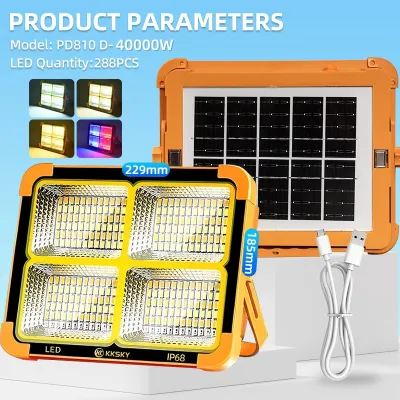
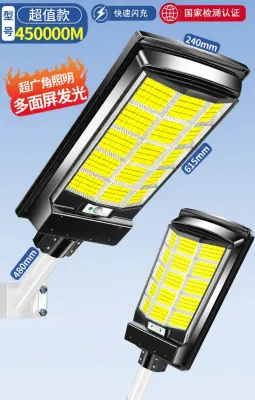
Prices are valid at publication and may change. Please refer to the product page for the latest price.
Power Sources and Energy Efficiency
Selecting the right power source depends on your yard’s layout, sunlight exposure, and existing electrical infrastructure. Solar-powered lanterns are highly popular because they require no electrical wiring, making them incredibly easy to install and move. They operate independently of the electrical grid, which is highly beneficial during local power outages. However, they rely entirely on daily sunlight to charge their batteries. Battery-operated lanterns offer excellent portability for temporary setups, outdoor dining, or emergency use, but they require regular battery replacements or manual recharging, which can become inconvenient for daily use. Hardwired fixtures connect directly to your home’s electrical grid, providing the most reliable, bright, and consistent light output. They are unaffected by weather conditions or battery depletion, but they require permanent electrical conduits and professional installation.
Light Quality: Lumens and Color Temperature
Light quality is defined by brightness and color appearance, both of which affect the functionality and mood of your outdoor space. Brightness is measured in lumens; for security and task lighting near driveways, gates, or dark pathways, look for fixtures that deliver 800 to 1,500 lumens. For decorative accent lighting, such as garden borders or patio corners, a lower output of 100 to 300 lumens is usually ideal to avoid harsh glare. Color temperature, measured in Kelvin (K), determines whether the light appears warm or cool. Warm white light (2700K to 3000K) creates a cozy, relaxing, and welcoming ambiance, making it the preferred choice for patios, decks, and entertainment areas. Cool white light (4000K to 5000K) provides high contrast and sharp visibility, which is highly effective for security pathways and work areas, though the final choice depends entirely on your personal style preferences.
Material Durability in Tropical Climates
The combination of intense tropical sunlight, high humidity, and coastal salt air in the Philippines can quickly degrade low-quality materials. Cheap plastics will rapidly become brittle, discolor, and crack under constant UV exposure. To ensure long-term durability, opt for fixtures constructed from rust-resistant materials such as powder-coated or treated aluminum, marine-grade stainless steel, or UV-stabilized synthetic resins. If your home is located near coastal regions, salt-air corrosion is a major threat that can destroy metal fixtures within a few years. In these environments, high-grade composite materials, heavy-duty brass, or copper are the preferred choices, as they naturally resist the corrosive effects of salt and moisture.
Best Solar-Powered Lanterns for Gardens and Pathways
Solar-powered lanterns offer an eco-friendly, energy-efficient, and highly flexible way to illuminate your garden and pathways without adding to your monthly electricity bill. Because they operate independently of your home’s main power grid, they are incredibly easy to deploy across your landscape.

Ideal Placements for Solar Fixtures
Solar lanterns are best suited for areas where running electrical wiring is difficult, unsafe, or prohibitively expensive. Garden beds, winding walkways, lawn borders, and distant fence lines are perfect locations. Because these fixtures do not require trenching or conduit installation, they preserve your existing landscaping and allow you to easily reposition the lights as your garden grows or as you rearrange your outdoor decor. They are also excellent for temporary decorative setups during outdoor parties or family gatherings.
Key Features to Evaluate
When evaluating solar lanterns, pay close attention to the design of the solar panel. Some fixtures feature integrated panels on top of the light housing, while others come with a separate panel connected by a wire. Separate panels are highly advantageous because they allow you to place the lantern itself in a shaded garden bed or under a porch while mounting the solar panel on a nearby wall or roof that receives direct sunlight. Additionally, verify the battery capacity, which is typically measured in milliampere-hours (mAh). A higher battery capacity combined with an efficient LED bulb ensures that the lantern can remain illuminated for eight to ten hours on a single charge.
Managing Local Environmental Limitations
While solar lighting is highly convenient, homeowners in the Philippines must manage expectations during certain times of the year. During the monsoon season, which typically runs from June to November, consecutive days of heavy cloud cover and torrential rain will limit the amount of sunlight reaching the solar panels. This results in significantly shorter runtimes and dimmer light output at night. Furthermore, shading from dense tropical foliage, such as mango trees, palms, or large ornamental plants, can block sunlight even on clear days. To mitigate this, ensure your solar panels are positioned in areas that receive at least four to six hours of unshaded, direct sunlight daily, or consider hybrid fixtures that offer USB charging as a backup option.
Maintenance and Care Practices
Regular maintenance is essential to keep your solar lanterns operating at peak efficiency. Dust, dirt, pollen, and fallen leaves can quickly accumulate on the solar panel’s surface, blocking sunlight and reducing its charging capacity. Wipe the panels clean at least once a month using a soft, damp microfiber cloth. Avoid using harsh chemical cleaners, abrasive pads, or rough brushes, as these can scratch the protective glass or plastic casing of the panel, permanently reducing its ability to absorb sunlight. Additionally, inspect the light housing periodically to ensure no water has bypassed the seals, and dry any internal condensation immediately.
Best LED Flame Torches for Ambiance and Perimeter Lighting
LED flame torches have become a highly popular choice for homeowners looking to add a touch of dramatic flair and warm ambiance to their outdoor spaces. These fixtures use advanced LED technology to mimic the natural movement of a real fire, providing a dynamic visual effect without the safety hazards associated with open flames.
Best Use Cases for Flame Effects
LED flame torches are highly effective at creating a resort-like atmosphere in your backyard. They are ideal for flanking entrance gates, lining the perimeter of swimming pools, or accenting outdoor patios and dining areas. The flickering motion of the simulated flame adds visual depth to your landscape, drawing the eye to specific focal points and making your outdoor areas feel more dynamic and alive during the evening.
Design Variations: Stakes vs. Sconces
These fixtures are generally available in two primary design variations: stake-mounted and wall-mounted. Stake-mounted solar torches offer maximum flexibility; you can simply push them into the soil along your garden paths or lawn borders, and move them whenever you wish to change your landscape layout. Wall-mounted sconces, on the other hand, provide a more permanent architectural accent. These can be hardwired into your home’s electrical system, offering a steady power supply and consistent brightness regardless of daily weather patterns or battery charge levels.
Safety and Compliance Considerations
Traditional bamboo torches that use kerosene or open flames present significant fire hazards, especially when placed near dry tropical vegetation, wooden decks, or traditional nipa huts. LED flame torches eliminate these risks entirely, making them safe to use around children, pets, and flammable materials. However, you must still ensure that any selected fixture is explicitly certified for outdoor use. Check that the product housing is tightly sealed against moisture and that any electrical connections are properly insulated to prevent short circuits and electrical hazards.
Maximizing Visual Impact and Security
While LED torches are primarily decorative, their movement and warm glow also contribute to home security. Illuminating the dark outer boundaries of your property makes it more difficult for intruders to approach unseen. To maximize this effect, space the torches evenly along your property line or fence, ensuring there are no large, unlit gaps between the fixtures.
Best Hardwired Lanterns for Porches and Main Entrances
For primary architectural lighting that requires reliable, high-output illumination, hardwired lanterns are the gold standard. These permanent fixtures connect directly to your home’s main electrical grid, ensuring they operate consistently regardless of weather conditions or battery levels.
Optimal Locations for High-Output Lighting
Hardwired lanterns are best suited for areas where high visibility and security are paramount. The front porch, garage exteriors, and covered verandas are the most critical locations. These areas require consistent, high-lumen lighting to ensure safe entry and exit, facilitate key-finding, and deter potential intruders. Well-lit entrances also create a warm and welcoming first impression for guests.
Professional Installation Boundaries
Working with fixed electrical wiring presents serious safety hazards, including electrical shock and fire risks. Before beginning any installation, always isolate the power supply by turning off the main circuit breaker. Because outdoor installations must withstand moisture and comply with the Philippine Electrical Code (PEC), it is highly recommended to hire a licensed electrician. A professional will ensure that all junction boxes are weatherproof, conduits are properly sealed, and the fixtures are safely grounded.
Bulb Compatibility and Smart Integration
When selecting a hardwired lantern, always verify its voltage compatibility, which is standard 220V in the Philippines. Check the manufacturer’s instructions for the maximum wattage limit to avoid overheating the fixture. Many modern lanterns utilize the standard E27 screw-type base, allowing you to choose from a wide variety of LED bulbs. If you want to integrate smart bulbs for automated scheduling, dimming, or motion sensing, ensure the lantern’s housing does not interfere with wireless signals or block the bulb’s built-in sensors.
Style Matching and Architectural Alignment
The design of your entrance lanterns should complement your home’s architectural style. For modern minimalist homes, look for sleek geometric fixtures with matte black or brushed metal finishes. For traditional, colonial, or Mediterranean-style homes, classic carriage lanterns with clear glass panels and brass or wrought-iron details work beautifully. Consider the proportions of the fixture relative to your front door; a lantern that is too small can look lost, while one that is too large can overwhelm the entryway.
Quick Comparison: Matching Power Sources to Your Outdoor Space
To help you decide which lighting type is best for your specific outdoor areas, compare the three primary options across key performance and installation dimensions.
| Fixture Type | Installation Effort | Brightness Output | Maintenance Level | Best Application |
|---|---|---|---|---|
| Solar Lanterns | Very Low (No wiring required) | Low to Medium (Decorative/Accent) | Low (Regular panel cleaning) | Garden beds, walkways, lawn borders |
| LED Flame Torches | Low (Stake-mounted solar options) | Low (Ambiance/Decorative) | Low (Panel cleaning/battery check) | Pool perimeters, patio borders, gates |
| Hardwired Lanterns | High (Requires licensed electrician) | High (Security/Task lighting) | Very Low (Occasional bulb replacement) | Front porches, garage exteriors, verandas |
Use this table to match your lighting goals with your home’s layout. If you need reliable, high-output security lighting for your front entrance, hardwired lanterns are the clear choice. If you want to add quick, flexible accent lighting to your garden paths without the hassle of running wires, solar lanterns or stake-mounted LED torches are ideal.
Installation and Safety Guidelines for Outdoor Fixtures
Proper installation and regular maintenance are crucial to ensuring the safety, performance, and longevity of your outdoor lighting fixtures. Neglecting safety guidelines can lead to electrical hazards, water damage, or premature fixture failure.
Electrical Safety and Professional Help
While simple solar and battery-operated fixtures are perfectly safe for DIY installation, any project involving fixed electrical wiring requires professional expertise. Running underground conduits, installing outdoor GFCI (Ground Fault Circuit Interrupter) outlets, or connecting new fixtures to your home’s main breaker panel must be left to a licensed electrician. Always prioritize safety by verifying that the power is completely shut off at the main breaker before inspecting or working on any electrical connections.
Mounting Considerations and Water Prevention
When mounting heavy hanging lanterns or wall sconces, ensure the mounting surface can support the fixture’s weight, especially when exposed to strong winds during typhoon season. Use weather-resistant silicone caulk around the top and sides of wall-mounted brackets to prevent rainwater from seeping behind the fixture and entering the electrical box. Always leave the bottom of the bracket uncaulked to allow any condensation or trapped moisture to drain out safely.
Routine Upkeep and Gasket Inspection
To maintain the weather resistance of your fixtures, perform a routine inspection at least once a year. Turn off the power before cleaning, and wipe down glass panels with a mild, non-abrasive soap solution to remove dirt and grime. Check the rubber seals and gaskets for any signs of cracking, dry rot, or wear caused by the intense tropical heat. Replace any damaged gaskets immediately to prevent water ingress, which can cause short circuits and permanently damage the fixture’s internal components.
Frequently Asked Questions (FAQ)
Do solar lanterns work effectively during the Philippine rainy season?
Yes, solar lanterns will still work during the rainy season, but their performance will be reduced. Consecutive overcast days limit the amount of direct sunlight the solar panels receive, resulting in shorter runtimes and dimmer light output at night. To ensure reliable performance during the monsoon months, look for solar lanterns with high-capacity batteries, separate adjustable solar panels that can be angled toward the open sky, or hybrid models that allow for manual USB charging as a backup.
What IP rating is required for outdoor torches exposed to direct rain?
For outdoor torches that are fully exposed to direct, driving rain, a minimum rating of IP65 is highly recommended. An IP65 rating ensures the fixture is completely dust-tight and protected against water jets from any angle. For fixtures placed in semi-covered areas, such as under a porch or a deep roof overhang, an IP44 rating may be sufficient, but fully exposed garden beds and pool perimeters require the higher protection level of IP65 or higher to withstand heavy tropical downpours.
Community discussion
Share your experience or ask a question. Comments are reviewed before publication.