
Planning a beautiful landscape does not end with choosing the right plants and paving materials; selecting the right outdoor lighting is essential to bring your garden to life after sunset. In the tropical climate of the Philippines, where warm evenings invite us to spend more time outdoors, a well-designed lighting scheme transforms your yard into an extended living space. However, illuminating a garden is not a one-size-fits-all task. Different areas of your yard serve different purposes, and each requires a specific type of fixture to balance safety, functionality, and aesthetic appeal.
By matching the right light source to each specific zone—from walkways and flower beds to seating areas and vertical architectural features—you can create a cohesive, inviting, and secure nighttime environment. This guide breaks down the best lighting options for every corner of your yard, ensuring your outdoor space remains beautiful, usable, and safe throughout the year.
Quick Guide to Garden Lighting by Zone
To quickly identify the most effective fixtures for your yard, it helps to view your landscape as a series of distinct functional zones. Each zone has unique lighting requirements based on how you use the space and the physical characteristics of the area. Below is a quick-reference summary mapping primary garden zones to their ideal lighting fixtures:
Products mentioned in this guide
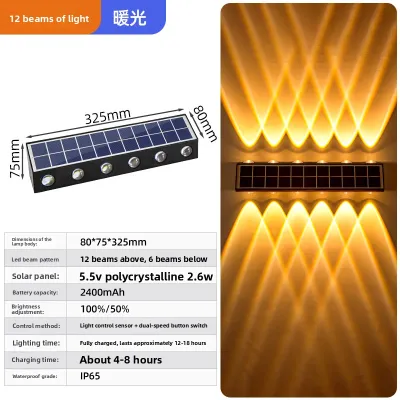
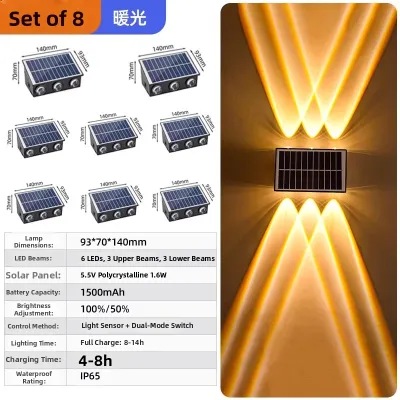
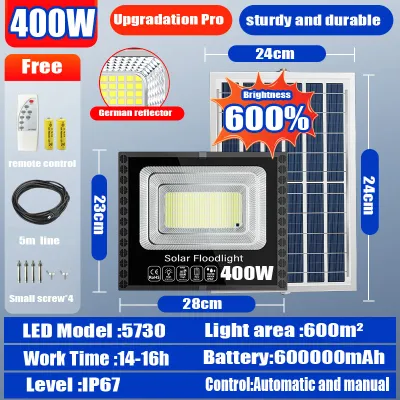
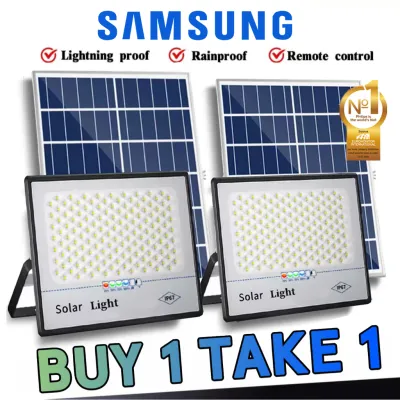
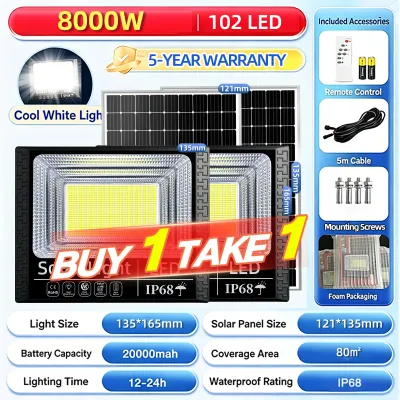
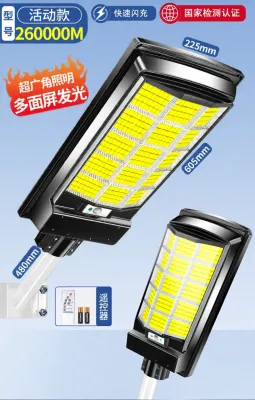
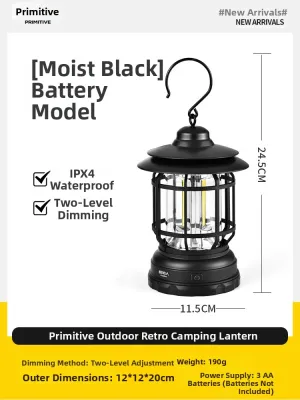
Prices are valid at publication and may change. Please refer to the product page for the latest price.
| Garden Zone | Best Fixture Type | Primary Purpose | Key Benefit |
|---|---|---|---|
| Walkways & Driveways | Pathway lights, bollards, step lights | Safe navigation and step visibility | Prevents trips and falls without blinding glare |
| Flower Beds & Foliage | Well lights, low-profile accent lights | Highlighting plant textures and borders | Creates depth and hides the light source |
| Seating & Dining Areas | String lights, lanterns, dimmable pendants | Ambient warmth and relaxing atmosphere | Enhances comfort for social gatherings |
| Trees & Vertical Walls | Spotlights, wall wash fixtures | Architectural drama and security | Accents height and establishes property boundaries |
Matching the fixture directly to the zone ensures that you achieve the desired visual effect while avoiding common mistakes like over-illumination, harsh glare, or unnecessary light pollution.
Understanding Core Landscape and Outdoor Lighting Types
Before selecting fixtures for specific areas, it is important to understand the primary tools available in landscape lighting. Outdoor fixtures are engineered to direct light in specific ways, and knowing how they distribute light helps you choose the right tool for the job.

Pathway and Area Lights
Pathway and area lights are designed primarily for ground-level illumination. These fixtures, which include bollards and stake lights, typically stand between 12 to 24 inches tall. They feature a top cap or shield that directs light downward and outward, casting a pool of illumination onto the walking surface. This downward distribution is crucial because it prevents the light source from shining directly into your eyes as you walk, ensuring safe navigation without causing temporary blindness or discomfort.
Spotlights and Accent Lights
Spotlights and accent lights are highly directional fixtures used to draw attention to specific focal points in your yard. Spotlights produce a narrow, concentrated beam of light (typically 15 to 30 degrees) that is ideal for highlighting tight vertical features like tree trunks, columns, or garden sculptures. Accent or wash lights, on the other hand, feature a wider beam angle (45 degrees or more) designed to cast a soft, even glow across broader surfaces, such as dense shrubbery, stone walls, or privacy fences.
String and Decorative Lights
String lights, fairy lights, and outdoor-rated lanterns are the ultimate tools for creating ambiance. Unlike spotlights or pathway lights, which serve highly functional safety or accenting roles, decorative lights are designed to provide a soft, low-intensity glow that mimics the warmth of candlelight or starlight. These fixtures are primarily used to establish a mood, define social spaces, and add visual warmth to outdoor dining and lounging areas rather than providing high-visibility task lighting.
Lighting Your Walkways and Driveways
Walkways, driveways, and entry paths are the most high-traffic areas of your yard, making safety the absolute priority. Properly illuminating these paths ensures that family members and guests can navigate changes in elevation, steps, or curves without tripping.
When positioning pathway lights, avoid the common mistake of placing them in a straight, closely packed line directly opposite one another. This layout creates a harsh, institutional “airport runway” effect that detracts from the natural beauty of your landscape. Instead, stagger the fixtures on alternating sides of the path, spacing them roughly 6 to 8 feet apart. This staggered arrangement provides continuous, overlapping pools of light that guide the eye naturally down the path while maintaining a soft, organic aesthetic.
Ensure that the fixtures you choose have built-in shields or cowls to direct light downward toward the ground. Exposed bulbs or unshielded fixtures can cause blinding glare, which actually makes it harder to see the path ahead. Additionally, because pathway lights are placed close to the ground, they are highly vulnerable to moisture from lawn sprinklers, heavy tropical rains, and wet soil. Always verify that any pathway fixture you install carries an appropriate wet-location rating to prevent water ingress and premature electrical failure.
Highlighting Flower Beds and Garden Features
Flower beds, rock gardens, and low-lying foliage offer a wonderful opportunity to add depth and texture to your yard at night. The goal here is to highlight the natural beauty of your plantings without making the light fixtures themselves the center of attention.
Well lights are an excellent choice for flower beds because they are designed to be recessed flush with the ground. This allows them to remain completely hidden among low-growing tropical plants, such as broad-leafed philodendrons or colorful caladiums, during the day. At night, they cast a dramatic upward glow that highlights the undersides of leaves and branches, creating beautiful silhouettes. For raised garden beds or dense shrubbery, low-glare accent lights or small spotlights can be positioned slightly above the ground on stakes to cast a gentle downward or cross-light effect.
When lighting plant beds, it is crucial to use lower-lumen bulbs (typically between 80 and 150 lumens) and carefully adjust the beam angles. High-intensity, unshielded lights can scorch delicate foliage, disrupt the natural photoperiodism of your plants, and create harsh glare that spills into your neighbors’ yards. By keeping the light soft and focused inward, you preserve the natural nighttime ambiance of your garden while respecting your neighbors’ privacy.
Creating Ambiance in Seating and Dining Areas
Your patio, deck, or veranda is the social heart of your outdoor space. Whether you are hosting a family barbecue or relaxing with a book on a warm evening, the lighting in these seating and dining areas should be warm, inviting, and highly adaptable.
To achieve a cozy, resort-like atmosphere, prioritize warm color temperatures. Light sources in the range of 2700K to 3000K emit a soft, golden-white glow that mimics natural candlelight and promotes relaxation. Overhead string lights (often called bistro or festoon lights) are incredibly popular for open-air seating areas. Hanging them in gentle swags across a pergola or patio frame provides beautiful, even ambient light. For covered verandas, consider adding an outdoor-rated pendant light or placing durable, weather-resistant lanterns on side tables.
Because social activities vary, installing dimmers is highly recommended. Dimmable LED drivers allow you to easily transition from bright, functional light for dining to a soft, intimate glow for late-night conversations. However, always verify that your dimming switch is fully compatible with the specific LED bulbs or fixtures you are using to prevent annoying flickering. Furthermore, even if your seating area is covered by a roof, high tropical humidity and wind-driven rain mean that fixtures must carry at least a damp-location rating, while fully exposed areas require wet-rated fixtures.
Illuminating Trees, Walls, and Architectural Elements
Vertical elements like mature trees, stone walls, and the facade of your home provide the structural backdrop of your landscape. Lighting these features adds dramatic scale, visual depth, and an enhanced sense of security to your property.
To light a mature tree, place one or two spotlights near the base of the trunk and aim them upward through the canopy. This uplighting technique highlights the texture of the bark and illuminates the intricate branch structure, creating a stunning focal point. For vertical surfaces like perimeter walls or fences, you can use either “wall washing” or “wall grazing.” Wall washing involves placing fixtures a few feet away from the wall and angling them to create a wide, even distribution of light that softens the surface. Wall grazing, on the other hand, requires placing the light source very close to the wall’s base and directing it straight up, casting deep shadows that emphasize the rough texture of stone or brick.
You can also use shadowing to great effect by placing a spotlight directly in front of an ornamental plant or statue, casting its dramatic silhouette onto a plain wall behind it. When implementing these vertical lighting techniques, always be mindful of light trespass. Ensure that spotlights are angled carefully so that their beams remain strictly within your property boundaries and do not shine directly into your neighbors’ windows or up into the night sky.
Essential Safety, Power, and Installation Considerations for Outdoor Lighting
Before purchasing or installing any outdoor lighting system, it is vital to understand the technical requirements, power sources, and safety protocols necessary to ensure a reliable and hazard-free installation.
Choosing the Right Power Source
Outdoor lighting systems generally operate on one of three power sources: low-voltage, solar, or line-voltage. Low-voltage (12V) systems are the most popular and safest choice for residential landscape lighting. They utilize a step-down transformer to convert your home’s standard 220V electrical current into a safe 12V current. This makes low-voltage systems highly user-friendly, as the cables do not need to be buried deeply and pose no risk of serious electrical shock if accidentally cut.
Solar-powered lights offer the easiest installation since they require no wiring or external power source. They are highly convenient for sunny spots but are heavily dependent on daily sun exposure. In the Philippines, prolonged cloud cover during the rainy season can lead to dim, short-lasting light at night. Line-voltage (220V) systems provide the brightest and most reliable illumination, making them ideal for high-powered security lights or large-scale installations. However, because 220V current carries a high risk of severe shock, line-voltage installations demand strict adherence to electrical codes, deep trenching, armored conduits, and professional execution.
Weatherproofing and Electrical Safety
Because outdoor lighting is constantly exposed to the elements, understanding weatherproofing standards is critical for safety and system longevity. Always check the Ingress Protection (IP) rating of any fixture before buying. The IP rating consists of two numbers: the first indicates protection against solid objects (like dust), and the second indicates protection against moisture. For sheltered outdoor areas like covered porches, an IP44 rating is usually sufficient. However, for fixtures fully exposed to heavy tropical downpours, sprinklers, or wet soil, look for a minimum rating of IP65 or IP67 to ensure complete water resistance.
When installing or maintaining any electrical system, safety must be your top priority. Always isolate the power supply at the main circuit breaker before touching any wires. Use only heavy-duty, UV-resistant cables designed specifically for outdoor burial, and seal all wire connections with gel-filled, waterproof wire connectors to prevent moisture from corroding the copper wires. If your project involves fixed wiring, connecting to the main 220V electrical panel, digging deep trenches, or installing fixtures near water features like swimming pools or garden ponds, stop immediately and consult a licensed professional electrician to ensure compliance with local electrical safety standards.
Frequently Asked Questions (FAQ)
How many lumens do I need for garden pathway lights?
For residential garden pathways, a range of 100 to 200 lumens per fixture is generally ideal. This range provides sufficient brightness to illuminate walking surfaces and potential hazards clearly without creating a harsh, blinding glare that disrupts the peaceful nighttime atmosphere of your yard.
Can I mix different color temperatures in my yard?
To maintain visual cohesion, it is best to stick to a consistent color temperature, such as warm white (2700K to 3000K), across your main landscape areas. However, you can selectively use a slightly cooler temperature (around 4000K) to highlight green foliage or water features, provided these zones are physically separated from your warm-toned seating areas.
Do solar garden lights work well in shaded areas?
Solar garden lights do not perform well in shaded areas. Their internal batteries rely entirely on direct sunlight hitting the solar panel to charge fully. Placing them under dense tree canopies, roof overhangs, or in shaded garden corners will result in very dim light and a significantly reduced operating time at night.
Community discussion
Share your experience or ask a question. Comments are reviewed before publication.