
Finding the best outdoor lights for canopy structures on a condo balcony depends on your space’s specific power layout, building rules, and structural materials. Typically, weather-resistant LED string lights, solar-powered fixtures, and flexible LED strip lights offer the most reliable and visually appealing solutions. When selecting your setup, you must balance aesthetic preferences with safety standards, ensuring all components are rated for outdoor use to withstand tropical weather conditions.
Key Factors for Choosing Outdoor Lights for Canopy Setups
Condominium Regulations and HOA Guidelines
Before purchasing any lighting fixtures, consult your condominium’s administration office or review the homeowner association (HOA) guidelines. Many properties in the Philippines enforce strict rules regarding exterior modifications, visible wiring, and fire hazards. Drilling into common-area structures, such as balcony walls, concrete ceilings, or canopy frames, is frequently prohibited to prevent structural or waterproofing damage. Compliance ensures you avoid fines and maintain the aesthetic uniformity of the building exterior.
Weather Resistance and IP Ratings
The tropical climate of the Philippines presents unique challenges, including heavy monsoon rains, high humidity, and salt-laden air in coastal cities. For canopy installations, prioritize fixtures with an Ingress Protection (IP) rating of IP65 or higher. An IP65 rating ensures the light is dust-tight and protected against water jets from any angle, preventing internal short circuits during severe downpours. Avoid lower-rated fixtures that are only splash-proof, as they will likely fail during typhoon season.
Products mentioned in this guide
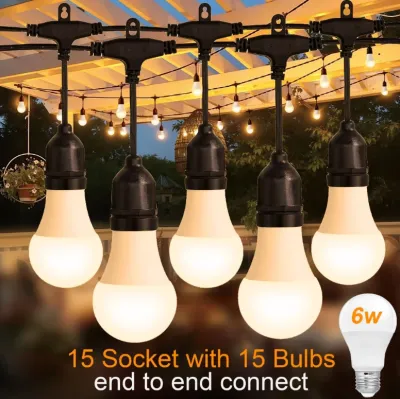
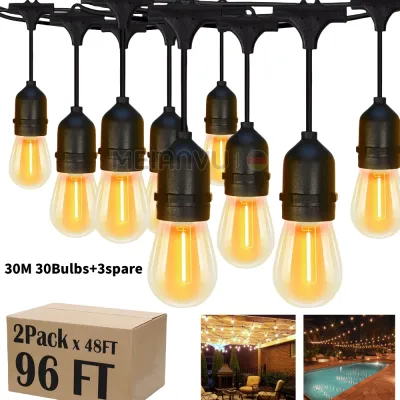
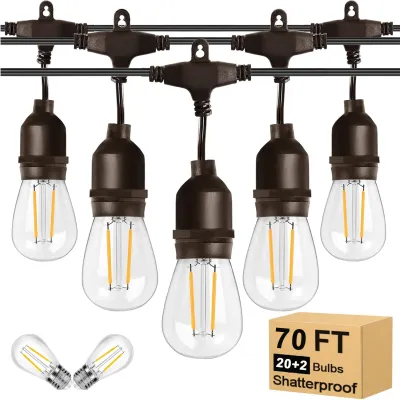
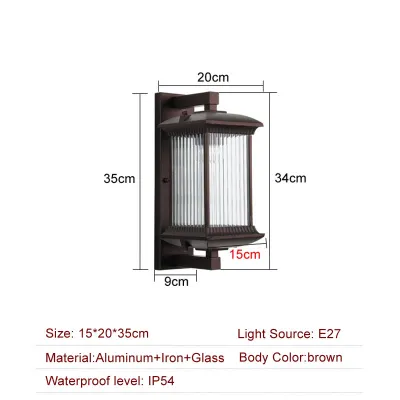
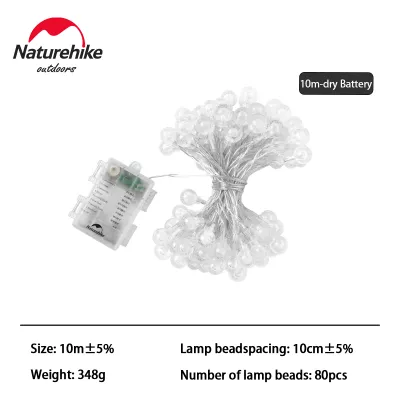
Prices are valid at publication and may change. Please refer to the product page for the latest price.
Power Access and Electrical Safety
Assess the availability of outdoor-rated electrical outlets on your balcony. If your balcony lacks a weatherproof outlet, you must determine whether you will use battery-operated, USB-rechargeable, or solar-powered systems, or if you can safely route power from indoors. Never run standard indoor extension cords through open sliding doors permanently, as this can pinch the cord, damage the insulation, and create a severe fire or shock hazard.
Canopy Material Compatibility
The material of your balcony canopy—whether it is a powder-coated metal frame, a fabric awning, or a rigid polycarbonate sheet—dictates how you can mount your lights. Adhesives tend to degrade rapidly under intense tropical heat and humidity, making them unreliable on rough or fabric surfaces. Conversely, metal frames are ideal for tension-based clips or heavy-duty zip ties, which secure the lights without compromising the material’s integrity.
Electrical Standards and Certification
In the Philippines, the standard voltage for residential properties is 220V at 60Hz. When purchasing plug-in lights, verify that the voltage rating matches this standard to prevent overheating or immediate product failure. Additionally, look for products certified with the Philippine Standard (PS) mark or Import Clearance Certificate (ICC) sticker. These labels prove the product has undergone rigorous testing for electrical safety and fire prevention.
String Lights: Best for Draping and Ambient Glow
Aesthetic Appeal and Spatial Effect
String lights are a classic choice for creating a warm, inviting, and relaxed outdoor living space. Draping them gracefully along the perimeter of your canopy frame or weaving them through overhead support beams softens the hard angles of condo architecture. This layout provides a diffused, ambient glow that is perfect for evening relaxation or casual entertaining without causing harsh glare.

Color Temperature Preferences
The choice of color temperature is a subjective design preference that shapes the mood of your balcony. Warm white bulbs (typically 2700K to 3000K) evoke a cozy, intimate atmosphere reminiscent of a cafe, making them highly popular for leisure spaces. Cool white or daylight bulbs (4000K to 5000K) offer a brighter, more modern look that improves visibility, though they may feel less relaxing during late-night hours.
Bulb Material and Durability
For safety and longevity, select string lights featuring shatterproof LED or heavy-duty plastic bulbs rather than traditional glass. Balconies in high-rise buildings are frequently subjected to strong wind gusts, especially during the monsoon season. Plastic or polycarbonate bulbs will not shatter if they sway and strike the canopy frame, concrete walls, or tile flooring, minimizing cleanup hazards and maintaining electrical safety.
Power Options and Wattage Limits
Plug-in string lights offer consistent, reliable brightness and do not require battery monitoring, making them ideal if you have a dedicated outdoor outlet. If you lack an outdoor plug, USB-powered or battery-operated string lights provide excellent flexibility, though they require regular recharging or battery replacement. When selecting plug-in models, verify that the total wattage of the connected strings does not exceed the limit of your outlet, extension cord, or the manufacturer’s maximum run limit.
Limitations and Safety Precautions
High winds can easily tangle loosely draped string lights, putting physical strain on the wiring and connection points. Always secure the cords at regular intervals using non-damaging, UV-resistant fasteners to prevent excessive movement. Additionally, avoid overloading a single circuit by daisy-chaining too many light sets together; always check the manufacturer’s maximum run limit before connecting multiple strings.
Solar Lights: Best for Wire-Free Balconies
Solar Panel Placement Challenges
Solar-powered lights offer an excellent, energy-efficient solution for balconies without outdoor electrical outlets, but their performance depends entirely on solar panel placement. Because a balcony canopy naturally shades the space underneath, positioning a solar panel directly under the canopy will prevent it from charging. To ensure proper operation, choose solar systems with a detachable solar panel on a long cord, allowing you to mount the panel on the outermost edge or roof of the canopy where it can receive direct, unobstructed sunlight for several hours daily.
Recommended Solar Fixture Types
Hanging solar pendants or lanterns are ideal for creating focused ambient zones over a balcony seating area or small table. Alternatively, clamp-on solar spotlights can be attached directly to the canopy frame, allowing you to direct light downward or focus it on specific decorative elements like potted plants. These self-contained systems eliminate the need for complicated wiring and operate automatically from dusk to dawn.
Weather and Seasonal Performance Limits
In the Philippines, solar light performance varies significantly between the sunny dry season and the wet monsoon season. During prolonged periods of heavy rain or dense overcast skies, the solar panel may not receive enough sunlight to fully charge the internal battery. This results in dimmer light, shorter operating times, or failure to turn on. Keep these seasonal fluctuations in mind if you rely on solar fixtures as your primary source of balcony illumination.
Maintenance and Cleaning Requirements
To maintain optimal charging efficiency, clean the solar panel’s surface regularly. Urban environments in the Philippines often accumulate dust, soot from vehicle emissions, and pollen, which form a thin film over the photovoltaic cells. Wiping the panel gently with a damp microfiber cloth every few weeks prevents this buildup from blocking sunlight and ensures the internal battery receives a maximum charge.
LED Strip Lights: Best for Modern Edge Lighting
Modern Architectural Use Cases
LED strip lights are perfect for achieving a sleek, modern, and architectural look on your condo balcony. Mounting these flexible strips along the inner perimeter of the canopy frame or tucked beneath the roof lip creates a clean, uniform wash of light that highlights the structural lines of your balcony. This indirect lighting method illuminates the space evenly without exposing the individual light sources, reducing eye strain and glare.
Weatherproof Silicone and Epoxy Coatings
Due to the high humidity and frequent rain exposure on a balcony, standard indoor LED strips are highly unsuitable. Select strip lights specifically designed for outdoor use, which feature a thick, weatherproof silicone sleeve or an epoxy drip tube rating of IP65 or higher. This protective layer shields the delicate copper circuitry and LED chips from moisture, dust, and oxidation, preventing premature failure or electrical shorting.
Power Supply and Adapter Needs
High-brightness outdoor LED strip lights typically require a stable power supply and a compatible outdoor-rated power adapter. Unlike low-power string lights, these strips often pull more wattage, meaning they must be plugged into a secure, GFCI-protected outdoor outlet. Ensure that the power brick or transformer is also housed in a weatherproof enclosure if it is exposed to the elements, as many standard adapters are only water-resistant, not fully waterproof.
Adhesion Challenges in Tropical Climates
Most LED strips come with pre-applied double-sided adhesive tape, but this backing rarely holds up against the intense tropical heat and humidity of the Philippines. Over time, the heat softens the adhesive, causing the strip to sag or peel away from the canopy frame. To prevent this, secure the strips using physical mounting hardware, such as outdoor-rated silicone mounting clips, UV-resistant zip ties, or rigid aluminum channels designed for LED installations.
Quick Comparison: Which Canopy Light Fits Your Balcony?
Choosing the right lighting type depends on your balcony’s layout, power availability, and aesthetic goals. The table below summarizes the key differences between the three primary options to help you make an informed decision.
| Light Type | Best For | Power Source | Installation Difficulty | Weather Resilience |
|---|---|---|---|---|
| String Lights | Warm, cozy, and draped ambient lighting | Plug-in, USB, or battery | Easy (requires hooks/ties) | Moderate to High (choose IP65+) |
| Solar Lights | Wire-free setups on sunny balconies | Solar panel & rechargeable battery | Very Easy (no wiring needed) | High (dependent on sun exposure) |
| LED Strip Lights | Modern, clean architectural edge lighting | Plug-in (requires outdoor adapter) | Moderate (requires mounting clips) | High (requires silicone sleeve) |
How to Install Canopy Lights Without Drilling
Approved Fasteners for Damage-Free Mounting
To comply with strict condominium rules and preserve your balcony’s structural integrity, utilize non-destructive mounting methods. For metal canopy frames, heavy-duty, UV-resistant outdoor zip ties are an exceptionally secure and reversible option that can withstand strong winds. On smooth, non-porous surfaces like polycarbonate sheets or painted metal, outdoor-rated adhesive hooks (specifically designed to resist UV rays and moisture) provide a reliable hold without damaging the finish.
Clamp-On and Clip-On Fixtures
If you want to avoid adhesives entirely, consider clip-on or clamp-on utility fixtures. These lights feature adjustable spring clamps or screw-on brackets that grip the canopy frame tightly, allowing you to position and adjust the light angle easily. When you move out or decide to change your layout, you can simply unclamp the fixtures without leaving any residue, scratches, or holes behind.
Mounting Materials to Avoid
Never use nails, screws, standard indoor double-sided tape, or hot glue to secure your outdoor lights. Drilling screws or driving nails into a canopy frame can compromise its structural strength, puncture waterproofing layers, and void the manufacturer’s warranty. Standard indoor tapes and hot glue will melt or degrade rapidly under the tropical sun, causing your lighting fixtures to fall and break, creating safety hazards on your balcony floor.
Installation Safety and Verification
Before applying any adhesive, tension mount, or fastener, always check the care and maintenance instructions provided by your canopy’s manufacturer. Always isolate the power supply by unplugging the cords or turning off the circuit breaker before mounting, adjusting, or cleaning your lights. If your installation requires running fixed wiring, working at extreme heights, or modifying your home’s electrical panel, stop and consult a qualified, licensed electrician to ensure the installation is safe and compliant with local building codes.
Frequently Asked Questions (FAQ)
Can I use indoor string lights on my balcony canopy?
No, you should never use indoor-rated string lights on an outdoor balcony canopy. Indoor lights lack the necessary weatherproofing, moisture seals, and UV-resistant insulation required to withstand outdoor elements. When exposed to rain, high humidity, or morning dew, moisture can easily penetrate the bulb sockets or wire insulation, leading to short circuits, electrical shocks, or fire hazards. Always verify that any lighting product you install outdoors is explicitly labeled for outdoor use and carries an appropriate IP rating.
How do I power canopy lights if my balcony has no outdoor outlet?
If your balcony lacks an outdoor electrical outlet, you have several safe alternatives to power your canopy lights. You can opt for solar-powered lights with a detachable panel positioned to catch direct sunlight, or use battery-operated fixtures that utilize rechargeable batteries. Another option is to use low-voltage LED string or strip lights powered by a high-capacity, outdoor-rated portable power bank housed in a weatherproof silicone case. Never run a standard indoor extension cord through a closed window or door, as pinching the cord can damage the wires and create an electrical hazard; if you must route power from indoors, use a flat, heavy-duty, outdoor-rated cable specifically designed for window gaps, and ensure it is disconnected when not in use.
Community discussion
Share your experience or ask a question. Comments are reviewed before publication.