
Selecting the best solar christmas lights outdoor options for your home in the Philippines means finding products that balance weather resistance, battery capacity, and physical length to withstand the tropical climate. While traditional plug-in lights remain popular, solar-powered alternatives have become the go-to choice for outdoor holiday displays. These lights offer an energy-efficient, safe, and highly flexible way to illuminate your garden, patio, or roofline without increasing your monthly electricity bill or requiring complex outdoor wiring.
To get the most out of your holiday display, you must understand how to evaluate solar panel specifications, battery capacities, and waterproof ratings. Because solar lights rely entirely on the energy they harvest during the day, choosing the right specifications ensures your home stays bright throughout the night, even during the unpredictable weather of the late-season months. This guide covers everything you need to know to make an informed purchase and keep your outdoor display running safely.
Why Solar Christmas Lights Outdoor Setups Are Ideal for Philippine Homes
The Philippine holiday season is famously long, beginning as early as September with the start of the “Ber” months and lasting well into January. Decorating early means running outdoor lights for several hours every night for up to five months. Traditional incandescent or even standard plug-in LED lights can significantly inflate household utility bills during this extended period. Switching to solar-powered options completely eliminates the operating cost of holiday lighting, as they draw all their energy directly from the sun during the day.
Products mentioned in this guide
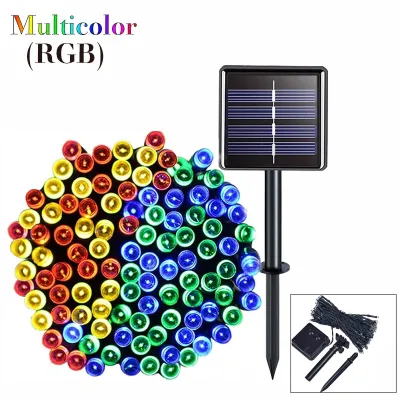
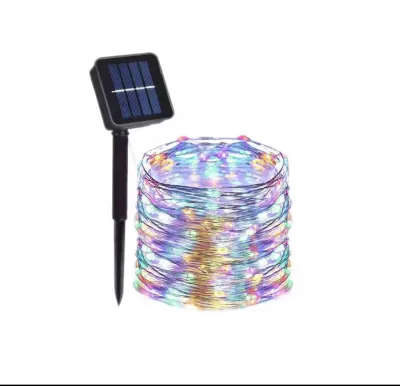
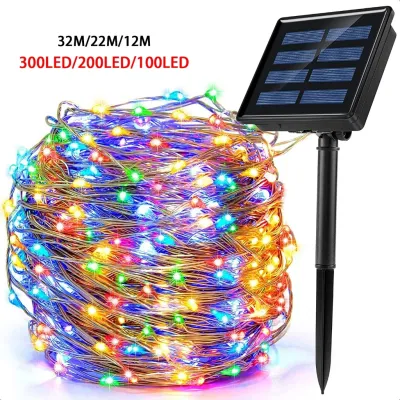
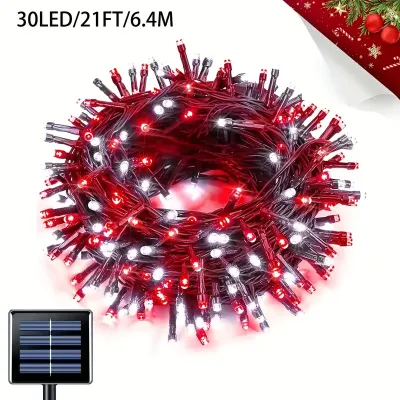
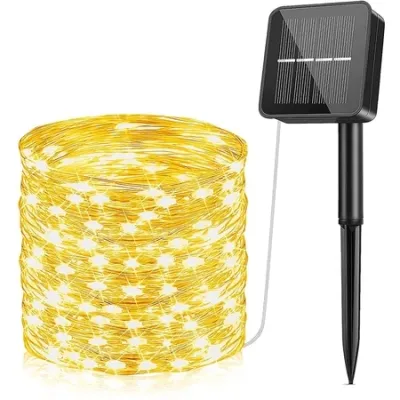
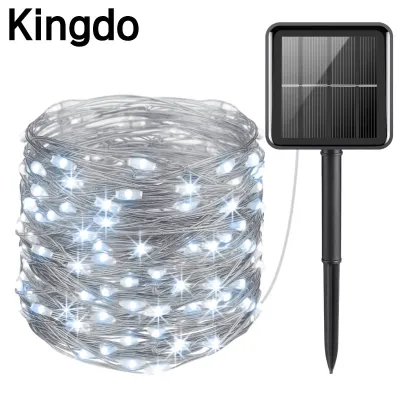
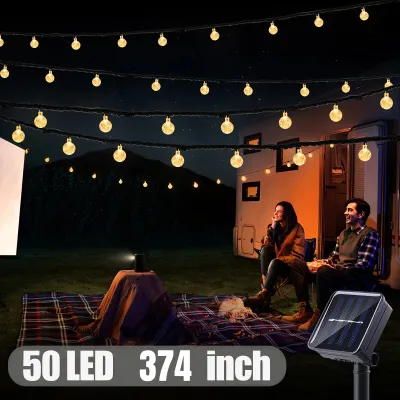
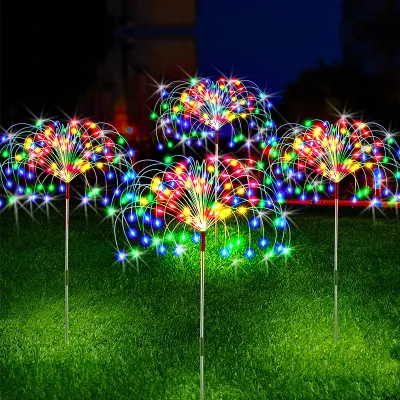
Prices are valid at publication and may change. Please refer to the product page for the latest price.
Beyond cost savings, solar lights offer unparalleled installation flexibility. Philippine homes often feature expansive gardens, high perimeter walls, or front gates that are far from the nearest electrical outlet. Running long extension cords across lawns or driveways is not only inconvenient but also presents a major tripping hazard. Solar-powered systems operate independently of the grid, allowing you to decorate remote trees, fences, and pathways without worrying about reaching a power source.
Safety is another critical factor, particularly in a tropical climate. The holiday season in the Philippines often overlaps with the tail end of the rainy season, bringing sudden downpours and high humidity. Running 220V mains-powered extension cords across wet grass or hanging them from damp trees poses a serious risk of electrical short circuits, shocks, or fire hazards. Solar lights operate on low-voltage direct current (typically between 1.2V and 5V), making them inherently safer for outdoor wet environments.
Essential Features to Check Before Buying
To ensure your solar holiday lights perform reliably, you must look beyond attractive packaging and evaluate the technical specifications. Not all solar lights are built the same, and understanding these core components will help you choose a durable, high-performing product.

Brightness, Lumens, and LED Count
When shopping for solar lights, do not rely on vague marketing terms like “super bright.” Instead, check the manufacturer’s specifications for the actual lumen output and the total LED count. Lumens measure the total amount of visible light emitted by a source. For decorative string lights, individual bulbs typically emit between 2 to 10 lumens, which is ideal for a soft, festive glow. If you want high-visibility illumination that stands out from a distance, look for strings with a higher lumen rating or a denser concentration of LEDs.
LED count and bulb spacing directly impact the perceived brightness of the light string. A 10-meter string with 100 LEDs will look significantly brighter and more cohesive than a 10-meter string with only 50 LEDs. High-density strings provide a continuous line of light, whereas widely spaced bulbs can look sparse and disjointed. Ensure you verify the ratio of LEDs to the overall length of the wire before making a purchase.
String Length and Spacing
Before purchasing any light string, take precise measurements of the outdoor areas you plan to decorate. Use a flexible measuring tape to determine the length of your roof eaves, fence lines, or the circumference of the tree trunks you want to wrap. Buying too little wire results in an incomplete display, while excessive length can leave you with heavy, dangling bundles of unused lights that are difficult to secure.
Pay close attention to the lead wire length, which is the distance from the solar panel to the first LED bulb. A generous lead wire (ideally 2 meters or more) is essential because it allows you to position the solar panel in a sunny, unobstructed area while the actual lights are draped in shaded spots, such as under a porch, inside a gazebo, or deep within tree branches.
Lighting Modes and Color Options
Modern solar lights often feature multiple lighting modes, ranging from steady-on to various flashing, fading, and twinkling patterns. While flashing modes can add energy to a display, steady-on modes are generally preferred for a clean, classic, and elegant look. Interestingly, flashing modes can also extend the battery runtime on cloudy days, as the LEDs are not drawing continuous power.
Choosing between warm white, cool white, or multicolor options is a matter of personal preference and architectural style rather than a measure of technical performance. Warm white (2700K to 3000K) can create a cozy, classic aesthetic, while cool white (5000K to 6500K) offers high-contrast visibility, and multicolor strings deliver a traditional festive energy. Select the color temperature that best complements your existing outdoor decor and paint scheme.
Weather Resistance and Waterproof Ratings
Because your lights will be exposed to rain, wind, and intense tropical sun, verifying the weatherproofing specifications is non-negotiable. Look for an explicit Ingress Protection (IP) rating on the product packaging. An IP rating consists of two numbers: the first indicates protection against solids (like dust), and the second indicates protection against liquids. For outdoor holiday lights, an IP44 rating is the bare minimum, meaning the lights are splash-proof. However, for the heavy downpours common in the Philippines, an IP65 or IP67 rating is highly recommended, as these units can withstand direct water jets and temporary submersion.
Inspect the physical construction of the light string as well. Cheap, thin wires can easily degrade under constant UV exposure or snap during strong winds. Look for strings featuring thick PVC-insulated wiring or high-quality, multi-strand copper wires protected by a weather-resistant coating. Additionally, check the solar panel housing to ensure it is sealed tightly against moisture and insects, which can easily ruin the internal circuitry.
Furthermore, buyers should verify the battery capacity (expressed in milliampere-hours, or mAh) and the solar panel wattage. A larger battery capacity (such as 1200mAh or higher) paired with a high-efficiency monocrystalline solar panel ensures the system can store enough energy to run for several hours. Always look for recognized electrical safety certifications, such as CE or RoHS, on the packaging to verify that the product has undergone standard quality and safety testing.
Matching Light Styles to Your Outdoor Spaces
Different areas of your home’s exterior require different lighting styles to achieve a balanced and visually appealing holiday display. Matching the right light form factor to the specific space ensures both aesthetic beauty and structural safety.
Fairy and String Lights for Trees and Fences
Fairy lights, featuring tiny LEDs embedded along flexible copper or thin green wires, are incredibly versatile. Their low profile and lightweight design make them ideal for wrapping tightly around tree trunks, weaving through garden bushes, or lining perimeter fences. Because the wire itself is nearly invisible in the dark, the lights appear to float magically in the foliage.
When wrapping trees, start from the base of the trunk and work your way up, keeping the wraps evenly spaced. Be careful not to pull the wires too tight, as natural tree movement in the wind can snap thin conductors. Most importantly, ensure the solar panel is staked in an open lawn or mounted high on a fence post where it will not be shaded by the very leaves and branches you are decorating.
Globe and Patio Lights for Roofs and Gardens
If you want to create a warm, inviting, bistro-style atmosphere in your garden, patio, or outdoor dining area, larger globe or Edison-style solar bulbs are an excellent choice. These bulbs provide a wider radius of illumination than standard fairy lights, making them highly functional for spaces where family members gather during warm holiday evenings.
Because globe light strings feature larger, heavier bulbs and thicker cables, they represent a significant suspended load. They cannot simply be draped over branches or taped to surfaces. Instead, they require sturdy, permanent hanging points. Use secure screw hooks, heavy-duty outdoor mounting tape, or a stainless steel guide wire to support the weight of the string and prevent sagging or snapping.
Safety Warning: When installing lights at heights, such as along roof eaves or high balconies, or when hanging heavier suspended loads like globe lights, always prioritize physical safety. Use a stable, secure ladder, work with a partner, and ensure the mounting hooks or guide wires are rated for the weight of the light string. If your setup involves any integration with fixed household wiring or hybrid power systems, isolate the mains power at the circuit breaker before beginning, and consult a qualified professional electrician to handle the electrical connections.
Icicle and Curtain Lights for Eaves and Balconies
Icicle and curtain lights are designed to hang vertically, creating a dramatic cascading or dripping effect. Icicle lights feature drop strings of varying lengths, making them perfect for lining roof eaves, gutters, and balcony railings to simulate hanging winter ice. Curtain lights feature uniform, long vertical drops, which are ideal for blank outdoor walls, large windows, or patio entryways.
Before purchasing icicle or curtain lights, measure both the horizontal width of the area and the vertical drop distance. Ensure the hanging drops do not drag on wet ground, obstruct walkways, or get caught in screen doors, as this can damage the wire insulation and create tripping hazards. Secure the main horizontal cable tightly at regular intervals to prevent wind from whipping the vertical drops and tangling the strings.
Installation and Care Tips for Tropical Weather
Proper installation and routine maintenance are key to extending the lifespan of your solar Christmas lights, especially when facing the high humidity and intense sunlight of the Philippines.
- Solar Panel Placement: Position the solar panel where it will receive direct, unobstructed sunlight for at least 6 to 8 hours a day. Avoid placing panels under the shadow of roof overhangs, trees, or neighboring walls. In the Philippines, angling the panel slightly toward the south or southwest generally maximizes solar exposure during the late-year months.
- Securing the Lights: Never use metal nails, staples, or tacks to secure your light strings. These can easily pierce the protective plastic insulation, exposing the low-voltage wires to water and causing short circuits or corrosion. Instead, use UV-resistant nylon zip ties, plastic gutter clips, or specialized outdoor adhesive hooks designed for holiday lighting.
- Routine Maintenance: Dust, dirt, pollen, and dried rain spots quickly accumulate on the flat surface of solar panels, creating a barrier that blocks sunlight and reduces charging efficiency. Every two to three weeks, gently wipe the solar panel with a soft, damp microfiber cloth. Avoid using abrasive scrubbing pads or harsh chemical cleaners, which can scratch the protective plastic cover.
- Post-Holiday Storage: When the holiday season ends, take down your lights carefully to avoid stretching the wires. Clean off any outdoor grime, and allow the strings to dry completely before packing them away. Coil the lights loosely around a piece of clean cardboard or a plastic spool to prevent tangling. Store the lights and solar panels in a cool, dry, pest-free indoor space to protect the internal batteries from extreme heat degradation.
Frequently Asked Questions (FAQ)
Do solar Christmas lights work on cloudy or rainy days?
Yes, solar panels can still charge on cloudy or rainy days, but their efficiency is significantly reduced. Because they rely on ambient daylight rather than direct sunlight, the battery will not charge fully. As a result, you should expect the lights to run for fewer hours or appear slightly dimmer during prolonged periods of overcast weather.
How long do outdoor solar string lights stay on at night?
On a full charge (which typically requires 6 to 8 hours of direct sunlight), high-quality solar Christmas lights can run for 8 to 10 hours. However, during the rainy season or on heavily overcast days, the actual runtime may drop to 3 to 5 hours depending on the capacity of the built-in rechargeable battery.
Can I leave solar lights outside all year round?
While high-quality, IP65-rated solar lights are designed to withstand outdoor elements, leaving them exposed to the intense tropical sun, heavy rains, and high humidity of the Philippines year-round will accelerate the degradation of the plastic housing, wire insulation, and battery capacity. Taking them down after the holidays and storing them in a cool, dry place will significantly extend their overall lifespan.
Community discussion
Share your experience or ask a question. Comments are reviewed before publication.