
Selecting the ideal solar lights outdoor for a small condo balcony requires prioritizing fixtures that utilize vertical space, require zero structural drilling, and withstand local weather conditions. String lights, portable lanterns, and railing-mounted sconces are the most effective options for limited outdoor spaces. These styles allow you to create a warm, inviting ambiance without consuming valuable floor area or violating strict condominium property management rules.
What to Consider Before Buying Balcony Solar Lights
Condo balconies have unique physical and administrative constraints that differ significantly from open backyard gardens. Walkways on condo balconies are narrow, often measuring less than a meter in width. Standard floor-standing fixtures can easily block pathways, creating safety hazards and making it difficult to place outdoor furniture like bistro sets. To maintain a functional layout, focus on lighting options that can be suspended, clamped, or placed on existing elevated surfaces.
Before purchasing any outdoor lighting, review your condominium’s tenant handbook or consult the Property Management Office (PMO). Most high-rise developments strictly prohibit drilling into exterior walls, as this compromises the structural integrity of the building’s waterproofing envelope and can lead to severe water ingress during the monsoon season. Modifying or attaching heavy fixtures to metal or glass railings is also heavily regulated to prevent structural damage or accidental falls.
Products mentioned in this guide
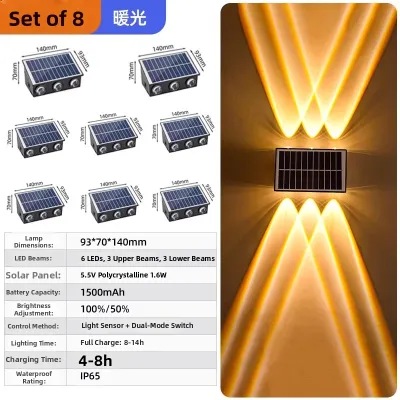
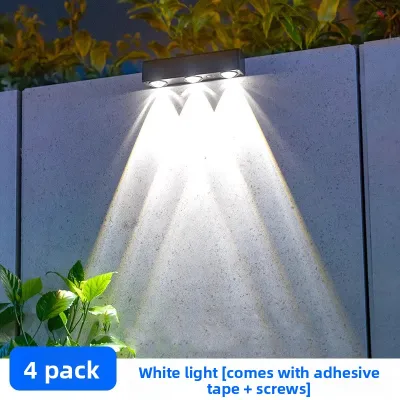
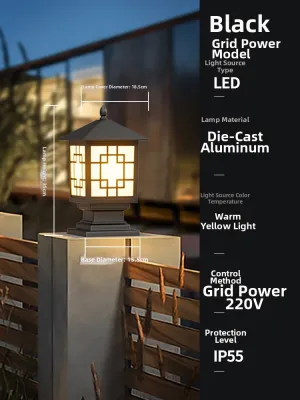
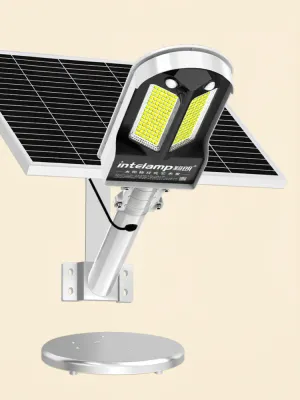
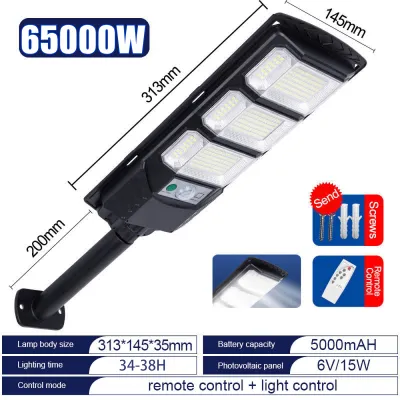
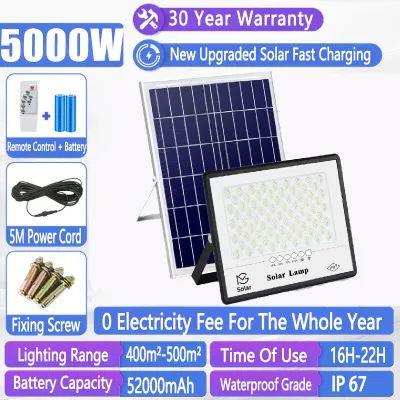
Prices are valid at publication and may change. Please refer to the product page for the latest price.
When evaluating solar lights outdoor, always check the product packaging or manufacturer specifications for crucial safety and compatibility details. Verify the fixture’s dimensions, battery capacity, voltage, and electrical certifications (such as the Philippine Standard or Import Commodity Clearance marks for hybrid models). Pay close attention to Ingress Protection (IP) ratings. For fully exposed balcony railings, look for an IP65 or higher rating to ensure protection against heavy tropical downpours; sheltered ceiling areas may utilize IP44-rated fixtures. Additionally, understand that decorative solar lights are designed for ambient glow rather than high-lumen task lighting, so adjust your expectations based on the rated lumen output.
High-rise balconies face unique environmental challenges that ground-level gardens do not. Wind loads increase significantly on higher floors, meaning any unsecured decorative item can easily become a hazardous projectile during typhoons. Furthermore, the orientation of your balcony dictates how much direct sunlight your solar panels will receive. East- or west-facing balconies receive intense but time-limited direct sunlight, while north- or south-facing balconies might remain in the shadow of the building’s concrete overhangs or neighboring high-rise towers for most of the day.
Top Solar Light Styles for Limited Balcony Spaces
String and Fairy Lights for Railings and Overhead
String lights are highly versatile for small balconies because they can be woven through railing bars, draped along the ceiling perimeter, or wrapped around vertical privacy screens. By utilizing these existing structures, you can illuminate the entire perimeter of your outdoor space without occupying any floor or table space.

To secure string lights safely without violating condo drilling bans, use heavy-duty, UV-resistant zip ties or silicone-coated wire ties. For overhead or wall applications, opt for specialized outdoor adhesive hooks designed to withstand high humidity and temperature fluctuations, ensuring you check the manufacturer’s weight limit instructions first. Always ensure the solar panel component is positioned where it can receive maximum sunlight, typically clamped to the outermost edge of the railing.
When choosing string lights, measure your balcony’s perimeter carefully beforehand to avoid excess cabling that can look cluttered. While cool white light offers high visibility, warm white or adjustable color temperatures are popular conditional preferences for creating a relaxed, cozy evening environment.
Portable Lanterns for Tables and Floor Corners
Portable solar lanterns are an excellent zero-installation solution for small balconies. They can be placed on a compact bistro table, arranged on tiered plant stands, or set in a corner to provide localized accent lighting.
Look for lanterns constructed from durable, weather-resistant materials such as heavy-duty ABS plastic, powder-coated aluminum, or treated synthetic rattan. Models featuring built-in top handles are highly practical, allowing you to easily move them indoors or store them safely in a cabinet when severe weather warnings or tropical typhoons are active.
While portable lanterns are highly convenient, placing large floor-standing models on a narrow balcony can quickly restrict movement. If you choose to place lanterns on the floor, select models with a compact, weighted base to prevent them from tipping over in sudden high-altitude wind gusts.
Wall-Mounted and Railing Sconces for Targeted Lighting
If you want the structured look of wall sconces without the structural risks, railing-mounted solar sconces are a highly effective alternative. These fixtures feature integrated clamps, brackets, or adjustable straps designed to secure tightly to standard square or round metal balusters, keeping your walls completely untouched.
Traditional solar wall sconces typically require screws and anchors for secure mounting. If you choose to install these, you must first verify that your PMO permits drilling into the exterior facade. Drilling without authorization can damage hidden conduit lines, compromise external waterproofing, and result in heavy financial penalties from property management.
For any installation involving fixed wiring, damp locations, work at heights, or suspended loads, always prioritize safety. Ensure the power is completely isolated before handling any electrical connections, strictly follow the manufacturer’s installation instructions, and consult a qualified professional if you are unsure. Never rely on standard indoor double-sided tape or weak adhesives to mount heavy wall sconces outdoors, as tropical humidity and heat will cause the adhesive to degrade rapidly, leading to falling hazards.
Why Ground Stake Lights Are Not Suitable for Balconies
Ground stake lights are designed specifically for soft landscapes, such as garden soil, lawns, or flower beds. Because condo balconies feature solid concrete, tiled, or composite wood flooring, there is no natural medium to anchor these stakes. Attempting to force stake lights into shallow balcony planters is often ineffective, as the limited soil depth cannot provide adequate stability for the fixture’s height.
Freestanding stake lights placed on hard balcony floors are highly unstable. High-rise balconies are subject to sudden, strong wind shear, which can easily knock over unanchored fixtures. A falling stake light not only risks shattering on your balcony floor but also poses a severe safety hazard if it is blown over the railing, potentially causing serious injury or property damage to residents or pedestrians below.
If you prefer a vertical, upright lighting aesthetic, look for solar floor lamps with heavy, wind-resistant weighted bases. Alternatively, consider weighted-base solar torches or table-top pillar lights that provide a similar upright profile while remaining completely stable on flat, hard surfaces.
Quick Comparison: Solar Light Types for Balconies
| Light Type | Mounting Method | Space Footprint | Drilling Required | Best For |
|---|---|---|---|---|
| String Lights | UV-resistant zip ties, adhesive hooks | Zero floor footprint | No | Railings, overhead trellises, and cozy perimeters |
| Portable Lanterns | Freestanding on tables, shelves, or floor | Minimal (table or corner space) | No | Bistro tables, accent lighting, and easy typhoon storage |
| Railing Sconces | Clamps, brackets, or adjustable straps | Zero floor footprint | No | Target downward lighting along metal balusters |
| Wall Sconces | Screws, anchors, or heavy-duty outdoor adhesive | Zero floor footprint | Yes (unless approved adhesive is used) | Structural walls (requires strict PMO approval) |
| Stake Lights | Ground spikes (Not Recommended) | Unstable on hard surfaces | No | Not recommended for balconies due to high wind tipping risks |
How to Maximize Solar Charging on High-Rise Balconies
To ensure your solar lights outdoor charge efficiently, position the solar panels where they will receive the maximum amount of direct sunlight possible. On a high-rise balcony, this often means mounting the solar panel at the very edge of the railing rather than deep inside the balcony recess. Be mindful of shadows cast by the building’s concrete ceiling slab, neighboring towers, or large potted plants, as even partial shading can significantly reduce charging performance.
The tropical climate in the Philippines brings high humidity, seasonal pollen, and heavy dust accumulation—especially in urban areas. Over time, a thin film of grime can form over the solar panel’s surface, blocking sunlight and reducing energy conversion. Clean the panels at least once every two weeks by wiping them gently with a damp microfiber cloth and mild soapy water, avoiding abrasive cleaners that could scratch the protective cover.
During the rainy season, extended periods of overcast skies and heavy monsoons can prevent solar batteries from reaching a full charge. To prevent deep discharge damage and prolong battery lifespan, check the manufacturer’s care instructions. If your solar lights will not be used for an extended period of rainy weather, consider turning them off via their manual switch to preserve the remaining battery charge, or select solar models that feature a hybrid USB charging port for manual indoor charging.
Frequently Asked Questions (FAQ)
How do I secure solar lights to a glass or metal balcony railing?
To secure solar lights safely to a glass or metal railing without causing permanent damage, use UV-resistant nylon zip ties or silicone-coated twist ties. These materials provide a strong, flexible grip that can withstand high winds and intense sun exposure without scratching powder-coated metal or glass frames. Avoid using standard suction cups on textured glass, as temperature fluctuations and humidity will cause the suction to fail. Similarly, steer clear of cheap adhesive tapes on metal surfaces, as high tropical heat will melt the adhesive, causing your fixtures to fall.
Are solar lights bright enough for reading on a balcony?
Most decorative solar lights, including fairy strings and ambient lanterns, are engineered to provide a soft, low-lumen glow (typically between 5 to 30 lumens) designed for mood setting rather than focused tasks. If your primary goal is reading or performing detailed work on your balcony, these decorative options will not provide sufficient illumination. Instead, look for dedicated solar spotlights, high-lumen reading sconces, or solar-powered task lights that specify a higher lumen output (100 lumens or more) and feature focused, directional beams.
Community discussion
Share your experience or ask a question. Comments are reviewed before publication.