
Creating a warm, inviting atmosphere on a small condo balcony requires outdoor solar lights that deliver soft illumination without overwhelming the compact space. The ideal fixtures combine a warm color temperature, low-to-medium lumen output, and flexible mounting options that comply with building regulations. Since specific product availability and pricing fluctuate, this guide focuses on the essential specifications, space-saving styles, and verification steps you need to curate the perfect ambient lighting setup for your outdoor retreat.
Condo balconies in the Philippines present unique environmental and structural challenges. High humidity, intense tropical sun, sudden monsoon downpours, and overhead concrete slabs that block direct sunlight all dictate what type of solar lighting will perform reliably. By understanding how to select and position these fixtures, you can bypass the need for complicated outdoor electrical wiring while transforming a utilitarian concrete slab into a cozy, personal sanctuary.
Key Specifications for a Warm Balcony Ambiance
Achieving a cozy, relaxing atmosphere on a balcony depends heavily on the technical specifications of your light sources. The most critical factor is color temperature, measured in Kelvin (K). For a warm, candle-like glow that mimics traditional incandescent bulbs, look for fixtures rated between 2700K and 3000K, often labeled as “warm white.” Avoid lights in the 5000K to 6500K range, as this cool, bluish-white light can feel clinical, harsh, and highly disruptive to a relaxing evening environment.
Products mentioned in this guide
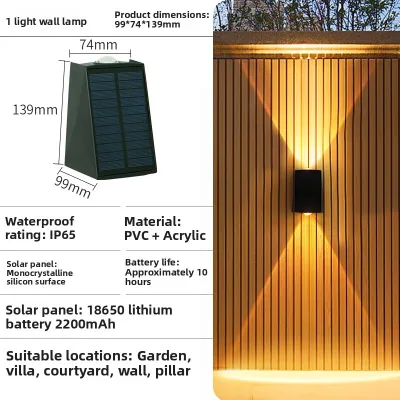
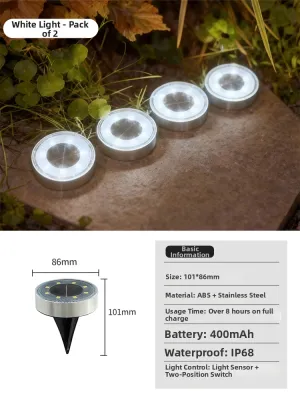
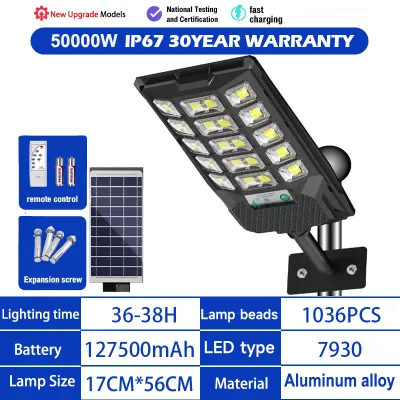
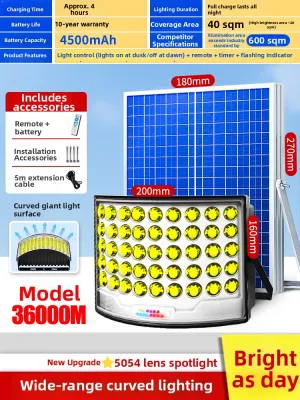
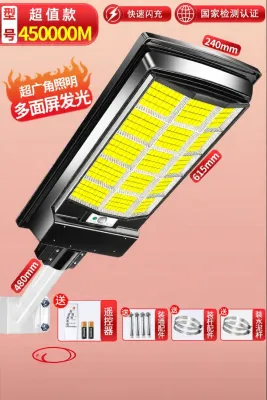
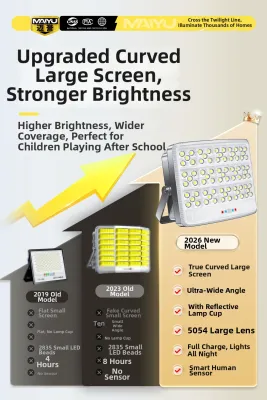
Prices are valid at publication and may change. Please refer to the product page for the latest price.
Lumen output determines the brightness of your fixtures and must be scaled appropriately for small spaces. While a backyard floodlight might require thousands of lumens, ambient balcony lighting thrives in the range of 10 to 50 lumens per fixture. Over-illuminating a compact balcony not only creates uncomfortable glare but can also cause light pollution that disturbs your neighbors. Selecting low-lumen fixtures allows you to layer multiple light sources without creating an overwhelming glare.
To ensure your balcony plants, outdoor furniture, and decor look natural at night, pay attention to the Color Rendering Index (CRI). CRI measures how accurately a light source reveals the true colors of objects compared to natural sunlight, on a scale up to 100. Opting for solar lights with a CRI of 80 or higher prevents your lush potted ferns, bougainvillea, or warm wooden decking from looking gray, washed out, or artificially tinted under night lighting.
Finally, consider the visual effect of different lighting modes. Steady-on modes provide a calm, consistent, and sophisticated backdrop suitable for reading or dining. In contrast, flickering modes—often found in solar candles or tiki-style torches—can add a dynamic, cozy movement that mimics real flame. When selecting fixtures with multiple modes, ensure they feature a simple toggle switch so you can disable rapid flashing or strobing effects, which are rarely conducive to a peaceful ambiance.
Best Solar Light Styles for Small Condo Spaces
When floor space is limited, the physical style of your solar lights determines how effectively they integrate into your balcony layout without causing clutter. Outdoor solar string lights and fairy lights are exceptionally versatile for compact areas. They can be woven through balcony railings, draped along walls, or suspended across the ceiling using non-damaging adhesive hooks. Because they distribute small points of light across a wide area, they provide a soft, uniform environmental glow that eliminates harsh shadows.

Hanging lanterns and pendants serve as excellent visual focal points, drawing the eye upward and maximizing vertical space. These fixtures can be suspended from overhead beams, ceiling hooks, or wall-mounted brackets. Placing a single solar pendant above a small bistro table instantly defines a dining zone, while hanging lanterns in empty corners can soften the sharp angles of concrete walls. Ensure any suspended load is securely fastened to withstand sudden gusts of wind.
For balconies where drilling into exterior walls is strictly prohibited, railing and clip-on sconces offer a highly practical, damage-free solution. These fixtures are designed to clamp directly onto standard metal or wooden balustrades, casting light downward onto the balcony floor. This downward projection provides essential path safety lighting while keeping the light source itself shielded from direct view, reducing glare and maintaining a subtle, low-profile aesthetic.
To add depth and highlight specific features, consider deck and planter stake lights. Inserting small solar stakes directly into the soil of your potted palms, snake plants, or peace lilies creates dramatic uplighting that accentuates organic shapes and casts soft shadows against the walls. If your balcony features interlocking wooden deck tiles, low-profile solar disk lights can be placed flush along the edges to define the boundaries of your outdoor space and create a luxurious, resort-like feel.
What to Verify Before Buying Outdoor Solar Lights
Before purchasing any solar lighting system, you must evaluate how the physical structure of your balcony affects solar charging. Standard integrated solar lights, where the solar panel is built directly into the top of the light fixture, require direct sunlight to charge effectively. If your balcony is covered by a deep concrete overhang, these fixtures may fail to charge. In such cases, look for split-panel solar designs, which feature a separate solar collector connected to the light fixture by a thin wire. This allows you to mount the solar panel on the sunniest part of the outer railing while keeping the decorative light fixture tucked safely in the shade.
Given the tropical climate of the Philippines, verifying the Ingress Protection (IP) rating of your fixtures is essential for longevity and safety. An IP rating consists of two digits: the first measures protection against solids, and the second measures protection against liquids. For sheltered balcony areas, an IP44 rating is generally sufficient to withstand ambient moisture and occasional splashes. However, for fixtures placed on open railings or exposed ledges that face heavy monsoon rains, look for an IP65 or higher rating to ensure complete protection against water ingress.
Battery chemistry is another critical specification that dictates performance and lifespan. Most modern solar lights utilize either Lithium-ion (Li-ion) or Nickel-Metal Hydride (NiMH) batteries. Li-ion batteries generally offer higher energy density, faster charging times, and longer runtimes, making them ideal for high-performance fixtures. NiMH batteries are common in smaller decorative lights and, while they have a lower energy density, they are highly stable and easily replaced when they eventually degrade. Always check if the battery compartment is accessible, as being able to replace a worn-out battery can extend the life of your fixture by several years.
Finally, always consult your condominium administration’s house rules before installing any outdoor fixtures. Many condo associations enforce strict guidelines regarding external facades to maintain building uniformity and safety. Common restrictions include prohibitions on drilling into structural concrete, bans on hanging items that extend past the vertical plane of the balcony railing, and rules against bright lights that cause glare for neighboring units or street traffic. Opting for temporary, clip-on, or weighted mounting solutions ensures compliance while keeping your setup fully reversible.
Layout and Maintenance Tips for Maximum Warmth
To create a truly inviting outdoor space, avoid relying on a single, bright light source. Instead, apply layered lighting techniques by combining different fixture styles at varying heights. Start with a base of low-intensity string lights draped along the railing or ceiling to establish a soft background glow. Next, add mid-level accent lighting, such as a solar lantern on a side table or a clip-on sconce. Finally, place low-level planter stakes to illuminate your greenery. This multi-tiered approach adds visual depth, making your compact balcony feel larger and more dynamic.
Proper positioning of your solar panels is vital to ensure your lights have enough power to shine throughout the evening. In the Philippines, panels should ideally face south or west to capture the maximum amount of direct afternoon sunlight. Be mindful of micro-shadows cast by balcony railings, hanging laundry, air conditioning compressors, or potted plants. Even a small shadow covering a fraction of a solar panel can drastically reduce its charging efficiency, leading to dim lights or short runtimes.
Maintaining your solar lights requires a simple but consistent cleaning routine, especially in dusty urban environments. Over time, a fine layer of soot, dust, and pollen can accumulate on the solar panel’s protective cover, blocking sunlight and reducing energy conversion. Every few weeks, gently wipe the panels with a damp microfiber cloth and a mild, non-abrasive soap if necessary. Avoid using harsh chemical cleaners, abrasive pads, or rough paper towels, which can scratch the plastic or glass surface and permanently degrade its transparency.
Over time, all rechargeable batteries will experience a decline in capacity. If you notice your solar lights are turning off after only an hour or two of operation despite a full day of clear sunlight, it is likely time to replace the battery. When replacing batteries, always match the voltage, chemistry, and capacity (measured in milliampere-hours, or mAh) specified by the manufacturer. If you plan to leave your condo vacant for an extended period, or if a severe tropical storm is approaching, turn the fixtures off and store them indoors to protect the internal electronics from extreme conditions.
Frequently Asked Questions (FAQ)
Do solar lights work on shaded or covered balconies?
Yes, solar lights can work on shaded or covered balconies, but they require specific design features to do so effectively. Standard integrated solar lights will struggle to charge if they are placed entirely under a concrete ceiling or behind deep structural pillars. To solve this, select split-panel solar designs where the solar collector is separate from the light fixture. This setup allows you to mount the solar panel on the outermost edge of your railing where it can receive direct sunlight, while the decorative lights remain sheltered in the shade. Alternatively, look for hybrid solar lights that feature a secondary USB charging port, allowing you to manually charge the internal battery from an indoor outlet during prolonged cloudy periods.
Can I leave solar lights outside during heavy rain or typhoons?
Whether you can leave solar lights outside depends entirely on their IP rating and how securely they are mounted. Fixtures with an IP65 or higher rating are designed to withstand heavy tropical downpours without water leaking into the electrical compartments. However, during severe weather events, typhoons, or high-wind warnings, it is highly recommended to temporarily detach and store all lightweight, hanging, or loosely clipped solar lights indoors. Strong winds can easily dislodge string lights, lanterns, and clip-on sconces, turning them into falling hazards that can break or cause damage to property below. Always prioritize safety by securing or storing loose items before a storm arrives.
How long do balcony solar lights typically last on a full charge?
On average, quality balcony solar lights can provide between 6 and 10 hours of continuous illumination on a full charge, though actual runtime depends on several variables. The primary factors are the capacity of the internal battery (measured in mAh), the efficiency of the solar panel, and the total power consumption of the connected LEDs. To maximize nightly runtime, look for fixtures equipped with built-in dusk-to-dawn sensors that automatically turn the lights on only when darkness falls, preventing wasted energy during twilight. Some advanced models also feature adjustable brightness settings or timers, allowing you to dim the lights later in the evening to conserve battery power and extend the overall operating time.

Community discussion
Share your experience or ask a question. Comments are reviewed before publication.