
Illuminating your outdoor spaces in the Philippines requires lighting solutions that can withstand intense tropical heat, high humidity, and torrential monsoon rains. Finding the best solar lights outdoor setups for your pathways and gardens involves balancing performance, durability, and aesthetic appeal. Because solar-powered fixtures operate independently of the electrical grid, they offer an energy-efficient and cost-effective way to secure walkways and highlight landscaping features without increasing your monthly electric bill. However, not all solar lights are built to survive the unique environmental challenges of the Philippine climate. Selecting the right fixtures requires a clear understanding of key technical specifications, material quality, and proper installation practices.
Key Features to Check Before Buying Solar Lights Outdoor
To find the most reliable solar lights outdoor fixtures for your home, you must look beyond aesthetic appeal and examine the technical specifications. The harsh tropical climate—characterized by high UV exposure, salt-laden air in coastal regions, and heavy downpours—demands robust components.
When purchasing solar lights outdoor fixtures, safety and compatibility should be your top priorities. While low-voltage solar lights are generally safe, any system that integrates with your home’s main grid—such as hybrid solar path lights—requires careful attention to electrical specifications. Always verify the voltage, interface or base type, wattage limits, and physical dimensions of the fixture to ensure it fits your intended installation environment. Look for recognized electrical certifications (such as CE, RoHS, or local quality marks like the ICC or PS certification in the Philippines) to ensure the components have been tested for safety. Never assume a product is safe or compatible simply because it is labeled as an outdoor garden light.
Products mentioned in this guide
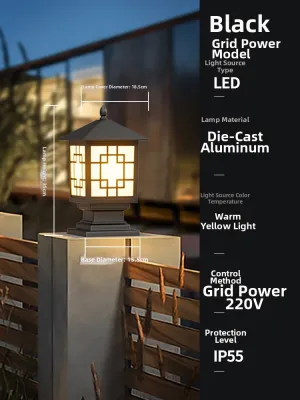
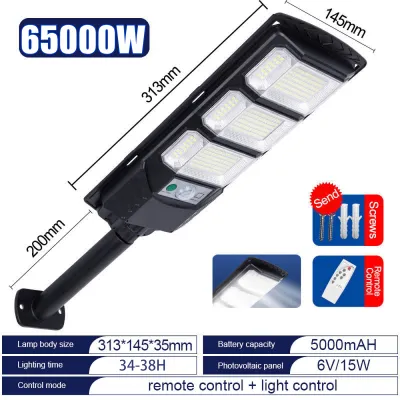
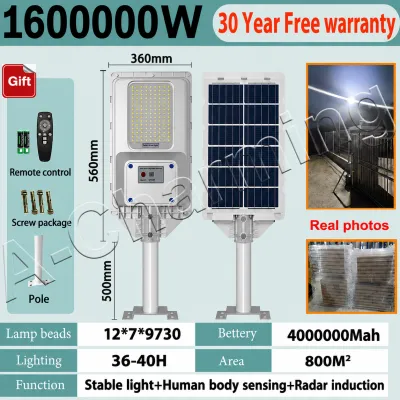
Prices are valid at publication and may change. Please refer to the product page for the latest price.
Ingress Protection (IP) ratings are critical for any outdoor electrical device. An IP rating consists of two digits: the first represents protection against solid objects (0 to 6), and the second represents protection against liquids (0 to 9). For outdoor solar lights in the Philippines, a minimum of IP65 is highly recommended. An IP65 rating means the fixture is completely dust-tight and protected against water jets from any angle. For ground-level or recessed pathway lights that might experience temporary pooling water during typhoons, look for IP67 or IP68 ratings, which indicate resistance to temporary or continuous immersion. Avoid cheaper IP44-rated lights for exposed garden areas, as they are only splash-proof and will likely fail during the first heavy monsoon downpour.
The solar panel, or photovoltaic cell, is responsible for converting sunlight into electrical energy. The two most common types are monocrystalline and polycrystalline. Monocrystalline panels are made from a single pure silicon crystal, giving them a uniform dark appearance. They are highly efficient (typically 15% to 22% efficiency) and perform significantly better in low-light or overcast conditions, which are common during the rainy season. Polycrystalline panels, recognizable by their speckled blue appearance, are constructed from multiple silicon fragments melted together. While they are more budget-friendly, their efficiency is lower (around 13% to 16%), and they require more direct, unobstructed sunlight to charge effectively. For consistent year-round performance in the Philippines, monocrystalline panels are the superior choice.
The battery stores the collected solar energy to power the light at night. Traditional solar lights often use Nickel-Metal Hydride (NiMH) or standard Lithium-ion (Li-ion) batteries. However, these chemistries degrade rapidly under the extreme heat typical of Philippine afternoons. For maximum longevity and safety, look for fixtures equipped with Lithium Iron Phosphate (LiFePO4) batteries. LiFePO4 batteries offer exceptional thermal stability, reducing the risk of overheating or swelling. They also boast a significantly longer lifespan, often lasting for 2,000 to 3,000 charge cycles compared to the 300 to 1,000 cycles of standard Li-ion or NiMH alternatives. This translates to several years of reliable service before needing a replacement.
Brightness is measured in lumens, not watts. For pathway safety, look for lights that emit between 100 to 300 lumens to provide clear visibility without causing blinding glare. For subtle garden ambiance or accentuating foliage, 10 to 50 lumens is usually sufficient. Color temperature, measured in Kelvin (K), dictates the visual warmth of the light. Warm white (2700K to 3000K) creates a cozy, inviting atmosphere ideal for residential gardens and seating areas. Cool white (5000K to 6500K) provides high-contrast, crisp illumination that is excellent for security and high-traffic walkways, though it can sometimes look stark or clinical in natural landscapes.
It is also important to treat decorative style, perceived color temperature, and spatial effects as conditional preferences rather than universal performance facts. While some manufacturers claim that cool white light is objectively superior for visibility, the choice between cool white (5000K to 6500K) and warm white (2700K to 3000K) depends entirely on your specific environment and aesthetic goals. Cool white light may enhance contrast along a dark driveway, but it can also make green foliage look washed out or artificial. Conversely, warm white light creates a softer, more relaxing ambiance that highlights the natural textures of stone and plants, but it may not offer the high-visibility security some homeowners prefer.
Always verify the manufacturer’s specified charging and operating times. In ideal conditions, a quality solar light should require 6 to 8 hours of direct sunlight to fully charge and provide 8 to 12 hours of continuous illumination throughout the night. Keep in mind that these specifications are based on optimal sunlight exposure; actual performance will vary depending on seasonal cloud cover and placement.
Top Solar Light Styles for Pathways and Gardens
Selecting the right style of solar lights outdoor fixtures depends on your specific landscaping goals, the layout of your garden, and the physical characteristics of your outdoor space. Rather than focusing on highly volatile specific brand models, it is more practical to evaluate fixtures by their design categories, understanding their distinct installation requirements and limitations.

Pathway Stake Lights for Safe Walkways
Pathway stake lights are the foundational elements of a well-designed garden landscape. These low-profile fixtures are designed to cast light downward, illuminating walkways and preventing dark spots without causing glare. When planning your layout, consider the physical dimensions of the stakes and the height of the light post. Taller bollard-style lights provide a wider spread of illumination, which is ideal for broad driveways, but they require sturdy anchoring. Ensure the stakes are made of high-quality materials like heavy-duty ABS or stainless steel. In the Philippines, the soil can become highly saturated during the monsoon season, causing cheap, thin plastic stakes to tilt, crack, or rot. Sturdier materials ensure the lights remain upright and stable even when the ground is soft.
When installing stake lights, proper spacing is crucial. Placing them too close together can create a cluttered, runway-like appearance, while spacing them too far apart leaves dark, hazardous patches. A general rule of thumb is to space them 6 to 8 feet apart, depending on their lumen output. The height of the fixture also matters; taller bollards cast a wider pool of light but are more visible during the day, whereas shorter stake lights offer a more discreet, integrated look.
Landscape Spotlights for Garden Highlights
Landscape spotlights allow you to add drama and depth to your garden by highlighting architectural features, large trees, or water fountains. Because these lights often need to be placed in shaded areas under dense foliage, adjustable solar spotlights with separate solar panels are highly effective. You can mount the separate panel on a sunny wall or fence while running the low-voltage cable to the spotlight itself. However, this setup introduces cable management challenges. Ensure all cables are buried or pinned securely to prevent them from becoming tripping hazards or being damaged by lawnmowers. Additionally, verify that all cable connections are tightly sealed with waterproof gaskets to prevent moisture from short-circuiting the system in high-humidity environments.
Unlike pathway lights that cast a wide, diffused glow, spotlights feature narrow beam angles (typically 15 to 45 degrees) and higher lumen outputs (often 150 to 600 lumens) to create dramatic contrasts between light and shadow. This makes them ideal for accentuating mature trees, stone walls, or water features. However, their higher output means they consume more power, making high-efficiency monocrystalline panels and larger capacity batteries even more critical for consistent performance.
Decorative String and Lantern Lights for Ambiance
Decorative string lights and hanging lanterns are perfect for creating a cozy atmosphere on patios, pergolas, and outdoor dining areas. These lights are available in various styles, from vintage-style Edison bulbs to delicate fairy lights. When choosing decorative solar lights outdoor options, prioritize safety and durability. Look for shatterproof plastic bulbs and UV-resistant cables that can withstand prolonged exposure to the harsh tropical sun. Keep in mind that decorative lights are designed for visual appeal and ambiance; they do not provide high-intensity illumination. Their performance is highly dependent on personal preference and the specific layout of your outdoor living space.
Because these lights are suspended overhead or woven through structures, they are highly exposed to wind and rain. Glass bulbs pose a significant safety hazard if shattered by strong winds or falling tree branches during stormy weather. Therefore, shatterproof materials are highly recommended. Additionally, ensure that the solar panels for these string lights are mounted in a location that receives adequate sunlight, as they are often placed under pergolas or covered patios where direct sunlight is limited.
Installation and Upkeep for Tropical Weather
To maximize the lifespan and efficiency of your solar lights outdoor investments in the Philippines, proper installation and consistent maintenance are essential. The combination of intense tropical sun, high humidity, salt air, and heavy seasonal rains requires a proactive approach to upkeep.
For more complex installations—such as solar floodlights mounted at a height on roof gutters, heavy suspended solar lanterns, or fixtures placed in persistently damp, low-lying garden areas—safety precautions are paramount. If your setup involves fixed wiring or integration with existing outdoor circuits, always isolate the power source at the breaker before beginning work. Follow the manufacturer’s step-by-step installation instructions precisely. If the installation requires working at heights on ladders, handling heavy suspended loads, or navigating complex electrical connections, do not attempt to DIY. Instead, establish clear boundaries and hire a qualified professional or licensed electrician to complete the work safely.
The performance of any solar light is directly tied to the amount of direct sunlight its photovoltaic panel receives. In the Philippines, which is located in the northern hemisphere close to the equator, solar panels should ideally face south or southwest to capture the maximum amount of daily sunlight. Avoid placing panels directly under wide roof eaves, dense tree canopies, or tall boundary walls that cast long shadows, especially during the afternoon when solar radiation is strongest. Even partial shading on a small portion of a solar panel can drastically reduce its charging efficiency.
Over time, solar panels accumulate a layer of dust, pollen, bird droppings, and air pollution residue. In coastal areas, a fine layer of salt crust can also form. This accumulation acts as a barrier, blocking sunlight from reaching the photovoltaic cells and significantly reducing the light’s nightly runtime. To maintain optimal efficiency, clean the solar panels at least once a month. Gently wipe the surface with a soft, damp microfiber cloth and clean water. Avoid using abrasive scrubbing pads, harsh chemical detergents, or dry cloths, as these can scratch the protective tempered glass or plastic coating, permanently reducing light transmission.
The Philippine typhoon season brings extreme winds and torrential rains that can easily dislodge, damage, or wash away outdoor light fixtures. Ahead of a severe weather warning, take proactive steps to protect your lighting setup. Temporary, lightweight decorative fixtures, hanging lanterns, and string lights should be carefully taken down and stored indoors. Ensure that stake lights are firmly pressed into the ground; if the soil becomes heavily saturated and loose, temporarily removing them can prevent them from falling over and getting damaged. For permanently mounted fixtures, check that all mounting brackets, screws, and anchors are tight and secure.
Even high-quality rechargeable batteries will eventually lose their capacity to hold a charge. If you notice a solar light’s runtime has significantly decreased—for example, only staying lit for an hour or two despite a full day of clear sunlight—the battery likely needs replacement. When replacing batteries, always use the exact chemistry, voltage, and capacity recommended by the manufacturer. Before opening the battery compartment, consult the product manual carefully. Ensure the surrounding area is completely dry, and take care not to damage or misalign the rubber O-rings or gaskets that seal the compartment. A compromised seal will allow humid air or rainwater to enter, leading to rapid corrosion and permanent failure of the internal electronics.
Frequently Asked Questions (FAQ)
Do solar lights work during the rainy season in the Philippines?
Yes, solar lights will still work during the rainy season, but their performance will be noticeably affected. Solar panels do not require hot weather to function; they require light. Even on overcast, cloudy, or rainy days, diffuse sunlight still reaches the panels, allowing them to charge. However, because the intensity of diffuse light is much lower than direct sunlight, the battery will not reach a full charge. This results in shorter runtimes at night, and the lights may appear dimmer or turn off much earlier than usual. To mitigate this during the wet season, choose fixtures with high-efficiency monocrystalline panels and larger battery capacities, or opt for models with adjustable brightness settings so you can lower the output to conserve battery life.
How long do outdoor solar light batteries typically last?
The lifespan of rechargeable batteries in outdoor solar lights typically ranges from 1 to 3 years, depending largely on the battery chemistry and environmental conditions. Standard NiMH batteries usually last about 1 to 2 years (around 300 to 500 charge cycles), while standard Lithium-ion batteries can last 2 to 3 years. Premium Lithium Iron Phosphate (LiFePO4) batteries can perform reliably for 5 years or more due to their superior thermal tolerance and high cycle life. Extreme tropical heat accelerates battery degradation, so placing fixtures in spots where they can cool down slightly at night helps. To extend the overall life of your light fixture, always check if the manufacturer designed the battery to be user-replaceable, allowing you to swap out a dead cell rather than discarding the entire unit.
Community discussion
Share your experience or ask a question. Comments are reviewed before publication.