
To find the most reliable solar tube lights for outdoor use in the Philippines, you must look beyond basic aesthetic appeal and focus on environmental resilience. The ideal outdoor solar tube light must feature a high Ingress Protection (IP) rating to survive torrential monsoon rains, utilize UV-stabilized materials to resist degradation under intense tropical sunlight, and incorporate efficient charging systems that perform even during overcast days. Rather than relying on broad marketing claims, buyers should systematically verify manufacturer specifications to ensure long-term durability in high-humidity environments.
Selecting the right fixture involves understanding how local weather patterns affect solar technology. By focusing on robust material construction, battery chemistry, and solar panel efficiency, you can secure an outdoor lighting setup that remains functional year-round. This guide outlines the essential technical specifications, installation safety boundaries, and buying strategies to help you make an informed decision.
Essential Selection Criteria for Tropical Climates
Operating outdoor lighting in a tropical climate presents unique challenges that standard fixtures rarely survive. The combination of extreme heat, high humidity, heavy rainfall, and intense ultraviolet radiation requires careful consideration of product specifications before making a purchase.
Products mentioned in this guide
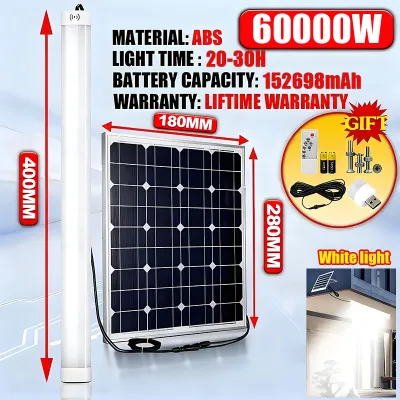
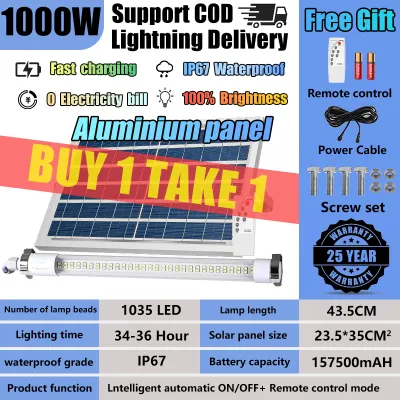
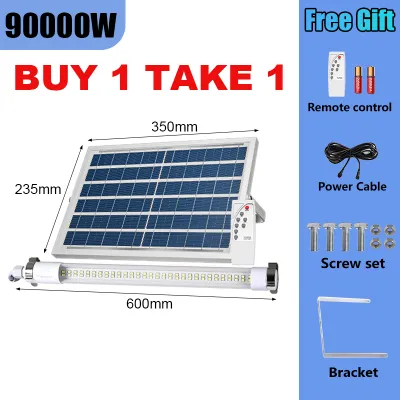
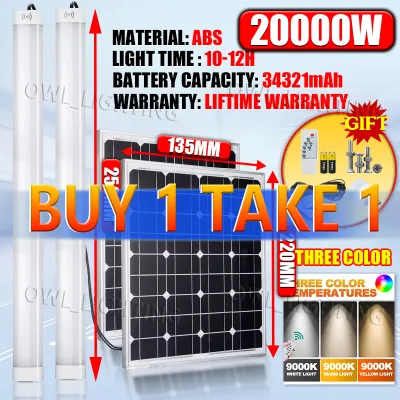
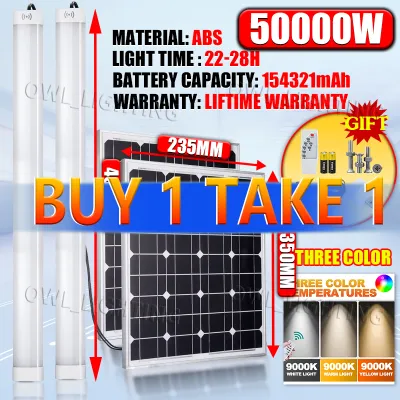
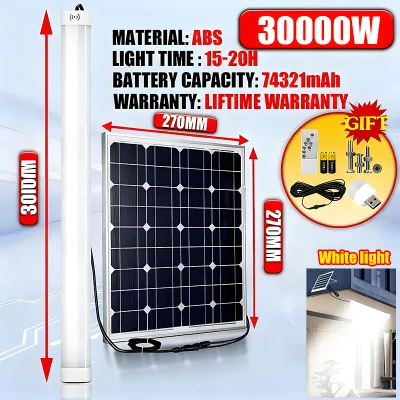
Prices are valid at publication and may change. Please refer to the product page for the latest price.
Water and Dust Resistance
The Ingress Protection (IP) rating is the most critical specification for any outdoor light fixture in the Philippines. This rating consists of two digits: the first represents protection against solid particles like dust, and the second represents protection against liquids. For general outdoor use, such as garden pathways or wall-mounted installations, an IP65 rating is the minimum standard, indicating protection against dust ingress and low-pressure water jets from any direction. For ground-recessed tube lights or fixtures installed in low-lying areas prone to temporary pooling during heavy downpours, look for IP67 or IP68 ratings, which certify protection against temporary or continuous immersion in water.
Material Durability
Intense solar radiation in tropical zones contains high levels of ultraviolet (UV) light, which can rapidly degrade standard plastics. This process, known as photo-oxidation, causes untreated materials to become yellow, brittle, and prone to cracking, which ultimately leads to water leaks and electrical failure. When evaluating solar tube lights, prioritize fixtures constructed from UV-stabilized polycarbonate, PMMA (acrylic), anodized aluminum, or tempered glass. These materials resist yellowing and maintain their structural integrity despite prolonged exposure to intense sunlight and high ambient temperatures.
Battery and Solar Panel Efficiency
High humidity and ambient heat can accelerate the degradation of internal battery cells and reduce the conversion efficiency of solar panels. Furthermore, the prolonged cloud cover common during the rainy season limits the amount of direct sunlight available for charging. To ensure consistent performance, look for solar tube lights equipped with high-efficiency solar panels and advanced battery chemistries that can store sufficient energy even during overcast days. A well-designed system should feature a balanced ratio between the solar panel’s power output and the battery’s storage capacity to prevent undercharging.
Decoding Solar Tube Light Specifications
Navigating the technical details on product packaging or online listings is essential to finding a high-performing solar tube light. Understanding these specifications allows you to match the fixture’s capabilities to your specific outdoor lighting needs.

Lumens and Color Temperature
Lumens measure the total amount of visible light emitted by a source, which determines the fixture’s brightness. For decorative garden accents or pathway marking, a brightness level of 50 to 150 lumens is generally sufficient. For security lighting or illuminating active outdoor living spaces, look for fixtures that deliver 300 lumens or more. Color temperature, measured in Kelvin (K), is a matter of personal preference and spatial design rather than performance. Warm white light (2700K to 3000K) creates a cozy, inviting ambiance and is less likely to attract nocturnal insects, while cool white light (5000K to 6500K) provides high-contrast visibility suitable for security and task-oriented areas.
Solar Panel Types
Solar tube lights typically utilize one of two types of solar panels: monocrystalline or polycrystalline. Monocrystalline panels are made from a single pure silicon crystal, giving them a uniform dark appearance and a higher energy conversion efficiency, often ranging from 15% to 22%. This high efficiency makes them ideal for areas with limited mounting space or frequent cloud cover. Polycrystalline panels, recognizable by their speckled blue appearance, are constructed from multiple silicon fragments melted together. While they are more cost-effective to manufacture, they have a lower efficiency rating (typically 13% to 16%) and require a larger surface area to produce the same amount of power as a monocrystalline panel.
Battery Chemistries
The type of battery housed inside the solar tube light directly impacts its lifespan, safety, and performance in hot climates. Lithium Iron Phosphate (LiFePO4) batteries are highly recommended for tropical environments due to their exceptional thermal stability, safety profile, and long cycle life, often lasting over 2,000 charge-discharge cycles. Standard Lithium-ion (Li-ion) batteries offer high energy density but are more sensitive to high temperatures and typically last between 500 to 1,000 cycles. Older Nickel-Metal Hydride (NiMH) batteries are still found in budget-friendly fixtures, but they have a shorter lifespan, lower energy density, and are prone to memory effect issues.
Installation and Safety Considerations
Proper installation is vital to maximizing the performance and lifespan of your solar tube lights while ensuring safety. Outdoor electrical installations must account for structural stability, environmental exposure, and potential electrical hazards.
Placement Strategy
To achieve optimal charging, the solar panel must be positioned where it receives unobstructed sunlight for at least six to eight hours daily. In the Philippines, angling the solar panel slightly (approximately 10 to 15 degrees) facing south can help maximize year-round solar energy capture while allowing rainwater to run off naturally, washing away accumulated dust and debris. Avoid placing panels under the shadow of roof eaves, trees, or neighboring structures, as even partial shading can drastically reduce the charging rate of the entire system.
Mounting Hardware
Tropical storms and typhoons bring high-velocity winds that can easily dislodge poorly secured fixtures. Always use rust-resistant mounting hardware, such as Grade 304 or 316 stainless steel or brass screws and brackets, to prevent corrosion caused by high humidity and coastal salt air. When mounting fixtures to concrete or masonry walls, use high-quality wall plugs or expansion bolts to ensure a secure, permanent hold. Avoid relying on double-sided adhesive tapes or flimsy plastic brackets for permanent outdoor installations.
Safety Boundaries
While low-voltage solar lights are generally safe for DIY installation, certain scenarios require professional expertise. If you are installing solar tube lights at significant heights, such as on high exterior walls, pillars, or poles, always use stable scaffolding or ladders and wear appropriate fall-protection gear. If you are integrating a hybrid solar system that connects to your home’s main 220V AC electrical grid for backup power, you must isolate the power supply at the main circuit breaker before handling any wiring. All fixed wiring installations in damp outdoor environments must comply with the Philippine Electrical Code, utilize appropriate outdoor-rated conduit, and be performed by a qualified electrical professional.
Building Your Shortlist: What to Verify Before Buying
When shopping for solar tube lights on online marketplaces or in physical hardware stores, a systematic verification process will help you avoid low-quality products and ensure you get the best value for your budget.
Cross-Referencing Claims
It is common for generic or unbranded solar lights to feature exaggerated performance claims, such as unrealistic lumen outputs or battery capacities that do not match the physical size of the product. To protect your investment, cross-reference the seller’s claims with the official manufacturer datasheet. Verify that the product has obtained recognized electrical and safety certifications, such as CE, RoHS, or UL. A realistic price range for a durable, high-quality outdoor solar tube light typically starts around ₱1,000 to ₱3,500 per fixture, depending on the size, brightness, and material quality.
Warranty and Local Support
Prioritize products that come with a clear, written warranty of at least one year. Check if the brand or seller has an established local customer service center or an official distributor in the Philippines. Having access to local support makes it significantly easier to claim warranty replacements, ask technical questions, or source replacement parts, such as compatible batteries or mounting brackets, without dealing with expensive international shipping.
Reviewing User Feedback
Before finalizing your purchase, read customer reviews specifically from buyers located in tropical regions. Look for feedback that mentions how the fixtures perform after six months to a year of continuous outdoor exposure. Pay close attention to comments regarding how well the housing seals against heavy rain, whether the battery retains its charge during consecutive rainy days, and if any rust or material degradation has occurred on the exterior casing.
Frequently Asked Questions (FAQ)
Do solar tube lights work during the rainy season?
Yes, solar tube lights will still charge and operate during the rainy season, but their performance will be reduced. Solar panels do not require direct sunlight to generate electricity; they can also utilize diffuse light that penetrates through cloud cover. However, because the intensity of diffuse light is much lower, the solar panel will produce less power, resulting in a longer charging time and a shorter nightly runtime. To manage expectations during extended overcast periods, look for fixtures with monocrystalline panels and smart power-saving modes that automatically dim the light output to conserve battery life.
How do I clean and maintain the solar panels?
Accumulated dust, pollen, bird droppings, and salt residue can block sunlight from reaching the solar cells, significantly reducing charging efficiency. To maintain optimal performance, clean the solar panels every few months using a soft, clean microfiber cloth and plain water. Gently wipe the surface to remove dirt without scratching the protective coating. Never use abrasive sponges, steel wool, or harsh chemical cleaners, as these can permanently damage the panel’s surface and reduce its light transmission capabilities.
Can I replace the battery inside a solar tube light?
Whether you can replace the battery depends entirely on the design of the specific solar tube light model. Many high-quality fixtures feature user-replaceable batteries housed in an easily accessible, sealed compartment. For these models, you can extend the lifespan of the fixture by replacing the battery once it no longer holds a charge. Always consult the product manual first to verify the exact battery chemistry, voltage, and capacity requirements. Never attempt to replace batteries in sealed, non-serviceable units, as breaking the factory seal will compromise the fixture’s water resistance and void the warranty.
Community discussion
Share your experience or ask a question. Comments are reviewed before publication.