
Selecting the right outdoor wall lights is one of the most effective ways to elevate your home’s curb appeal while enhancing nighttime safety and security. In the Philippines, where residential architecture ranges from sleek contemporary townhouses to heritage-inspired estates and breezy tropical villas, exterior lighting must do double duty. It must visually harmonize with your home’s architectural character while enduring some of the harshest weather conditions in the world, including intense solar heat, high humidity, and torrential monsoon rains.
Achieving the perfect balance between aesthetics and durability requires a thoughtful approach to design, material selection, and technical specifications. By understanding how different fixture styles interact with your home’s facade and knowing what technical ratings to look for, you can make an investment that beautifies your exterior and stands the test of time. This guide explores the most suitable design styles for Filipino homes, key material considerations for tropical climates, essential safety checks, and practical steps to finalize your lighting plan.
Key Design Styles for Philippine Home Architecture
Matching your outdoor wall lights to your home’s architectural style creates a cohesive and polished look that feels intentional. The diverse landscape of Filipino residential design means that a fixture perfect for a modern minimalist townhouse might look out of place on a rustic, resort-style veranda.
Products mentioned in this guide
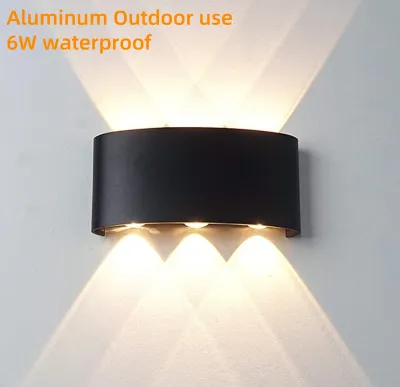
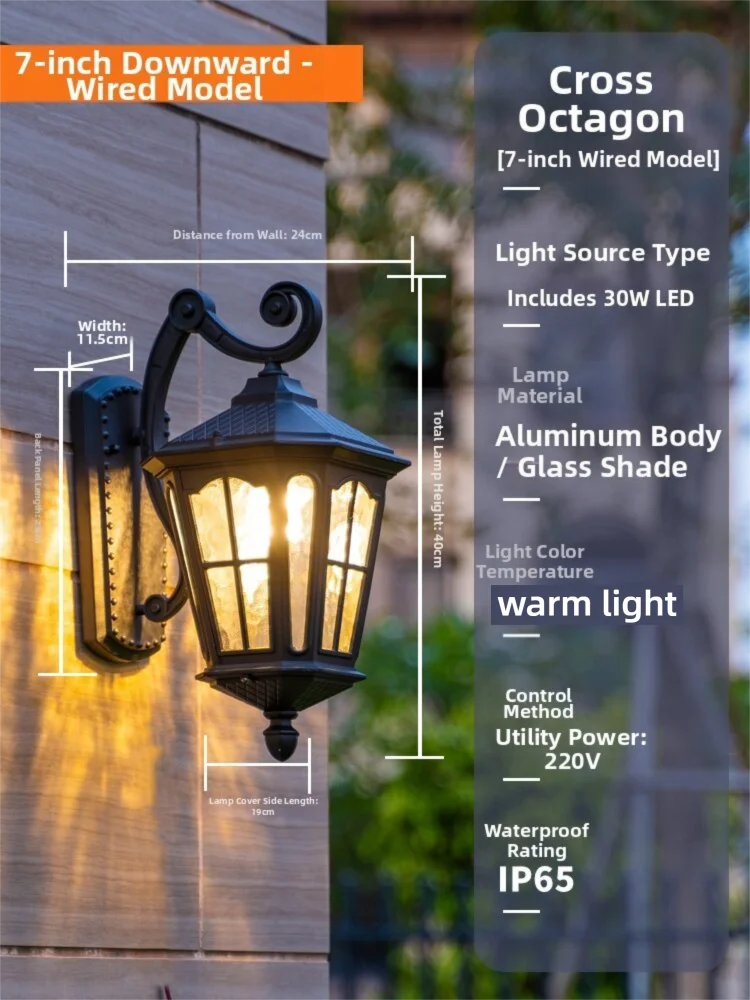
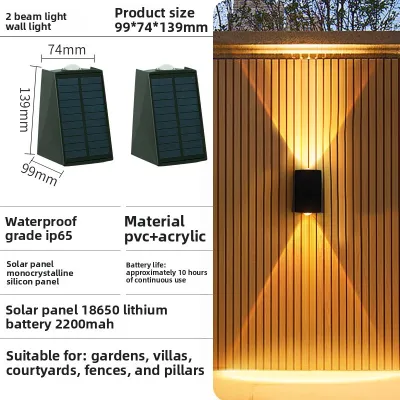
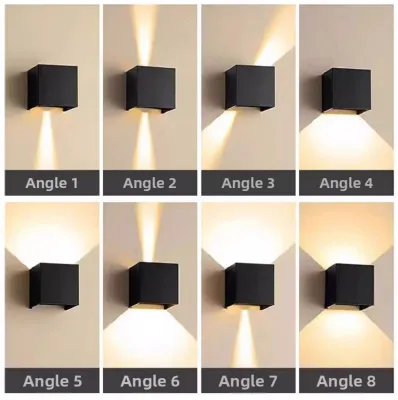
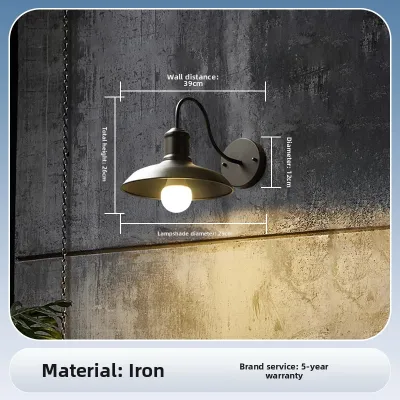
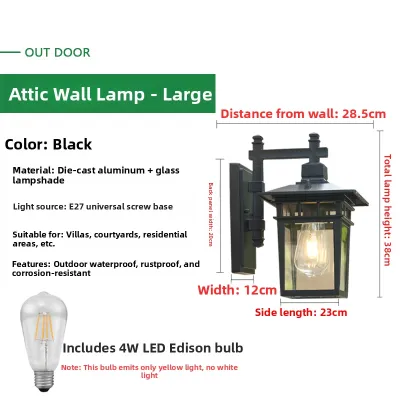
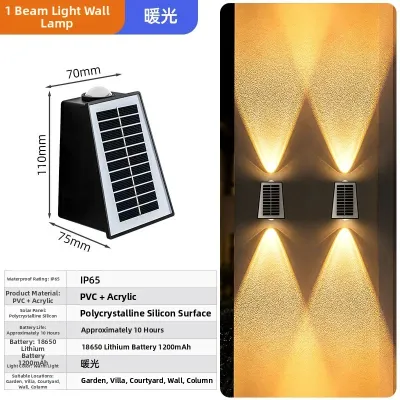
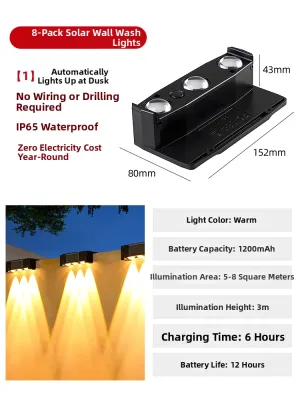
Prices are valid at publication and may change. Please refer to the product page for the latest price.
Modern and Minimalist Designs
Contemporary Filipino homes, particularly modern townhouses and concrete-and-glass residences in urban subdivisions, benefit from clean lines and geometric simplicity. For these structures, look for minimalist wall lights such as cylindrical up-and-down lights, sleek rectangular sconces, or flush-mounted cubic fixtures. Matte black, charcoal gray, and brushed stainless steel finishes work exceptionally well against smooth plaster, concrete finishes, or dark wood accents. These fixtures often direct light precisely upward and downward, highlighting the vertical texture of your walls and creating dramatic architectural shadows without causing glare.
Traditional and Lantern-Style Fixtures
For heritage-inspired homes, Spanish-colonial-style residences, or classic masonry houses, traditional lantern-style fixtures offer a timeless appeal. These designs often feature ornate metalwork, curved arm mounts, and clear or seeded glass panels that showcase the bulb inside. Classic finishes like antique brass, oil-rubbed bronze, and textured black complement stone cladding, brickwork, and traditional wooden doors. Mounting a pair of elegant carriage lanterns on either side of a grand entryway evokes a warm, welcoming, and stately atmosphere.
Tropical and Woven-Material Aesthetics
Resort-style homes, coastal villas, and residences that integrate natural elements require lighting that reflects an organic, laid-back vibe. Tropical exterior designs pair beautifully with fixtures that mimic natural textures, such as woven patterns, slatted wood looks, or bamboo-inspired silhouettes. While genuine untreated organic materials can degrade quickly outdoors, modern synthetic alternatives and highly treated natural materials offer the same warm, textured aesthetic with significantly better weather resistance. These fixtures diffuse light softly, casting gentle patterns that enhance a relaxed, nature-connected ambiance.
Scale and Proportion Guidelines
An otherwise beautiful light fixture can lose its impact if it is too small or too large for the space. When selecting wall lights for your entryway, a reliable rule of thumb is that the fixture should measure approximately one-fourth to one-third the height of the door frame. If you are installing a single light on one side of the door, aim for the larger end of that scale to ensure it has enough visual presence. If you are mounting matching fixtures on both sides of the entrance, slightly smaller fixtures within the one-fourth range will maintain a balanced, symmetrical look without overwhelming the doorway.
Material and Finish Considerations for Tropical Climates
The Philippine climate presents unique challenges for outdoor installations. High humidity, intense ultraviolet (UV) radiation, heavy seasonal rainfall, and salty air in coastal regions can rapidly degrade low-quality materials, leading to rust, fading, and structural failure.

Evaluating Rust-Resistant Metals
When shopping for metal fixtures, it is crucial to verify the specific material composition rather than relying solely on visual appearance. Standard steel or iron fixtures can rust quickly when exposed to constant moisture. Instead, look for fixtures constructed from cast aluminum, marine-grade stainless steel, or solid brass. Cast aluminum is lightweight, highly resistant to corrosion, and excellent at dissipating heat. Solid brass is exceptionally durable and naturally resists corrosion, making it an ideal choice for coastal areas, though it will develop a natural patina over time unless treated with a protective lacquer.
Checking for UV-Resistant Coatings
Intense tropical sunlight can cause paint to crack, peel, and fade within a few seasons. To prevent this, check product labels for high-quality powder-coated finishes rather than standard wet paint. Powder coating involves electrostatically applying a dry powder that is then cured under heat to create a tough, resilient barrier. Additionally, ensure that any plastic or polycarbonate diffusers or lenses are explicitly rated as UV-resistant. Non-UV-stabilized plastics will quickly turn yellow, become brittle, and crack under prolonged sun exposure.
Assessing Synthetic and Treated Materials
If you prefer the look of wood, rattan, or other natural fibers for a tropical aesthetic, prioritize synthetic alternatives designed specifically for outdoor use. High-density polyethylene (HDPE) resins and UV-treated composites can replicate the texture of natural fibers without absorbing moisture, rotting, or attracting pests. If you choose genuine wood or natural fibers, verify that the manufacturer has treated the material with marine-grade sealants or outdoor-rated varnishes, and prepare for regular maintenance to preserve the finish.
Visual Signs of Weathering to Avoid
When inspecting fixtures in-store or evaluating product photos online, look closely at the construction details. Avoid fixtures with visible, unsealed seams where water can pool, or those that use cheap, non-stainless steel screws and fasteners, as these will quickly rust and leave unsightly streaks down your exterior walls. High-quality fixtures feature seamless joints, integrated rubber gaskets, and corrosion-resistant hardware designed to keep moisture out of the internal housing.
Technical Specifications and Safety Checks
Beyond aesthetics and materials, outdoor lighting must meet strict technical and safety standards to ensure reliable operation and prevent electrical hazards in wet environments.
Understanding Ingress Protection (IP) Ratings
The Ingress Protection (IP) rating is a two-digit code that indicates how well a fixture is sealed against solids and liquids. The first digit (0 to 6) measures protection against solid objects like dust, while the second digit (0 to 9) measures protection against water. For outdoor wall lights, the required IP rating depends on the installation location:
- Fully Exposed Walls: For walls that receive direct rainfall and wind-driven storms, look for a minimum rating of IP65. This ensures the fixture is dust-tight and protected against water jets from any direction.
- Semi-Sheltered Areas: For fixtures mounted under deep roof eaves, covered verandas, or carports, a minimum rating of IP44 is generally sufficient, offering protection against solid objects larger than 1 mm and splashing water.
Verifying Voltage and Wattage Compatibility
In the Philippines, the standard residential electrical supply is 220V at 60Hz. Always verify that any fixture you purchase is rated for this voltage, especially if you are sourcing products from international online marketplaces that may stock 110V versions. Additionally, check the maximum wattage limit of the fixture. Exceeding this limit can cause heat buildup, damaging the fixture’s internal wiring, melting plastic components, or creating a fire hazard.
Integrated LED vs. Replaceable Bulb Designs
Choosing between integrated LED fixtures and those with replaceable bulbs involves weighing long-term convenience against design flexibility:
- Integrated LED Fixtures: These units feature built-in light-emitting diodes and drivers. Because the light source is integrated, manufacturers can design incredibly sleek, low-profile fixtures that are highly energy-efficient and completely sealed against moisture. However, if the LED or driver fails, the entire fixture must typically be replaced.
- Replaceable Bulb Fixtures: These classic designs utilize standard sockets, most commonly E27 bases. They offer excellent flexibility, allowing you to choose your preferred bulb type, brightness, and color temperature. If a bulb burns out, you simply swap it for a new one, making long-term maintenance straightforward and cost-effective.
Checking for Safety Certifications
To ensure the fixture has undergone rigorous safety testing, look for official compliance marks on the packaging or product documentation. In the local market, look for the Philippine Standard (PS) quality mark or the Import Commodity Clearance (ICC) sticker. For imported fixtures, recognized international certifications such as the CE mark, UL listing, or RoHS compliance indicate that the product meets high safety and environmental standards.
How to Build Your Shortlist: Matching Lights to Your Exterior
With a clear understanding of styles, materials, and technical requirements, you can systematically narrow down your options to create a finalized purchase shortlist.
Defining the Primary Lighting Purpose
Before browsing designs, identify what you want the light to accomplish. If your goal is ambient lighting to create a warm, relaxing atmosphere on a patio, look for fixtures with diffused lenses or warm-toned glass that soften the light. If you need security illumination for a dark side path or driveway, prioritize high-lumen fixtures with wide beam angles or integrated motion sensors. For pathway guidance, look for down-facing sconces that direct light precisely onto the ground where you walk.
Creating a Decision Matrix
To organize your options, create a simple decision matrix to cross-reference your aesthetic preferences with practical requirements. List your top fixture candidates and evaluate them against the following criteria:
- Style Match: Does it complement your home's architectural style?
- Material Durability: Is the metal rust-resistant, and is the finish UV-protected?
- IP Rating: Does it meet the exposure requirements of the specific installation zone?
- Maintenance: Is it easy to clean, and does it use a standard bulb base?
Evaluating Light Color Temperature
The color temperature of your bulbs, measured in Kelvin (K), dramatically affects your home’s nighttime appearance. Warm white light (2700K to 3000K) creates a cozy, inviting, and intimate feel, making it ideal for main entryways, verandas, and outdoor dining areas. Cool white light (4000K to 5000K) or daylight (6000K+) provides crisp, high-contrast visibility that is excellent for security, carports, and utility areas. Avoid mixing different color temperatures on the same facade, as this can create a disjointed and visually confusing look.
Setting a Realistic Budget
Establish a clear budget range in ₱ per fixture, keeping in mind that cheaper options may require more frequent replacement due to weather wear. When planning your budget, remember to factor in additional costs such as high-quality LED bulbs (if not integrated), outdoor-grade silicone sealant, conduit pipes, junction boxes, and professional installation fees if you plan to hire an electrician.
Installation Boundaries and When to Call a Professional
While replacing an existing, identical wall light can sometimes be a straightforward task, working with outdoor electrical systems carries inherent risks that require careful boundary setting.
Recognizing Tasks for a Licensed Electrician
You should always hire a licensed electrician if your project involves running new electrical wiring, installing new junction boxes, drilling through concrete walls to route conduit, or modifying your home’s main electrical panel. Professional installation ensures compliance with the Philippine Electrical Code (PEC) and guarantees that your wiring is safe, properly grounded, and capable of handling the electrical load.
Reviewing the Installation Manual
Before beginning any installation, thoroughly review the manufacturer’s instruction manual. Pay close attention to the specified mounting requirements, weight limits, and wiring diagrams. Ensure that your wall surface can securely support the weight of the fixture, especially when mounting heavy brass or cast-iron lanterns onto lightweight siding or decorative panels.
Identifying Hazardous Conditions
Stop work immediately and consult a professional if you encounter any of the following hazardous conditions during installation:
- Damp or moisture-compromised walls near the electrical outlet.
- Frayed, cracked, or brittle insulation on existing wires.
- The absence of a grounding wire in your existing junction box.
- Signs of previous electrical arcing, such as scorch marks or melted plastic inside the junction box.
Sealing and Elevating Connections
To prevent water from entering the electrical junction box and causing short circuits, ensure that all wire connections are made using waterproof wire nuts or silicone-filled connectors. When mounting the fixture, apply a continuous bead of high-quality, outdoor-grade silicone sealant around the top and sides of the fixture’s backplate where it meets the wall. Leave the bottom edge of the backplate unsealed; this allows any moisture that might collect inside to drain out harmlessly rather than pooling around the electrical connections.
Frequently Asked Questions (FAQ)
How do I clean and maintain outdoor wall lights without damaging the finish?
To clean your outdoor wall lights safely, always turn off the power at the main circuit breaker before starting. Use a soft microfiber cloth, warm water, and a small amount of mild, non-abrasive dish soap to gently wipe away dust, dirt, and salt residue. Avoid using harsh chemical cleaners, bleach, scouring pads, or high-pressure washers, as these can strip away protective UV coatings and scratch the finish. Refer to your fixture’s specific product manual for any material-specific care instructions, such as applying a light coat of protective oil to brass fixtures.
What is the ideal height to mount outdoor wall lights next to a front door?
As a general guideline, outdoor wall lights should be mounted so that the center of the light source is approximately 60 to 66 inches (150 to 170 cm) above the floor or ground level. This placement keeps the light roughly at eye level for most people, providing optimal illumination without casting harsh shadows or creating direct glare. If you are mounting fixtures next to a very tall door, you may adjust the height upward slightly to align with the top third of the door frame. Always check your local subdivision guidelines or building codes for any specific restrictions on exterior lighting placement.
Community discussion
Share your experience or ask a question. Comments are reviewed before publication.