
Transforming a compact condo balcony into a warm, relaxing outdoor retreat relies heavily on choosing the right lighting. Selecting weather-resistant neon flex, flexible LED strips, or classic string lights from the oxhead official store is one of the most effective ways to build a cozy, layered ambiance. Because balcony layouts and environmental challenges vary significantly, understanding the technical specifications and installation requirements of these products ensures both safety and aesthetic success. By matching the physical constraints of your outdoor space with the right lighting styles, you can easily turn a simple concrete balcony into a comfortable extension of your living room.
Understanding Condo Balcony Lighting Constraints
Condo balconies in the Philippines present unique physical and regulatory challenges that dictate how you should plan your lighting setup. Space is typically the first major constraint. Most high-rise balconies are compact, meaning bulky floor lamps or protruding wall fixtures can easily block narrow walkways and make the area feel cluttered. To maintain a functional and open layout, any lighting you select must be low-profile and integrated seamlessly into existing structures like railings, walls, or ceilings.
In addition to spatial limitations, condominium association rules often restrict how you can modify your outdoor space. Most property management offices impose strict guidelines to preserve the building’s exterior facade and structural integrity. Drilling into concrete walls is frequently prohibited because it can damage waterproofing membranes or structural columns. Hardwiring new electrical fixtures into the building’s main lines is also generally restricted, meaning temporary, non-invasive mounting solutions are necessary.
Products mentioned in this guide
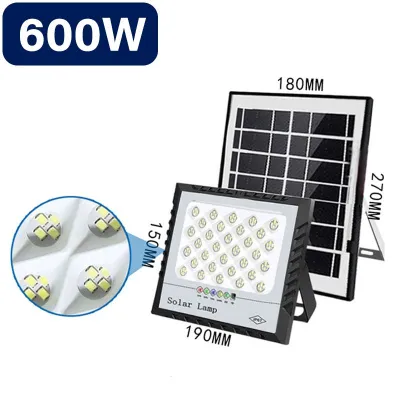
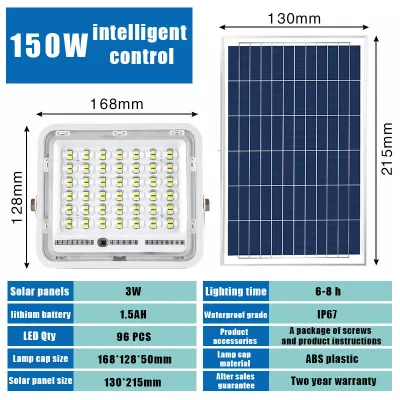
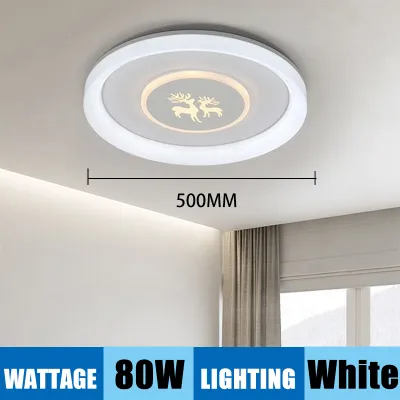
Prices are valid at publication and may change. Please refer to the product page for the latest price.
The local tropical climate is another critical factor to consider. Outdoor fixtures on Philippine balconies face extreme weather conditions throughout the year. High humidity levels, intense daytime heat, and sudden torrential downpours during the monsoon season can quickly ruin standard indoor electronics. Selecting durable, weather-resistant materials that can withstand these thermal and moisture fluctuations is essential to prevent short circuits, corrosion, and premature product failure.
Creating a truly cozy ambiance in this environment means avoiding harsh, glaring floodlights in favor of warm, diffused, and layered illumination. Glaring overhead bulbs can cause eye strain and make a small outdoor space feel stark and uninviting. By scattering softer, indirect light sources at different heights, you can create a balanced environment that feels warm, relaxing, and visually expansive.
Key Specifications to Verify in the Oxhead Official Store
When browsing the oxhead official store, it is important to look beyond basic product photos and carefully evaluate technical specifications. Because inventory and specific model numbers can change, checking the product listings for key performance indicators ensures you select a safe and compatible setup.

First, verify the Ingress Protection (IP) rating to confirm weather resistance. Do not assume all LED lights are waterproof. For fully exposed balconies that experience direct rain, look for products rated IP65 or IP67, which indicates they are sealed against dust and water jets. If your balcony is deeply recessed and well-protected from direct rainfall, an IP44 rating may be sufficient to handle ambient moisture and humidity, but higher protection is always recommended for outdoor use.
Second, pay close attention to color temperature, which is a conditional preference that dramatically affects the spatial feel of your balcony. For a relaxing, intimate atmosphere, select lights labeled with a warm white color temperature, typically between 2700K and 3000K. Avoid cool white or daylight options (5000K to 6500K), as these emit a clinical, blue-toned light that is better suited for task-oriented indoor workspaces rather than a relaxing outdoor sanctuary.
Third, match the product’s power source options with your balcony’s layout. The oxhead official store offers various configurations, including standard 220V plug-in units, USB-powered models, battery-operated setups, and solar-powered fixtures. If your balcony lacks an outdoor electrical outlet, USB-powered lights connected to a weather-protected power bank or solar-powered options that capture daytime sunlight are highly practical alternatives. Always verify that the input voltage matches the local 220V grid to prevent electrical hazards.
Fourth, consider the dimming method and smart control options. Having the ability to adjust brightness levels allows you to adapt the space for different activities, such as reading a book versus hosting a quiet evening gathering. Check the product specifications to see if a remote control is included, or if the lights are compatible with external dimming accessories and smart home applications.
Finally, always check for electrical safety certifications, wattage limits, physical dimensions, and interface specifications on the product page. Ensuring the product meets safety standards protects your condo’s electrical system from overloads and reduces fire risks associated with low-quality outdoor wiring.
Best Oxhead Lighting Styles for a Cozy Balcony Setup
Selecting the right style of light depends on where you plan to place it and the specific visual effect you want to achieve. The oxhead official store features three primary categories of ambient lighting that work beautifully in a condo balcony setting.
Neon Flex Lights for Railings and Outlines
Neon flex lights are an excellent choice for modern, streamlined balcony designs. Unlike traditional LED strips, which often show individual glowing “dots” or hot spots, neon flex utilizes a dense arrangement of LEDs encased in a thick, flexible diffusing jacket. This design produces a continuous, uniform line of light that mimics classic neon glass tubes while consuming far less power.
These lights are highly versatile and can be used to outline the top or bottom edges of your balcony railings, frame outdoor mirrors, or bend into custom geometric shapes on a privacy screen. The continuous glow provides excellent ambient illumination without being harsh on the eyes. When purchasing neon flex, always verify that the outer jacket is made of UV-resistant silicone or high-grade PVC. Prolonged exposure to intense Philippine sunlight can cause low-quality plastics to yellow, harden, and crack over time, which compromises the waterproof seal.
LED Strip Lights for Hidden and Indirect Glow
For those who prefer a subtle, sophisticated look, LED strip lights are the perfect solution for creating indirect illumination. By hiding the light source itself, you only see the soft glow reflecting off surrounding surfaces, which adds depth and makes a small balcony feel larger.
Try mounting these flexible strips under the top edge of your balcony railing, behind large potted plants to cast dramatic shadows, or along the floor baseboards to create a “floating” floor effect. This indirect placement keeps the physical strips hidden from view during the day while providing a beautiful wash of light at night.
Because outdoor surfaces like concrete, metal, or treated wood can be difficult to bond with standard adhesives, check the backing tape specifications of the LED strips. Look for strips that feature heavy-duty, weather-resistant adhesive, or plan to use mounting clips and outdoor-safe silicone adhesive to secure them in place. Additionally, verify if the strips feature designated cutting marks, allowing you to safely trim them to the exact length of your balcony without damaging the internal circuitry.
String Lights for Plants and Overhead Draping
If you want to achieve a classic, cafe-style atmosphere, string lights or fairy lights are a timeless addition. They bring a soft, whimsical charm that instantly makes any outdoor space feel more inviting and relaxed.
You can drape these lights gracefully over privacy screens, wrap them around the trunks and branches of tall balcony plants, or hang them in loose swags across the ceiling if your condo rules permit overhead attachments. The organic spacing of the bulbs breaks up the straight lines of modern condo architecture.
Pay close attention to the construction of the wire harness. Opt for thick, rubber-coated cables or sturdy copper wires that can withstand constant exposure to wind, humidity, and occasional tugging during maintenance. Combining different bulb shapes, such as classic Edison-style bulbs or small globe lights, can add visual interest and a more personalized touch to your setup.
Safe Installation and Care in a Tropical Climate
Proper installation and regular maintenance are essential to keep your balcony lighting safe and functional in a tropical climate. Taking a few extra precautions during setup can protect your investment of several thousand pesos (₱) and ensure your system lasts for years.
Surface preparation is the first step to a successful installation. Before applying any adhesive backing or mounting clips, thoroughly clean the area with isopropyl alcohol to remove dust, grime, and oily residues left by pollution and humidity. Allow the surface to dry completely; attempting to stick adhesive strips to a damp or dirty railing will inevitably cause them to peel and fall within a few weeks.
Carefully plan the routing of all electrical cables to ensure safety and longevity. Keep wires clear of water drainage paths, sliding door tracks, and high-traffic walkways where they could be pinched, damaged, or present a tripping hazard. Secure loose cables with outdoor-rated zip ties or cable clips to prevent them from flapping and wearing down during windy storms.
Even if your lights are rated for outdoor use, power adapters, controllers, and plug connections are often the most vulnerable points for water ingress. Always keep these components sheltered from direct rain, ideally placing them inside a weatherproof electrical enclosure box. If you must use an extension cord, ensure it is specifically rated for outdoor use, and never overload a single balcony outlet with multiple high-wattage devices. Always isolate the power supply by unplugging the system or turning off the breaker before performing any installation, adjustment, or maintenance in damp areas.
Conduct periodic visual inspections of your balcony lighting system to check for signs of wear, frayed wires, or moisture building up inside the light casings. If your desired setup requires drilling into structural concrete, suspended heavy loads, or tapping directly into your condo’s main electrical wiring, do not attempt to do this yourself. Stop and consult your condominium’s property management office or hire a licensed electrician to ensure compliance with building safety codes and to prevent voiding your property warranties.
Frequently Asked Questions (FAQ)
Can I use indoor Oxhead LED strips on my condo balcony?
No, you should never use indoor-rated Oxhead LED strips on an outdoor balcony, even if the area is partially covered. Indoor strips lack the protective silicone coating or PVC sleeving required to seal out moisture, dust, and humidity. Using them outdoors exposes the delicate circuitry to atmospheric moisture, which can lead to rapid corrosion, electrical short circuits, or potential fire hazards. Additionally, indoor adhesives are not formulated to withstand the temperature fluctuations and humidity of a tropical climate, meaning the strips will quickly peel away from their mounting surfaces.
How do I power balcony lights if I don't have an outdoor outlet?
If your condo balcony lacks a built-in outdoor outlet, you still have several safe and effective power options. You can opt for solar-powered fixtures from the oxhead official store, provided your balcony receives several hours of direct sunlight during the day. Another highly flexible option is using USB-powered LED strips or string lights, which can be plugged into a portable power bank kept inside a weatherproof pouch. Alternatively, battery-operated lights with built-in automatic timers allow you to enjoy ambient lighting without any wiring. If you choose to run an extension cord from an indoor outlet, ensure it is a heavy-duty, outdoor-rated cord, route it carefully through a window or door gap without pinching the wire, and unplug it when not in use.

Community discussion
Share your experience or ask a question. Comments are reviewed before publication.