
The parol is the quintessential symbol of the Filipino Christmas, representing the Star of Bethlehem that guided the Three Wise Men. Traditionally crafted from bamboo and colorful Japanese paper, and later illuminated by incandescent bulbs, this beloved holiday icon has undergone a modern, eco-friendly evolution. Homeowners across the Philippines are increasingly turning to a parol with solar lights to decorate their facades, gates, and balconies. This shift combines deep-rooted cultural heritage with sustainable technology, offering a brilliant festive display without the burden of rising December electricity bills.
Selecting the right solar-powered decoration requires balancing traditional aesthetics with modern technical specifications. Because these fixtures are exposed to tropical weather conditions, understanding materials, battery capacities, and installation safety is key to ensuring your holiday display remains bright throughout the festive season. This guide explores the most popular design styles, essential technical features to verify, and practical installation tips to help you make an informed decision.
Why Choose a Parol with Solar Lights for the Christmas Season
Upgrading to a solar-powered holiday display offers several distinct advantages over traditional plug-in decorations. The most immediate benefit is the elimination of complex electrical wiring. Traditional outdoor parols require running long extension cords from indoor outlets across gardens, lawns, or balconies. In a tropical climate prone to sudden December rain showers, these exposed electrical connections present real safety hazards, including short circuits or electrical shocks. A solar-powered parol operates on a self-contained, low-voltage direct current (DC) system, removing these risks entirely.
Products mentioned in this guide
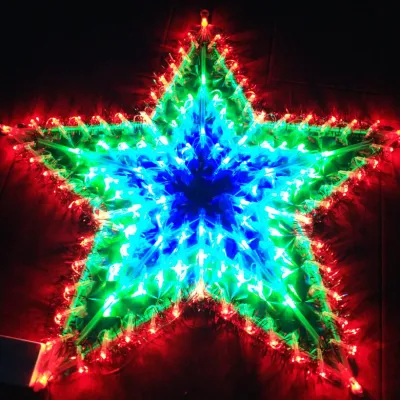
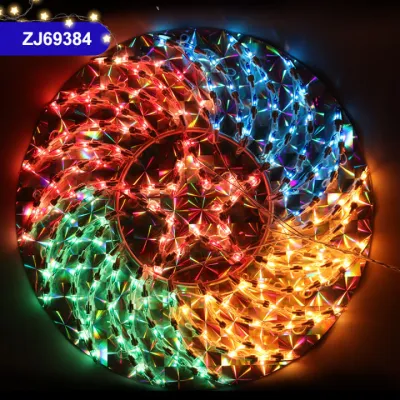
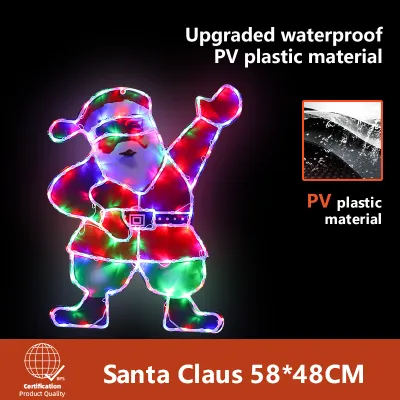
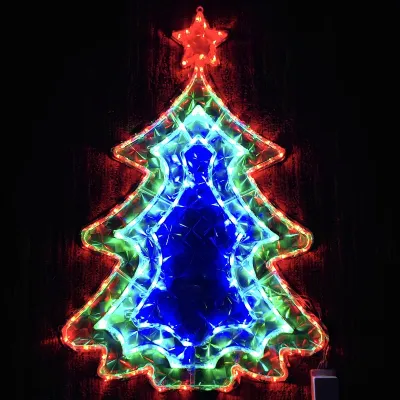
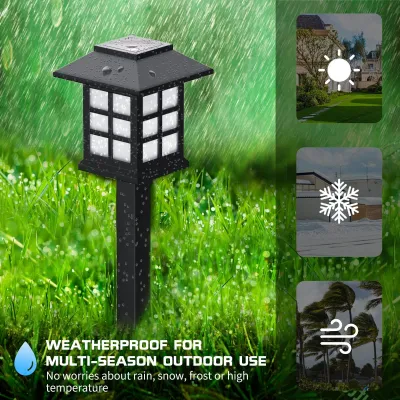
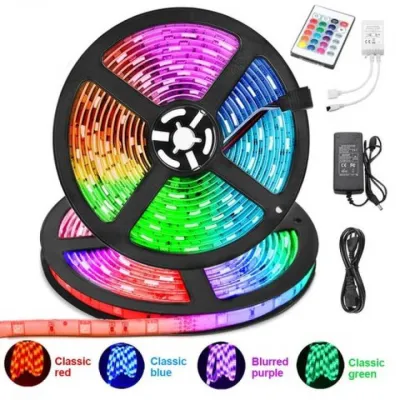
Prices are valid at publication and may change. Please refer to the product page for the latest price.
Financial savings represent another compelling reason to make the switch. Utility rates in the Philippines are among the highest in the region, and running multiple high-wattage incandescent decorations for six to eight hours every night can significantly inflate your December electricity bill. Solar parols harness abundant daytime sunlight to power energy-efficient light-emitting diodes (LEDs) at night, allowing you to maintain a festive home exterior at zero operating cost.
Convenience is also built directly into the technology. Most solar-powered parols feature integrated photosensors that enable automatic dusk-to-dawn operation. Once installed, the system detects falling light levels at sunset and automatically illuminates the parol, then switches off at sunrise to begin recharging. This eliminates the daily chore of manually plugging in, unplugging, or setting mechanical timers for your holiday lights.
Popular Solar Parol Design Styles to Match Your Home
Traditional Star Shapes with Modern Illumination
Classic five-pointed or multi-pointed star silhouettes remain the most recognizable and sought-after parol designs. These styles preserve the nostalgic, historical appearance of the traditional Filipino star while replacing delicate paper backing with durable, weather-resistant materials. Modern manufacturers often utilize frames made of treated bamboo, lightweight rattan, or powder-coated metal wire to maintain the classic structural shape.

Instead of fragile incandescent bulbs, these frames are wrapped in flexible, outdoor-grade solar LED strip lights or copper-wire fairy lights. The LEDs are secured along the contours of the star to highlight its geometric symmetry. When choosing a traditional design, look for metal frames with anti-rust coatings, as untreated wire can quickly corrode when exposed to high tropical humidity and salty coastal air.
Contemporary Geometric and Minimalist Patterns
For modern townhouses, minimalist architectural designs, or urban condominiums, contemporary solar parols offer a sleek alternative to highly ornate traditional styles. These designs often feature abstract geometric patterns, multi-layered wireframe structures, and clean metallic finishes. Rather than filling the entire body of the star with solid materials, they rely on negative space and precise lines to create visual interest.
Minimalist parols frequently utilize single-color LEDs, such as warm white or cool white, to project a sophisticated, subtle curb appeal. These streamlined fixtures are exceptionally easy to integrate into modern steel gates, concrete fences, or glass balcony railings. Because they lack dense decorative backing, they also experience lower wind resistance, making them highly stable during breezy December nights.
Capiz Shell and Translucent Material Effects
Capiz shells, harvested from the windowpane oyster, are a hallmark of traditional Filipino craftsmanship. When used in a parol, Capiz shells naturally diffuse the light from internal LEDs, transforming harsh, pinpoint light sources into a soft, warm, and enchanting glow. The natural pearlescent sheen of the shells provides an elegant appearance even during the daytime when the lights are turned off.
Because genuine Capiz is fragile, heavy, and susceptible to cracking under high winds or heavy rain, high-quality synthetic alternatives are widely available. Panels made of translucent acrylic, resin, or UV-stabilized PVC mimic the look of genuine shell while offering superior impact resistance and lighter overall weight. If you choose genuine Capiz, ensure the parol is hung in a semi-sheltered area, such as a covered porch or veranda, to protect it from direct exposure to severe weather.
Essential Features to Check Before Buying
To ensure your solar parol operates reliably throughout the holiday season, you must evaluate its technical components before purchasing. Not all solar lighting systems are engineered equally, and checking specific product labels will prevent premature failure.
- Solar Panel Type and Placement: Look for monocrystalline solar panels, which offer higher energy conversion efficiency (typically 15% to 22%) compared to cheaper polycrystalline panels (around 13% to 16%). This efficiency difference is crucial during overcast or rainy December days when sunlight is limited. Additionally, prioritize models with a detachable solar panel connected to the parol by a long, weather-sealed cable. This allows you to hang the parol in a shaded area, such as under an eave, while positioning the panel on a roof or garden stake in direct sunlight.
- Battery Capacity and Replaceability: Check the product specifications for battery chemistry and capacity, measured in milliampere-hours (mAh). Lithium-ion (Li-ion) or Lithium Iron Phosphate (LiFePO4) batteries are highly recommended over older Nickel-Metal Hydride (NiMH) types, as they offer faster charging, deeper discharge cycles, and longer overall lifespans. Ensure the battery compartment is accessible and uses standard, replaceable cell sizes. Solar batteries naturally degrade after one to three years; choosing a model with a user-replaceable battery ensures you do not have to discard the entire parol when the battery eventually loses its capacity.
- Lighting Modes and Color Temperature: Verify the available lighting modes on the solar controller. Many models offer multiple settings, including steady-on, slow fade, flashing, and chasing patterns. Color temperature is a matter of personal preference but heavily influences your home's aesthetic. Warm white LEDs (2700K to 3000K) evoke a cozy, traditional, and welcoming atmosphere, while cool white (5000K to 6500K) or multi-colored RGB LEDs provide a more vibrant, modern, and energetic holiday look.
- Weather Resistance: Always check the Ingress Protection (IP) rating on the product packaging. An IP44 rating is the absolute minimum for outdoor use, indicating protection against splashing water. However, for parols fully exposed to heavy tropical downpours and strong winds, look for an IP65 or higher rating. This certifies that the solar panel housing, battery compartment, and wire connectors are completely dust-tight and protected against water jets from any direction.
Safe Installation and Weatherproofing Tips
Installing your solar parol safely requires accounting for physical loads, electrical connections, and environmental exposure. Proper planning prevents damage to your home and ensures the fixture remains secure during seasonal weather shifts.
Mounting and Wind Load
The holiday season in the Philippines often coincides with the northeast monsoon (Amihan), which can bring strong, sustained winds. Large parols act like sails, catching the wind and putting significant stress on their mounting points. Secure the parol frame tightly using heavy-duty, UV-resistant nylon cable ties, galvanized steel wire, or dedicated mounting brackets. Never hang a heavy or wide-span parol from weak plastic gutters, thin tree branches, or loose decorative trim. Anchor the fixture to solid structural elements like wooden beams, concrete pillars, or metal balcony railings.
Electrical and Physical Safety
Before hanging your parol, carefully inspect the entire length of the wiring for any signs of fraying, cracks, or exposed copper. Even though solar systems operate on low-voltage DC power, damaged wires can cause system failures or short circuits that ruin the battery controller. Position the battery housing and all cable connectors away from direct water runoff paths, such as directly beneath roof valleys or gutter downspouts. Use outdoor-grade electrical tape or silicone sealant to wrap any plug connections that lack built-in rubber gaskets.
Sunlight Optimization
To achieve the maximum illumination time at night, your solar panel must receive unobstructed, direct sunlight for at least six hours during the day. Mount the panel facing south or southwest, which aligns with the sun’s path during the winter months in the northern hemisphere. Ensure the panel is completely clear of shadows cast by overhanging roofs, trees, power lines, or neighboring structures, particularly during the peak sunlight hours of 10:00 AM to 3:00 PM. Even partial shading on a small portion of a solar panel can drastically reduce its total energy output.
Professional Help Boundary
While mounting a small, lightweight parol is a straightforward DIY task, larger installations require caution. If your desired setup involves drilling anchors into concrete structural beams, running permanent conduit, integrating a hybrid solar-AC backup system, or working at dangerous heights on tall ladders or scaffolding, do not attempt a risky installation. Consult a qualified professional installer or certified electrician to ensure the structural and electrical integrity of your display.
Post-Holiday Maintenance and Storage
Proper care at the end of the holiday season is essential to preserve the life of your solar parol, ensuring it remains fully functional and vibrant for the next Christmas celebration.
Cleaning
Before packing the parol away, clean the solar panel to remove accumulated dust, pollen, bird droppings, and salt residue, all of which block sunlight and degrade the panel’s protective coating over time. Wipe the panel surface gently using a soft, damp microfiber cloth. Avoid using abrasive scrubbing pads, steel wool, or harsh chemical cleaners, as these can scratch the glass or plastic cover, permanently reducing its light transmission. For the parol body, use a dry, soft-bristled brush or a static duster to clean delicate translucent panels or Capiz-like materials without applying excessive pressure.
Battery Care
The most critical maintenance step is managing the rechargeable batteries before long-term storage. Open the battery compartment and carefully remove all batteries. Storing electronic devices for eight to nine months with batteries left inside often leads to chemical leakage, terminal corrosion, and permanent ruin of the electrical contacts. Store the removed batteries in a cool, dry battery organizer, or plan to recycle and replace them if they have reached the end of their functional lifespan.
Storage Conditions
Store the parol in a cool, dry, and well-ventilated indoor space where temperatures remain relatively stable. Avoid hot, unventilated attics or damp crawlspaces, as extreme heat and humidity can warp plastic frames, degrade synthetic materials, and cause internal electronic corrosion. Keep the parol in its original packaging or a sturdy, padded plastic storage box to protect it from dust, insects, moisture, and accidental crushing under other stored items.
Frequently Asked Questions (FAQ)
Can I use a solar parol indoors?
Yes, you can use a solar parol indoors, but only if the solar panel itself is positioned outdoors. Because window glass filters out significant portions of the light spectrum and indoor lighting is insufficient to charge solar cells, placing the panel inside a room will result in a dead battery. To use the parol indoors, select a model with a long, detachable connection cable. Hang the parol in your living room or window, run the cable through a window frame or wall port, and mount the solar panel outside in direct, unobstructed sunlight.
How long do the solar batteries typically last?
Standard rechargeable batteries used in solar holiday decorations typically last between one and three years, depending on the battery chemistry, daily charge-discharge cycles, and environmental heat exposure. High ambient temperatures, common in tropical climates, can accelerate battery degradation. To maximize the lifespan of your parol, choose models that utilize high-quality Lithium-ion or LiFePO4 batteries, and always purchase fixtures with easily accessible, user-replaceable battery compartments so you can swap out degraded cells instead of replacing the entire decoration.
Community discussion
Share your experience or ask a question. Comments are reviewed before publication.