
Condominium living in urban centers like Metro Manila often requires smart space optimization. When square footage is at a premium, every piece of furniture and decor must justify its footprint. Traditional table lamps and bulky floor fixtures can crowd bedside tables and narrow hallways. This is where a high-quality night light plug in becomes an essential addition, offering a low-profile solution that keeps floor and table surfaces completely clear.
Selecting the ideal plug-in night light requires understanding the layout of your condo and the specific needs of each zone. While a hallway requires clear, automated path lighting to prevent midnight trips, a bedroom demands soft, warm tones that encourage relaxation. By matching the right type of plug-in light—ranging from motion-activated pathway guides to ambient sunset projection lamps—to each room, you can create a safe, energy-efficient, and visually comforting environment.
Understanding the distinction between functional navigation lighting and ambient mood lighting is the first step toward a well-lit home. Functional lighting focuses on safety, illuminating potential obstacles without waking up the household. Ambient lighting, on the other hand, is designed to influence your emotional state, helping you wind down after a busy day. Balancing these two elements involves looking closely at key technical specifications, including brightness levels, color temperature, and sensor mechanisms.
Products mentioned in this guide
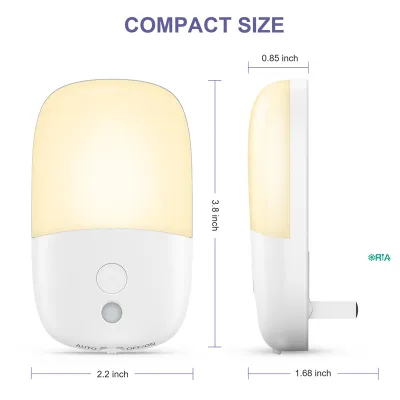
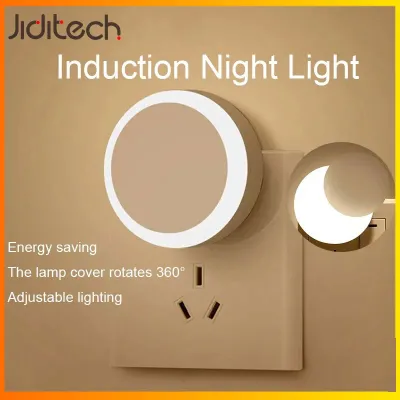
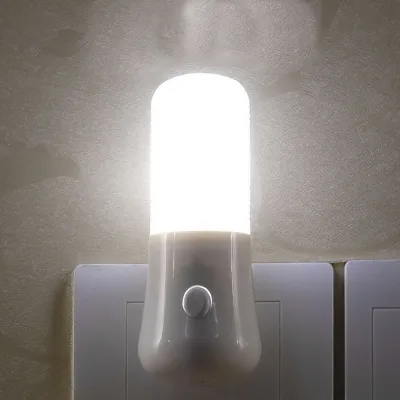
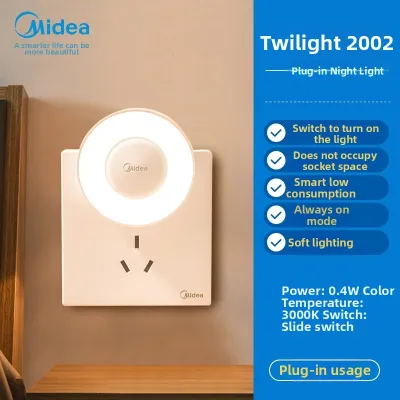
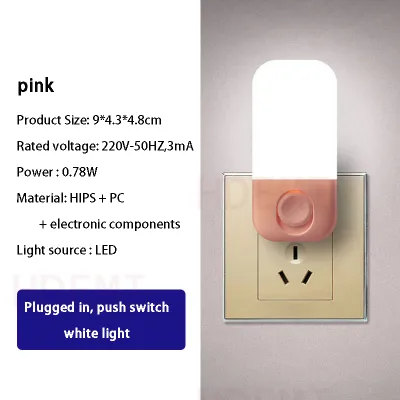
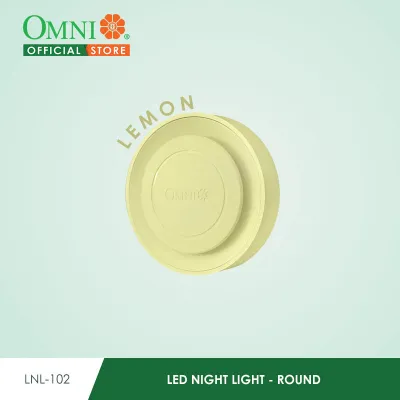
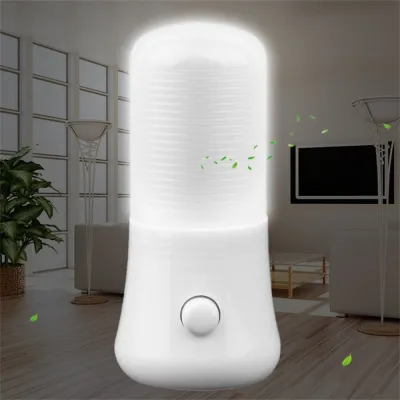
Prices are valid at publication and may change. Please refer to the product page for the latest price.
Bedroom: Winding Down with Sunset and Warm Mood Lights
The bedroom is your personal sanctuary, meaning the lighting here must actively support your body’s natural sleep-wake cycle. Exposure to harsh, blue-toned light in the evening can suppress melatonin production, making it difficult to fall asleep after a long day of work or study. To prevent this disruption, select plug-in night lights that emit warm color temperatures, ideally between 2000K and 2700K. These warm, amber hues mimic the natural tones of sunset, signaling to your brain that it is time to wind down and prepare for rest.
Integrating a sunset lamp or a warm mood light into your evening routine can significantly enhance your transition to sleep. These specialized plug-in fixtures project a soft, diffused glow across your walls, creating a serene, visually interesting atmosphere. Instead of relying on bright overhead lights while preparing for bed, using a low-wattage warm light allows your eyes to adjust gradually to the dark. This gentle transition helps reduce eye strain and prepares your mind for a deeper, more restorative sleep.
Strategic placement is critical when installing a night light in the bedroom. To prevent direct glare from disrupting your rest, avoid plugging the device into an outlet directly opposite or beside your bed. Instead, choose a low wall outlet that is partially shielded by a piece of furniture, or position the light so it points toward a blank wall. This technique utilizes indirect lighting, bouncing the glow off the wall surface to create a soft, non-intrusive wash of light that illuminates the floor without shining directly into your eyes.
For maximum versatility, look for plug-in models that feature dimming capabilities. A dimmable night light allows you to adjust the brightness based on your immediate needs. You can set it to a slightly higher level while reading or organizing your space, then dim it to a bare whisper of light once you are ready to close your eyes. This flexibility ensures your bedroom remains highly functional without sacrificing sleep quality, giving you complete control over your evening environment.
Bathroom: Safe Midnight Navigation Without Harsh Glare
Waking up in the middle of the night to use the bathroom can be a jarring experience if you are forced to turn on bright, clinical overhead lights. This sudden exposure to high-intensity light triggers a state of alertness, disrupting your sleep inertia and making it difficult to drift back to sleep. A low-brightness plug-in night light solves this issue by providing just enough illumination to navigate the space safely without fully waking your brain.

For bathroom environments, keeping the brightness level exceptionally low—typically under 10 lumens—is highly recommended. Soft neutral or warm amber tones are ideal because they are gentle on dark-adapted eyes. This subtle illumination allows you to perform necessary tasks safely while maintaining a deeply relaxed state, ensuring you can return to bed and fall asleep again almost immediately.
However, installing electrical devices in a bathroom requires careful attention to safety boundaries. Because bathrooms are high-humidity environments prone to moisture accumulation, you must never place a plug-in night light where it could face direct water exposure, such as immediately adjacent to sinks, bathtubs, or showers. Always inspect the area around your chosen outlet to ensure it is completely dry and shielded from splashes.
Before purchasing a plug-in unit for the bathroom, take the time to check the manufacturer’s IP (Ingress Protection) rating and safety guidelines. In tropical climates, where indoor humidity can remain high throughout the year, choosing a device rated for damp locations adds an important layer of electrical safety. If the manufacturer’s instructions indicate the device is not suitable for high-humidity environments, it is best to locate the light just outside the bathroom door to illuminate the threshold safely instead. If you are unsure about the electrical safety of an outlet in a damp area, consult a qualified professional to inspect or install a ground-fault circuit interrupter (GFCI) outlet.
Hallways: Automated Path Lighting for Narrow Spaces
Condo hallways and corridors are often narrow, windowless spaces that become pitch black once the sun goes down. Navigating these paths in the dark presents a clear safety hazard, yet leaving overhead corridor lights on all night is both energy-inefficient and disruptive to nearby bedrooms. Automated plug-in night lights offer the perfect compromise, activating only when needed to guide your steps safely.
To achieve hands-free operation, look for plug-in models equipped with motion sensors or dusk-to-dawn optical sensors. Motion-activated lights are highly efficient because they remain off until they detect movement within a specific range, illuminating your path instantly as you step into the hallway. Alternatively, dusk-to-dawn sensors use a small light sensor to detect ambient light levels, automatically turning the night light on at sunset and off at sunrise. This automation ensures you never have to fumble for a light switch in the dark.
The design of the light fixture itself plays a major role in hallway safety. Opt for directional lighting designs, such as louvered faceplates or downward-pointing LEDs, which cast their glow directly onto the floor. This targeted illumination highlights potential tripping hazards on the ground while keeping the light source below eye level, preventing uncomfortable glare as you walk down the narrow corridor.
When selecting a hallway night light, you must also consider the physical constraints of your condo’s outlets. Many modern condominiums feature wall outlets installed in horizontal orientations rather than the traditional vertical alignment. A bulky or poorly designed plug-in light can easily block adjacent outlets, preventing you from using them for vacuum cleaners or other appliances. Additionally, if you use a hybrid model with a small power cord, ensure the cord is secured neatly against the baseboard to prevent it from becoming a tripping hazard in tight spaces.
Living Areas: Enhancing Evening Relaxation with Mood Lamps
The living room is the heart of the condo, serving as a multi-functional space for entertainment, remote work, and evening relaxation. As the day transitions into night, adjusting the lighting helps signal a shift from productive energy to quiet rest. Integrating plug-in mood lamps and sunset projection lights into your living area is an excellent way to soften the environment without relying on harsh overhead fixtures.
These ambient plug-in devices are designed to project vibrant colors and artistic light patterns across your walls and ceilings. Many modern models feature adjustable color modes, allowing you to choose between deep sunset oranges, warm forest greens, or calming ocean blues. This visual transformation instantly alters the perception of your living space, making a compact condo feel cozy, expansive, and deeply relaxing.
It is important to recognize that these decorative mood lights serve a very different purpose than standard path-lighting devices. While a hallway night light is designed to illuminate the floor for safe walking, a sunset projection lamp is a styling tool meant to paint vertical surfaces with rich color. Because they project light upward and outward, they do not provide the focused, downward illumination required for safe navigation in dark corridors. Use them to set the mood while awake, but rely on dedicated sensor lights for overnight safety.
What to Check Before Buying a Night Light Plug In
Before purchasing any plug-in night light, conducting a quick compatibility and safety check will save you from common installation headaches.
Brightness and Color: Evaluate the lumens and Kelvin rating of the device before buying. For bedrooms and bathrooms, target low-lumen outputs (5 to 10 lumens) with warm color temperatures (2000K to 2700K). For living areas or decorative accent walls, higher lumen outputs and adjustable color ranges are more appropriate.
Sensor Type: Choose a sensor style that matches the room’s traffic patterns. Motion-activated sensors are ideal for hallways and bathrooms where temporary light is needed, whereas dusk-to-dawn optical sensors work best in common areas where continuous low-level visibility is desired throughout the night.
Physical Footprint: Inspect the physical dimensions of the night light and compare them to your wall outlets. Ensure the body of the light is compact enough to leave the second outlet on a standard duplex wall plate completely accessible. If your condo uses horizontal outlets, look for plug-in designs with rotating prongs that can be adjusted to sit upright.
Power and Electrical Compatibility: Always verify that the night light is compatible with local electrical standards. In the Philippines, the standard household voltage is 220V at 60Hz. Using a device designed solely for 110V systems without a proper transformer can result in electrical failure or safety hazards. Additionally, ensure the plug pins match your wall receptacles (typically Type A or Type B flat-pin configurations) to guarantee a secure, stable connection. Look for local electrical safety certifications or compliance markings on the packaging before plugging any device into your wall.
Frequently Asked Questions (FAQ)
Can I use a sunset lamp as a primary night light for navigation?
No, a sunset lamp is designed primarily for aesthetic wall projection and does not provide the focused, downward illumination needed for safe nighttime walking. Because these lamps project light outward and upward to create artistic visual effects, they can cause glare when viewed directly at eye level. For navigating dark hallways or staircases safely, it is highly recommended to use dedicated downward-facing motion-sensor or dusk-to-dawn plug-in lights.
Are plug-in night lights safe to leave on all night?
Yes, modern LED plug-in night lights are designed to be highly energy-efficient and generate minimal heat, making them safe for continuous overnight use. However, you must always follow the manufacturer’s specific safety instructions. To prevent fire hazards, ensure the night light is not covered by curtains, bedding, or other fabrics, and verify that the wall outlet is in good physical condition and not overloaded with multiple heavy-duty appliances.
Community discussion
Share your experience or ask a question. Comments are reviewed before publication.