
A high-rise condo balcony offers a precious personal escape from the bustling pace of Philippine urban centers. However, transforming a small concrete outdoor space into a relaxing sanctuary requires careful attention to lighting. Standard overhead balcony fixtures are often too bright, casting harsh shadows that make the space feel clinical rather than cozy. This is where outdoor post lights—often referred to as bollard lights or pedestal lights—become an exceptional design choice.
Unlike overhead lights that flood the entire space or string lights that can sometimes look cluttered, post lights provide focused, low-level illumination. By casting light downward and outward at the floor level, they create a warm, grounded glow that makes a small balcony feel more spacious and intimate. Positioning lights at a lower level also preserves your view of the city skyline, preventing glare from reflecting off the balcony glass. Choosing the right post light style involves balancing your personal design aesthetic with the unique environmental and structural constraints of condominium living.
To help you design the perfect evening retreat, this guide explores the essential technical features to verify before purchasing, details the top post light styles that complement condo balconies, and outlines critical safety and installation steps tailored for the Philippine climate.
Products mentioned in this guide
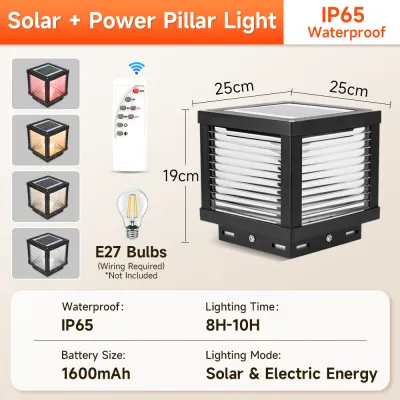
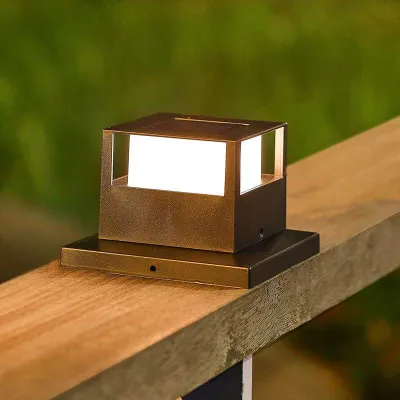
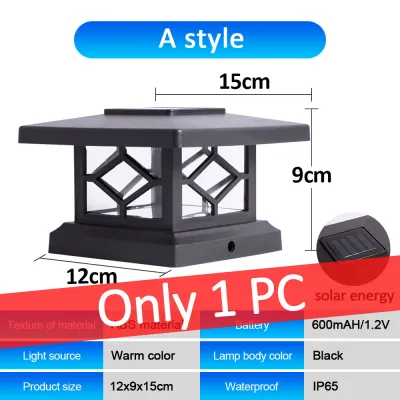
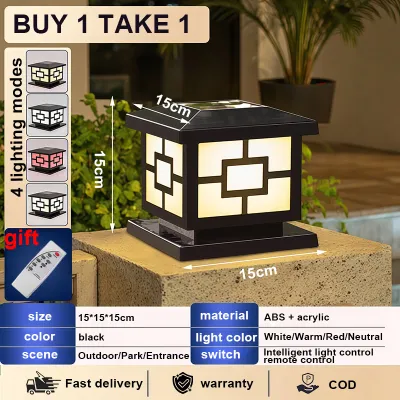
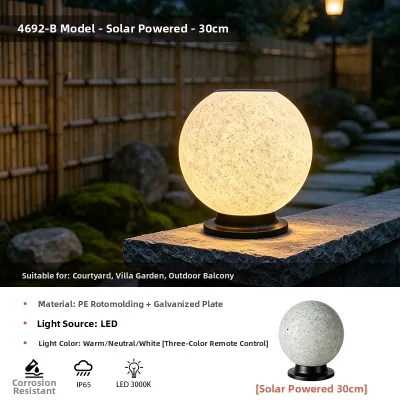
Prices are valid at publication and may change. Please refer to the product page for the latest price.
Key Features to Check Before Buying Balcony Post Lights
Selecting a post light for a condo balcony requires looking beyond visual appeal. Because these fixtures will be exposed to the elements, you must verify several technical specifications to ensure safety, durability, and performance.
Power Source and Voltage Compatibility
Before purchasing any post light, you must determine how it will receive power and verify that it matches your balcony’s layout:
- Plug-In Fixtures: These standard fixtures connect directly to an electrical outlet. In the Philippines, you must ensure the light is rated for the standard household voltage of 220V at 60Hz. Plug-in options provide consistent, reliable brightness but require an accessible, outdoor-rated outlet on your balcony.
- Rechargeable Battery-Powered Lights: These highly portable fixtures are ideal if your balcony lacks an outdoor outlet. They typically charge via USB-C and can be moved around easily. When choosing battery-powered options, check the manufacturer's specified battery life per charge and ensure the charging port is protected by a secure rubber seal.
- Solar-Powered Lights: Solar post lights are incredibly convenient because they require no wiring. However, they rely entirely on direct, unshaded sunlight to charge their internal batteries. Because many condo balconies are covered by the floor above or shaded by neighboring towers, solar lights may not receive enough sunlight to operate reliably. If you choose solar, verify that your balcony receives at least four to six hours of direct sunlight daily.
Weather Resistance and IP Ratings
Balcony lights are subjected to high humidity, intense tropical sun, and driving rain, especially during the monsoon season. You must check the fixture’s Ingress Protection (IP) rating to ensure it can withstand these conditions:
- IP44 Rating: This is the minimum recommended rating for covered or semi-enclosed balconies. It indicates the fixture is protected against solid objects larger than 1mm and splashes of water from any direction.
- IP65 or Higher Rating: If your balcony is completely open to the sky or highly exposed to wind-blown rain, look for an IP65 rating. This ensures the light is completely dust-tight and can withstand low-pressure water jets from any angle.
Size, Height, and Proportion
In a compact condo balcony, scale is everything. Standard garden post lights designed for spacious lawns are often too tall and bulky for a balcony.
- Height Selection: Look for compact pedestal or bollard styles that stand between 30 to 60 centimeters tall. This height keeps the light source below eye level when you are seated, preventing uncomfortable glare.
- Footprint: Choose fixtures with a slim profile or a compact base (under 20 centimeters in diameter) to preserve precious floor space for bistro sets, loungers, or potted plants.
Color Temperature and Dimming
To achieve a cozy, relaxing atmosphere, the color temperature of your light source is critical. Color temperature is measured in Kelvins (K):
- Warm White (2700K to 3000K): This range is highly recommended for ambient balcony lighting. It emits a soft, golden glow that mimics candlelight, helping you wind down after a long day. Avoid cool white (4000K to 6500K) bulbs, which can feel harsh, sterile, and attract more insects.
- Dimming Capabilities: If your chosen post light features integrated LEDs, check if it supports dimming. Adjustable brightness allows you to transition the balcony from a well-lit reading nook to a low-lit, intimate space for late-night conversations.
Material Durability for Tropical Climates
The combination of high humidity, intense UV exposure, and salt air (particularly in coastal metropolitan areas like Manila Bay) can rapidly degrade low-quality materials. Check product labels and manufacturer specifications for these durable materials:
- Powder-Coated Aluminum: This lightweight metal is highly resistant to rust and corrosion, making it an excellent choice for tropical environments.
- Heavy-Duty Synthetic Resins and Polymers: High-quality composite plastics resist UV degradation, meaning they won't crack, fade, or become brittle under intense sunlight.
- Marine-Grade Stainless Steel: If your budget allows, marine-grade (316) stainless steel offers the ultimate protection against rust, even in coastal environments.
Top Post Light Styles for Condo Balconies
Once you have verified the necessary technical specifications, you can choose a style that complements your personal decor and enhances the architectural character of your condominium.

Lantern-Style Post Lights for Classic Warmth
Lantern-style post lights offer a timeless, traditional aesthetic that brings a sense of classic warmth to modern condo balconies. These designs often feature vintage-inspired metal frames that house a central bulb, reminiscent of old-world streetlamps.
- Aesthetic and Vibe: Typically finished in matte black, oil-rubbed bronze, or antique brass, lantern post lights pair beautifully with classic, rustic, or industrial balcony decor. They look exceptionally elegant when paired with wrought-iron bistro furniture, wooden decking tiles, and climbing ivy.
- Best Use Case: Because they emit light in a 360-degree pattern, lantern-style lights are perfect for placing in the corners of your balcony or flanking a small seating area. This placement grounds the space and creates a balanced, symmetrical look.
- Limitations and What to Check: Traditional lanterns often feature glass panels, which can be heavy and fragile. On high-rise balconies prone to strong wind gusts, glass panels pose a safety hazard if the fixture tips over. To mitigate this risk, look for fixtures that utilize shatter-resistant acrylic or polycarbonate panels instead of real glass. Additionally, verify that the base is heavy enough to remain stable, or plan to secure the light to a heavy decorative planter.
Minimalist Cylinder and Tube Post Lights
For condos with a modern, contemporary, or minimalist design, sleek cylindrical or square tube post lights are an ideal choice. These fixtures focus on clean lines, geometric simplicity, and architectural integration.
- Aesthetic and Vibe: Featuring smooth metallic finishes like brushed aluminum, charcoal gray, or matte black, these lights are designed to blend seamlessly into the background during the day. At night, they provide structured, architectural lighting that highlights the clean lines of your balcony.
- Best Use Case: Minimalist tube lights often feature downward-directed light (often called "dark sky" compliant designs). This makes them perfect for placing alongside narrow balcony walkways or nesting among structural potted plants like snake plants or palms. The downward light accentuates the texture of your flooring and plants without shining directly into your eyes or your neighbors' windows.
- Limitations and What to Check: Because of their understated design, minimalist cylinder lights can look somewhat plain when turned off during the day. To ensure they provide a soft, cozy glow at night rather than a harsh spotlight effect, check that the fixture includes a frosted or diffused lens over the LED light source. Additionally, verify that the exterior finish has been treated with a UV-resistant coating to prevent fading from daily sun exposure.
Woven or Synthetic Rattan Post Lights for Tropical Vibes
If you want to transform your condo balcony into a tropical, resort-like oasis, woven post lights are a perfect match. These fixtures use textured, natural-looking materials to diffuse light, creating a highly relaxed and organic atmosphere.
- Aesthetic and Vibe: Woven designs allow light to filter through small gaps in the material, casting intricate, cozy shadow patterns across your balcony walls and floor. This style pairs effortlessly with boho-chic decor, outdoor rugs, plush floor cushions, and lush tropical foliage.
- Best Use Case: Place woven post lights close to a wall or in a corner where the beautiful shadow play can be fully appreciated. They work wonderfully as accent pieces next to a comfortable reading chair or a low coffee table.
- Limitations and What to Check: Natural materials like rattan, bamboo, or untreated wood degrade very quickly when exposed to high humidity, heavy rain, and intense tropical sun. They are prone to mold, rot, and splitting. For outdoor or semi-outdoor balcony use, you should look for fixtures made from synthetic polyethylene (PE) rattan, weather-resistant resins, or specially treated composite wood. These materials mimic the organic texture of natural fibers but can withstand harsh outdoor conditions for years.
Safety and Installation Tips for Condo Balconies
Installing lighting on a condominium balcony requires a careful approach to ensure you comply with building policies, protect the structural integrity of the building, and prevent electrical hazards.
Understanding Condo Regulations
Before purchasing or installing any exterior lighting, consult your condominium’s Property Management Office (PMO) guidelines. Many condo corporations enforce strict rules regarding the balcony area:
- Drilling Restrictions: Most PMOs strictly prohibit drilling into balcony floors, railings, or exterior walls. Drilling can compromise the building's waterproofing membranes, leading to leaks in the units below, or damage structural concrete. If drilling is prohibited, opt for freestanding post lights, weighted bases, or non-destructive mounting methods.
- Aesthetic Uniformity: Some buildings regulate the color temperature and visibility of balcony lighting from the street to maintain a uniform building facade. Ensuring your lights use warm white bulbs (2700K to 3000K) and cast light downward usually helps comply with these aesthetic guidelines.
Safe Electrical Setup
Water and electricity are a dangerous combination, especially during heavy tropical downpours. Follow these electrical safety practices:
- Outdoor-Rated Components: If you are using a plug-in post light, ensure your balcony outlet is equipped with a weatherproof, "in-use" wet-location cover. This plastic cover keeps the outlet protected even when a cord is plugged in.
- Cable Management: Route power cords along the base of the balcony wall to prevent tripping hazards. Use outdoor-rated cable clips with weather-resistant adhesive backing to secure the cords. Never run extension cords across main walkways, and avoid daisy-chaining multiple extension cords together.
- Elevating Connections: Ensure that any plug connections or inline switches are elevated off the balcony floor. During heavy rain, water can pool on balcony floors if drains become temporarily overwhelmed; keeping electrical connections elevated prevents short circuits and shock hazards.
Ensuring Wind Stability
High-rise balconies are subject to surprisingly strong wind currents, especially during typhoon season in the Philippines. A falling post light can damage your property or, worse, fall over the balcony railing.
- Weighted Bases: If you cannot drill into the floor to secure your post light, choose a model with a heavy, wide base. Alternatively, you can mount the post light onto a heavy, wide concrete or stone paver that sits on your balcony floor.
- Planter Integration: A popular and secure method is to place the post light inside a large, heavy ceramic or concrete planter filled with soil and heavy decorative stones. This adds significant weight to prevent tipping while integrating the light beautifully with your balcony greenery.
- Temporary Storage: For lightweight or portable battery-powered post lights, make it a habit to bring them indoors when severe weather or typhoon warnings are issued.
Professional Installation Boundaries
While setting up a plug-in, battery-operated, or solar post light is generally a straightforward DIY task, certain scenarios require professional expertise:
- Hardwired Installations: If you plan to install a permanent, hardwired post light that connects directly to your condo's electrical panel, you must hire a licensed electrician.
- Power Isolation: Before any electrical work begins, ensure the circuit breaker controlling the balcony outlet or light fixture is switched off. A qualified professional will verify that the power is isolated, ensure all wiring complies with the Philippine Electrical Code (PEC), and verify that the circuit is protected by a Ground Fault Circuit Interrupter (GFCI) to prevent electrical shock.
Frequently Asked Questions (FAQ)
Can I use indoor post lights on a covered condo balcony?
No, you should not use indoor-rated post lights on a covered balcony. Even if your balcony has a roof or ceiling, it is still exposed to high outdoor humidity, temperature fluctuations, and wind-blown rain. Indoor light fixtures typically carry an IP20 rating, meaning they have no protection against moisture. Using them outdoors can lead to rapid corrosion of internal electrical components, short circuits, and potential shock or fire hazards. Always verify that any fixture you place on your balcony is explicitly rated for outdoor or damp-location use by checking the manufacturer’s IP rating.
Are solar post lights bright enough for a cozy balcony?
Solar post lights can provide a beautiful, soft glow, but their performance depends entirely on your balcony’s exposure to direct sunlight. Because solar panels require unshaded, direct sun to charge their internal batteries fully, they often struggle on condo balconies that are shaded by deep concrete overhangs or neighboring buildings. If your balcony is shaded, solar lights may emit a very dim light or stop working after only an hour or two. For consistent, reliable ambient lighting on a shaded balcony, plug-in or USB-rechargeable battery-operated post lights are much more dependable options.

Community discussion
Share your experience or ask a question. Comments are reviewed before publication.