
Finding a lampshade rechargeable lighting solution that allows you to enjoy a late-night novel without waking your partner is a practical way to maintain bedroom harmony. Standard bedroom light fixtures often scatter light indiscriminately, filling the entire room with a bright glow that can easily disrupt a light sleeper. By transitioning to a portable, battery-powered fixture designed specifically for focused task lighting, you can isolate illumination to your pages.
This guide explores how to select the ideal cordless bedside lamp, comparing different form factors, beam controls, and safety considerations to ensure a peaceful night for both you and your partner. By understanding the physics of light containment and battery management, you can make an informed decision that elevates your nighttime reading experience.
Why Traditional Bedside Lamps Disrupt Your Partner's Sleep
Standard bedside lamps are generally designed for ambient room lighting rather than focused, individual tasks. They typically utilize translucent fabric, paper, or frosted glass shades that diffuse light in a 360-degree radius. This design results in “light trespass,” a phenomenon where illumination spills far beyond your reading material and directly onto your partner’s side of the bed. Even if your partner sleeps with their eyes closed, their eyelids are thin enough to register sudden changes in ambient light levels, which can pull them out of deep sleep cycles.
Products mentioned in this guide
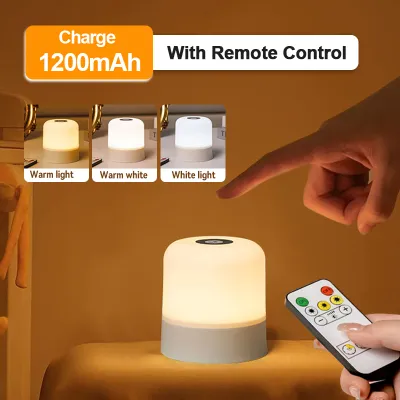
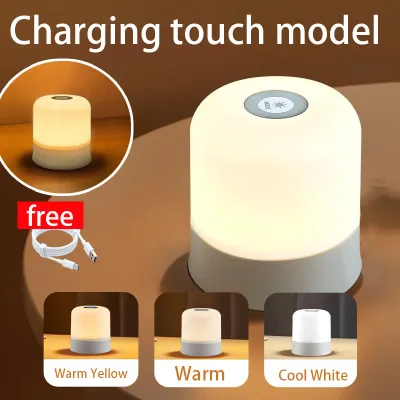
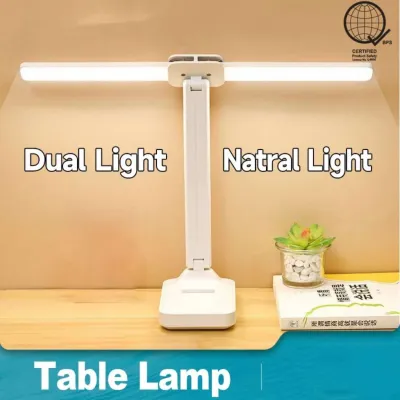
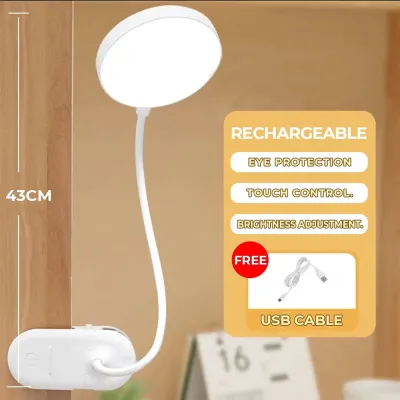
Prices are valid at publication and may change. Please refer to the product page for the latest price.
Furthermore, many standard household bulbs emit a cool white or daylight color temperature, often exceeding 4000 Kelvin. This spectrum contains high levels of blue light, which actively suppresses the human brain’s production of melatonin’the hormone responsible for regulating sleep-wake cycles. When you turn on a wide-beam, cool-toned lamp in a dark room, you are essentially signaling to both your brain and your partner’s brain that it is daytime.
Moving away from these broad ambient sources toward localized, cordless reading lights is the most effective way to eliminate light trespass. By focusing the light strictly where it is needed, you can preserve your partner’s sleep hygiene while still enjoying your favorite books late into the night.
Essential Features for a Lampshade Rechargeable Setup
To successfully isolate light to your side of the bed, a reading lamp must possess specific physical and electrical characteristics. Rather than choosing a fixture based solely on its aesthetic appeal, evaluating it against a practical, scenario-driven checklist will help you identify a model that truly protects your partner’s sleep.

Directional Lighting and Beam Control
The primary defense against light spill is directional control. A partner-friendly lamp should feature a narrow beam angle—ideally under 60 degrees—to keep the light cone tightly focused on your book or e-reader. Look for opaque lampshades made of metal, thick matte plastic, or dense wood that completely block lateral light transmission.
The physical shape of the lampshade or housing acts as a barrier, forcing the light downward rather than allowing it to scatter sideways. Some advanced reading lights also feature deep-set bezels or built-in louvers, which further restrict the light spread and prevent glare from reaching your partner’s eyes.
Dimmability and Warm Color Temperatures
Controlling the intensity and color of the light is just as critical as directing its path. Opt for lamps that offer stepless dimming rather than fixed brightness steps, as this allows you to lower the output to the absolute minimum level required for comfortable reading.
When it comes to color temperature, prioritize warm light sources ranging from 1600 Kelvin to 2700 Kelvin. Warm white and amber hues emit significantly less blue light, reducing the risk of melatonin suppression. Always verify the manufacturer’s technical specifications for the exact Kelvin rating, as generic marketing terms like “warm” can sometimes be misleading. High-quality LEDs maintain their color temperature even when dimmed, ensuring consistent eye comfort.
Battery Capacity and Cordless Convenience
A rechargeable design frees you from the constraints of wall outlets, allowing you to position the light exactly where it is needed most. This is particularly advantageous in bedrooms where power outlets are poorly positioned or blocked by heavy wooden furniture, which is common in many homes.
When evaluating rechargeable models, check the battery capacity, typically measured in milliampere-hours (mAh). A battery capacity between 1,200mAh and 2,000mAh is generally sufficient for several nights of reading. Ensure the device utilizes a modern USB-C charging interface for convenience, and verify the manufacturer-stated runtime at various brightness levels to ensure it won’t power down unexpectedly.
Top Styles of Rechargeable Lamps and Lampshades for Shared Beds
Rechargeable reading lights come in several distinct form factors, each offering unique advantages depending on your bedroom layout and personal reading habits.
Focused Table Lamps with Opaque Lampshades
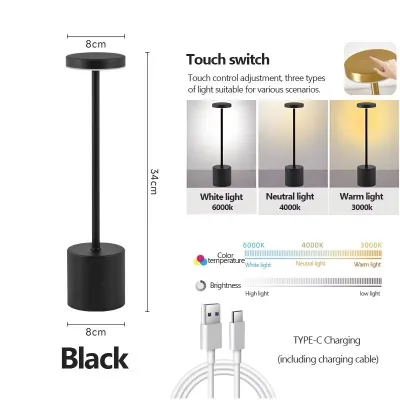
If you prefer a traditional bedroom aesthetic, small cordless table lamps with solid, opaque shades are an excellent choice. These lamps sit on your nightstand but feature a down-facing design that restricts light to a small circular footprint. Because the shade is non-translucent, no light escapes horizontally toward the bed.
These fixtures typically cost between ₱500 for budget-friendly options and over ₱1,500 for premium models with advanced dimming circuitry. When purchasing, verify the lamp’s height and physical dimensions to ensure the light source sits below your partner’s eye level when they are lying down. This height differential is crucial for keeping the direct beam out of their field of view.
Clip-On and Flexible Gooseneck Lights
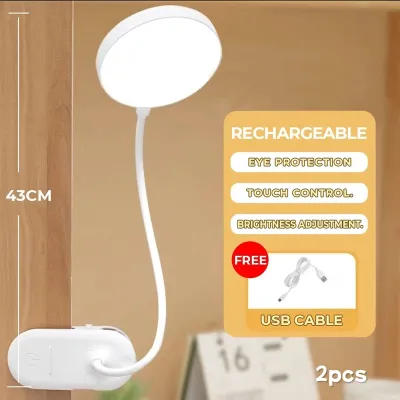
For maximum light containment, clip-on lights are highly effective. These compact devices attach directly to your book, e-reader, or headboard, bringing the light source within inches of the page. Because the light is so close to the target, you can operate the lamp at a much lower lumen level while still achieving excellent legibility.
The flexible gooseneck allows you to adjust the angle dynamically as you change sitting positions, ensuring the beam remains pointed downward. Look for clips with soft rubber pads to prevent scratching delicate wooden headboards or bed frames. Additionally, verify that the clip’s tension is strong enough to hold the weight of the lamp without slipping.
Amber and Low-Blue-Light Specialty Readers
Specialty reading lights designed specifically for sleep hygiene utilize amber LEDs that completely filter out blue light wavelengths. These lights emit a soft, orange-toned glow that is exceptionally gentle on the eyes and virtually unnoticeable to a sleeping partner.
While the amber hue alters the color rendering of physical pages, it provides the ultimate protection for highly light-sensitive individuals. When selecting a specialty reader, check the product specifications or certification labels to confirm that the light spectrum is genuinely optimized for low blue-light emission, rather than simply using a colored plastic lens over standard white LEDs.
Positioning and Usage Tips to Eliminate Light Spill
Selecting the right lamp is only half the battle; proper positioning is essential to completely eliminate light spill in a shared bed. Always angle the light source downward and slightly away from your partner’s side of the mattress. If you are reading a physical book with glossy pages or using an e-reader with a reflective screen, be mindful of glare. Glossy surfaces can act as mirrors, bouncing the focused beam upward and casting a bright reflection across the room. Adjusting the angle of your book by just a few degrees can redirect these reflections away from your partner’s face.
When using clip-on models, respect the manufacturer’s specified weight limits and clip opening widths. Forcing a clip onto a headboard that is too thick can damage the spring mechanism or crack the wood. If your lamp features a flexible gooseneck, bend it gently using both hands to avoid putting excessive stress on the internal wiring or the connection points at the base.
Additionally, the high humidity typical of tropical climates can affect portable electronics over time. Avoid placing your rechargeable lamp near open windows where sudden rain or heavy morning condensation could compromise the internal battery or charging port. Storing the lamp in a dry, well-ventilated area when not in use helps maintain its longevity.
If you ever decide to transition from a portable setup to a fixed, wall-mounted bedside reading sconce, remember that fixed electrical wiring requires careful safety precautions. Always isolate the power at the main circuit breaker, follow the manufacturer’s installation instructions step-by-step, and consult a qualified professional if you are unfamiliar with electrical work.
Frequently Asked Questions (FAQ)
How many lumens do I need for reading in bed without disturbing my partner?
For reading in a dark room, a light output of 20 to 50 lumens is generally ideal. High-lumen lamps designed for general desk work will inevitably spill excess light across a shared bed. Prioritize lamps that feature adjustable brightness settings, and check the manufacturer’s specifications to ensure the lowest setting drops to 10 lumens or less. This low-intensity light provides comfortable contrast for your eyes without illuminating the rest of the bedroom.
Is it safe to leave a rechargeable reading lamp on the bed?
No, leaving any rechargeable electronic device on soft bedding, pillows, or duvets is a safety hazard. Lithium-ion batteries and LED drivers generate heat during operation and charging. Soft, insulating surfaces can block ventilation paths and trap this heat, leading to battery degradation, reduced lifespan, or in rare cases, thermal runaway. Always place your lamp on a stable, hard surface like a nightstand, or ensure it is securely clamped to a rigid headboard, and strictly follow the manufacturer’s safety and charging instructions.
Community discussion
Share your experience or ask a question. Comments are reviewed before publication.