
Living in a compact condominium in the Philippines, such as a studio or a cozy one-bedroom unit in Metro Manila, requires a highly strategic approach to interior design and spatial management. Every square inch of a bedside table or dresser is valuable real estate, making traditional, bulky lamps with long, tangled cords highly impractical. A high-quality rechargeable night light solves this dilemma by eliminating cord clutter, offering flexible placement options, and providing soft, localized illumination that does not overwhelm a small room. The ideal choice for a compact condo bedroom is a low-profile, energy-efficient fixture that features adjustable brightness, a warm color temperature, and a battery capacity that fits your daily usage patterns. By selecting a light that balances a small physical footprint with versatile mounting or placement options, you can create a relaxing, sleep-friendly environment without sacrificing precious space.
How to Choose a Rechargeable Night Light for a Small Condo
Selecting the right lighting fixture for a space-constrained bedroom involves evaluating several critical technical and physical specifications. Because condo bedrooms often serve multiple purposes—such as a sleeping area, a temporary workspace, or a reading nook—your lighting must be highly adaptable.
Footprint and Form Factor
In a small bedroom, furniture is scaled down to maximize floor area. Bedside tables are often narrow, sometimes measuring less than 30 centimeters in width, which leaves very little room for a lamp alongside personal essentials like a phone, water glass, or book. To preserve this surface space, prioritize rechargeable night lights with a compact base, or look for alternative form factors such as wall-mounted magnetic bases, adhesive pucks, or clip-on models. Wall-mounted options utilize vertical space, freeing up your nightstand entirely, while clip-on designs can be attached directly to headboards or floating shelves.
Products mentioned in this guide
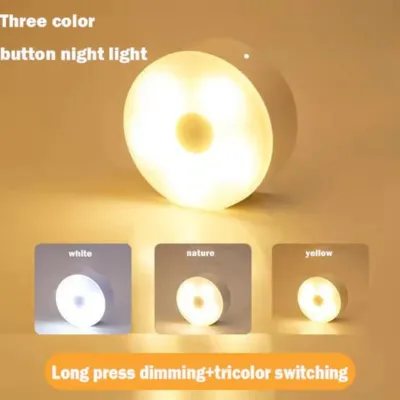
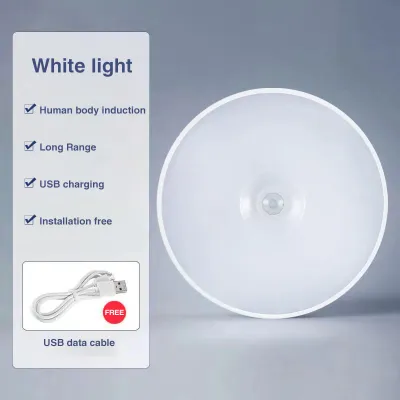
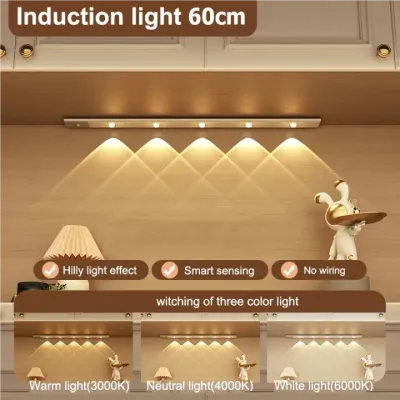
Prices are valid at publication and may change. Please refer to the product page for the latest price.
Brightness and Color Temperature
Evaluating brightness is crucial to ensure the light does not cause discomfort in a confined room. Brightness is measured in lumens, and for a small bedroom, you generally want a low-lumen ambient glow (around 5 to 50 lumens) to assist with navigation or sleep preparation without waking your partner. If you plan to use the light for reading, look for a model that can reach 100 to 200 lumens.
Color temperature, measured in Kelvin (K), significantly impacts sleep hygiene. Warm color temperatures between 2700K and 3000K emit a soft, amber glow that mimics sunset, helping your body transition into a restful state by minimizing blue light exposure. Avoid cool white or daylight color temperatures (5000K and above) in the evening, as they can disrupt your natural circadian rhythm. To maximize versatility, choose a night light with stepless dimming or multiple preset brightness levels so you can adjust the output to suit the time of night.
Charging Mechanism and Battery Life
Because these lights are wireless, battery capacity and charging convenience are paramount. Look at the milliampere-hour (mAh) rating on the product label; a higher mAh rating generally translates to longer runtimes between charges. A battery capacity of 1200mAh to 2000mAh is standard for portable lamps, providing anywhere from 8 hours of continuous high-intensity light to over 100 hours on the lowest dim setting.
Additionally, prioritize standard USB-C or micro-USB charging ports over proprietary cables. Standard ports allow you to use your existing smartphone or tablet chargers, reducing the number of cables cluttering your drawers. USB-C is particularly advantageous due to its faster charging capabilities and reversible connector design.
Control Features
How you interact with your night light affects its daily usability. Common control mechanisms include touch-sensitive housings, physical buttons, remote controls, and motion sensors.
- Touch Controls: These allow you to tap the lamp body to turn it on, off, or dim the light silently, which is ideal for bedside use.
- Remote Controls: These are convenient if your light is mounted out of arm's reach, such as on a high shelf or across the room.
- Motion Sensors: These are excellent for hands-free path lighting, but they require careful positioning. In a small condo bedroom, a highly sensitive motion sensor with a wide detection angle can be easily triggered by normal tossing and turning in bed, resulting in unwanted bright flashes during the night.
Best Types of Rechargeable Night Lights for Compact Bedrooms
Different layouts and daily routines call for different styles of rechargeable lighting. Understanding the strengths, limitations, and installation requirements of each type will help you make an informed decision.

Motion-Sensor Puck and Strip Lights
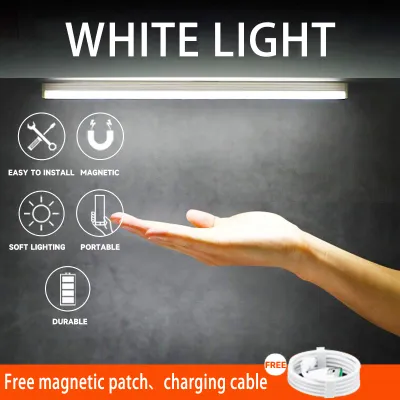
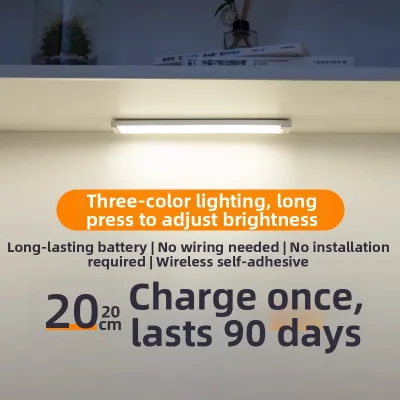
Motion-sensor puck and strip lights are ultra-low-profile, automated lighting options designed to utilize unused vertical or hidden spaces. These fixtures typically consist of a small plastic housing containing light-emitting diodes (LEDs), a passive infrared (PIR) motion sensor, and a rechargeable lithium-ion battery.
Ideal Placement: These lights are exceptionally versatile and perform best when placed under the bed frame to create a floating under-bed glow, inside wardrobes or closets to illuminate clothing, or along baseboards to light up the pathway to the bathroom or door.
Space-Saving Benefits: Because they are thin and wireless, puck and strip lights eliminate cord clutter entirely. They can be tucked away out of direct sight, providing soft, indirect illumination that makes the room feel modern and uncluttered.
Condo-Specific Considerations: In the humid, tropical climate of the Philippines, adhesive performance is a common point of failure. Many motion-sensor lights use double-sided adhesive tape to mount a magnetic base to the wall. High humidity can weaken these adhesives over time, causing the fixture to fall.
To prevent damage to condo wall paint or laminate finishes, look for high-quality, residue-free adhesive backings (such as silicone-based or damage-free mounting strips). When mounting on painted concrete walls, ensure the surface is completely clean and dry before application. Furthermore, verify the sensor’s detection angle and range; a 120-degree detection angle is standard, but you may need to angle the sensor downward or place it lower to prevent it from triggering every time you move in bed.
Portable Bedside and Mushroom Lamps
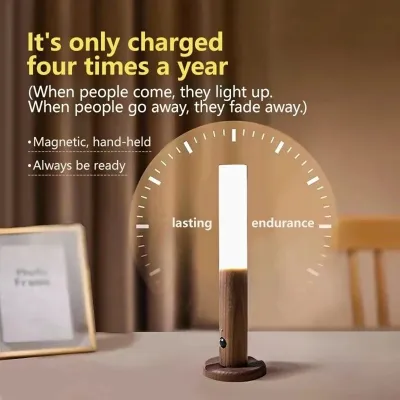
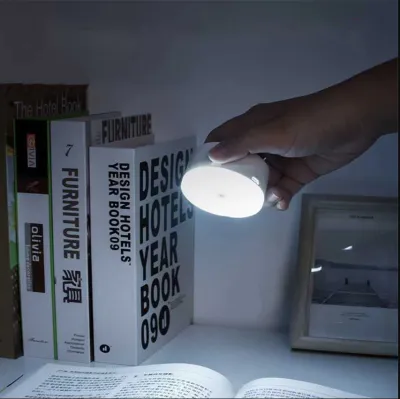
Portable bedside lamps and retro-inspired “mushroom” lamps are freestanding ambient light sources designed to sit on flat surfaces. They combine classic lamp aesthetics with the flexibility of a rechargeable battery, allowing you to move them around your living space as needed.
Ideal Placement: These lamps are perfect for narrow nightstands, floating shelves, window sills, or even a small vanity desk. Because they are wireless, you can easily carry them to the living room or dining area if you need extra mood lighting.
Design and Stability: In tight condo spaces, furniture is easily bumped. Lightweight, top-heavy plastic lamps are prone to tipping over, which can cause scratches or damage. When shopping, prioritize lamps with a weighted or wide, stable base. Minimalist cylindrical designs or low-profile mushroom shapes are highly recommended because they distribute weight evenly and have a smaller tipping radius.
Functionality: Look for models featuring stepless touch-dimming, which allows you to adjust the brightness smoothly by holding your finger on the sensor. In a small, highly reflective condo bedroom—especially those with light-colored walls, glossy floor tiles, or large mirrors—high lumen levels can cause harsh glare. Verify the lamp’s maximum and minimum lumen output; a lamp that can dim down to a very low 1% to 5% brightness level is ideal for late-night use.
Clip-On and Flexible Gooseneck Lights
Clip-on and flexible gooseneck lights are highly versatile, attachable fixtures designed for scenarios where floor, nightstand, or shelf space is completely unavailable. They feature a heavy-duty spring clamp attached to a flexible neck, allowing you to direct light with high precision.
Ideal Placement: These lights can be clipped directly onto headboards, wooden bed frames, floating shelves, or nearby window sills. They are particularly useful for studio condos where the bed might be positioned directly against a wall with no room for a traditional nightstand.
Adjustability: The primary advantage of a flexible gooseneck is its precise directional control. You can bend and twist the neck to focus the light beam directly onto your book or tablet, preventing the light from spreading across the entire room. This is an excellent feature for couples sharing a small bedroom, as it allows one person to read without disturbing the other’s sleep.
Hardware Verification: Before purchasing, it is essential to check the physical limits of the clamp. Verify the clamp’s maximum opening width to ensure it can securely grip the thickness of your headboard or shelf. Additionally, check for thick rubber or silicone grip padding inside the clamp jaws. Unpadded metal or hard plastic clamps can easily scratch, dent, or strip the paint and wood veneer off your condo furniture over time.
Placement and Lighting Tips for Small Condo Bedrooms
How you position and layer your lights is just as important as the fixtures you choose. Proper placement can dramatically alter the perception of space, making a compact room feel larger, cozier, and more comfortable.
Layering Light
To create a balanced and inviting atmosphere, avoid relying solely on a single, harsh overhead ceiling fixture. Instead, layer your lighting by combining different light sources. Pair a low-lumen ambient rechargeable lamp on your nightstand (for general mood lighting) with a focused, low-wattage clip-on gooseneck light (for tasks like reading). This approach allows you to customize the lighting scheme based on your activity, creating depth and eliminating dark, uninviting corners without taking up floor space.
Avoiding Glare
Direct glare from an exposed light bulb can strain your eyes and disrupt your sleep cycle. To avoid this, follow these placement rules:
- Keep Lights Below Eye Level: When lying in bed, position your nightstands and lamps so that the light source is below your direct line of sight.
- Use Diffusers: Choose lamps with frosted glass, fabric, or matte plastic shades that diffuse the light evenly rather than letting it shine directly into your eyes.
- Angle Adjustable Lights: If using a gooseneck or adjustable spotlight, point the beam toward the wall or floor rather than directly toward the bed.
Amplifying Light Naturally
You can make a small condo bedroom feel significantly larger and more open by strategically bouncing light off existing surfaces. Place your rechargeable night light near a mirror or against a light-colored wall. The soft glow will reflect off these surfaces, naturally diffusing the light throughout the room and creating an illusion of depth. This technique softens shadows and makes a compact 10-square-meter bedroom feel airy and spacious.
Battery Care and Safety for Rechargeable Lamps
Because rechargeable night lights rely on internal lithium-ion batteries, proper maintenance and safety practices are essential to prolong the lifespan of your device and ensure safe operation in your home.
Proper Charging Practices
Always charge your lamp using a compatible power adapter. Most rechargeable night lights are designed to accept a standard 5V USB output. Avoid plugging your lamp into high-wattage fast chargers (such as those meant for laptops or high-end smartphones) unless the manufacturer’s manual explicitly states that the lamp’s internal circuitry supports fast charging. Using an incompatible, high-current charger can generate excessive heat, which degrades the battery cells and can damage the internal control board.
Battery Longevity
Lithium-ion batteries are sensitive to extreme conditions. To maximize their operational lifespan, keep the following guidelines in mind:
- Avoid Deep Discharges: Do not let the battery drain completely to 0% before recharging it. It is best to plug the lamp in once it drops to around 20% capacity.
- Manage Heat and Humidity: The Philippines' warm, humid climate can accelerate battery degradation. Store and operate your rechargeable lamps in well-ventilated areas, away from direct sunlight, unventilated window sills, or heat-generating appliances.
- Partial Charging is Safe: Unlike older battery technologies, modern lithium-ion batteries do not suffer from "memory effect," meaning you do not need to charge them to 100% every time. Keeping the charge level between 20% and 80% is ideal for long-term health.
Safety Checks
Perform regular inspections of your rechargeable lighting devices to ensure they remain safe to use:
- Clean the Ports: Periodically check the charging port for dust, lint, or debris, which can obstruct the connection and cause localized heating.
- Monitor Temperature: It is normal for a lamp to feel slightly warm while charging or operating at maximum brightness, but it should never feel hot to the touch. If the housing feels excessively hot, unplug it immediately.
- Inspect for Damage: If you notice the plastic casing beginning to bulge or swell, if the battery drains unusually fast, or if the device emits a strange odor, stop using it immediately. These are signs of a compromised battery. Dispose of the unit safely at an official e-waste recycling collection point.
Frequently Asked Questions (FAQ)
Can I leave a rechargeable night light plugged in all the time?
While many modern rechargeable lamps feature a built-in Battery Management System (BMS) that automatically stops charging once the battery reaches 100%, leaving the device permanently plugged in is generally not recommended. Constant connection keeps the battery at maximum voltage and can generate continuous micro-heat, which gradually degrades the lithium-ion cells over time. To preserve battery health, it is best to unplug the device once it is fully charged. If you prefer a permanently plugged-in setup, check the manufacturer’s instructions to see if the lamp supports a direct-power mode that bypasses the battery, or use a mechanical timer plug to regulate the power supply.
How many lumens do I need for a small condo bedroom?
For a small condo bedroom, the required lumen output depends on how you intend to use the light. For ambient night lighting, navigation, or sleep guidance, a very soft output of 5 to 15 lumens is ideal, as it provides enough visibility without disrupting your sleep or causing glare. For bedtime reading or focused tasks, you will need a brighter source of 100 to 200 lumens. Because small rooms amplify light reflection off nearby walls, choosing a rechargeable night light with adjustable dimming features is far more critical than selecting a fixture with a high, fixed lumen output.
Community discussion
Share your experience or ask a question. Comments are reviewed before publication.