
To maintain productivity during a sudden power outage or to keep your workspace free of tangled cords, finding the right table lamp rechargeable option is essential for your work-from-home (WFH) or study setup. In the Philippines, where seasonal typhoons and localized brownouts can disrupt the electrical grid, a reliable cordless light source is more than a convenience—it is a productivity safeguard. The ideal rechargeable desk lamp combines sufficient brightness to prevent eye strain, adjustable color temperatures to match your task, and a robust battery that can sustain high-output illumination throughout a prolonged study session or work shift.
Selecting a cordless lamp requires balancing portability with performance. While the freedom to move your light source anywhere in your home is liberating, you must understand how battery capacities translate into actual runtime at different brightness levels. By evaluating your specific workflow, desk size, and typical working hours, you can choose a lamp that keeps your workspace perfectly illuminated without being tethered to a wall outlet.
Why Choose a Rechargeable Desk Lamp for WFH?
Transitioning to a cordless desk setup significantly improves both the aesthetics and the functionality of a modern home office. Traditional desk lamps require proximity to wall outlets, often leading to a chaotic web of extension cords stretching across your floor or desk surface. A rechargeable lamp eliminates this clutter entirely, giving you a clean, minimalist workspace that fosters mental clarity and focus.
Products mentioned in this guide
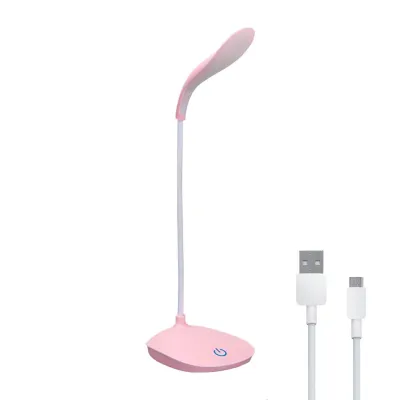
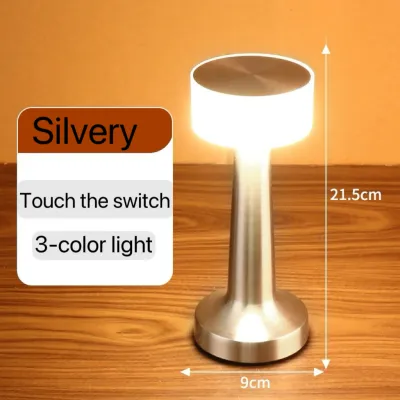
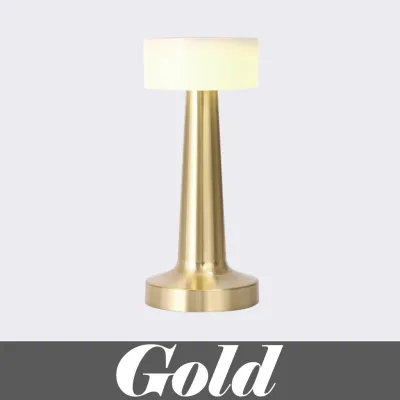
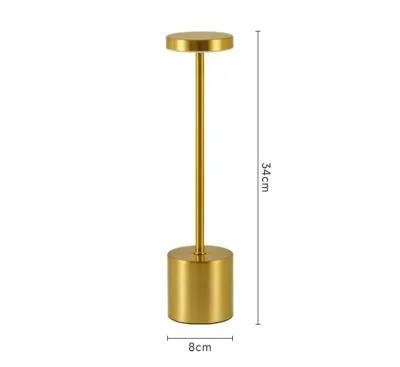
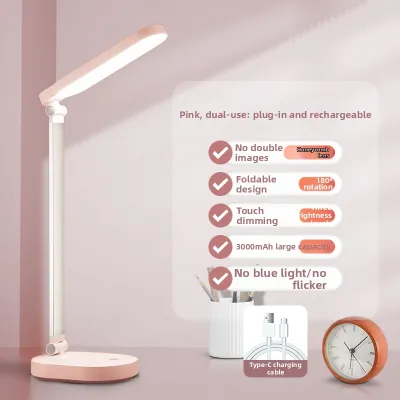
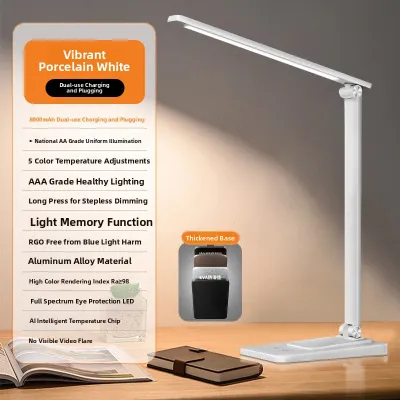
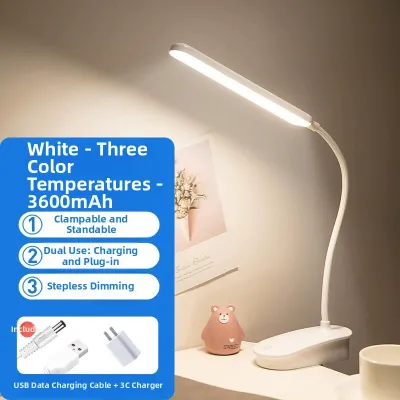
Prices are valid at publication and may change. Please refer to the product page for the latest price.
In the Philippine context, the utility of a cordless lamp becomes even more pronounced during power fluctuations and scheduled maintenance outages. When a sudden brownout hits, a dependable rechargeable lamp ensures that your study session or professional meeting can continue without a second of darkness. This seamless transition prevents the frustration of interrupted workflows and keeps you safe from navigating dark rooms during emergencies.
Furthermore, a cordless design supports the dynamic nature of modern WFH environments. Many professionals and students do not work in a single designated spot all day; they may start at a dedicated desk, move to the dining table for more space, or transition to a cooler balcony or living room nook in the evening. A portable lamp allows you to carry high-quality task lighting with you, maintaining consistent visual comfort wherever you choose to work.
However, relying on a battery-powered light source introduces a new set of considerations. Unlike corded models that provide infinite power, rechargeable lamps require active power management. You must balance your need for high-intensity illumination with the reality of battery depletion, making it crucial to understand the technical specifications before making a purchase.
What to Look for in a Rechargeable Table Lamp
Brightness and Adjustability
When evaluating a table lamp rechargeable model, look closely at its lumen output and dimming capabilities. Lumens measure the total amount of visible light emitted by a source. For focused tasks like reading physical books or drafting, you generally need a lamp capable of delivering between 300 and 500 lumens directly to your work surface.

To prevent eye fatigue, prioritize lamps that offer step-less dimming or multiple discrete brightness levels. A lamp that only operates at a single high brightness can cause intense glare when used alongside a computer screen, while a lamp that is too dim forces your eyes to work harder to resolve details. Having the ability to fine-tune the light level ensures you can match the lamp’s output to the changing ambient light in your room throughout the day.
Color Temperature Control
Color temperature, measured in Kelvin (K), directly influences your focus, mood, and sleep cycles. Cool white light, typically ranging from 4000K to 5000K, mimics natural daylight and helps promote alertness and concentration. This setting is ideal for intense morning study sessions, detailed design work, or when you need a mental boost to overcome afternoon fatigue.
Conversely, warm light, which ranges from 2700K to 3000K, creates a relaxing atmosphere and is much gentler on the eyes during late-night tasks. Using warm light in the evening prevents the suppression of melatonin, helping you wind down naturally before sleep. A high-quality task lamp should offer easy switching between cool, neutral, and warm color modes to suit different times of day.
Battery Capacity and Runtime
Battery capacity is measured in milliampere-hours (mAh) and determines how long your lamp can run on a single charge. Standard budget lamps often feature batteries between 1200mAh and 1800mAh, which are suitable for short study sessions but may struggle to last through a full workday. For reliable WFH use, look for models with capacities of 2000mAh to 4000mAh.
Always read the manufacturer’s runtime claims with a critical eye. Advertised runtimes of 40 or 50 hours almost always refer to the lowest, dimmest ambient setting, which is insufficient for active reading or typing. For a realistic expectation, check the estimated runtime at maximum or medium brightness, which typically ranges from 3 to 8 hours depending on the battery size.
Charging Interface and Power Input
Modern rechargeable lamps utilize either USB-C or Micro-USB ports for charging. USB-C is highly preferable due to its faster charging speeds, physical durability, and reversible connector. Since most modern smartphones and laptops use USB-C, choosing a lamp with the same interface means you can carry fewer cables when moving around.
Before plugging your lamp in, verify the required input voltage and current on the product’s regulatory label, which is typically 5V/1A or 5V/2A. Using an incompatible high-wattage fast-charging brick that does not support standard 5V negotiation can stress the internal charging circuitry. Ensure you use a certified, compatible adapter to maintain the safety and longevity of the device.
Build Quality and Ergonomics
An ergonomic lamp must allow you to direct light exactly where you need it without creating direct glare on your computer screen or shining directly into your eyes. Look for lamps with flexible goosenecks or multi-axis hinges that rotate smoothly. The mechanical joints should be tight enough to hold their position over time without drooping.
Additionally, pay attention to the stability of the base. Because rechargeable lamps house heavy lithium-ion batteries, a well-engineered lamp will have a weighted base to prevent tipping when the neck is fully extended. A stable base also dampens vibrations from typing or moving items on your desk.
Best Rechargeable Lamp Profiles for Your Desk
High-Illuminance Lamps for Detailed Work
High-illuminance rechargeable lamps are designed specifically for users who engage in visually demanding tasks. If your work involves technical drawing, crafting, reviewing physical blueprints, or reading small print in dense textbooks, you require a broad, even distribution of light. These lamps typically feature elongated, T-shaped, or circular light heads that minimize shadows across your entire desk surface.
To ensure accurate color perception, look for high-illuminance lamps that boast a high Color Rendering Index (CRI), ideally Ra 90 or above. A high CRI ensures that colors appear natural and vibrant, which is crucial for designers, artists, and anyone working with physical color samples. The primary trade-off with these high-output lamps is power consumption; because they draw more current to produce intense light, their battery life at maximum brightness is shorter than more compact models.
- Xiaomi Mijia Rechargeable Desk Lamp: This model is highly regarded for its minimalist aesthetic, solid build quality, and exceptional light distribution. It features a high CRI and a reliable battery that provides several hours of continuous high-output illumination. It is an excellent fit for professionals who need dependable, color-accurate task lighting during occasional power outages.
- Philips Jade Rechargeable LED Desk Lamp: Known for its robust optical engineering, this lamp delivers a wide beam pattern with minimal glare. It offers multiple brightness levels and a stable, weighted base, making it a reliable choice for dedicated study desks where high-intensity light is required for hours at a time.
Compact and Foldable Lamps for Small Spaces
For students living in cozy dormitories, professionals working from small apartments, or hot-deskers who pack up their workspace daily, space-saving design is paramount. Compact and foldable rechargeable lamps prioritize portability and storage efficiency. These models feature multi-jointed hinges that allow the lamp arm and head to fold completely flat against the base, making them easy to slide into a desk drawer or a laptop bag.
While these lamps offer unmatched portability, they do come with design compromises. To keep the profile slim and lightweight, manufacturers often use smaller batteries, typically ranging from 1200mAh to 1800mAh. This means you will need to recharge them more frequently if you run them at high brightness. Additionally, their smaller light heads provide a more localized pool of light, which is perfect for a single notebook but may not illuminate a large, multi-monitor desk setup.
- Firefly Rechargeable LED Desk Lamp (FEL-723 series): A household name in the Philippines, Firefly offers highly portable, budget-friendly foldable lamps. These are widely trusted for emergency lighting and casual study sessions, featuring a lightweight plastic body and simple touch controls.
- Akari Rechargeable LED Desk Lamp: Another excellent local option, Akari's foldable models offer reliable performance in a compact footprint. They are easy to charge via standard USB ports and provide sufficient localized light for reading and writing on smaller desks.
Eye-Care Lamps for Late-Night Screen Sessions
Working late into the night presents unique challenges for your eyes. Staring at a bright monitor in a completely dark room causes significant eye strain due to the harsh contrast. Eye-care rechargeable lamps are engineered to mitigate this issue by incorporating flicker-free LED drivers, frosted anti-glare diffusers, and specialized optical designs that reduce blue light emissions.
Some advanced eye-care models feature asymmetric light distribution, which projects light at an angle to illuminate your keyboard and paperwork without reflecting off your computer screen. Others include a secondary ambient backlight that casts a soft glow behind the lamp, reducing the stark contrast between your screen and the surrounding darkness. These features are highly recommended for software developers, writers, and students who regularly pull all-night study sessions.
- Baseus Magnetic Stepless Dimming Charging Desk Lamp: This versatile lamp features a magnetic base that can be mounted to a wall, shelf, or monitor stand. Its asymmetric optical design ensures that light is directed downward onto your desk, completely eliminating screen reflection and protecting your eyes during late-night coding or writing.
- Yeelight Rechargeable Folding Desk Lamp: Featuring high-quality LEDs with low blue light emissions, this lamp provides a soft, uniform glow. Its flicker-free technology prevents the subtle, invisible pulsing that causes headaches and eye strain during long hours of continuous use.
Battery Care and Maintenance for Tropical Climates
Heat Management
The tropical climate of the Philippines, characterized by high temperatures and humidity, requires extra care when handling lithium-ion batteries. High ambient heat is the single greatest enemy of battery longevity. Avoid placing your rechargeable lamp on a window sill exposed to direct, intense afternoon sunlight, and never leave it inside a parked car during the day, as internal temperatures can quickly reach destructive levels.
Charging Best Practices
To maximize the lifespan of your lamp’s battery, avoid the habit of running it down to 0% before plugging it in. Deep discharges place significant chemical stress on lithium-ion cells, accelerating capacity loss. Instead, make it a habit to connect the lamp to a charger as soon as you notice the light output beginning to dim or flicker. Charging the battery when it is between 20% and 80% capacity is the healthiest range for long-term use.
Adapter Verification
Always inspect the manufacturer’s input specifications printed on the bottom of the lamp or in the user manual before charging. If the lamp specifies a standard 5V/1A or 5V/2A input, avoid using high-wattage fast chargers designed for laptops unless you are certain the charger can safely negotiate down to standard 5V output. Using uncertified, cheap charging blocks can lead to excessive heat generation, battery swelling, or internal circuit damage.
Long-Term Storage
If you need to store your lamp unused for several months—such as during a school semester break or an extended vacation—do not store it completely empty or fully charged. Storing a lithium-ion battery at 100% charge in a warm environment accelerates degradation, while storing it at 0% can cause the battery to fall into a deep-discharge state from which it cannot recover. Aim to charge the lamp to approximately 50% to 60%, store it in a cool, dry place away from humid areas, and top up the charge every three months.
Frequently Asked Questions (FAQ)
Can I leave my rechargeable desk lamp plugged in all the time?
While most modern rechargeable table lamps feature built-in overcharge protection circuits that stop drawing current once the battery is full, leaving them plugged in permanently is not recommended. Continuous connection to a power source keeps the battery at its maximum voltage and can generate subtle micro-heat, both of which gradually degrade the battery’s chemical health over time. If you intend to use the lamp primarily as a stationary, corded light source, try to unplug it at least once a week to let the battery discharge partially, or look for models that feature a physical power bypass switch.
How many lumens do I need for studying at night?
For focused studying, reading physical textbooks, or writing, a brightness level of 300 to 500 lumens on your work surface is highly recommended to prevent eye strain. If you are working primarily on a computer or tablet, you can lower the lamp’s output to around 150 to 200 lumens; this provides enough ambient light to balance the screen’s brightness without causing distracting reflections. Choosing a lamp with step-less dimming allows you to adjust the light dynamically to match your room’s changing ambient light conditions.
Are solar-powered rechargeable lamps practical for indoor desk use?
Solar-powered lamps are generally impractical for daily, high-demand indoor WFH or study setups. Small solar panels require direct, intense, and unshaded sunlight for many hours to charge a battery fully, which is difficult to achieve consistently indoors. While they serve as excellent emergency backups during prolonged post-typhoon power outages, a standard USB-rechargeable lamp charged via a wall outlet, laptop, or portable power bank is far more reliable and convenient for your daily professional and academic needs.
Community discussion
Share your experience or ask a question. Comments are reviewed before publication.