
The bedroom is a sanctuary where lighting plays a crucial role in transitioning the mind and body from the busyness of the day to a state of deep rest. In the Philippines, achieving this balance comes with unique local considerations. Frequent power fluctuations, seasonal typhoons that bring sudden electricity outages (locally termed brownouts), and the desire for clean, clutter-free interior design have made rechargeable bedside lamps an increasingly popular choice. Unlike traditional corded lamps that restrict placement to the immediate vicinity of a wall outlet, cordless alternatives offer the freedom to position light exactly where it is needed most.
However, a bare LED bulb can emit a harsh, clinical glare that disrupts sleep-inducing melatonin production. This is where a shaded rechargeable lamp becomes essential. By pairing the modern convenience of battery power with a well-designed shade, these fixtures diffuse light gently across the room. This combination provides functional illumination for evening reading while maintaining a soft, relaxing ambiance. Choosing the right rechargeable lamp for a Philippine home requires a careful evaluation of local environmental factors, tropical design aesthetics, technical battery specifications, and safety certifications.
How to Choose a Rechargeable Bedside Lamp With a Shade
Selecting the ideal rechargeable table lamp involves finding a balance between visual comfort, physical stability, and technical performance. The primary component that dictates the quality of light is the lamp shade. Because rechargeable lamps utilize light-emitting diodes (LEDs) to conserve battery power, the light source is inherently directional and concentrated. A high-quality shade intercepts these focused rays, scattering them evenly to eliminate harsh glares and deep shadows. This diffused illumination is far gentler on the eyes, making it easier to wind down at night.
Products mentioned in this guide
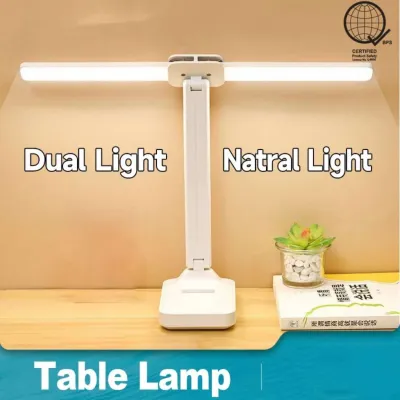
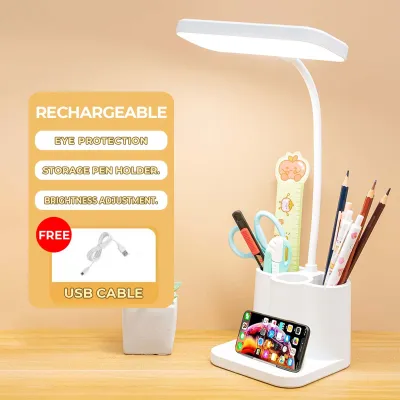
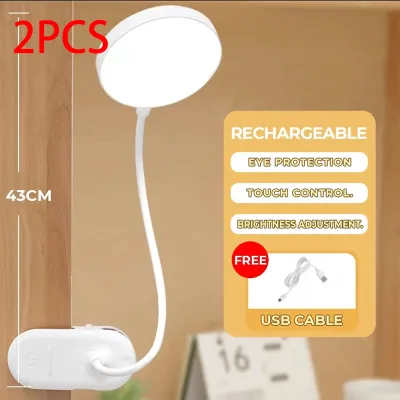
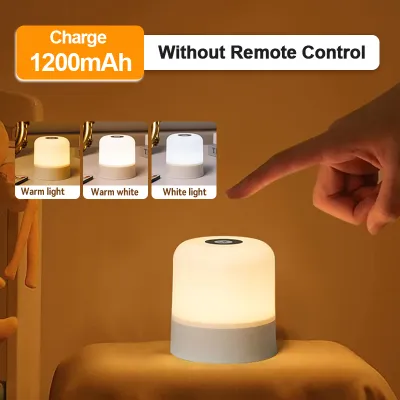
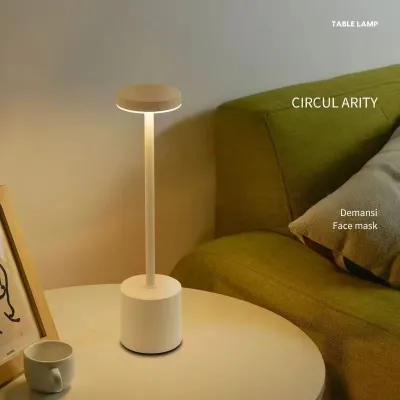
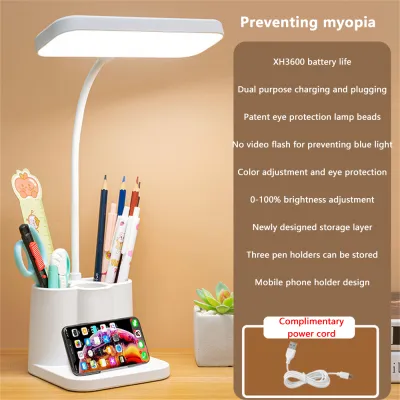
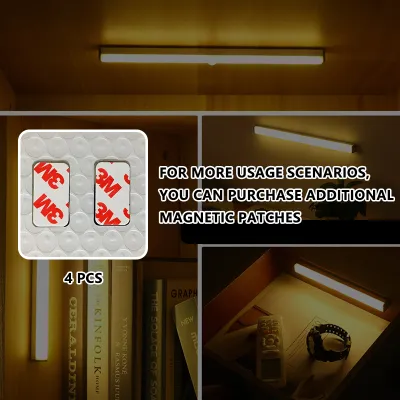
Prices are valid at publication and may change. Please refer to the product page for the latest price.
The color temperature of the light is another critical factor that directly influences sleep hygiene. Light temperature is measured in Kelvins (K), with lower numbers representing warmer, more amber tones, and higher numbers representing cooler, bluish tones. For a bedroom, a warm white light of approximately 2200K to 2700K is highly recommended, as it mimics the natural warm tones of sunset and signals the brain to prepare for sleep. Many modern rechargeable lamps feature adjustable color temperature settings, allowing users to switch to a cooler, neutral white (around 3000K to 4000K) for focused tasks like reading, and then dim down to a warm amber for sleeping.
Physical stability is a frequently overlooked aspect of cordless lamp design. Because these lamps lack a heavy, permanent power cord to anchor them, they are more susceptible to being accidentally knocked over, especially when placed on narrow bedside tables or nightstands. When evaluating a lamp, pay close attention to the weight and design of its base. A high-quality cordless lamp should feature a weighted base that lowers the overall center of gravity, making the unit resistant to tipping. Additionally, a non-slip silicone or rubber pad on the bottom of the base provides vital traction on polished wooden or glass surfaces.
Finally, buyers must navigate the inherent trade-off between portability and battery capacity. The runtime of a rechargeable lamp is determined by its battery size, measured in milliampere-hours (mAh). While a larger battery (such as 4000mAh or higher) ensures the lamp can run for multiple nights on a single charge, it also adds substantial physical weight to the base. If you plan to keep the lamp stationary on your nightstand, a heavier model with a large battery is highly advantageous. However, if you intend to carry the lamp around your home during power outages or use it as a portable light source on a balcony, a lighter model with a moderate battery capacity (around 2000mAh) offers a better balance of daily portability.
Top Shaded Styles for Tropical Bedroom Aesthetics
In the Philippines, bedroom design often reflects a blend of modern urban minimalism and warm, tropical influences. The choice of shade material not only defines the lamp’s visual character but also determines how well it performs and lasts in a highly humid climate.

Woven Rattan and Natural Fiber Shades
Woven rattan, bamboo, and abaca shades are deeply integrated into contemporary Filipino interior design, particularly within the popular “Kahoy-Puti” (wood and white) and modern tropical aesthetics. These natural materials bring an organic, earth-toned texture to the bedside, instantly creating a relaxed, resort-like atmosphere. The defining characteristic of a woven shade is the intricate pattern of gaps in its weave. As light passes through these openings, it casts warm, textured shadows across the bedroom walls, adding visual depth and a cozy, ambient glow to the entire space.
However, utilizing natural fibers in a tropical climate requires careful consideration of local humidity levels. During the wet monsoon season, relative humidity in the Philippines can consistently exceed 80 percent. Unprotected natural fibers can absorb this airborne moisture, which creates an ideal environment for mold, mildew, and warping. When shopping for a rattan or fiber-shaded lamp, always verify that the material has been treated with a protective clear lacquer, anti-fungal coating, or moisture-resistant sealant. This protective layer prevents water absorption and makes the shade significantly easier to maintain.
In terms of weight, natural fiber shades are exceptionally lightweight. This low top-weight makes the entire lamp highly portable and easy to carry from room to room during sudden power interruptions. To ensure safety and stability, however, verify that the lightweight woven shade is paired with a sufficiently weighted base. This contrast ensures that the lamp’s center of gravity remains low, preventing it from tipping over if brushed against in the dark. For routine maintenance, simply dust the weave regularly with a dry, soft-bristled brush or a microfiber cloth to prevent dust from settling into the crevices.
Fabric and Linen Drum Shades
Fabric and linen drum shades offer a timeless, classic look that fits seamlessly into transitional, traditional, or minimalist bedrooms. The primary functional advantage of a fabric shade is its superior ability to reduce glare. The dense, even weave of cotton or linen diffuses light in all directions, completely shielding the eyes from the direct glare of the internal LED bulb. This makes fabric shades highly suitable for bedside reading, as they project a clean, soft pool of light downward onto your book while casting a gentle ambient glow upward to illuminate the room.
Despite their aesthetic appeal, fabric shades present distinct maintenance challenges in humid tropical environments. High humidity can cause floating dust particles to adhere more readily to fabric fibers, leading to gradual discoloration, staining, or a musty odor. Furthermore, if a fabric shade is placed near a window that is frequently left open to catch evening breezes, it can absorb dampness from the air, increasing the risk of localized mildew growth. To combat these issues, look for fabric shades made from durable synthetic-natural blends, such as polyester-linen, which are naturally more resistant to moisture absorption than pure organic cotton.
When choosing a fabric-shaded rechargeable lamp, prioritize models that feature a removable shade or a wipeable inner lining. Many high-quality fabric shades are constructed with a rigid, heat-resistant polystyrene inner lining. This smooth plastic surface can be easily wiped clean with a slightly damp microfiber cloth to remove dust and prevent staining. Additionally, a removable shade allows for more thorough cleaning and easier replacement should the fabric become damaged or stained over time, ensuring your sleeping environment remains clean and allergen-free.
Frosted Glass and Minimalist Acrylic
For those who prefer modern, contemporary, or industrial bedroom aesthetics, frosted glass and high-quality acrylic shades represent an excellent alternative. Unlike woven or fabric shades, which have distinct openings that direct light in specific patterns, frosted glass and acrylic act as complete, uniform diffusers. They scatter light evenly in 360 degrees, eliminating harsh shadows and creating a soft, cloud-like illumination that fills the immediate bedside area. This clean, minimalist look is highly favored in modern condominium units where space-saving design and clean lines are paramount.
From a practical maintenance perspective, glass and acrylic are exceptionally well-suited for the humid Philippine climate. Being non-porous materials, they are entirely impervious to atmospheric moisture, meaning they will never warp, rot, support mold growth, or trap airborne odors. This makes them highly durable and exceptionally easy to clean; a simple wipe with a dry or damp microfiber cloth is all that is required to keep the shade looking brand new. Additionally, high-quality acrylic shades offer excellent shatter resistance, making them a safer option if you have young children or pets in the home.
The primary trade-off when selecting a glass or thick acrylic shade is the physical weight of the material. Glass is substantially heavier than fabric or rattan, which naturally shifts the lamp’s center of gravity upward. To prevent the lamp from becoming top-heavy and easily knocked over, it must be paired with a highly robust, weighted base—typically made of solid metal, ceramic, or heavy stone-effect materials. Before purchasing, physically check or verify the product specifications to ensure the base is heavy enough to provide absolute stability, keeping the top-heavy glass shade safely anchored to your nightstand.
Critical Specifications to Check Before Buying
When shopping for a rechargeable table lamp on e-commerce platforms or in local retail stores, it is easy to be swayed by aesthetic design alone. However, verifying the technical specifications is essential to ensure the lamp is safe, compatible with local infrastructure, and capable of delivering reliable performance.
Charging Compatibility and Voltage Safety: The standard electrical grid in the Philippines operates at 220V at 60Hz. If the rechargeable lamp comes with a dedicated wall adapter, you must verify that the adapter’s input rating is compatible with 220V (ideally labeled as 100V-240V for wide-voltage support). Many modern rechargeable lamps utilize a standard USB-C or micro-USB charging port instead of a traditional wall plug. This is highly convenient, as it allows you to charge the lamp using standard smartphone chargers, power banks, or laptop USB ports. However, always check the manufacturer’s recommended input current (such as 5V/1A or 5V/2A); using an incompatible fast-charging brick that exceeds the lamp’s rated voltage can overheat the internal charging circuit and degrade the battery.
Battery Chemistry and Runtime: The vast majority of high-quality cordless lamps utilize Lithium-ion (Li-ion) or Lithium-polymer (Li-po) batteries. These battery types are highly preferred because they are lightweight, have a low self-discharge rate, and offer a longer overall lifespan compared to older lead-acid or nickel-cadmium batteries. When reviewing product descriptions, look closely at the rated capacity in mAh and the corresponding runtimes. Manufacturers often advertise maximum runtimes of 40 to 100 hours, but this is almost always measured on the lowest, dimmest nightlight setting. For practical bedside activities like reading, check the runtime on maximum brightness, which typically ranges from 4 to 8 hours depending on the battery capacity.
Control Mechanisms: The way you interact with your lamp in the dark is crucial for bedside convenience. Touch-sensitive bases are highly popular, allowing you to turn the light on or adjust brightness levels simply by tapping any part of the metal frame or a designated touch button. This eliminates the need to fumble for a physical inline switch along a cord in the dark. Alternatively, rotary dimmer knobs provide precise, analog control over light intensity, allowing you to dial in the exact level of brightness you prefer. Some premium models also include remote controls, which are highly convenient if your nightstand is positioned slightly out of arm’s reach from your bed.
Ingress Protection (IP) Rating: While bedroom lamps do not require the high waterproof ratings of outdoor garden lights, a basic level of moisture resistance is highly beneficial in a tropical environment. High humidity, salt-laden coastal air, or condensation from bedroom air conditioning units can seep into poorly sealed electronic enclosures, leading to micro-corrosion of the internal circuitry or the charging port. A basic Ingress Protection rating, such as IP20, is standard for dry indoor use. However, looking for a lamp with a basic moisture-resistant design or an IP44 rating provides an extra layer of protection if the lamp is placed near open windows during heavy rainstorms.
Electrical Safety and Certification: To prevent electrical hazards, overheating, or battery fires, always look for recognized safety certifications. In the local Philippine market, reputable products often carry the Philippine Standard (PS) mark or the Import Commodity Clearance (ICC) sticker. For products sourced internationally through online marketplaces, look for global safety certifications such as CE, RoHS, or FCC. These markings indicate that the product has undergone rigorous safety testing and complies with environmental standards, ensuring that the internal battery and charging components are safe for daily household use.
Battery Care and Safety for Humid Environments
To maximize the lifespan of your rechargeable table lamp and ensure safe operation in a warm, humid climate, establishing proper maintenance and charging habits is essential. Lithium-ion batteries are sensitive to extreme temperatures and moisture, both of which are common in the Philippines.
Proper Charging Habits: To prolong the health of the internal battery, avoid letting the lamp drain completely to 0 percent before recharging. Deep discharges place significant chemical stress on the battery cells, which can rapidly decrease the overall battery capacity over time. Instead, plug the lamp in to charge as soon as you notice the light beginning to dim, or when the low-battery indicator light turns on. Additionally, unless the manufacturer explicitly states that the lamp features an advanced battery management system designed for continuous plug-in use, it is best to unplug the charger once the battery is fully charged. Keeping a lithium-ion battery constantly at 100 percent charge while exposed to warm room temperatures can accelerate its natural degradation.
Keep the Charging Port Clean and Dry: The exposed charging port on your lamp is a vulnerable entry point for dust, lint, and moisture. During the rainy season, high atmospheric humidity can cause microscopic condensation to form inside the port, which can lead to corrosion of the metal contacts or cause a short circuit when the charging cable is plugged in. Periodically inspect the charging port and clean it using a dry, soft-bristled brush or a can of compressed air. If your lamp is equipped with a protective silicone or rubber port cover, always ensure it is firmly pressed into place when the lamp is not actively charging. Never plug a charging cable into a port that feels damp or has been exposed to water.
Recognize Warning Signs of Battery Degradation: Because lithium-ion batteries naturally degrade over time, it is vital to monitor your lamp for any physical or operational warning signs. If the lamp’s base becomes excessively hot to the touch while charging, if the battery runtime drops suddenly to just a few minutes, or if you notice any physical swelling or warping of the plastic casing, discontinue use immediately. Physical swelling indicates that gas has built up inside the battery cell due to degradation or overheating, which poses a serious risk of rupture, leakage, or fire. In such cases, do not attempt to turn on or recharge the lamp; instead, unplug it safely and dispose of the unit at a local electronic waste recycling facility.
Safe Storage and Manufacturer Instructions: If you plan to leave your home for an extended period—such as during a long vacation—never store your rechargeable lamp with a completely empty or completely full battery. The ideal state of charge for long-term storage is approximately 50 percent to 60 percent, which minimizes stress on the battery cells. Store the lamp in a cool, dry place away from direct sunlight, high humidity, and flammable materials. Always prioritize and follow the specific care, cleaning, and storage instructions provided by the lamp’s manufacturer. If there is ever a conflict between general maintenance advice and the manufacturer’s printed user manual, always defer to the manufacturer’s official guidelines to ensure safety and protect your warranty.
Frequently Asked Questions (FAQ)
Can I leave my rechargeable lamp plugged in all the time?
While many modern rechargeable lamps are equipped with built-in overcharge protection that stops drawing power once the battery is full, it is generally best to unplug the device once it reaches 100 percent. Keeping a lithium-ion battery constantly at full charge, especially in warm tropical climates, can accelerate the degradation of the battery cells and reduce its overall lifespan. You should only leave the lamp plugged in continuously if the manufacturer’s user manual explicitly states that the device is specifically designed for continuous plug-in operation as a dual-purpose corded and cordless fixture.
Are rechargeable lamps bright enough for reading in bed?
Yes, many high-quality rechargeable table lamps offer sufficient brightness for casual bedtime reading. However, because battery-powered lamps are designed to conserve energy, their maximum lumen output may be lower than that of traditional corded task lights. When shopping, check the product specifications for the maximum lumen rating (typically 150 to 300 lumens is comfortable for reading) and ensure that the lamp shade design directs the light downward or outward effectively onto your reading surface, which prevents eye strain and ensures a comfortable reading experience.
Community discussion
Share your experience or ask a question. Comments are reviewed before publication.