
Quick Answer: Finding the Best Red Lamp for Your Room
Red ambient lighting has become a premier choice for creating a cozy, cinematic, or deeply relaxing atmosphere in modern homes. Unlike standard white or blue-toned light, which can feel sterile and disrupt your natural sleep cycles, a dedicated red lamp for room setups provides a rich, warm glow that preserves night vision and promotes relaxation. Whether you want to transform a compact condo bedroom into a private cinema, establish a calming evening routine, or add a bold artistic accent to your living space, choosing the right light source is essential.
When searching for the perfect red light source, options generally fall into three main categories: projection lamps, smart RGB bulbs or light strips, and decorative table lamps or neon flex signs. Each type serves a distinct purpose, varying in brightness, projection quality, color accuracy, and installation complexity. This guide evaluates these categories based on their performance, safety, and suitability for the unique electrical and environmental conditions of homes in the Philippines.
Key Features to Evaluate Before Buying
Color Accuracy vs. RGB Mixing
To achieve a truly immersive red glow, you must consider how the light source produces its color. Low-end RGB (Red, Green, Blue) LED lights often struggle to emit a deep, saturated red. Because these budget devices rely on basic three-in-one diodes spaced far apart, their “red” setting can look washed out, pinkish, or orange-tinted.
Products mentioned in this guide
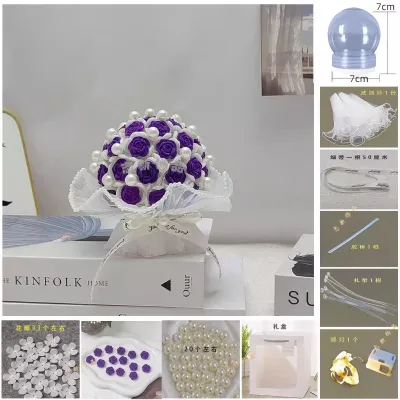
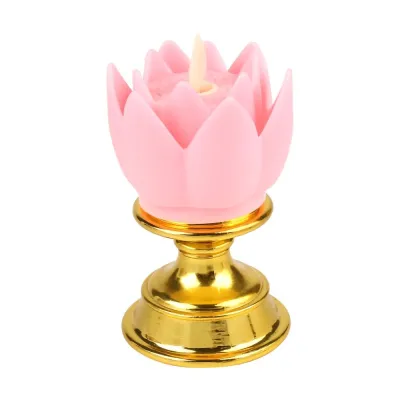
Prices are valid at publication and may change. Please refer to the product page for the latest price.

For a pure, deep red (typically in the 620 to 750 nanometer wavelength range), look for dedicated single-color red LEDs or high-quality RGBW (Red, Green, Blue, White) or RGBWW (which adds warm white) smart bulbs. These premium options utilize advanced color-mixing algorithms and dedicated color chips to deliver a highly saturated, biologically soothing red light without unwanted color shifting.
Brightness and Dimming Capabilities
When it comes to mood lighting, lower brightness levels are usually preferred. A lamp that is too bright can cause eye strain and ruin the cozy ambiance. Therefore, smooth, step-less dimming capabilities (from 1% to 100%) are highly desirable.
Pay close attention to how a lamp dims. Low-quality LED drivers often use low-frequency Pulse Width Modulation (PWM) to dim the light, which can cause a subtle, high-frequency flicker. While this flicker may not always be visible to the naked eye, it can lead to headaches and eye fatigue over time. High-quality smart lamps and dimmable drivers operate at higher frequencies, ensuring a stable, flicker-free glow at even the lowest brightness settings.
Projection Quality for Halo and Sunset Lamps
Projection lamps rely on specialized lenses to focus and project light onto walls or ceilings. The material and design of these lenses directly impact the visual outcome. Cheap projection lamps often use thin plastic or acrylic lenses that scratch easily, warp under heat, and cause chromatic aberration—a optical distortion where the edges of the red halo split into distracting yellow or blue rings.
To avoid this, look for projection lamps equipped with high-transmittance optical glass lenses. Glass lenses resist heat, maintain clarity over years of use, and produce a sharp, distinct halo edge with a smooth, beautiful gradient. Some advanced models also feature adjustable focal rings, allowing you to customize the sharpness and size of the projected light circle.
Power and Connectivity
In the Philippines, residential power runs on a 220V AC, 60Hz grid. When shopping on local online marketplaces, you will find both USB-powered (5V DC) and direct-plug (AC) lamps. USB-powered lamps offer excellent versatility, as they can run off phone chargers, power banks, or laptop ports, making them highly safe and portable.
However, if you choose a direct-plug lamp or light strip, you must verify that the power adapter or internal driver is rated for 220V/60Hz. Using an imported 110V-only lamp will cause immediate, permanent damage to the device and poses a serious electrical hazard. Additionally, if you opt for smart lamps, ensure they are compatible with standard 2.4GHz Wi-Fi networks, which are the norm for home routers in local condo units.
Best Red Lamp for Room Options by Category
Sunset and Halo Projection Lamps
- Best Use Cases: Creating a dramatic accent wall, serving as a low-glare backlight behind a television, or providing a high-contrast backdrop for photography and content creation.
- Selection Guidance: For a dedicated projection setup, look for models like the Yeelight Sunset Projection Lamp or equivalent high-quality optical glass projection lights available through local online retailers. These models typically feature a magnetic, 360-degree rotating head and a sturdy base, allowing you to angle the light precisely. Some models also include physical, interchangeable color filters, which let you switch from a deep crimson red to a warm sunset orange depending on your mood.
- Limitations: Projection lamps are highly dependent on the surface they project onto. They perform exceptionally well on flat, matte, light-colored walls, such as off-white, cream, or light gray. If your condo has dark paint, highly textured concrete walls, or busy wallpaper, the surface will absorb the red wavelengths, significantly reducing the brightness, clarity, and overall visual impact of the projection.
Smart RGB Bulbs and LED Light Strips
- Best Use Cases: Indirect accent lighting, such as ceiling cove lighting, behind bed headboards, under floating bed frames, or inside display cabinets and shelving units.
- Selection Guidance: If you want a highly customizable, room-filling red glow, smart lighting is the most versatile route. Standard E27 screw-base smart bulbs, such as the TP-Link Tapo L530E or the Philips Hue White and Color Ambiance bulb, can easily replace existing warm-white bulbs in your floor lamps or bedside fixtures. For linear accent lighting, smart LED strips like the TP-Link Tapo L900 or L920 offer excellent color saturation and app-based control. Always check that the power adapters are rated for 220V/60Hz to ensure safe operation on the local power grid.
- Limitations: Standard LED light strips are susceptible to voltage drop if they run too long (typically over 5 meters) without additional power injection, resulting in dimmer light or color shifting at the far end of the strip. Furthermore, in the humid tropical climate of the Philippines, the pre-applied adhesive backing on LED strips can degrade and peel off over time. To prevent this, it is highly recommended to mount LED strips inside aluminum channels. These channels secure the strip, diffuse the light dots for a smoother glow, and act as a heatsink to dissipate heat, which prolongs the lifespan of the diodes.
Decorative Table Lamps and Neon Flex Signs
- Best Use Cases: Bedside nightstands, study desks, or floating shelves where the lamp itself serves as a stylish design piece even when turned off.
- Selection Guidance: If you prefer a physical lamp over a projected glow, consider retro-style mushroom table lamps with red-tinted glass or acrylic shades. These lamps diffuse light downward, creating an intimate pool of red light on your tabletop. Alternatively, custom LED neon flex signs made from flexible silicone sleeves offer a vibrant, modern aesthetic. When selecting these decorative pieces for compact condo spaces, prioritize compact physical footprints, sturdy weighted bases, and clean cord management systems to keep your surfaces clutter-free.
- Limitations: Low-quality acrylic table lamps can sometimes cast uneven shadows or leak bright, unfiltered white light if the internal LED bulb or diffuser is poorly designed. For LED neon flex signs, cheap or uncertified power adapters can produce a high-pitched buzzing sound or run excessively hot, indicating poor electrical efficiency and potential safety risks.
Safe Setup and Placement Tips for Condos
Electrical Safety and Installation Boundaries
When setting up multiple light sources in your room, electrical safety must be your top priority. Always verify that all direct-plug lamps, smart plugs, and LED strip power adapters are fully compatible with the Philippine 220V/60Hz standard and carry proper electrical safety certifications. Avoid daisy-chaining multiple extension cords or overloading a single wall outlet with numerous high-wattage adapters, as this can lead to overheating and electrical fires.
If you plan to install permanent cove lighting, modify your condo’s fixed electrical wiring, or mount heavy light fixtures to the ceiling, you must operate within safe boundaries. Always isolate the power at the main circuit breaker before touching any wiring. Carefully read and follow the manufacturer’s installation instructions. If the instructions conflict with your home’s wiring, if the existing electrical system is unidentified, or if the installation requires working at heights or handling complex wiring, stop immediately and consult a qualified professional electrician.
Heat Management and Surface Care
Although LED lights are far more energy-efficient and run cooler than traditional incandescent bulbs, their internal drivers, power adapters, and high-power diodes still generate heat. To maintain safety and prolong the life of your lamps, keep these heat management tips in mind:
- Keep projection lamp lenses and cooling vents free of dust to prevent heat buildup.
- Ensure there is adequate ventilation around all power adapters and lamp housings.
- Never place hot lamp heads or power bricks directly against fabric curtains, bedding, or flammable materials.
- Before mounting adhesive LED strips to painted drywall or wallpaper, check the manufacturer's instructions to ensure the adhesive or heat output will not damage or discolor the surface.
- If you notice any unusual smells, flickering, or excessive heat coming from a lamp or adapter, disconnect it from the power source immediately and consult the manufacturer or a professional.
Placement for Maximum Visual Effect
To achieve a balanced, relaxing atmosphere, prioritize indirect lighting. Instead of pointing a bright red light source directly at your bed or seating area, bounce the light off light-colored walls or ceilings. This diffuses the light, creating a soft, uniform glow throughout the room rather than harsh hot spots.
If you use a red lamp in a room with screens—such as a computer desk or a television setup—place the light source behind the screen to act as bias lighting. This reduces the contrast between the bright screen and the dark room, significantly lowering eye strain. Avoid placing projection lamps or bright decorative bulbs at angles that cause direct glare or reflections on your TV or monitor screens, as this can disrupt your viewing experience.
Frequently Asked Questions (FAQ)
Is red ambient light better for sleep than white light?
Yes, scientific consensus indicates that red ambient light is significantly better for sleep preparation than standard white or blue-toned light. Red light has a very low color temperature and lacks the short-wavelength blue light that suppresses the body’s natural production of melatonin, the hormone responsible for regulating sleep cycles.
Using a dim red lamp in your bedroom during the evening helps signal to your brain that it is time to wind down, making it easier to fall asleep. However, while red light does not disrupt your circadian rhythm like blue light does, you should still keep your bedroom as dark as possible once you are ready to sleep to ensure deep, uninterrupted rest.
Do red LED strips consume a lot of electricity?
No, red LED strips and smart bulbs are highly energy-efficient, especially when compared to traditional incandescent or halogen colored bulbs. A standard 5-meter LED strip typically consumes between 12 to 24 watts of power, while a smart LED bulb consumes around 8 to 9 watts at maximum brightness.
When you set a smart light to a single color like red, the power consumption is often even lower because only the red diodes are active while the green, blue, and white diodes remain turned off. To keep your electricity bills low, check the exact wattage rating on the product label and consider using a smart plug, timer, or mobile app to schedule your lights to turn off automatically when not in use.
Community discussion
Share your experience or ask a question. Comments are reviewed before publication.