
Track lights for ceiling installations offer an exceptionally versatile solution for modern homes, especially when navigating the unique architectural and environmental conditions of the Philippines. By providing a customizable system of adjustable heads on a single electrical feed, track lighting allows you to direct light exactly where it is needed most. The rooms that benefit most from ceiling track lights are kitchens, living rooms, home offices, and walk-in closets. In these spaces, the ability to balance focused task lighting with localized accent and ambient illumination addresses specific daily functional needs while overcoming structural limitations like solid concrete ceilings.
Why Track Lighting Suits Homes in the Philippines
Many residential properties in the Philippines, from high-rise condominiums in metro areas to modern subdivision townhouses, are constructed with solid concrete slab ceilings. Creating recessed lighting in these structures requires either chipping away at the concrete—which is labor-intensive, messy, and potentially structurally hazardous—or installing expensive gypsum drop ceilings that lower the room’s overall clearance. Surface-mounted track lights for ceiling systems solve this dilemma by mounting directly onto the concrete surface. They require only a single existing junction box to power multiple adjustable light heads, distributing light across a wide area without the need for extensive structural modifications.
Furthermore, the open-plan layouts typical of modern Filipino homes demand flexible lighting. A single large room often serves as a living area, dining space, and temporary study zone. As furniture layouts shift or multi-purpose rooms adapt to seasonal family needs, track heads can be slid along the rail, rotated, or tilted to redirect focus instantly. When selecting a track system, it is vital to verify that all components are rated for the standard Philippine voltage of 220V at 60Hz. Additionally, due to high year-round relative humidity, choosing tracks and fixtures with high-quality powder-coated aluminum or rust-resistant finishes is essential to prevent premature corrosion and ensure long-term electrical safety.
Products mentioned in this guide
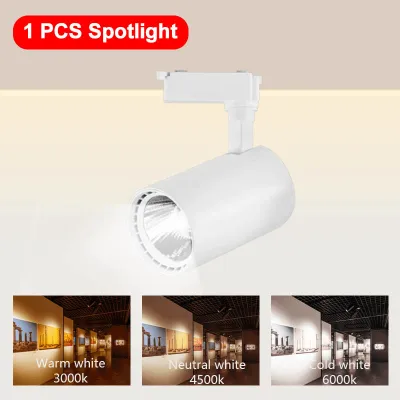
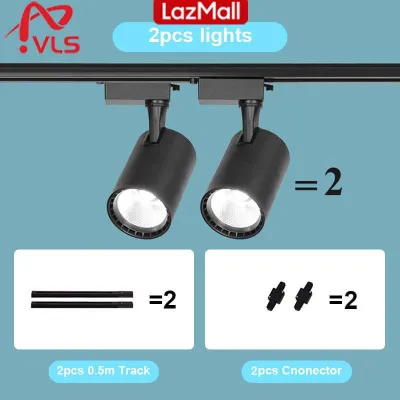
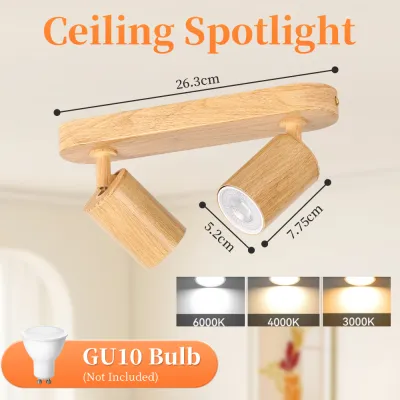
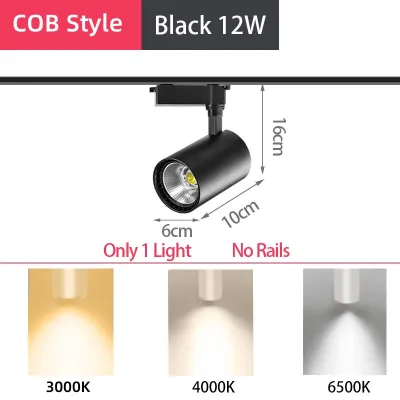
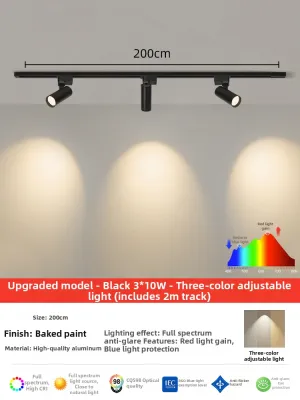
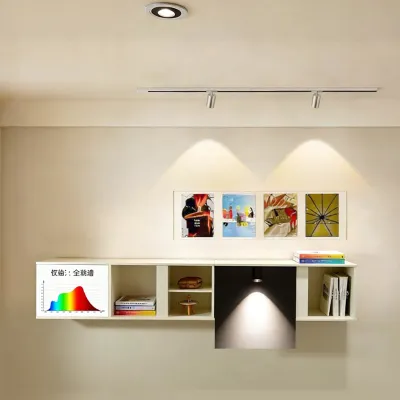
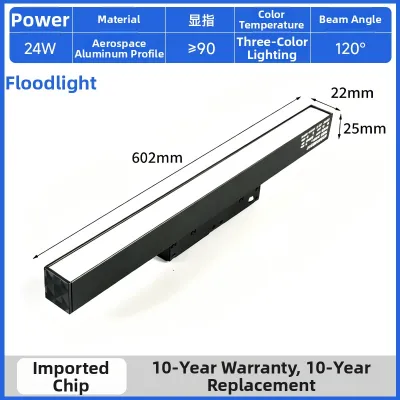
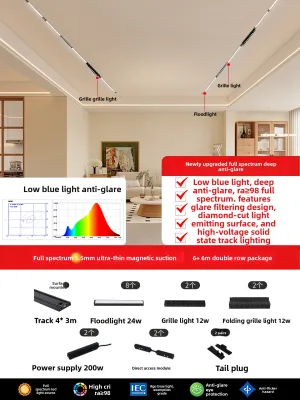
Prices are valid at publication and may change. Please refer to the product page for the latest price.
Best Rooms for Track Lighting Based on Functional Needs
To maximize the utility of track lights, it is helpful to analyze how different spaces in your home use light. By matching the adjustability of track systems with the specific demands of each room, you can create a highly functional and comfortable living environment.

Kitchens and Dining Areas
Kitchens are highly active work zones that demand precise, shadow-free task lighting. Traditional central ceiling fixtures often cast the user’s shadow directly over the countertop, sink, or food preparation island when standing at the counter. Installing track lights for ceiling along the line of your countertops allows you to position individual spotlights directly over these key work surfaces. This targeted illumination ensures safe food preparation, accurate ingredient measuring, and clear visibility when washing dishes.
In the dining area, track heads can be adjusted to cast a warm, inviting pool of light directly onto the dining table, mimicking the intimate atmosphere of a restaurant. However, the kitchen environment presents unique challenges due to heat, steam, and airborne grease from cooking. It is crucial to select track fixtures with smooth, easy-to-clean surfaces and robust heat dissipation. Cooking grease can accumulate on textured fixtures, making maintenance difficult, while excessive heat buildup from cooking stoves can degrade sensitive LED drivers if the fixtures lack adequate thermal management.
Living Rooms and Open-Plan Spaces
The living room is often the heart of the home, hosting activities that range from lively family gatherings to quiet evenings watching television. This multi-functional nature requires layered lighting that can transition from bright and energetic to soft and relaxing. Track lighting serves as an excellent foundation for this layering. You can direct individual spot heads to highlight wall art, family photo galleries, or architectural features like exposed wooden trusses, while angling other heads toward walls to bounce light and create soft ambient illumination.
Achieving this balance relies on mixing different beam angles and utilizing dimmable components. Narrow beam angles (15 to 24 degrees) are ideal for sharp accent lighting, while wider flood angles (36 to 60 degrees) distribute light more evenly for general ambient use. If you plan to install dimmable track heads, verify that both the LED fixtures and your wall dimmer switch are fully compatible. Incompatible dimming systems can lead to annoying flickering, buzzing, or premature bulb failure, disrupting the relaxed atmosphere of your living space.
Home Offices and Study Nooks
With remote work and online learning becoming permanent fixtures in many households, dedicated study nooks and home offices require careful lighting design to prevent eye strain. Standard overhead lights often create harsh glare on computer screens or cast deep shadows across writing desks. Track lights provide a highly adjustable solution, allowing you to position the light source to the side or slightly behind your seating position, directing light onto your desk surface without reflecting off your monitor.
When setting up a workspace, pay close attention to color rendering and color temperature. Choosing track bulbs with a high Color Rendering Index (CRI) of 90 or above ensures that colors appear natural and printed text remains sharp and legible. For productivity, a neutral white color temperature of approximately 4000K is highly recommended. This temperature mimics natural daylight, helping to maintain focus and alertness, whereas overly warm yellow light can induce sleepiness and very cool blue light can cause visual fatigue over extended working hours.
Bedrooms and Walk-in Closets
While bedrooms are primarily places of rest, they also contain functional zones like wardrobes and dressing areas that require clear visibility. A common issue in bedrooms is the shadow cast inside closets when relying on a single central ceiling light. Positioning a track run parallel to your wardrobe doors allows you to aim individual light heads directly into the closet interior, making it easy to distinguish dark clothing colors and locate items quickly.
In the sleeping area itself, direct glare must be avoided to maintain a restful environment. If track lights are installed in the bedroom, position the track away from the bed area or angle the heads so they do not shine directly into your eyes when lying down. Instead, point the track heads toward walls, decorative drapery, or the ceiling. Bouncing the light off these surfaces diffuses the beam, creating a soft, warm, indirect glow that helps signal to your body that it is time to wind down.
Where to Avoid Track Lights: Moisture and Clearance Limits
While track lights offer exceptional versatility, they are not suitable for every environment. Installing them in inappropriate locations can lead to electrical hazards, physical damage, or poor visual comfort.
In bathrooms and wet areas, moisture is the primary concern. Standard indoor track lights are open systems with exposed electrical conductors along the interior of the track rail. If installed in high-splash zones, such as directly over a shower enclosure or bathtub, steam and water droplets can penetrate the track, leading to short circuits, corrosion, and severe electrical shock risks. Unless a track lighting system is explicitly certified with an Ingress Protection (IP) rating of IP44 or higher for damp environments, keep them well outside the bathroom’s wet zones.
Low-clearance hallways and rooms with low ceiling heights (typically under 2.4 meters) also present significant drawbacks for track installations. Because track rails and heads protrude downward from the ceiling surface, they can become physical obstructions in narrow corridors. Taller occupants or individuals carrying large items can easily bump into the fixtures, causing damage or alignment issues. Furthermore, having high-intensity spotlights positioned close to eye level in a narrow space creates intense, uncomfortable glare that detracts from the home’s comfort.
Semi-outdoor areas, such as covered balconies, open-air lanais, or roof eaves, are also unsuitable for standard indoor track lighting. Although protected from direct rainfall by a roof, these spaces are still exposed to wind-driven rain, high outdoor humidity, and ultraviolet (UV) radiation. Standard indoor tracks will oxidize rapidly under these conditions, and moisture ingress can compromise the electrical connections. Always verify the manufacturer’s environmental ratings, and only install fixtures explicitly rated for outdoor or wet-location use in these semi-exposed areas.
How to Match Track Systems to Your Room's Requirements
Selecting the right track lighting setup involves understanding the technical specifications of the components to ensure safety, compatibility, and ease of maintenance.
First, you must understand track profiles and circuit configurations. Residential track systems are typically categorized as single-phase (where all fixtures on the track turn on and off together) or multi-phase (which allow you to control different groups of lights using separate switches on the same track). Additionally, track systems follow specific physical standards, most commonly H-type, J-type, or L-type. These standards dictate how the track heads connect mechanically and electrically to the rail. Because these standards are not cross-compatible, attempting to force a J-type head onto an H-type track can damage the copper conductors, break the mounting clips, or cause a dangerous electrical short circuit. Always purchase tracks and heads from the same manufacturer or verify absolute compatibility before installation.
Second, calculate the load capacity of your track run. Every track has a maximum amperage and wattage limit, which must not be exceeded. To calculate this, sum the wattage of all the track heads you plan to install on a single run. Ensure this total is well within the maximum rating of both the track rail and the branch circuit breaker powering it. Overloading the track can lead to excessive heat buildup, melted insulation, and tripped circuit breakers.
Finally, choose between integrated LED track heads and replaceable bulb options, such as GU10 bases. Integrated LED heads feature built-in light sources optimized for thermal management and often boast sleeker, more compact designs. However, if the LED driver or chip fails, you must replace the entire track head assembly. In contrast, fixtures utilizing replaceable GU10 bulbs allow for simple, tool-free bulb replacements. This option provides long-term maintenance convenience and gives you the flexibility to easily change beam angles, wattages, or color temperatures as your room’s requirements evolve over time.
Safe Installation Practices for Concrete and Wired Ceilings
Installing ceiling track lights requires careful preparation, the right tools, and a strict adherence to safety protocols to prevent accidents and ensure structural integrity.
Before undertaking any electrical work—including mounting the track, connecting wires, or adjusting fixtures—always isolate the power supply. Turn off the main circuit breaker at your home’s distribution panel and use a reliable non-contact voltage tester to confirm that the wiring at the ceiling junction box is completely de-energized. Never rely solely on a wall switch to isolate the power.
Mounting a track system directly onto a solid concrete ceiling presents unique mechanical challenges. Standard drywall screws or simple plastic plugs are insufficient to support the weight of a fully loaded track. You must use a rotary hammer drill equipped with a high-quality masonry drill bit to create precise holes. Secure the track using heavy-duty plastic wall plugs or metal expansion anchors designed for concrete. Before drilling, carefully map out the ceiling area to avoid damaging embedded PVC electrical conduits or hitting structural steel rebar, which can dull your drill bits and compromise the ceiling’s strength.
While mounting the physical track and inserting compatible track heads can be managed with care, any step involving fixed wiring, installing new ceiling junction boxes, or modifying your home’s electrical panel must be handled by a licensed electrician. Professional installation ensures that your lighting system complies with the Philippine Electrical Code (PEC), minimizing the risk of electrical fires, poor grounding, or building code violations.
Frequently Asked Questions (FAQ)
Can I install track lights directly on a concrete ceiling?
Yes, track lights are highly suited for direct surface mounting on concrete ceilings. This installation method is an excellent alternative to recessed lighting, as it avoids the need to construct expensive drop ceilings or chip away at the concrete slab. You must use a rotary hammer drill, masonry bits, and heavy-duty concrete anchors to secure the track rail firmly, taking care to avoid any pre-existing embedded electrical conduits.
Do track lights use more electricity than standard ceiling fixtures?
No, track lights do not inherently use more electricity than standard ceiling fixtures. The overall power consumption depends entirely on the type and wattage of the bulbs or integrated light heads you choose. Utilizing modern LED track heads or LED GU10 bulbs ensures high energy efficiency. Furthermore, because track lights allow you to direct light precisely where it is needed, you can often illuminate key functional zones effectively using lower-wattage bulbs, reducing unnecessary energy waste.
Community discussion
Share your experience or ask a question. Comments are reviewed before publication.