
Living in a modern condominium in the Philippines offers unparalleled convenience, but it often comes with architectural challenges, most notably limited ceiling heights. Many high-rise developments in Metro Manila and other urban hubs feature structural concrete ceilings with a clear height of only 2.4 to 2.6 meters. In these compact spaces, selecting the right ceiling led light is crucial for maintaining a sense of openness and comfort. Traditional hanging fixtures or bulky surface-mount designs can make a room feel claustrophobic, casting harsh shadows and physically obstructing movement.
Ultra-thin flush mount LED fixtures offer the ideal solution for low-clearance spaces. By sitting nearly flush against the concrete slab or gypsum board, these slim profiles maximize vertical headroom while delivering bright, even, and energy-efficient illumination. They eliminate the visual clutter of hanging cords and chains, allowing the eye to travel across the room unobstructed. This guide explores the most effective slim LED designs for Philippine condos, details the technical specifications you must verify before buying, and outlines the safety steps required for a successful installation.
Why Standard Fixtures Fail in Low-Ceiling Condos
Standard lighting fixtures, such as elaborate chandeliers, low-hanging pendant lights, and bulky semi-flush mounts, are designed for spacious homes with high ceilings. When installed in a typical Philippine condo, these fixtures quickly reveal their limitations. The physical drop of a standard light can easily eat up 30 to 50 centimeters of vertical space. For a taller individual, this creates a direct physical hazard, increasing the risk of accidentally bumping into the fixture when moving furniture, changing clothes, or simply walking through the room.
Products mentioned in this guide
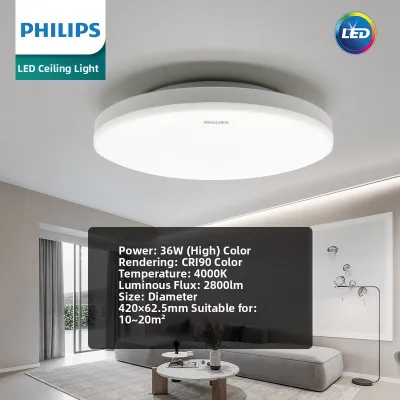
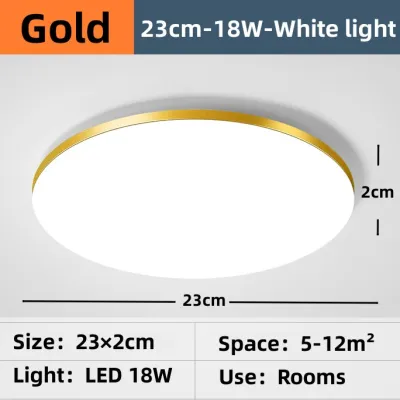
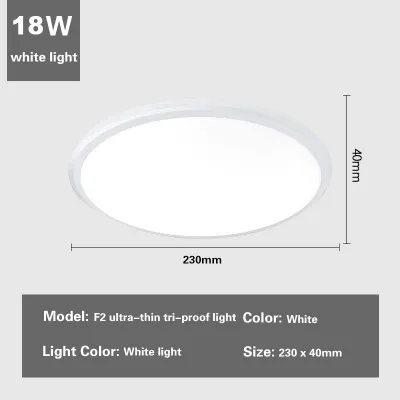
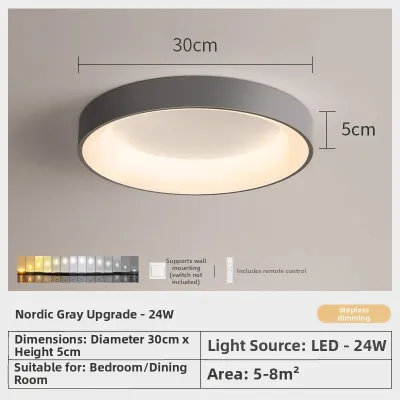
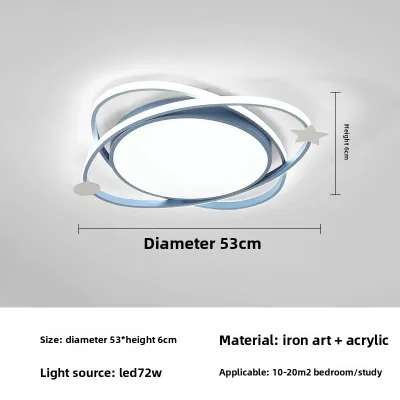
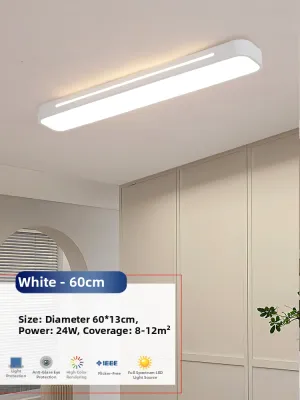
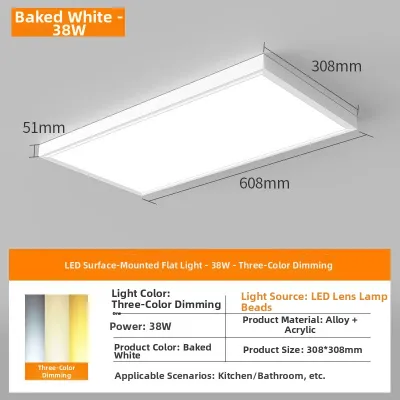
Prices are valid at publication and may change. Please refer to the product page for the latest price.
Beyond the physical obstruction, bulky fixtures carry significant visual weight. A large, dark, or highly detailed light fixture acts as a visual anchor, drawing the eye immediately upward and highlighting the lack of vertical space. This psychological effect makes already compact living rooms and bedrooms feel even smaller and more confined. Instead of feeling like a breezy, open sanctuary, the space can feel cave-like and restrictive.
Furthermore, standard fixtures often struggle with light distribution in low-clearance environments. When a light source sits too close to eye level without proper diffusion, it creates intense glare and harsh, localized hot spots. This uneven light distribution leaves corners in deep shadow while over-illuminating the center of the room, causing eye strain and making daily tasks uncomfortable. A slim, flush-mounted ceiling led light resolves these issues by spreading light widely and evenly from the highest possible point in the room.
Key Features to Evaluate in Slim Ceiling LED Lights
When browsing local home improvement centers or searching online marketplace platforms, you will encounter hundreds of LED options. To find a fixture that truly suits a low-ceiling condo, you must evaluate several critical design and technical specifications.

- Profile Thickness: The primary defining feature of a slim fixture is its vertical profile. For low-ceiling applications, look for lights with a thickness between 1.5 and 2.5 centimeters. Anything thicker than 3 centimeters begins to lose the streamlined, built-in aesthetic that makes flush mounts so effective. An ultra-thin profile ensures the light blends seamlessly into the ceiling plane, creating the illusion of a higher ceiling.
- Luminous Efficacy and Brightness: Do not confuse wattage with brightness. Wattage measures electrical power consumption, while lumens (lm) measure the actual light output. In a compact condo, you want high luminous efficacy—ideally 80 to 100 lumens per watt. This ensures the room receives bright, clear light without consuming excess energy or generating unnecessary heat. In the tropical climate of the Philippines, minimizing heat output from fixtures is essential to reduce the load on your air conditioning units.
- Light Diffusion and Beam Angle: Because the light source will be relatively close to your eyes, high-quality diffusion is non-negotiable. Look for fixtures featuring frosted acrylic (PMMA) or durable polycarbonate covers. These materials scatter the intense light emitted by individual LED chips, converting harsh points of light into a soft, uniform glow. Additionally, opt for a wide beam angle of 110 to 120 degrees to ensure the light spreads outward to the walls, eliminating dark corners and visually expanding the room.
- Color Temperature Options: Color temperature, measured in Kelvin (K), dictates the mood and functionality of your space. For living rooms and bedrooms, warm white (2700K to 3000K) creates a cozy, relaxing ambiance perfect for unwinding after a long day in the city. For functional areas like kitchens, study nooks, or home offices, neutral white (4000K) offers a balanced, natural light that enhances focus. Cool daylight (6000K to 6500K) is best reserved for high-visibility zones like bathrooms, utility closets, or laundry areas.
- Ingress Protection (IP) Ratings: The high humidity levels in the Philippines, combined with steam from cooking and showering, can quickly degrade electrical components. While a standard IP20-rated fixture is perfectly fine for dry living rooms and bedrooms, you must look for an IP44 rating or higher for bathroom and kitchen installations. An IP44 rating ensures the fixture is protected against water splashes and moisture intrusion, preventing premature driver failure or electrical short circuits.
Top Flush Mount Light Designs for Limited Headroom
Selecting the right design architecture is key to achieving both functional illumination and a modern interior aesthetic. Rather than focusing on specific brand names which may change in availability, look for these three proven design categories that excel in low-ceiling environments.
Edge-Lit LED Panel Fixtures
Edge-lit technology represents a major breakthrough for low-ceiling lighting. Unlike back-lit fixtures where LEDs point directly downward, edge-lit panels place the LED chips along the inner perimeter of the frame. The light is directed sideways into a specialized light guide plate, which then bounces the light downward through a diffuser. This design allows the fixture to be incredibly thin—often measuring less than 1.5 centimeters in thickness.
These panels are ideal for modern, minimalist living rooms, dining areas, or home offices. They produce an exceptionally soft, shadow-free light that mimics the effect of a natural skylight. The primary limitation of edge-lit panels is their integrated design; because the LEDs and drivers are built directly into the housing, you cannot simply swap out a bulb if a component fails. However, high-quality panels are built to last for tens of thousands of hours, making them a highly reliable long-term investment.
Ultra-Thin Round Flush Mounts
Circular flush mounts are a timeless and versatile choice for compact spaces. Their soft, rounded edges break up the rigid lines of typical square condo layouts, making them excellent for installation in narrow hallways, cozy bedrooms, and walk-in closets. Because they sit completely flush against the ceiling surface, they do not collect dust on their top surfaces, reducing maintenance in dusty urban environments.
When purchasing a round flush mount, always measure the outer diameter of the fixture. Standard electrical junction boxes installed in Philippine condos are typically 4-inch octagonal or round boxes. You must ensure the mounting base of the new light is wide enough to fully cover the junction box opening and any unpainted or damaged drywall surrounding it. A fixture with a diameter of 20 to 30 centimeters is generally sufficient to cover standard boxes while providing ample light for small to medium rooms.
Surface-Mounted Recessed-Style Lights
Many condo owners desire the clean, architectural look of recessed downlights (often called “pinlights” in the Philippines). However, installing true recessed lights requires cutting holes into a dropped gypsum ceiling. If your condo has a solid concrete slab ceiling, creating these cavities is structurally impossible. Surface-mounted recessed-style lights solve this dilemma by mimicking the deep-set look of a downlight within a shallow, surface-mounted housing.
These fixtures are perfect for kitchens, dining nooks, or accent lighting along a feature wall. They provide a more directed beam of light, which is excellent for task work or highlighting specific design elements. To maintain the illusion of a built-in architectural light, select fixtures with a trim color that matches your ceiling paint—usually matte white. This allows the housing to blend into the ceiling, keeping the visual focus entirely on the light itself.
Technical Checks and Installation Safety for Condos
Installing new lighting in a condominium requires careful planning and a strict adherence to safety standards. Before purchasing any fixture or picking up a screwdriver, you must perform several essential technical and administrative checks.
- Electrical Compatibility: The standard electrical grid in the Philippines operates at 220V to 240V at a frequency of 60Hz. Many imported lighting fixtures are designed for 110V/50Hz systems. Connecting a 110V fixture directly to a local 220V line will immediately destroy the internal LED driver and presents a severe fire hazard. Always inspect the product label or packaging to verify compatibility with 220V/60Hz. Look for safety certifications such as the Philippine Standard (PS) mark or the Import Commodity Clearance (ICC) sticker to ensure the product meets national safety standards. Additionally, if your condo features wall dimmers, ensure the LED driver is explicitly labeled as dimmable and is compatible with your specific dimmer switch type.
- Junction Box and Weight Limits: Remove your existing light fixture to inspect the ceiling junction box. Check that the metal or plastic box is securely anchored to the concrete slab or ceiling framing. While slim LED fixtures are lightweight—typically weighing between 0.5 and 1.5 kilograms—they still require a stable mechanical connection. Ensure the mounting bracket supplied with your new fixture aligns with the screw holes of your existing junction box. Never attempt to hang a fixture using adhesive tapes or unstable wire hooks.
- Condo Administration Rules: Condominium corporations in the Philippines maintain strict policies regarding unit renovations and electrical modifications. Before undertaking any work, consult your property management office. Drilling into structural concrete slabs to route new wiring is almost always prohibited, as it risks damaging embedded tension cables, plumbing lines, or electrical conduits. If you plan to install a new fixture in a location without an existing junction box, you will likely need to use surface-mounted PVC molding or conduits to route the wiring safely.
- Safety Boundaries: Electrical work carries inherent risks of shock, electrocution, and fire. Before inspecting, cleaning, or installing any fixture, you must isolate the power by switching off the main circuit breaker in your unit's electrical panel. Never rely solely on the wall switch, as some older or poorly wired systems may still have live current running to the junction box even when the switch is in the "off" position. Use a reliable voltage tester to confirm the wires are dead before touching them. If you discover frayed insulation, corroded copper wires, a damaged junction box, or if the installation requires running new fixed wiring through concrete, stop immediately. Do not attempt a DIY workaround. Hire a licensed, qualified electrician to complete the work safely and in compliance with the Philippine Electrical Code.
Frequently Asked Questions (FAQ)
Can I use a dimmer switch with slim LED ceiling lights?
You can only use a dimmer switch if the slim LED ceiling light is explicitly labeled as dimmable by the manufacturer. Standard, non-dimmable LED drivers cannot handle the voltage fluctuations introduced by a dimmer switch. Attempting to use them together will result in rapid flickering, buzzing noises, reduced lifespan, or immediate failure of the driver. Always verify that the fixture’s dimming technology matches your wall switch, such as trailing-edge or leading-edge dimmers.
How do I prevent glare from ultra-thin ceiling fixtures?
To prevent harsh glare in low-ceiling rooms, prioritize fixtures designed with high-quality frosted acrylic or polycarbonate diffusers, which scatter light evenly and eliminate hot spots. Avoid fixtures with clear or semi-transparent covers that expose the bare LED chips. Additionally, select a softer color temperature, such as warm white (3000K) or neutral white (4000K), for living and sleeping areas. Cool daylight (6500K) can feel intense and sterile when emitted from a low-clearance ceiling.
What is the best way to clean and maintain flush mount LED panels?
Before cleaning, always turn off the power at the wall switch to ensure safety. Use a clean, dry, or slightly damp microfiber cloth to gently wipe away dust, lint, and insect debris from the diffuser surface. Never spray liquid household cleaners, alcohol, or abrasive chemical solvents directly onto the fixture, as moisture can seep through the seams into the electronic housing, damaging the LED driver or causing a short circuit.
Community discussion
Share your experience or ask a question. Comments are reviewed before publication.