
Selecting the right ceiling fixtures for a high-rise home requires a careful balance of physical dimensions, electrical specifications, and ambient performance. In the Philippines, where standard condominium ceiling heights often range between 2.4 and 2.7 meters, traditional hanging chandeliers or bulky semi-flush fixtures can make rooms feel cramped and dark. The most effective solution to this architectural challenge is the low-profile flat light led fixture. These surface-mounted units sit close to the ceiling plane, preserving vertical clearance while distributing light evenly across compact spaces.
By choosing the correct flat light profile, you can visually expand your living area, avoid the physical hazards of low-hanging fixtures, and ensure your lighting system is robust enough to handle local environmental conditions. This guide examines the leading categories of slim LED flush mounts, details the essential technical specifications to verify before purchase, and outlines safe installation practices for concrete and gypsum ceilings.
Quick Picks: Best Slim LED Profiles for Low Ceilings
When navigating local home improvement stores or online marketplaces, you will find that slim-profile LED flat lights generally fall into three main categories. Each profile serves a distinct functional purpose and suits different areas within a compact condominium layout.
Products mentioned in this guide
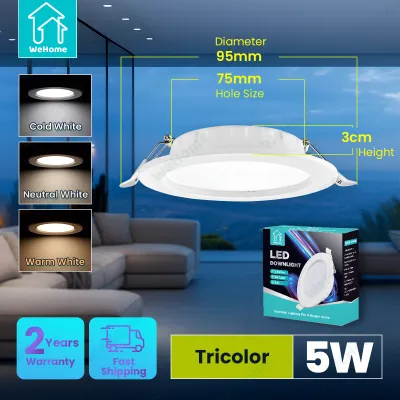
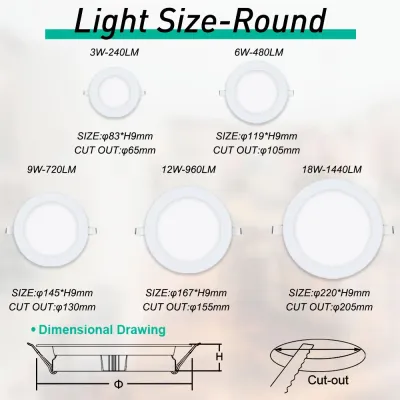
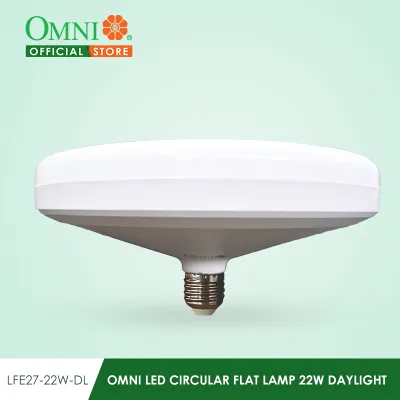
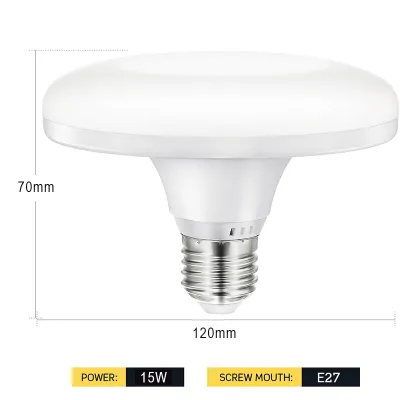
Prices are valid at publication and may change. Please refer to the product page for the latest price.
- Edge-Lit LED Panels: These ultra-slim fixtures utilize a perimeter LED layout and an internal light guide plate to produce soft, incredibly uniform, glare-free illumination. They are highly recommended for home offices, study areas, and living rooms where focused, comfortable task lighting is required.
- Acrylic Diffuser Lights: Utilizing a direct-lit configuration where LEDs are mounted on a backplate, these fixtures are lightweight, highly cost-effective, and easy to mount. They serve as excellent general ambient light sources for bedrooms, hallways, and utility closets.
- Smart Tunable Flat Lights: Featuring integrated wireless receivers and multi-color LED diodes, these fixtures allow you to adjust both brightness and color temperature dynamically. They are the ideal choice for multi-purpose studio units where a single room must transition from a bright workspace to a relaxing dining or sleeping area.
Rather than searching for specific, fast-changing brand model numbers, focusing on these three core profiles allows you to evaluate any available product based on its physical design and technical specifications. This approach ensures you find a fixture that matches both your aesthetic preferences and your unit’s structural requirements.
Why Ultra-Thin Flush Mounts Maximize Condo Space
Preserving vertical headroom is the primary spatial challenge in modern high-rise developments. A fixture that protrudes too far down from a low ceiling not only poses a physical hazard for taller occupants but also cuts the room in half visually, making the entire living space feel confined. True flush mount flat lights, which typically feature a depth of less than 2 inches (5 centimeters), keep the ceiling plane clear and uninterrupted.

Beyond physical clearance, the optical design of a flat light led fixture provides a distinct visual expansion effect. Traditional incandescent bulbs or deep-set spotlights cast concentrated cones of light, leaving the upper corners of the room in shadow. This high-contrast environment draws attention to the physical limits of the walls. In contrast, flat LED panels distribute light across a wide, edge-to-edge beam angle, washing the walls and ceiling in soft, balanced light. This uniform distribution minimizes harsh shadows, making compact rooms appear larger and more open.
When shopping for fixtures, it is vital to distinguish between a true flush mount and a semi-flush mount. True flush mounts sit completely flat against the ceiling surface, leaving no gap between the fixture housing and the mounting plane. Semi-flush mounts are suspended from a short stem or canopy, leaving a gap of 3 to 6 inches. For ceilings under 8 feet (2.4 meters), true flush mounts are the safer and visually superior choice, as they eliminate the distracting shadows and dust-gathering gaps associated with semi-flush designs.
Critical Specs to Verify for Philippine Condo Units
Before purchasing any LED flat light, you must verify that its technical specifications are fully compatible with the electrical standards and environmental conditions of the Philippines. Failing to check these details can lead to premature driver failure, flickering, or physical degradation of the fixture.
Electrical Compatibility and Voltage Standards
The electrical grid in the Philippines operates on a nominal voltage of 220V to 240V at a frequency of 60Hz. Many imported LED fixtures sold online are designed for 110V systems or 50Hz grids. Operating a 50Hz driver on a 60Hz system can cause internal overheating, visible flickering, and a significantly shortened lifespan. Always inspect the product label or manufacturer datasheet to confirm that the integrated LED driver is explicitly rated for 220V/60Hz. Additionally, look for local safety certifications, such as the Philippine Standard (PS) mark or the Import Commodity Clearance (ICC) sticker, to ensure the electrical components comply with national safety regulations.
Insect-Resistant Sealing
In tropical environments, small insects like gnats and termites (gamu-gamo) are naturally drawn to light sources. Standard ceiling fixtures with open ventilation gaps or loose diffusers quickly accumulate dead insects inside the optical chamber, resulting in unsightly dark spots and requiring frequent, difficult cleaning. To prevent this, prioritize flat lights with a fully sealed optical chamber. Look for fixtures with an Ingress Protection (IP) rating of IP40 or higher, which indicates the housing is sealed against solid objects larger than 1 millimeter, effectively keeping insects and dust out of the diffuser.
Humidity and Moisture Resistance
High relative humidity is a constant factor in the Philippines, particularly in coastal cities and high-rise units with open balconies. Moisture can quickly degrade non-protected LED circuits, leading to corrosion and electrical shorts. When selecting lights for kitchens, bathrooms, laundry areas, or covered balconies, verify that the fixture carries a damp-rated or wet-rated certification, or an IP rating of IP44 or higher. For dry living areas and bedrooms, standard indoor-rated fixtures are acceptable, provided the unit maintains adequate ventilation.
Lumen Output vs. Wattage
In the era of highly efficient LEDs, wattage is no longer a reliable indicator of brightness. Instead, you must evaluate the fixture’s lumen output to ensure adequate illumination without creating an uncomfortably bright environment. Because low ceilings position the light source closer to eye level, excessive brightness can cause severe eye strain. Use the following general guidelines to determine the appropriate lumen output for your condo spaces:
- Living Rooms and Bedrooms: Aim for approximately 30 to 40 lumens per square foot (roughly 300 to 400 lumens per square meter) of soft, ambient light.
- Kitchens and Bathrooms: Aim for 50 to 70 lumens per square foot (roughly 500 to 700 lumens per square meter) of bright, focused light for tasks.
- Beam Angle: Ensure the fixture has a wide beam angle of 110 degrees or more. A wide angle spreads the light horizontally, preventing the concentrated "hot spots" of light that often occur when narrow-beam fixtures are mounted on low ceilings.
Top Slim LED Flush Mount Categories for Every Room
To achieve the best balance of visual comfort, budget, and functionality, it is helpful to match specific categories of flat lights to the unique demands of each room in your condominium.
Edge-Lit LED Panels for Glare-Free Workspaces
Edge-lit technology represents a major advancement in comfortable, low-profile lighting. In an edge-lit panel, the LED chips are mounted along the inner perimeter of the frame, pointing inward toward a specialized light guide plate (LGP) made of optical-grade PMMA (acrylic). The LGP features microscopic patterns that redirect the light evenly downward through a high-quality diffuser. This design ensures that you never look directly at the individual LED diodes, resulting in a perfectly smooth, glare-free surface.
These panels are exceptionally thin, often measuring less than 1 inch (2.5 centimeters) in total depth, allowing them to blend almost seamlessly into the ceiling plane. They are highly suited for home offices, study corners, and main living areas where you spend long hours reading or working on screens.
While edge-lit panels offer superior visual comfort, they generally carry a higher price point than direct-lit alternatives. Additionally, you must be careful to avoid low-quality, generic edge-lit panels that use cheap polystyrene (PS) light guide plates, as these materials can turn yellow and brittle over time when exposed to heat and ambient UV light. Opting for fixtures with PMMA light guide plates and rigid aluminum frames ensures long-term color stability and structural integrity.
Acrylic Diffuser Lights for Budget-Friendly Bedrooms
Direct-lit flat lights are the most common and cost-effective option on the market. In these fixtures, the LED chips are mounted directly to the backplate, shining straight down through a front diffuser. Because the light is projected forward, these fixtures require a small physical gap between the LEDs and the diffuser to allow the light to spread evenly, making them slightly thicker than edge-lit models—typically ranging from 1.5 to 2 inches (3.8 to 5 centimeters) in depth.
These fixtures are lightweight, highly affordable, and widely available. They are an excellent choice for bedrooms, hallways, walk-in closets, and utility rooms where premium, glare-free optical performance is less critical than simple, reliable illumination.
When shopping for direct-lit fixtures, check product specifications and user feedback to watch out for “hot spotting.” This phenomenon occurs when the individual LED diodes are visible as bright, distinct dots through the diffuser, indicating a cheap, thin, or poorly designed cover. To avoid this, select models that utilize thick, high-quality frosted acrylic (PMMA) diffusers rather than thin, flexible plastic. Frosted acrylic provides superior light diffusion, hides the internal diodes, and resists yellowing over years of daily use.
Smart Tunable Flat Lights for Studio Units
Studio apartments represent a unique design challenge because a single room must serve as a productive office by day, a functional kitchen and dining area by evening, and a calm, restful bedroom at night. Smart tunable flat lights solve this multi-functional dilemma by allowing you to adjust the color temperature and brightness of the light on demand.
With these fixtures, you can easily transition from a cool, crisp daylight setting (6000K to 6500K) in the morning to stimulate focus, to a neutral white (4000K) for general daytime tasks, and finally to a warm, relaxing golden glow (2700K to 3000K) in the evening to prepare your body for sleep. These adjustments can be made via a dedicated infrared remote control, a smartphone application, or integrated smart home systems.
One of the greatest advantages of smart flat lights is their integrated dimming capability. Traditional LED dimming requires installing specialized wall dimmer switches, which are often incompatible with standard LED drivers and can cause annoying buzzing or flickering. Smart lights bypass this issue by dimming internally via digital signals, ensuring smooth, silent operation. Keep in mind that smart lights require constant electrical power to maintain their wireless connection; if you turn off the physical wall switch, you will lose the ability to control the light via apps or remotes. To prevent this, you may need to install wireless smart switches or simple switch guards over your existing wall switches.
Installation and Safety Boundaries for Concrete Ceilings
Installing a new flush mount fixture in a condominium requires a clear understanding of the building’s structural composition. Because high-rise construction relies heavily on reinforced concrete, standard residential installation techniques do not always apply.
Concrete Slab Ceilings
Most condominium units in the Philippines feature solid, post-tensioned concrete slab ceilings. Because these slabs are structural and contain embedded steel rebar, high-voltage electrical conduits, and post-tension cables, you cannot cut into them to recess a light fixture. Surface mounting is the only viable option. Installing a flat light on a concrete ceiling requires a hammer drill, high-quality masonry drill bits, and plastic wall anchors (commonly referred to as “tox” plugs) to secure the fixture’s mounting bracket.
Before drilling, always consult your condominium administration’s house rules. Many buildings have strict regulations regarding the maximum allowable depth for drilling into structural slabs (often limited to 1 inch or 2.5 centimeters) to prevent accidental damage to post-tension cables. Striking a post-tension cable can compromise the structural integrity of the building and result in severe safety hazards and costly repairs.
Gypsum Drop Ceilings
If your condo unit has a dropped gypsum ceiling—often installed to conceal structural beams, plumbing, or central air conditioning ducts—the installation process is different. You must never screw a flush mount fixture directly into the gypsum board alone, as drywall cannot support the weight of a light fixture over time, leading to sagging or eventual collapse.
Instead, use a stud finder to locate the structural metal framing (metal furrings) behind the gypsum board, and secure the mounting bracket directly to these metal members using self-tapping screws. If the mounting holes of the fixture do not align with the metal framing, you must use specialized heavy-duty hollow-wall anchors, such as metal toggle bolts, which expand behind the gypsum board to distribute the weight safely. Always verify the maximum weight capacity of your ceiling grid before hanging any fixture.
Wiring Constraints and Canopy Space
Because concrete ceilings do not allow you to push excess wiring up into a ceiling cavity, all electrical connections and the external LED driver must fit entirely within the shallow canopy of the flush mount fixture. When choosing a flat light, ensure the rear of the fixture has a dedicated, recessed cavity or a sufficiently spacious mounting bracket that can safely accommodate the wire nuts, electrical tape, and the driver module without pinching or crimping the wires.
Safety and Compliance Boundaries
Working with fixed electrical wiring carries inherent risks of electrical shock and fire. Before beginning any installation, maintenance, or replacement work, you must isolate the power supply by turning off the corresponding circuit breaker at the main electrical distribution panel. Use a reliable non-contact voltage tester to verify that the wires are completely dead before touching them.
Always follow the manufacturer’s provided installation manual for wiring connections, ensuring that the live, neutral, and ground wires are properly connected and insulated. If your condominium’s building administration requires a work permit, or if you are uncomfortable working with fixed electrical wiring and structural drilling, do not attempt a DIY installation. Hire a licensed electrician or a qualified professional to complete the work safely and in compliance with the Philippine Electrical Code.
Frequently Asked Questions (FAQ)
Can I install a flush mount light directly on a concrete condo ceiling?
Yes, surface-mounted flush lights are the standard and most practical solution for solid concrete condo ceilings. Because you cannot recess fixtures into a solid concrete slab without building a dropped ceiling, a low-profile surface mount provides a clean, modern aesthetic without sacrificing valuable headroom.
To install the fixture, you will need to drill shallow holes into the concrete using a hammer drill and masonry bits, insert plastic wall anchors, and secure the mounting bracket. Always coordinate with your condominium’s building administration before drilling to confirm the maximum allowable drilling depth, ensuring you do not damage embedded utility conduits or structural post-tension cables.
How many lumens do I need for a small condo bedroom?
For a typical small condo bedroom in the Philippines, which generally measures between 10 to 12 square meters (approximately 100 to 130 square feet), a total light output of 1,000 to 2,000 lumens is sufficient for general ambient lighting. If you use the bedroom as a home office or study, you may want to aim for the higher end of this range.
Because low ceilings position the light source closer to your eyes, a high-lumen fixture can easily feel overly bright or clinical. To maintain a comfortable environment, consider choosing a dimmable flat light or a smart tunable fixture. This allows you to scale back the brightness in the evening, creating a warm, relaxing atmosphere that promotes better sleep.
Community discussion
Share your experience or ask a question. Comments are reviewed before publication.