
To choose the best solar bulb lamp for your garden landscape in the Philippines, you must prioritize high weather resistance (IP65 or higher), robust battery capacities that can withstand tropical heat, and the correct lumen output and color temperature for your specific garden zones. Balancing aesthetic design with technical resilience is key to ensuring your outdoor lighting survives both intense tropical sun and heavy monsoon seasons.
Selecting the right fixtures requires looking beyond simple aesthetics to understand how solar technology interacts with the local climate. By evaluating technical specifications such as battery chemistry, ingress protection, and solar panel efficiency, you can build a sustainable, low-maintenance lighting system that enhances your outdoor living space year-round.
What to Look for When Choosing Solar Bulb Lamps
Brightness and Lumens
Understanding the relationship between lumens and landscape lighting needs prevents the common mistake of buying lights that are either blindingly bright or disappointingly dim. Lumens measure the total amount of visible light emitted by a source. For ambient lighting along pathways, flower beds, or garden borders, soft illumination of 10 to 50 lumens is generally sufficient to guide the eye without causing glare.
Products mentioned in this guide
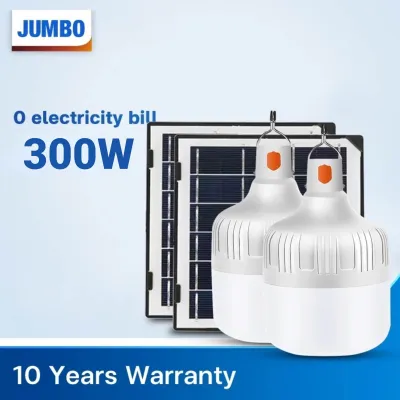
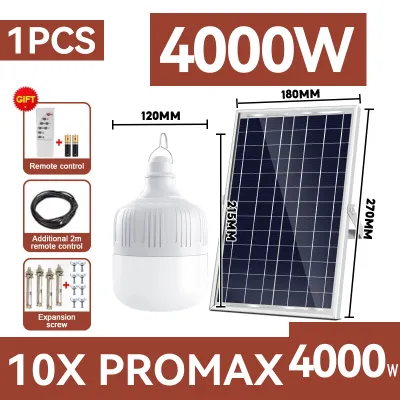
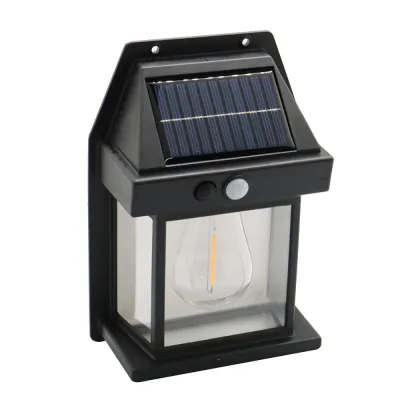
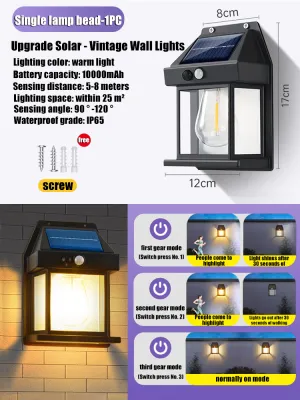
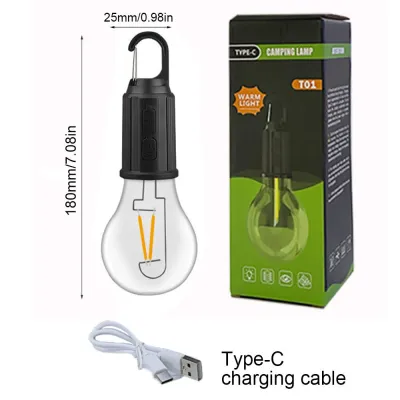
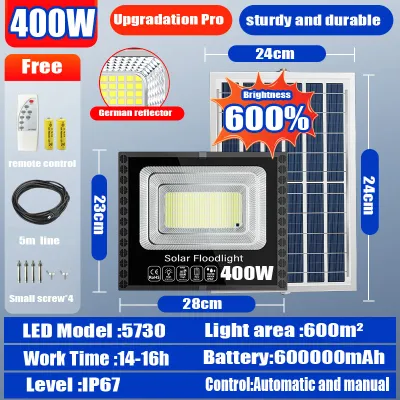
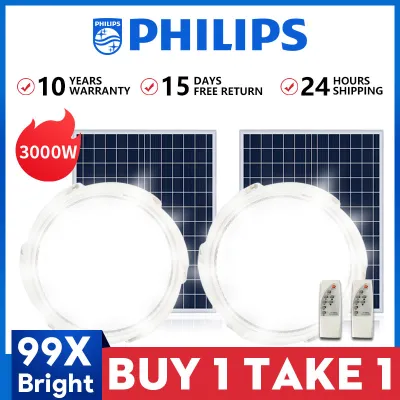
Prices are valid at publication and may change. Please refer to the product page for the latest price.
In contrast, focal points such as mature trees, water features, or architectural details require high-lumen output, typically ranging from 100 to 300 lumens or more. Security lighting and active outdoor living areas, like dining patios, also demand higher lumens to ensure safety and visibility. When selecting a solar bulb lamp, check the manufacturer’s packaging for the lumen rating rather than relying on wattage, as LED efficiency varies widely.
Weather Resistance (IP Rating)
Outdoor lighting in the Philippines must endure extreme weather conditions, from intense dry-season heat to torrential rains and high humidity. The Ingress Protection (IP) rating indicates how well a light fixture resists moisture and solid particles. An IP rating consists of two digits: the first represents protection against solids (like dust), and the second represents protection against liquids (like water).
For reliable garden performance, look for fixtures with a rating of IP65 or higher. An IP65 rating ensures the lamp is completely dust-tight and can withstand water jets from any angle, making it highly resilient against heavy downpours. For low-lying areas prone to temporary flooding or puddling during the monsoon season, upgrading to IP67 or IP68 fixtures—which can withstand temporary submersion—is a safer choice to prevent premature electrical failure.
Battery Type and Capacity
The performance and lifespan of a solar bulb lamp depend heavily on its internal battery. Most modern solar fixtures use either Lithium-ion (including Lithium Iron Phosphate, or LiFePO4) or Nickel-Metal Hydride (NiMH) batteries. Lithium-ion batteries are generally superior for tropical climates; they offer higher energy density, faster charging times, and a longer overall lifespan. LiFePO4 batteries, in particular, exhibit excellent thermal stability, allowing them to handle intense daily heat cycles without rapid degradation.
Battery capacity is measured in milliampere-hours (mAh). A higher mAh rating indicates that the battery can store more energy, which translates directly to longer runtimes at night. For consistent performance that lasts from dusk until dawn, aim for batteries with at least 1200mAh to 2400mAh capacity. Keep in mind that sustained tropical heat accelerates battery aging, so choosing high-quality, replaceable lithium batteries will extend the usable life of your light fixtures.
Color Temperature
Color temperature, measured in Kelvin (K), dictates the visual mood and functionality of your garden lighting. This choice is a matter of conditional preference rather than performance, as different temperatures suit different landscape styles. Warm white light (2700K to 3000K) emits a soft, yellowish glow that mimics traditional incandescent bulbs, creating a cozy, relaxing, and inviting atmosphere ideal for patios, seating areas, and romantic garden paths.
Cool white light (4000K to 6500K) produces a bright, bluish-white light that enhances visibility and modern architectural lines. Cool white is excellent for security lighting, highlighting green foliage, or illuminating modern concrete structures. For a balanced landscape design, consider layering both temperatures: use warm white for your leisure and dining zones, and cool white for safety paths and dramatic uplighting of large trees.
Electrical Compatibility and Certification
Even though solar bulb lamps operate on low-voltage direct current (DC) generated by their own panels, safety and quality standards remain paramount. Verify if the product carries recognized electrical certifications, such as the Philippine Standard (PS) mark, Import Commodity Clearance (ICC) sticker, or international equivalents like CE and RoHS. These certifications ensure the internal circuitry, charge controller, and battery housing meet basic safety and environmental standards.
If you are considering hybrid solar systems—which plug into your home’s 220V AC mains grid as a backup during extended cloudy periods—you must verify the voltage compatibility and base interface (such as standard E27 threaded bases). Ensure the integrated solar charge controller has built-in overcharge and over-discharge protection, which prevents the battery from overheating or draining completely, both of which are common causes of premature battery failure.
Best Solar Bulb Lamp Styles for Different Garden Zones
Layering your outdoor lighting involves combining different fixtures at various heights and angles to create depth, eliminate harsh shadows, and highlight the natural beauty of your garden. Instead of relying on a single light source, integrating multiple styles allows you to tailor the illumination to the specific functional and aesthetic needs of each garden zone.

Solar Path and Stake Lights
Solar path and stake lights are designed specifically to line walkways, driveways, and the edges of flower beds. Their primary function is to guide foot traffic safely through the garden at night while defining the physical boundaries of your outdoor space.
To prevent glare and light pollution, opt for downward-facing bulb designs or fixtures with integrated top caps that direct the light downward onto the ground. This ensures the path is clearly visible without shining light directly into the eyes of walkers.
When selecting stake lights, pay close attention to the stake length and material. High-quality materials like rust-resistant stainless steel, powder-coated aluminum, or heavy-duty ABS plastic are far superior to thin, brittle plastics. Longer stakes provide better stability when driven deep into soft, wet soil, which is common in tropical gardens during the rainy season.
Hanging Solar Bulb and String Lights
Hanging solar bulbs and string lights are perfect for elevating the ambiance of leisure areas, such as wooden pergolas, patios, and outdoor dining spaces. They can also be draped elegantly over tree branches to create a whimsical, starlit canopy effect.
Vintage Edison-style solar bulbs (such as S14 or G40 bulb shapes) are highly popular for these setups. They feature visible filaments that emit a warm, nostalgic amber glow, instantly transforming a plain backyard into a sophisticated entertainment area.
For hanging setups, it is highly recommended to choose split-design models. In these systems, the solar panel is separate from the light bulbs and connected by a long, waterproof cable. This design allows you to mount the solar panel in a high-exposure location—such as on top of a roof or fence—while hanging the decorative bulbs underneath shaded pergolas, covered patios, or dense tree canopies where direct sunlight cannot reach.
Solar Spotlights with Bulb Reflectors
Solar spotlights are directional fixtures used to draw attention to specific landscape features, such as tall palm trees, stone statues, water fountains, or textured architectural walls. By casting a concentrated beam of light, they create dramatic focal points and add a sense of height to your garden design.
Look for spotlights featuring adjustable heads and reflector-backed bulbs. The reflector helps concentrate the LED light into a tight beam, maximizing the projection distance and brightness. Adjustable joints allow you to fine-tune the angle of the light as your plants grow or as you change your garden layout.
When buying spotlights, consider the beam angle: a narrow beam angle (15 to 30 degrees) is ideal for tall, slender trees or columns, while a wide beam angle (60 to 120 degrees) works best for washing light across broad walls or low hedges. Ensure the housing is robust, preferably made of die-cast aluminum or impact-resistant polycarbonate, to withstand accidental impacts from lawnmowers, grass cutters, or stray garden tools.
Wall and Fence-Mounted Solar Bulbs
Wall and fence-mounted solar bulbs are excellent for defining your property boundaries, illuminating dark side-yards, and adding vertical interest to perimeter walls, wooden fences, or concrete gate pillars. They provide essential perimeter security while highlighting the texture of your walls.
These fixtures often utilize a downward wash-lighting effect, casting a soft semi-circle of light down the wall surface. This minimizes glare while providing excellent ground visibility along the edges of your property.
Before purchasing wall-mounted units, verify the mounting hardware included in the package. Ensure you use rust-proof stainless steel or brass screws to prevent unsightly rust streaks on your walls over time. Additionally, because these fixtures have integrated solar panels on their top surfaces, make sure the chosen mounting location receives several hours of direct, unobstructed sunlight daily.
Maximizing Solar Charging in Tropical Weather
Panel Placement and Angle
To get the most out of your solar bulb lamps, panel placement is critical. Solar panels must be positioned where they receive direct, unobstructed sunlight for at least six to eight hours a day. Avoid placing panels under the constant shadow of dense tree canopies, roof overhangs, or tall perimeter walls.
Because the Philippines is located in the tropical northern hemisphere close to the equator, solar panels should ideally face south to maximize year-round sun exposure. A slight tilt angle of 10 to 15 degrees is recommended; this angle is steep enough to allow rainwater to run off easily, washing away accumulated dust and debris, while still capturing the maximum amount of solar radiation throughout the changing seasons.
Rainy Season Management
During the southwest monsoon (Habagat) and typhoon seasons, the Philippines experiences consecutive days of heavy cloud cover and rain. It is important to set realistic expectations: without direct sunlight, solar panels cannot generate enough energy to charge the batteries fully, resulting in shorter nighttime runtimes or dimmer light output.
To mitigate this, invest in solar bulb systems that feature oversized solar panels and high-capacity lithium batteries. These systems can capture and store more energy even during brief periods of partial sunlight. Some advanced models also feature “intelligent power management” modes, which automatically reduce the brightness of the LEDs on overcast days to conserve battery power and extend the runtime through the night.
Routine Maintenance
Regular maintenance is essential to keep your solar bulb lamps operating at peak efficiency. Over time, a film of dust, pollen, bird droppings, and air pollution can accumulate on the glass surface of the solar panel, blocking sunlight and reducing charging efficiency by up to 30 percent. Establish a routine to wipe the panels clean with a soft, damp microfiber cloth and mild soapy water every few weeks. Avoid using abrasive sponges or harsh chemical cleaners that could scratch or degrade the panel’s protective coating.
In addition to cleaning the panels, inspect the physical integrity of the light fixtures. Check the rubber seals, gaskets, and cable entry points for signs of cracking or UV degradation caused by intense tropical sun. If a seal is compromised, moisture can easily enter the housing during heavy downpours, leading to internal corrosion, short circuits, and permanent damage. Applying a thin layer of silicone grease to rubber gaskets can help maintain their flexibility and water-tightness.
Installation and Safety Checklist for Outdoor Lighting
Ground Preparation
Before installing stake lights along your pathways or garden beds, proper ground preparation is necessary to avoid damaging your equipment or home utility lines. Never force or hammer a plastic or metal stake directly into dry, hard-packed earth, as this can easily bend, crack, or snap the fixture.
Instead, thoroughly water the soil beforehand to soften it, or use a metal rod or trowel to dig a pilot hole. If your garden has rocky soil or heavy clay, pre-drilling holes and backfilling them with loose soil or sand will secure the stakes safely. Furthermore, always check for shallow irrigation lines, water pipes, or buried electrical cables before driving any stakes deep into the ground.
Mounting Security and Power Isolation
When installing hanging string lights, wall-mounted bulbs, or heavy spotlights, structural security is vital to withstand strong tropical winds and typhoons. Ensure that all mounting surfaces—whether concrete walls, wooden posts, or metal frames—can comfortably support the weight of the fixtures. Use high-quality, corrosion-resistant mounting hardware, such as stainless steel screws and heavy-duty wall anchors.
For hanging string lights spanning open areas, avoid letting the electrical cable bear the physical tension of the span. Instead, guide a stainless steel support cable (messenger wire) between the mounting points and secure the light string to it using UV-resistant zip ties. This prevents the electrical wire from stretching or snapping during high winds.
If your solar installation involves any connection to existing household electrical systems—such as hybrid backup lines or smart home controllers—always isolate the mains power at the circuit breaker before beginning work. For complex installations, work at significant heights, or integration with permanent outdoor wiring, always consult a qualified professional electrician to ensure compliance with the Philippine Electrical Code.
Light Pollution and Glare Control
Thoughtful landscape lighting enhances your property without negatively impacting your surroundings. When positioning spotlights and wall lights, angle the fixtures carefully to avoid shining light directly into neighboring windows or onto public roads, where it could create a hazardous glare for drivers.
Aim for a balanced, low-glare design by using shielded fixtures that direct light precisely where it is needed. This respectful approach not only maintains good relationships with your neighbors but also preserves the natural nighttime environment, protecting local wildlife and allowing you to enjoy a beautifully illuminated, peaceful garden.
Frequently Asked Questions (FAQ)
Do solar bulb lamps work during the Philippine rainy season?
Yes, solar bulb lamps will still work during the rainy season, but their performance will be reduced. Solar panels do not require hot weather to function; they rely on light energy, which can still penetrate thin cloud cover. However, thick monsoon clouds significantly reduce the amount of energy captured, meaning the battery may not fully charge. To ensure reliable performance during the wet season, choose high-quality models equipped with monocrystalline solar panels, which are highly efficient in low-light conditions, and pair them with high-capacity lithium batteries that store enough energy to power the lights through several overcast nights.
Can I replace the batteries in solar landscape lights?
Yes, most high-quality solar landscape lights are designed with replaceable batteries. Replacing the battery is a cost-effective way to revive a light fixture that no longer holds a charge, rather than buying an entirely new unit. To do this, refer to the manufacturer’s instruction manual and check the label inside the battery compartment to identify the exact battery type, voltage, and capacity—common types include 18650 Lithium-ion, LiFePO4, or AA NiMH rechargeable batteries. When replacing the battery, ensure you properly realign and tighten the waterproof cover and rubber gaskets to maintain the fixture’s weather-tight seal and prevent moisture ingress.
How long do solar bulb lamps typically last outdoors?
The overall lifespan of a solar bulb lamp depends on its individual components. The LED light sources themselves are highly durable and can last between 20,000 to 50,000 hours of use. However, other components have shorter lifespans: the rechargeable batteries typically last 1 to 3 years before their capacity degrades significantly due to daily heat and charge cycles, while the solar panels generally maintain high efficiency for 5 to 10 years. You can maximize the lifespan of your fixtures by purchasing models with replaceable batteries, performing regular cleaning to remove dust and debris, and checking the waterproof seals annually to prevent internal corrosion.
Community discussion
Share your experience or ask a question. Comments are reviewed before publication.