
Creating a warm, inviting sanctuary within a high-rise condominium requires a thoughtful approach to lighting. Traditional table lamps and overhead fixtures can sometimes feel static or harsh, while string lights offer a delicate, whimsical glow that instantly softens a room. Incorporating christmas lights solar powered sets into your interior design is an exceptional way to achieve this cozy atmosphere without cluttering your living space with unsightly extension cords or driving up your monthly electricity bill.
By leveraging the abundant tropical sunshine of the Philippines, these cordless light sources offer unprecedented placement flexibility. Whether you want to drape them over a bedroom headboard, weave them through living room shelving, or frame a balcony window, solar-powered fairy lights provide a sustainable, low-maintenance design solution. Understanding how to select, install, and maintain these lights is key to maximizing their aesthetic potential in a compact urban home.
Why Solar Fairy Lights Are Ideal for Condo Ambient Lighting
Condominium living in major Philippine metropolitan areas often comes with specific structural and spatial constraints. One of the most common challenges is the layout of electrical outlets, which are frequently positioned in corners or along walls where they do not align with your preferred furniture arrangement. Solar-powered fairy lights eliminate this issue entirely, allowing you to place ambient lighting in high, tight, or central areas of a room without worrying about reaching a plug.
Products mentioned in this guide
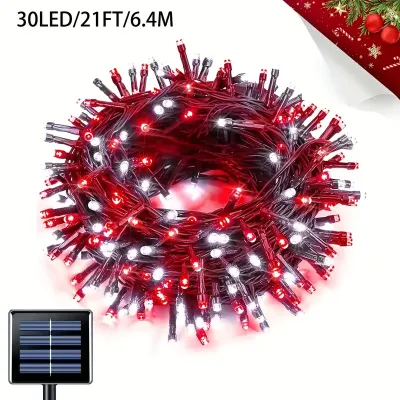
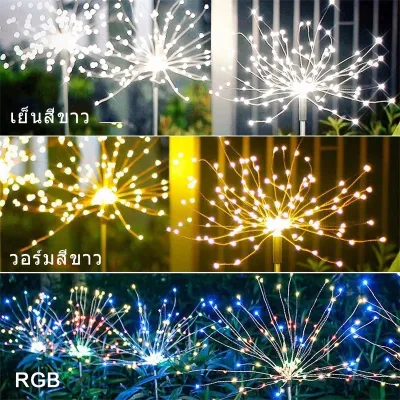
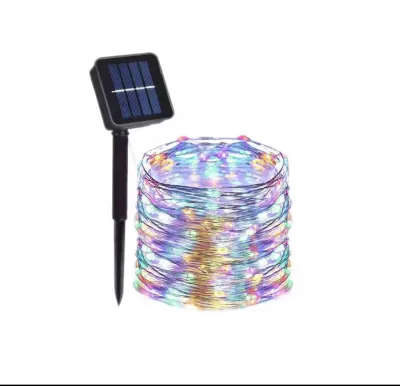
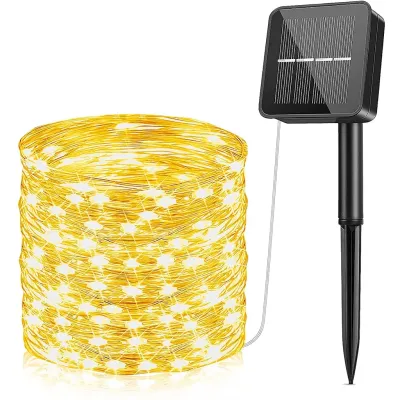
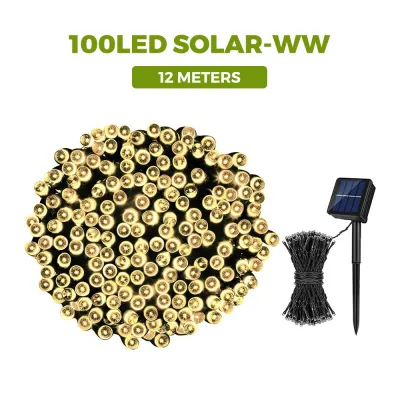
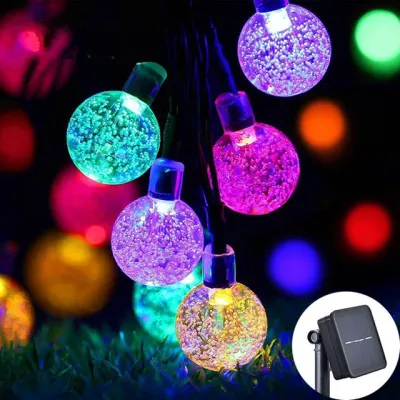
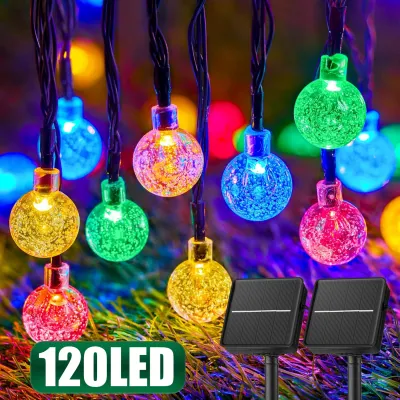
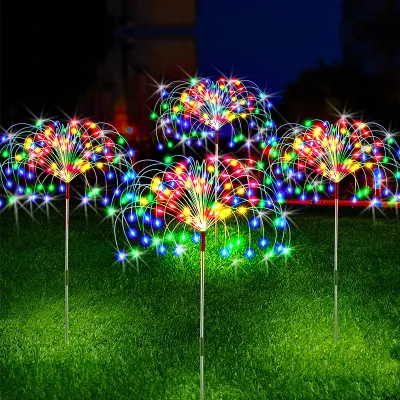
Prices are valid at publication and may change. Please refer to the product page for the latest price.
This cord-free nature contributes significantly to a clean, minimalist aesthetic. In smaller condo units, visible black or white power cables running down walls or snaking across floors create visual clutter and can become tripping hazards. Because solar lights rely on a self-contained power source, you can maintain a seamless, polished look that enhances the overall feeling of spaciousness and tranquility in your bedroom or living area.
Furthermore, solar lighting is highly compatible with condo rental guidelines. Many landlords impose strict rules against drilling holes into concrete walls, channeling plaster to hide wires, or altering the existing electrical infrastructure. Solar fairy lights require no permanent installation or electrical modifications, making them a completely reversible decor choice that protects your security deposit while still allowing you to personalize your living space.
Finally, utilizing solar energy is a highly practical choice given the local economic context. With electricity rates in the Philippines ranking among the highest in the Southeast Asian region, running decorative ambient lights for several hours every evening can noticeably impact your utility bill. Solar lights harness free, renewable energy during the day, allowing you to enjoy a beautifully illuminated home every night with zero ongoing operating costs.
Essential Specs to Check Before Buying Christmas Lights Solar Sets
To ensure your christmas lights solar powered systems deliver the desired cozy atmosphere and perform reliably indoors, you must carefully evaluate several technical specifications before making a purchase.

Color Temperature and Lumens
The color temperature of the LEDs dictates the emotional feel of your space. For a cozy, relaxing bedroom or living room, look for warm white lights, which typically range between 2700K and 3000K. This temperature mimics the soft, golden glow of traditional incandescent bulbs or candlelight, which helps signal to your brain that it is time to wind down. Avoid cool white lights (5000K to 6500K) for ambient areas, as their blue-toned, clinical brightness is better suited for task lighting or outdoor security. Additionally, check the lumen output; ambient fairy lights should offer a soft, low-intensity glow (usually between 5 to 30 lumens per string) rather than a piercing beam.
Wire Material and Flexibility
The material of the string wire affects both the durability and the styling potential of the lights. Bare copper wire is incredibly thin, lightweight, and highly flexible, making it virtually invisible when the lights are turned off. This wire can be bent, twisted, and shaped around delicate items like indoor plants, wire sculptures, or bed frames. Conversely, PVC-coated or thicker insulated cables are highly durable and resistant to moisture, but they are much heavier and stiffer, making them more challenging to style elegantly in refined indoor settings.
Battery and Panel Specifications
Because your lights will rely on stored energy, the battery and solar panel specifications are critical. Look for systems equipped with Lithium-ion (Li-ion) batteries rather than older Nickel-Metal Hydride (NiMH) types, as Li-ion batteries generally offer higher energy density, faster charging cycles, and a longer overall lifespan. Pay close attention to the battery capacity, measured in milliampere-hours (mAh); a capacity of 800mAh to 1200mAh is usually sufficient to power a standard 100-LED string for 6 to 8 hours. Additionally, prioritize monocrystalline solar panels over polycrystalline variants, as monocrystalline panels boast higher energy conversion efficiency, which is vital when charging through window glass.
IP Ratings and Safety
Even though you plan to use these lights indoors, they are fundamentally designed as outdoor products, meaning they will carry an Ingress Protection (IP) rating. An IP44 rating is generally sufficient for indoor use and covered balconies, protecting the components from dust and occasional splashes of water. In humid tropical climates like the Philippines, moisture resistance is highly beneficial for preventing internal corrosion. Always verify that the product features low-heat LED technology, ensuring the bulbs remain cool to the touch even after hours of operation, and check the manufacturer’s safety instructions regarding wire insulation and indoor deployment.
Best Styles of Solar Fairy Lights for Cozy Condo Spaces
Selecting the right style of solar fairy lights depends on your specific room layout, furniture design, and the type of visual effect you want to create. Different physical designs lend themselves to distinct decorative applications.
Flexible Copper Wire Solar Strings
Flexible copper wire strings feature micro-LEDs embedded directly into thin, bendable metallic wires. These are the most versatile option for intricate, detailed styling because the wire holds its shape once bent. You can wrap them tightly around wooden headboards, weave them through the leaves of indoor potted plants like snake plants or monstera, or spiral them around decorative ladder shelves.
- Pros: Extremely lightweight, highly customizable shape, and nearly invisible wire backing.
- Cons: The delicate wire can tangle easily and may snap if subjected to rough handling or repeated sharp bending.
- Ideal Placement: Wrapped around bedroom bedposts, coiled inside decorative glass domes, or woven into living room wall shelving.
Enclosed Mason Jar or Globe Solar Lights
Enclosed solar lights feature small string lights pre-installed inside glass or acrylic jars, lanterns, or geometric globes. The solar panel is typically integrated directly into the lid or top of the fixture. These self-contained units function as portable, standalone accent pieces that can be moved from room to room with ease.
- Pros: Highly portable, require no installation, and the glass or textured acrylic enclosure beautifully diffuses the light to create a soft, glare-free pattern on nearby surfaces.
- Cons: Heavy, bulky, and limited to localized accent lighting rather than broad spatial illumination.
- Ideal Placement: Placed on bedside nightstands, arranged as a dining table centerpiece, or styled on living room coffee tables.
Solar Canopy and Curtain Strings
Solar curtain lights consist of a main horizontal cable from which multiple vertical strings of LEDs hang down, creating a shimmering wall of light. These are designed to cover larger vertical surfaces and can instantly transform a plain wall or window into a dramatic focal point.
- Pros: Provides high visual impact, covers large areas efficiently, and creates a stunning backdrop effect.
- Cons: Requires secure mounting points at multiple intervals, can easily tangle during setup, and requires a large vertical space to look balanced.
- Ideal Placement: Draped behind sheer window curtains, hung along sliding glass doors leading to high-rise balconies, or mounted on a main living room accent wall. Be sure to measure your condo's floor-to-ceiling height (typically 2.4 to 2.8 meters) to ensure the drop length of the curtain lights matches your space.
How to Effectively Charge Solar Panels Inside a Condo
The primary operational hurdle when using solar lights indoors is ensuring the solar panel receives enough light to charge the battery. Because high-rise condos are enclosed spaces, you must be strategic about panel placement and understand how light behaves indoors.
Strategic Panel Placement
To maximize solar exposure, position the detached solar panel directly against your glass windows or on your balcony. In the Philippines, windows facing south or east generally receive the most consistent, intense sunlight throughout the day. You can mount the panel directly to the window glass using double-sided suction cups, rest it on a wide window sill, or secure it to a balcony railing using zip ties. Ensure the panel is angled upward toward the sky rather than facing straight out or down, as this maximizes the angle of solar incidence.
Understanding Light Thresholds
It is important to recognize that not all light is equal when it comes to solar charging. Direct, unobstructed sunlight is the most effective, capable of fully charging a battery in 6 to 8 hours. Bright, indirect sunlight (such as the light in a shaded balcony or a north-facing window) can still charge the panel, but the process will be significantly slower, often requiring 10 to 12 hours to achieve a partial charge. Artificial indoor lighting, such as LED ceiling lights or fluorescent lamps, does not emit the specific wavelengths or intensity required to trigger efficient photovoltaic conversion and should not be relied upon for charging.
Furthermore, standard window glass filters out a portion of solar radiation, particularly ultraviolet light, which can reduce your solar panel’s charging efficiency by 30% to 50%. If your condo features tinted, double-glazed, or UV-protected windows, this reduction can be even greater. If you notice your lights are only staying on for an hour or two at night, it is highly likely that the window glass is blocking too much light, requiring you to temporarily place the panel outside on the balcony during peak sunny hours.
Hybrid Charging Alternatives
To mitigate the limitations of indoor solar charging, look for solar fairy lights that feature hybrid charging capabilities. Many modern systems include a micro-USB or USB-C port on the back of the solar panel or battery housing. This allows you to detach the unit and charge it via a standard wall adapter or portable power bank. This hybrid functionality is incredibly useful during the Philippine wet season (the habagat monsoons from June to October), when consecutive days of heavy rain and thick cloud cover make solar charging virtually impossible.
Maintenance for Efficiency
To keep your solar panel operating at peak efficiency, establish a simple, low-risk cleaning routine. Dust, pollen, and condensation can quickly accumulate on the glass surface of the panel, especially in urban environments with high traffic pollution. Once a week, gently wipe the surface of the solar panel with a dry or slightly damp microfiber cloth. Avoid using abrasive scrubbing pads, harsh chemical glass cleaners, or dish soap, as these can scratch or degrade the protective plastic coating on the panel, permanently reducing its light absorption capacity.
Solar vs. Battery vs. Plug-in: Which Fairy Light Is Right for You?
Before finalizing your lighting setup, it is helpful to compare solar-powered fairy lights with other common power configurations to ensure you are making the best choice for your condo’s layout and natural light access.
| Power Source | Outlet Dependency | Running Cost | Brightness Consistency | Placement Flexibility |
|---|---|---|---|---|
| Solar | None (requires sunlight/window access) | Zero (₱0.00) | Declines as battery drains; depends on daily sun exposure | High (limited only by solar panel cable length) |
| Battery-Operated | None (requires AA/AAA or button cells) | Moderate (ongoing cost of replacement batteries) | Consistent until battery nears depletion | Extremely High (can be placed anywhere indoors) |
| Plug-in | High (must be near an AC outlet) | Low to Moderate (adds to monthly electric bill) | Excellent (constant, uniform brightness) | Low (restricted by cord length and outlet locations) |
Analyzing Your Options
Solar fairy lights are the ideal choice if you have a sun-lit window or balcony, want a automated system that turns on by itself at dusk, and prefer a sustainable setup with absolutely zero running costs. They are perfect for living rooms and bedrooms with large glass panes.
However, if you want to light up a windowless room, a walk-in closet, or an internal bathroom where natural light never penetrates, a battery-operated string light is a more practical alternative. While you will have to bear the recurring cost of replacement batteries (or invest in rechargeable AA batteries), you will not be limited by sunlight availability.
If your goal is to have highly consistent, maximum brightness for extended periods—such as hosting an all-night gathering or setting up a permanent reading corner near an outlet—plug-in fairy lights are the most reliable option. They do not suffer from dimming as the night goes on, though you will have to manage the power cords and accept a minor increase in your monthly electricity consumption.
Damage-Free Installation and Safety Tips for Condos
Hanging fairy lights in a condominium requires installation methods that are secure, aesthetic, and completely reversible to avoid damaging walls, ceilings, or window frames.
Damage-Free Hanging
To mount your lights without leaving holes or peeling paint, utilize damage-free adhesive hooks or transparent cable clips. These hooks use specialized adhesive strips that hold firmly to painted concrete, glass, and wood, yet pull off cleanly without leaving residue or tearing the drywall. For hanging curtain lights across a window or sliding door, consider using an adjustable tension rod placed inside the window frame; you can easily drape the lights over the rod without using any adhesive at all. Always clean the mounting surface with rubbing alcohol and allow it to dry completely before applying adhesive hooks to ensure maximum adhesion in humid tropical climates.
Heat and Fire Safety
While modern LED fairy lights generate very little heat, safety should always remain a priority. Before installing your lights, carefully read the manufacturer’s care and safety instructions. Ensure that the light strings are kept at a safe distance from highly flammable materials, such as lightweight paper decorations, delicate synthetic curtains, or bedding. Do not bunch the lights tightly together in enclosed, unventilated spaces like small boxes or tight plastic containers, as heat can slowly build up over time. Always inspect the wires before plugging them in or turning them on; if you notice any frayed insulation, exposed copper, or cracked plastic, discard the set immediately.
Wire Management
To maintain a polished look and prevent accidents, practice diligent wire management. Secure the excess wire and the cable connecting the light string to the solar panel using hook-and-loop fasteners (Velcro straps) or clear cable ties. Keep cables tucked neatly along the edges of baseboards, behind furniture, or along window frames to prevent tripping hazards, which is especially important in compact condo layouts where space is limited. If the solar panel cable is too long, coil the excess neatly near the window sill rather than letting it dangle loosely where it could be accidentally pulled by pets or vacuum cleaners.
Frequently Asked Questions (FAQ)
Can solar fairy lights work indoors without direct sunlight?
Yes, solar fairy lights can work indoors without direct sunlight, but their performance will be limited. High-efficiency monocrystalline solar panels can gather charge from bright, indirect light near windows, though this will result in a much slower charge and a shorter evening runtime. For rooms that receive no direct sunlight, it is highly recommended to choose a hybrid solar model that features a USB charging port, allowing you to manually charge the battery pack via a wall outlet when natural light is insufficient.
How long do solar string lights stay on at night?
The runtime of solar string lights depends entirely on the capacity of the internal battery and the amount of sunlight the panel received during the day. Under optimal outdoor conditions with direct sunlight, a fully charged battery can power the lights for 8 to 10 hours. However, when charged indoors through a glass window, the reduced light intensity typically yields a shorter runtime of 4 to 6 hours. Checking the manufacturer’s specifications will give you the maximum potential runtime under ideal conditions.
Are warm white solar lights better for bedroom ambiance?
Warm white solar lights (2700K to 3000K) are highly recommended for bedroom ambiance. This color temperature produces a soft, golden glow that closely mimics candlelight, which helps create a relaxing atmosphere conducive to rest and sleep. Cool white lights (5000K and above) emit a bright, blue-toned light that can interfere with your body’s natural melatonin production, making it harder to fall asleep. Save cool white lights for functional spaces like kitchens or workspaces, and stick to warm white for cozy relaxation areas.
Community discussion
Share your experience or ask a question. Comments are reviewed before publication.