
The best solar Christmas lights for outdoor use during the Philippine rainy season must feature an Ingress Protection rating of at least IP65, a monocrystalline solar panel to maximize charging during overcast days, a high-capacity rechargeable battery (ideally lithium-ion with at least 1200mAh), and heavy-duty, PVC-coated or rubberized wiring. Because the local wet season brings intense tropical downpours, high humidity, and prolonged cloud cover, standard decorative lights will quickly fail due to water ingress or insufficient charging. Choosing products specifically engineered to withstand these harsh conditions ensures your holiday display remains bright and safe from October through January.
To find a reliable solar Christmas light outdoor setup, you must look past generic marketing buzzwords and focus on verified technical specifications. Investing in robust weatherproofing not only prevents immediate electrical failure but also saves you money by ensuring your decorations survive for multiple holiday seasons.
Why Weatherproofing is Crucial for Solar Lights in the Philippines
The Philippine holiday season, which famously begins as early as September, overlaps significantly with the tail end of the southwest monsoon and the peak of the typhoon season. During this period, outdoor decorations are subjected to extreme environmental stressors, including sudden torrential downpours, sustained high humidity, and strong winds. Standard indoor or semi-outdoor lights are simply not built to survive these conditions, and deploying them in exposed areas poses serious risks.
Products mentioned in this guide
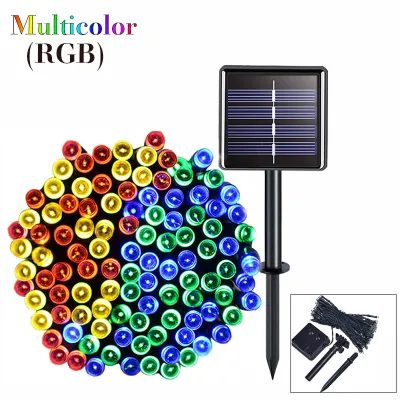
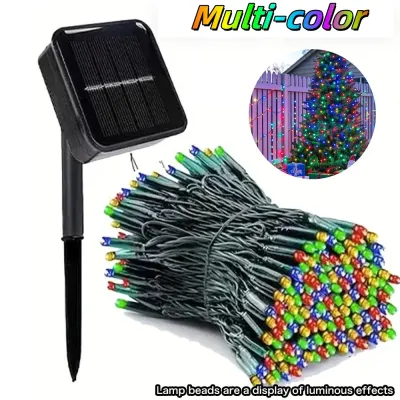
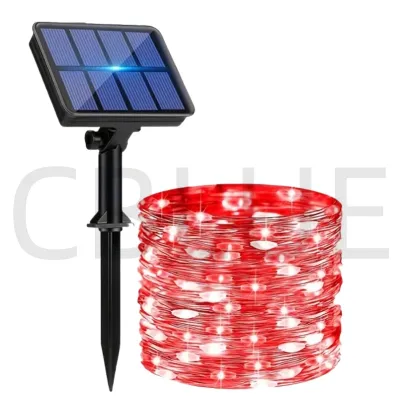
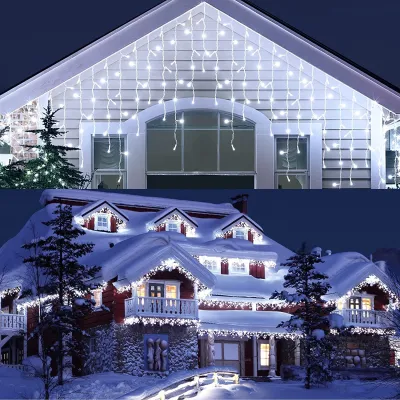
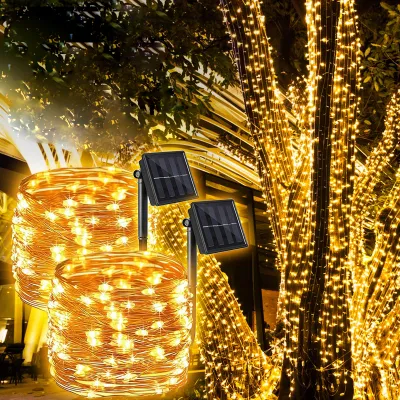
![[BUY 1 TAKE 1]Christmas Light Solar Water Drop String Light 5M/7M 8 Modes LED Solar Fairy Light String Outdoor Waterproof Suitable For Weddings Parties Festivals Courtyards Gardens Balconies Christmas Atmosphere Decoration In BA](https://img.lazcdn.com/g/p/df1a5b01edecf0b780452f2113ed08f3.jpg_400x400q80.jpg_.webp)
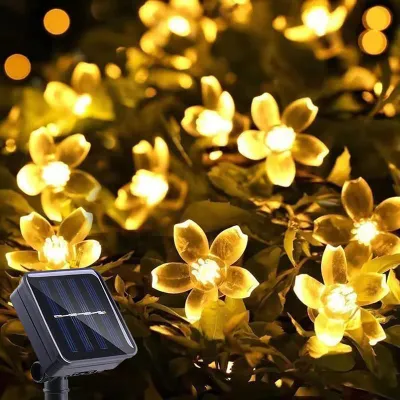
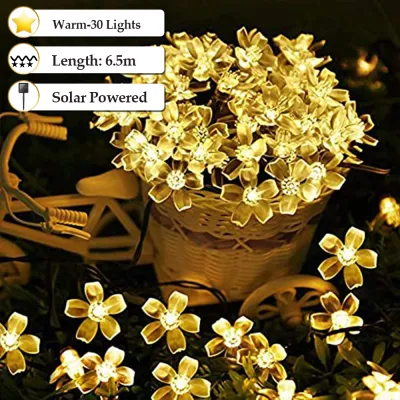
Prices are valid at publication and may change. Please refer to the product page for the latest price.
When moisture penetrates a light string or its solar charging unit, it triggers rapid electrochemical reactions. Water acts as a conductor, leading to short circuits that can permanently damage the internal light-emitting diodes (LEDs) and the control circuitry. Furthermore, the persistent high humidity characteristic of the tropical climate accelerates the corrosion of exposed copper connections, battery terminals, and solder joints, rendering the system useless within weeks.
Another major challenge is the lack of direct sunlight during the wet season. Overcast skies and continuous rainy days dramatically reduce the solar energy available for harvesting. If a solar light system has a poorly sealed panel or a weak battery compartment, moisture ingress will degrade the charging efficiency even further. This creates a double failure point: the system cannot generate enough power, and the power it does generate is lost to internal electrical leakage.
Using non-weatherproofed lights outdoors also introduces safety hazards. While solar lights operate on low-voltage direct current (typically 1.2V to 3.7V), which minimizes the risk of severe electrical shock to humans, a short-circuited battery can still overheat, swell, or pose a minor fire hazard if installed near dry foliage or flammable materials. Ensuring your outdoor lighting has certified weatherproofing is the first and most critical step in planning a safe, durable holiday display.
Essential Specs to Check Before Buying Rainy-Season Solar Lights
Selecting the right solar Christmas lights requires a careful inspection of the product packaging, manufacturer datasheets, or online product specifications. Many generic products are labeled simply as “waterproof,” but this term has no standardized engineering definition. To ensure your lights can withstand the wet tropical climate, you must verify several key technical parameters before making a purchase.

When selecting solar lights, always verify the electrical certifications (such as the Philippine Standard or Import Commodity Clearance marks), voltage compatibility, base or interface types, wattage limits, and dimming methods. Never assume a product is safe or compatible simply because it is marketed as an outdoor Christmas light.
Understanding IP Ratings for Outdoor Use
The Ingress Protection (IP) rating is an international standard that defines how effectively an electrical enclosure seals against solids and liquids. An IP rating consists of two digits: the first digit (0 to 6) indicates protection against solid objects like dust, and the second digit (0 to 9) indicates protection against water. For outdoor holiday lights in wet environments, the second digit is the most critical factor to analyze.
While an IP44 rating is often considered the bare minimum for general outdoor use—meaning the device can resist splashes of water from any direction—it is rarely sufficient for the intense, driving rains of a Philippine typhoon. For fully exposed garden areas, fences, and roofs, you should look for lights and solar panels certified to at least IP65. An IP65 rating guarantees that the enclosure is completely dust-tight and can withstand low-pressure water jets from any angle, ensuring that heavy downpours will not penetrate the housing.
It is vital to verify that both the light string and the solar panel unit carry adequate IP ratings. Sometimes, manufacturers use high-quality, sealed bulbs but pair them with a cheap, IP44-rated solar panel and controller box. Because the solar panel must be placed in an open, unshaded area to charge, it is the component most vulnerable to water entry. Always check the manufacturer’s official specifications for both parts of the system rather than relying on a single generic rating for the entire product.
Solar Panel Efficiency in Low-Light Conditions
The type of solar panel included with your Christmas lights directly determines how well they will perform during consecutive cloudy or rainy days. Most consumer solar lights utilize either monocrystalline or polycrystalline silicon panels. Understanding the performance trade-offs between these two materials is essential for ensuring your lights actually turn on when night falls.
Monocrystalline panels are made from a single, pure silicon crystal, which gives them a uniform, dark appearance. They are highly efficient, typically converting 15% to 22% of sunlight into electricity, and they perform significantly better in low-light, overcast, or indirect sunlight conditions. Polycrystalline panels, which are made from multiple silicon fragments melted together, have a speckled blue appearance and are less efficient (usually 13% to 16%), struggle heavily under cloud cover, and require direct, intense sunlight to charge effectively.
For the rainy season, investing in monocrystalline solar panels is highly recommended, as they can harvest diffuse light during gray, overcast afternoons. Additionally, pay attention to the physical size and rated wattage of the panel. A tiny panel will struggle to charge a long 100-LED or 200-LED string even in perfect weather. Ensure the panel’s rated output matches the demand of the light string, and avoid oversized strings connected to miniature, low-wattage solar collectors.
Battery Capacity and Humidity Resistance
The battery inside the solar controller serves as the energy reservoir, storing the power collected during the day to run the lights at night. During the wet season, when charging cycles are short and irregular, having a high-capacity battery is crucial for maintaining a consistent light display.
Battery capacity is measured in milliamp-hours (mAh). A higher mAh rating means the battery can store more energy, allowing the lights to run longer on a single full charge and providing a buffer for days when the sun barely shines. For a standard 100-LED string, look for a battery capacity of at least 800mAh to 1200mAh. If you are using longer strings or brighter bulbs, capacities of 1800mAh to 2000mAh or higher are preferable to ensure the lights do not fade out after only an hour or two of operation.
You should also verify the chemistry of the battery. Lithium-ion (Li-ion) or Lithium Iron Phosphate (LiFePO4) batteries are generally superior to older Nickel-Metal Hydride (NiMH) batteries. Lithium-based batteries charge faster, handle deep discharges better, have a longer overall lifespan, and perform more reliably in warm, humid climates. Finally, ensure the battery compartment features a tight rubber gasket seal and is secured with screws to prevent humid air and rainwater from seeping in and corroding the terminals.
Choosing the Right Solar Fairy String Light Design for Wet Conditions
The physical design and material composition of your fairy lights affect not only how they look but also how well they resist physical damage from wind, rain, and debris. Comparing different construction styles helps you choose a product that suits your specific outdoor layout.
Wire and Bulb Materials for Durability
Fairy string lights generally come in two primary wire configurations: ultra-thin copper wire and thicker, insulated PVC or rubberized cable. While ultra-thin copper wire lights are highly flexible, virtually invisible during the day, and easy to wrap around delicate branches, they are highly susceptible to physical damage. Strong winds, falling twigs, or even the tension of being pulled tight can easily snap the thin copper strands, breaking the entire circuit.
For durable outdoor installations, thicker PVC-coated or rubberized wires are far superior. These cables provide excellent mechanical strength, protecting the internal copper conductors from physical strain and preventing the wire from rubbing against rough surfaces like brick walls or tree bark. The thick insulation also acts as an extra barrier against moisture, reducing the risk of water creeping along the wire and into the bulb connections.
When evaluating the bulbs themselves, look for sealed epoxy resin or heavy-duty polycarbonate plastic housings. Glass bulbs are fragile, prone to cracking in high winds, and can shatter if they strike hard surfaces like concrete balconies or metal railings. Sealed plastic or epoxy LEDs are virtually unbreakable, completely waterproof, and designed to diffuse light evenly without leaving gaps where water could pool and cause corrosion.
While decorative styles, perceived color temperatures (such as warm white versus cool white), and spatial lighting effects are highly popular, these are conditional preferences based on personal taste rather than universal performance facts. Your primary focus should always remain on the physical durability and weatherproofing of the light string.
Solar Panel Mounting Options for Condos and Gardens
The physical placement of your solar panel is just as important as its technical specifications. Different outdoor spaces require different mounting mechanisms to maximize sunlight exposure while remaining secure against stormy weather.
- Stake-Mounted Panels: These are designed to be pushed directly into soft garden soil, lawns, or large flower pots. They are highly adjustable, allowing you to tilt and rotate the panel to face the sun. However, in extremely wet weather, soil can become loose and muddy, causing the stake to tilt or fall over. Ensure the stake is driven deep into stable ground and checked periodically.
- Wall-Mounted or Screw-In Brackets: These brackets allow you to securely bolt the solar panel to wooden fences, concrete walls, or wooden posts. This is the most secure option for typhoon-prone areas, as the panel cannot be easily blown away or knocked over.
- Clip-On or Railing Mounts: Ideal for condo balconies, these mounts clamp onto metal railings or balustrades without requiring permanent drilling. They allow you to position the panel on the outside of the balcony to catch maximum sunlight.
If you live in a condominium or a managed residential development, always check your building administration’s rules regarding exterior modifications before installing any brackets. Many condo associations prohibit drilling into exterior walls or hanging decorations over balcony edges due to safety and structural integrity concerns. In such cases, temporary, non-destructive mounting solutions like heavy-duty zip ties or specialized suction cups on glass panels are excellent alternatives.
Installation and Maintenance Tips for the Wet Season
Proper installation and regular maintenance are essential for maximizing the lifespan and performance of your solar Christmas lights during the rainy season. By taking a few preventative steps, you can avoid common issues like water damage, poor charging, and physical breakage.
First, establish a strategic placement plan for your solar panel. To charge effectively during overcast days, the panel must have an unobstructed view of the sky. Avoid placing it under roof eaves, thick tree canopies, or in the shadow of neighboring buildings. Angle the panel at approximately 15 to 30 degrees facing south (the optimal angle for the Philippines’ latitude) to maximize daily solar exposure. This tilt also serves a practical purpose: it allows rainwater to run off freely, washing away dust and preventing water from pooling on the face of the panel.
Second, use safe and secure mounting practices. When securing the light strings, use outdoor-rated, UV-resistant zip ties or specialized plastic mounting clips. Avoid using metal staples or bare wire ties, which can pinch and cut through the protective PVC insulation, exposing the live wires to water. If you must drill into exterior walls to mount a solar panel bracket, always apply a generous bead of outdoor-rated silicone sealant into the pilot holes before inserting the anchors and screws. This prevents rainwater from seeping into the wall structure, which can cause dampness and structural damage. If you are unsure about drilling or waterproofing, consult a qualified professional.
For any installations involving fixed wiring, mounting in highly damp areas, working at height, or handling suspended loads, prioritize safety by isolating the power source, strictly following the manufacturer’s installation instructions, and consulting a qualified professional if the task exceeds your expertise.
Third, maintain a routine cleaning schedule. Overcast sky charging relies on every bit of available light, so even a thin layer of dust, pollen, or hard water spots can significantly reduce your panel’s efficiency. Every two weeks, gently wipe the solar panel with a soft, damp microfiber cloth. Do not use abrasive scrubbers or harsh chemical cleaners, as these can scratch the protective glass or plastic coating, permanently degrading its light transmission properties.
Finally, establish a plan for extreme weather and off-season storage. While IP65-rated lights can handle heavy rain, they are not designed to survive the extreme wind speeds and flying debris of a severe typhoon. If a typhoon warning is issued, temporarily take down your lights and solar panels and bring them indoors. When the holiday season ends, clean the lights thoroughly, ensure they are completely dry, and remove the batteries from the controller compartment before storing them in a cool, dry place. This prevents battery leakage and corrosion, ensuring your lights are ready to shine again next year.
Frequently Asked Questions (FAQ)
Can solar Christmas lights charge on cloudy or rainy days?
Yes, solar Christmas lights can still charge on cloudy or rainy days, but their efficiency will be significantly reduced. Solar panels generate electricity from light, not heat, so they can still harvest diffuse sunlight that penetrates through cloud cover. However, a panel under heavy clouds may only produce 10% to 25% of its rated power compared to a bright, sunny day. To compensate for this drop, it is crucial to use highly efficient monocrystalline solar panels and a system with a larger battery capacity to store enough energy during brief sunny intervals to keep the lights running through overcast evenings.
What is the minimum IP rating I should look for?
The absolute minimum IP rating you should look for is IP44, which protects against splashing water from any direction. However, IP44 is only suitable for semi-protected areas, such as under a covered porch or a deep balcony overhang. For fully exposed outdoor installations—such as on garden trees, fences, roofs, or open lawns—an IP65 rating or higher is strongly recommended. An IP65 rating ensures that both the light string and the solar panel housing are completely dust-tight and protected against low-pressure water jets, allowing them to survive intense tropical downpours without short-circuiting.
How do I prevent the battery from corroding in high humidity?
To prevent battery corrosion in high-humidity environments, start by ensuring the battery compartment cover is tightly sealed and that any rubber gaskets are properly aligned and intact. When installing or replacing batteries, inspect the compartment for any signs of moisture or white powdery residue. If you plan to store the lights for more than a few weeks after the holidays, always remove the batteries from the compartment to prevent leakage. Always check the manufacturer’s specific care instructions before applying any protective dielectric grease or anti-corrosion sprays to the battery contacts, as some materials can degrade plastic housings or void your warranty.
Community discussion
Share your experience or ask a question. Comments are reviewed before publication.