
Decorating your home for the holidays in the Philippines is a cherished tradition, but keeping festive displays powered for up to four months can significantly increase your household electricity bill. Transitioning to solar Christmas lights offers an energy-efficient, cost-effective alternative that harnesses the abundant tropical sunshine. However, the unique challenges of the local climate—characterized by intense heat, high humidity, sudden torrential downpours, and strong seasonal winds—mean that not all solar-powered products are built to last.
To ensure your outdoor holiday display remains bright and beautiful throughout the entire “Ber” months, you must prioritize weather resistance and component quality. For fully exposed areas like rooflines and open gardens, choose lights with an Ingress Protection (IP) rating of IP65 or higher. Looking for monocrystalline solar panels paired with high-capacity lithium-ion batteries ensures you get the efficiency and heat tolerance required for tropical conditions. Additionally, opting for a design with a separate, adjustable solar panel connected by a long cable allows you to position the panel in direct sunlight while hanging the decorative lights in shaded areas like under the eaves.
Key Features to Evaluate Before Buying Solar Christmas Lights
Building an outdoor holiday display that survives the elements requires looking beyond attractive packaging and focusing on technical specifications. The combination of intense tropical UV rays and sudden monsoon downpours demands durable, high-quality hardware. By evaluating specific engineering standards, you can make an informed purchase and avoid the common disappointment of cheap lights failing after their first heavy rain.
Products mentioned in this guide
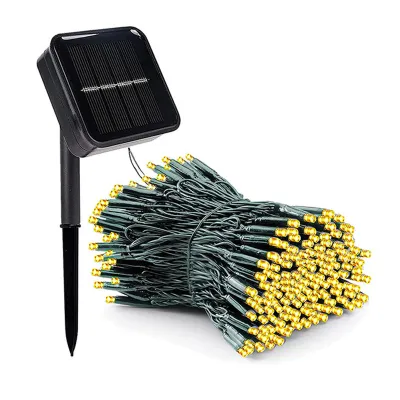
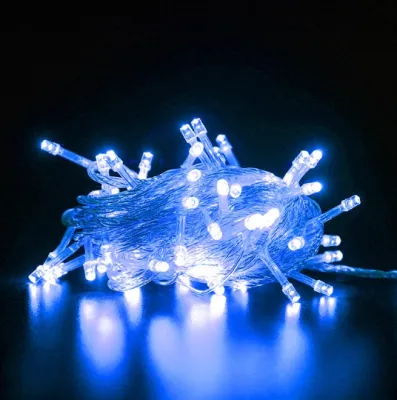
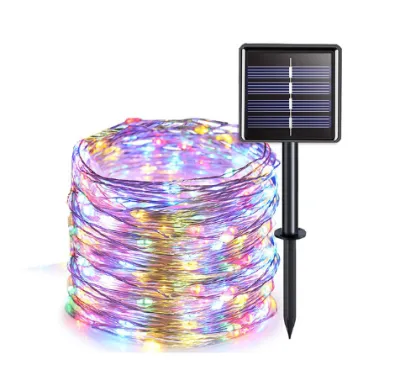
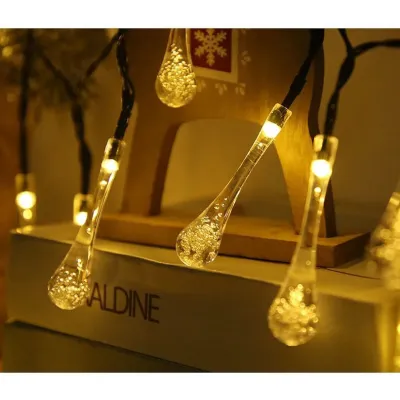
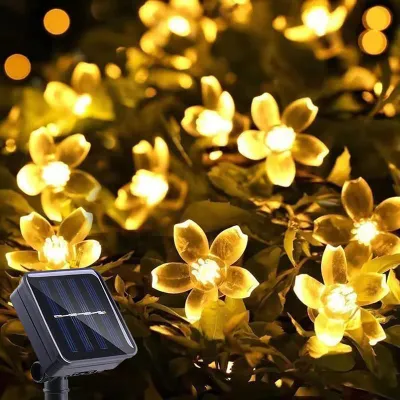
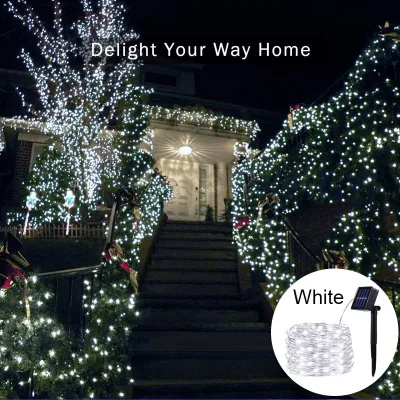
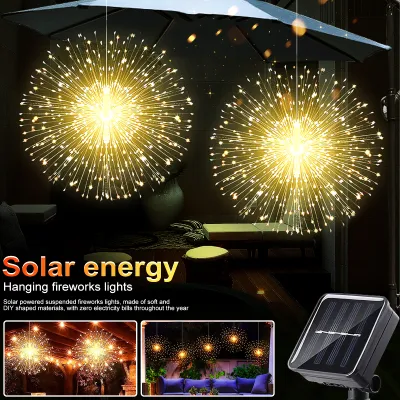
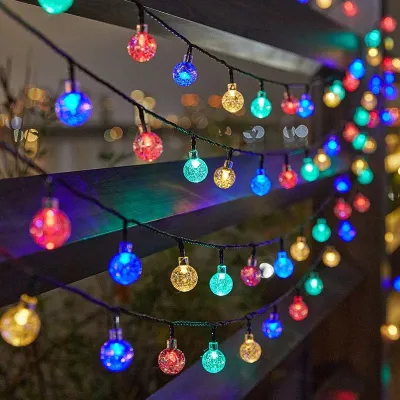
Prices are valid at publication and may change. Please refer to the product page for the latest price.
Weatherproofing and IP Ratings for Heavy Rain
For outdoor decorations in the Philippines, where sudden afternoon downpours and tropical depressions are common, understanding Ingress Protection (IP) ratings is essential. The IP code consists of two digits: the first indicates protection against solid objects like dust, while the second indicates protection against liquids.
IP44 rating: This level of protection is suitable only for semi-sheltered areas, such as covered patios, carports, or deeply recessed balconies where direct rainfall is minimal. These fixtures can handle light splashes but will fail if subjected to heavy, wind-driven rain.
IP65 rating: Highly recommended for fully exposed outdoor installations, including rooflines, open garden fences, and trees. This rating ensures the product is dust-tight and protected against water jets from any angle, making it resilient against typical tropical storms.
IP67 rating: Ideal for ground-level installations or areas prone to temporary pooling water, such as garden borders or low-lying lawns. These fixtures can withstand temporary submersion, providing peace of mind during heavy monsoon flooding.
Always inspect both the light string and the solar panel assembly, including the battery box and control buttons. The entire system is only as durable as its weakest link; a highly rated light string paired with an IP44 battery box will still fail if water penetrates the controller during a storm. Avoid relying on generic marketing claims like “waterproof” or “weather-resistant,” and instead verify the certified IP rating printed on the product packaging or manufacturer specification sheet. Additionally, check for local quality marks, such as the Philippine Standard (PS) or Import Commodity Clearance (ICC) certification, which indicate the product has met national safety and quality standards.
Solar Panel Efficiency and Battery Capacity
The solar panel is the engine of your holiday display, converting sunlight into electrical energy stored in the battery for nighttime illumination. Choosing the right panel technology and battery chemistry directly affects how long your lights stay bright after sunset.
Monocrystalline panels: These panels are made from a single pure silicon crystal, offering the highest conversion efficiency (often between 15% and 22%). They perform better in limited spaces and can generate more electricity even on slightly overcast days, making them the superior choice for the Philippine rainy season.
Polycrystalline panels: Constructed from multiple silicon fragments melted together, these panels are more cost-effective but have lower efficiency (typically 13% to 16%). They require a larger surface area to produce the same amount of power as monocrystalline options, which can be a limitation if you have limited mounting space.
Lithium-ion (Li-ion) batteries: These batteries offer a longer overall lifespan, higher energy density, and superior performance in high ambient temperatures. They maintain their capacity well over hundreds of charge cycles, making them highly suitable for the hot Philippine climate.
Nickel-Metal Hydride (NiMH) batteries: A traditional, budget-friendly option often found in entry-level solar lights. While functional, they have a shorter lifespan, lower energy density, and degrade faster when exposed to high heat.
To determine if a solar light set will stay lit through the night, calculate the balance between battery capacity and the number of light-emitting diodes (LEDs). A standard 100-LED string typically requires a battery capacity of at least 1,200 milliampere-hours (mAh) to operate continuously for 8 to 10 hours on a full charge. If you choose a 200-LED string powered by a small 600 mAh battery, the lights will likely fade and turn off after only a few hours of operation.
Brightness, Lumens, and Lighting Modes
When selecting solar Christmas lights, measure brightness in lumens rather than wattage, as modern LEDs use very little power to produce significant light output. The ideal aesthetic is a matter of personal preference, but understanding the visual impact of different options helps you plan your design.
Warm white (2700K to 3000K): Emits a soft, golden glow that creates a cozy, traditional, and inviting holiday atmosphere. This color temperature is ideal for creating a relaxing, warm environment on porches or in pocket gardens.
Cool white (5000K to 6500K): Produces a bright, crisp, bluish-white light that offers high visibility and mimics a winter aesthetic, making it excellent for modern architectural outlines.
Multicolor: Features a vibrant mix of red, green, blue, and yellow bulbs, ideal for festive, high-energy displays and children’s play areas.
Most high-quality outdoor solar lights offer multiple operating modes, such as steady-on, slow fade, sequential, and flashing. Ensure the model you select includes a built-in memory function; this feature saves your preferred lighting mode so you do not have to manually cycle through the settings every evening when the automatic dusk-to-dawn sensor turns the lights on.
Best Solar Light Styles for Different Outdoor Spaces
Different areas of your home’s exterior require specific lighting designs to achieve a balanced, professional look. Matching the right light style to the architectural or natural features of your property ensures both aesthetic appeal and long-term functionality.

String Lights with Separate Panels for Rooflines
Rooflines and gutters are popular locations for hanging festive lights, but they present a challenge for solar-powered systems because the eaves often shade the areas directly beneath them.
Separate solar panel design: Choosing a system where the solar panel is detached from the light string and connected by a long lead cable (typically 2 to 5 meters) is essential. This setup allows you to mount the solar panel high on a sun-drenched roof surface or wall, while the decorative string lights hang beautifully in the shaded eaves below.
UV-resistant cabling: Ensure the connection cable features heavy-duty, UV-stabilized PVC or rubber insulation. The intense tropical sun can rapidly degrade standard plastics, causing them to crack, stiffen, and eventually expose the internal copper wiring to moisture.
Installation limitations: Mounting a separate solar panel on a roofline or exterior wall often requires secure brackets, screws, or specialized clips. This permanent or semi-permanent mounting may not be suitable for renters or those who prefer not to drill holes into their home’s exterior finish.
Net and Cluster Lights for Trees and Bushes
Decorating garden foliage requires specialized light formats that distribute illumination evenly across irregular organic shapes.
Net lights: These fixtures feature a grid-like pattern of interconnected LEDs, allowing you to easily drape them over broad shrubs, hedges, or manicured bushes for uniform coverage without the hassle of wrapping individual strands.
Cluster lights: Composed of hundreds of tightly packed LEDs on a single thick strand, cluster lights are perfect for wrapping around tree trunks, palm trees, or thick branches to create a dense, high-impact column of light.
Wire durability: Look for strings constructed with thick, flexible copper wires encased in durable PVC. These robust wires withstand the physical tension of being wrapped tightly around rough bark and prevent snapping when strong winds sway the tree branches during seasonal storms.
Storage and setup limitations: Net and cluster lights can be exceptionally difficult to untangle and store if not handled carefully. Additionally, you must ensure the attached battery box and solar panel can be securely staked into the ground or strapped high up on the tree trunk away from standing water.
Pathway and Stake Lights for Gardens and Driveways
Ground-level lighting guides guests safely to your door while extending the festive atmosphere to the edges of your property.
Decorative stake lights: These individual fixtures feature festive toppers shaped like stars, snowflakes, or mini lanterns that cast intricate, decorative shadows onto the ground or nearby walls.
Sturdy ground spikes: Opt for stake lights equipped with thick, reinforced ABS plastic or rust-resistant metal spikes. Standard thin plastic spikes can easily bend or snap when pushed into dry, compacted soil common in some garden beds during dry spells.
Illumination limitations: Stake lights generally produce lower brightness (fewer lumens) compared to high-density string lights. They are designed primarily for marking paths, defining garden borders, and creating ambient accents rather than illuminating large outdoor areas.
How to Install and Maintain Solar Lights in Tropical Climates
Proper installation and regular maintenance are key to extending the life of your solar Christmas lights in a tropical environment characterized by high humidity, intense sun, and heavy rain. Taking a few proactive steps ensures your display remains bright and functional throughout the entire holiday season.
Optimal panel placement: Position your solar panels where they have an unobstructed view of the open sky, preferably facing south to maximize daily sun exposure. Avoid placing panels in the shadows of overhanging roof eaves, large trees, neighboring buildings, or utility poles, as even partial shading can drastically reduce charging efficiency.
Routine cleaning: Over time, dust, pollen, soot, and bird droppings accumulate on the surface of the solar panel, blocking sunlight and reducing the energy transferred to the battery. Gently wipe the panel surface every two to three weeks using a soft, damp microfiber cloth; avoid using abrasive scrubbers or harsh chemical cleaners that can scratch or cloud the protective cover.
Post-season storage: When the holiday season ends, take down your lights carefully to protect them for the following year. If your model allows battery removal, take the batteries out of the compartment before storing the unit to prevent corrosion and leakage from ruining the internal contacts. Coil the wires loosely around a cardboard tube or a dedicated light spool to prevent internal copper wire breakage, and store the entire set in a cool, dry, well-ventilated indoor space.
Safety boundaries: Always isolate the power source by turning the switch to the “off” position or disconnecting the solar panel before performing any cleaning, maintenance, or adjustments. Avoid hanging heavy light strings on fragile plastic gutters, thin or decaying tree branches, or near high-heat sources such as outdoor cooking areas or halogen floodlights. For permanent installations, high-altitude mounting, or complex wiring configurations, consult a qualified professional to ensure safety and compliance with local electrical practices.
Frequently Asked Questions (FAQ)
Do solar Christmas lights work during the rainy season?
Yes, solar Christmas lights will still charge on cloudy or rainy days, but their performance will be noticeably reduced. Because cloud cover blocks a significant portion of direct sunlight, the solar panel cannot generate enough power to fully charge the battery, resulting in shorter illumination times at night. To mitigate this issue during the overcast monsoon season, choose high-quality models equipped with larger monocrystalline solar panels and higher-capacity batteries that can store more energy from brief periods of sunlight.
Can I leave solar Christmas lights outside all year round?
While solar Christmas lights with high IP ratings (such as IP65 or IP67) are engineered to withstand continuous outdoor exposure, leaving them outside year-round is not recommended. Continuous exposure to intense tropical UV radiation, extreme midday heat, and constant humidity will accelerate the degradation of the plastic wire insulation, cloud the solar panel cover, and shorten the lifespan of the internal rechargeable battery. Taking your lights down, cleaning them, and storing them in a protected indoor environment after the holidays will ensure they remain functional and vibrant for many years to come.
Community discussion
Share your experience or ask a question. Comments are reviewed before publication.