
Outdoor spaces in the Philippines, from cozy high-rise balconies in Metro Manila to sprawling garden patios in suburban provinces, rely on lighting to create an inviting evening atmosphere. Solar-powered fairy lights have become a popular choice because they eliminate the need for complex outdoor wiring and run on free, renewable energy. However, the tropical Philippine climate presents unique challenges. Intense heat, high humidity, salty coastal air, and torrential monsoon rains can quickly ruin poorly constructed outdoor electronics. To find solar fairy lights that will truly last, you must look beyond decorative appeal and focus on robust technical specifications.
What Makes Solar Fairy Lights Reliable in the Philippines?
To withstand the harsh environmental conditions of the Philippines, outdoor solar fairy lights must meet strict durability standards. The most critical factor is the Ingress Protection (IP) rating, which measures a device’s resistance to dust and water. For outdoor use in areas experiencing heavy habagat (southwest monsoon) rains or tropical depressions, an IP65 rating or higher is highly recommended. An IP65 rating indicates that the light string and its controller are completely dust-tight and protected against water jets from any angle. While IP44-rated lights are common in the market, they are only splash-proof and frequently fail when subjected to prolonged, torrential downpours.
The intense tropical sun also poses a threat to the physical integrity of the light strings. Ultraviolet (UV) radiation breaks down standard plastic insulation over time, making it brittle and prone to cracking. Once the outer protective layer cracks, moisture easily penetrates the wiring, leading to short circuits and rapid copper oxidation. When shopping, prioritize cables made from UV-stabilized PVC, heavy-duty rubber, or silicone. Thickened cables not only resist UV degradation but also provide better tensile strength, preventing the wires from snapping when stretched or blown by strong winds.
Products mentioned in this guide
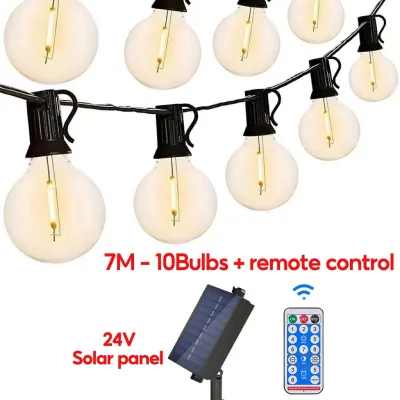
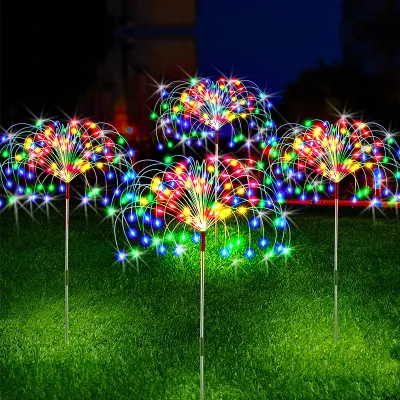
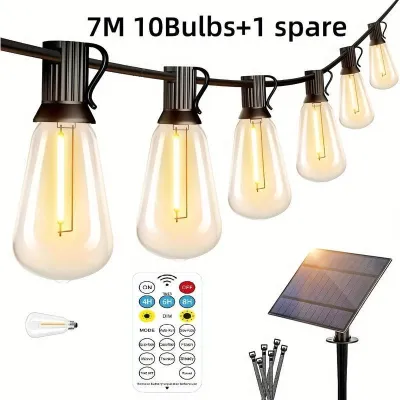
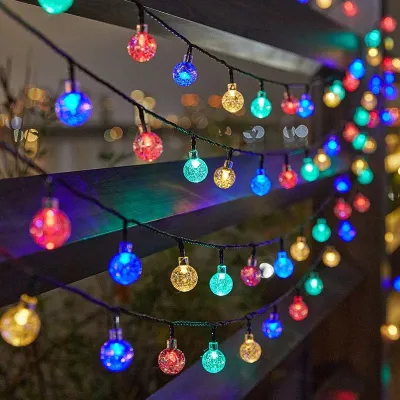
Prices are valid at publication and may change. Please refer to the product page for the latest price.
Battery chemistry is another vital consideration for tropical longevity. Most budget-friendly solar lights utilize Nickel-Metal Hydride (NiMH) batteries, which are functional but have a lower energy density and a shorter overall lifespan. Lithium-ion (Li-ion) or Lithium Iron Phosphate (LiFePO4) batteries are far superior for warm climates. These chemistries offer excellent heat tolerance, higher charge-discharge cycle lives, and do not suffer from memory effects. Because ambient daytime temperatures in the Philippines can frequently exceed 35°C, a battery with high thermal stability is essential to prevent premature capacity loss or swelling.
Finally, the efficiency of the solar panel determines how well the lights perform when the weather is less than ideal. Monocrystalline solar panels, made from a single pure silicon crystal, are the most efficient option, converting roughly 15% to 22% of sunlight into electricity. Polycrystalline panels are cheaper to manufacture but have lower conversion efficiencies (around 13% to 16%) and perform poorly under diffuse light. During the rainy season, when overcast skies are common, a monocrystalline panel is much more likely to gather enough energy to power your lights through the evening.
Best Solar Fairy Light Styles for Different Outdoor Spaces
Selecting the right physical design of solar fairy lights depends on your specific layout and aesthetic goals. Different styles offer distinct physical characteristics that affect how they should be installed and maintained.

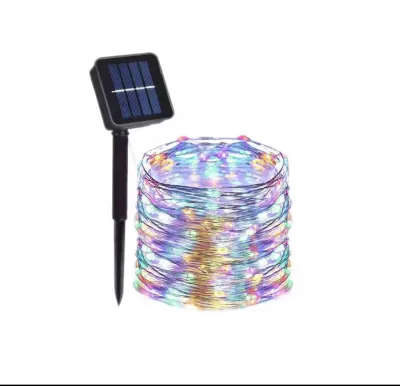
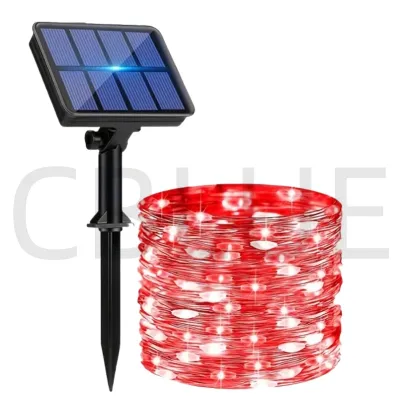
Flexible Copper Wire Lights for Wrapping and Accenting
These delicate, highly moldable strings are perfect for intricate decorative projects. They are ideal for wrapping tightly around balcony railings, winding through pergola beams, or weaving into potted plants and garden foliage. Because the wire itself is incredibly thin, it blends seamlessly into the background during the day, leaving only the glowing points of light visible at night.
However, bare copper wire is fragile and highly vulnerable to physical stress and moisture. For outdoor installations, always verify that the copper wire is fully encased in a protective, clear layer of PVC or silicone. This coating prevents the copper from oxidizing and snapping when exposed to high humidity and salty coastal air.
When choosing your lights, keep in mind that color temperature is a matter of conditional preference rather than performance. Warm white lights (typically 2700K to 3000K) create a soft, cozy, and romantic ambiance, making them popular for dining areas and relaxation zones. Cool white lights (5000K to 6500K) offer a modern, bright, and crisp aesthetic, which can enhance visibility and security around pathways.
Shatterproof LED Bulb Strings for Pathways and Dining Areas
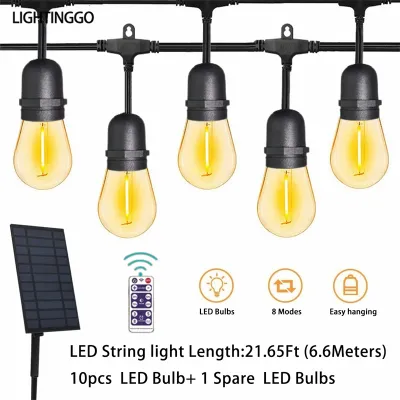
For larger open spaces like patios, outdoor dining areas, or pathways, sturdier and brighter bulb strings are the ideal choice. These lights typically feature larger bulbs spaced further apart along a heavy-duty main cable. Opting for shatterproof plastic bulbs instead of traditional glass is highly recommended for outdoor installations, as they can withstand being knocked together by strong winds without breaking.
When planning your layout, verify the drop length—the distance from the solar panel to the first bulb—to ensure you have enough unlit wire to reach your mounting point without leaving the solar panel in the shade. For suspended spans exceeding 5 meters, do not rely on the electrical cable alone to support the weight. Instead, install a stainless steel guide wire (tension cable) and secure the light string to it using zip ties to prevent physical strain on the connections.
If your installation requires working at height, always prioritize safety: use a stable, self-supporting ladder on flat ground, wear non-slip footwear, isolate any nearby electrical hazards, and have a second person assist you.
Novelty and Decorative Shapes for Festive Touches
If you want to add a festive or whimsical touch to your garden, decorative shapes like stars, flowers, lanterns, or globes are excellent options. These decorative covers sit over the individual LEDs, diffusing the light to create a softer, more distributed glow rather than a sharp pinpoint of light.
While highly appealing, hollow decorative designs carry a significant risk of trapping rainwater or condensation inside the covers. If moisture accumulates, it can cause the LED leads to rust and fail prematurely. Before purchasing, check the product specifications to ensure the decorative covers are either completely solid (such as solid acrylic shapes) or designed with built-in drainage holes that allow water to escape freely.
Essential Specifications to Verify Before Purchasing
When browsing online marketplaces, look past generic marketing claims and analyze the technical specifications. First, verify the relationship between the solar panel’s wattage (W) and the battery’s capacity in milliampere-hours (mAh). A common point of failure is an underpowered solar panel paired with a high-capacity battery; the panel simply cannot generate enough electricity to fully charge the battery during a standard 6-to-8-hour sunny day. For example, a robust system might pair a 2-watt monocrystalline panel with a 3.7-volt, 2000mAh lithium battery to ensure reliable, long-lasting performance.
Next, consider the physical design of the solar panel. Built-in panels (where the panel is attached directly to the light fixture or a very short cord) limit your installation options. Detached solar panels, which connect to the light string via a long extension cable (typically 3 to 5 meters), are highly recommended. This setup allows you to place the light string under a shaded porch, gazebo, or dense tree canopy while mounting the solar panel in an unobstructed, sun-drenched location.
Evaluate the sensor and control features. Reliable solar lights feature built-in dusk-to-dawn sensors that automatically turn the lights on at night and off during the day. However, having a physical manual override switch is essential. This allows you to turn the system off completely to conserve battery power during consecutive days of heavy rain or typhoons. Additionally, check for multiple lighting modes (such as steady-on, slow fade, or flashing). Flashing or pulsing modes consume significantly less energy than a continuous steady-on mode, which can help extend the nightly run time when the battery is not fully charged.
Finally, verify the electrical safety and compatibility of the system. While solar lights operate on low-voltage direct current (DC), which is inherently safe, some hybrid models offer an optional plug-in adapter for indoor or mains-powered charging. If you choose a hybrid system, always verify the voltage compatibility, interface type, and electrical certifications (such as the Philippine Standard or Import Commodity Clearance mark). If you must connect any component to a mains power source, ensure the power is completely isolated at the breaker before installation, keep all AC adapters in dry, indoor environments, and consult a qualified professional for any fixed outdoor wiring.
Installation and Maintenance for Tropical Climates
Proper installation is key to maximizing the lifespan and efficiency of your solar fairy lights. To capture the maximum amount of sunlight in the Philippines, which lies in the northern tropical zone, angle your solar panel generally southward at an angle of 10 to 15 degrees relative to the ground. This angle helps capture direct sunlight year-round while allowing rainwater to run off easily, washing away loose dirt. Avoid placing the panel in areas shaded by roof eaves, walls, or overhanging tree branches, especially during the peak sun hours of 10:00 AM to 2:00 PM.
When securing your lights, use UV-resistant nylon zip ties or specialized mounting clips. Avoid pulling the wires too tightly around sharp metal edges or nailing them directly to wooden structures, as this can pinch and damage the internal copper conductors. For high-wind areas prone to monsoons, ensure the solar panel mount is firmly anchored to a wall, fence, or ground stake using rust-resistant stainless steel screws.
Regular maintenance is straightforward but essential. Dust, pollen, bird droppings, and salt residue (in coastal regions) can form a film over the solar panel, significantly reducing its charging efficiency. Wipe the panel surface clean every few weeks using a soft, damp microfiber cloth. Avoid using abrasive scrubbing pads, harsh chemical detergents, or solvent-based cleaners, which can scratch or degrade the protective glass or plastic cover.
During the typhoon season, proactive care will save your investment. When a severe weather warning or tropical cyclone alert is active, temporarily dismantle your solar panels and light strings and store them indoors. Even IP65-rated lights can be destroyed by flying debris, fallen branches, or prolonged submersion in floodwaters. Periodically inspect the battery compartment and cable connections for any signs of moisture ingress or green copper corrosion. If you notice corrosion, gently clean the battery contacts with a dry contact cleaner or a small wire brush, and ensure the rubber sealing gaskets are properly seated and lubricated before reassembling the unit.
Frequently Asked Questions (FAQ)
Do solar fairy lights work during the Philippine rainy season?
Yes, solar fairy lights will still function during the rainy season, but their performance will be reduced. Overcast skies and heavy rain block direct sunlight, meaning the solar panel will only charge at a fraction of its normal capacity. This results in a shorter nightly run time, with the lights potentially lasting only a few hours instead of the usual eight to ten. To mitigate this, look for models equipped with high-efficiency monocrystalline solar panels, larger battery capacities, or hybrid dual-charging capabilities (such as an auxiliary USB port) so you can manually charge the battery indoors on highly overcast days.
Can I leave solar string lights outside all year round?
While high-quality solar fairy lights with an IP65 or higher waterproof rating are designed to withstand year-round outdoor exposure, including daily rain and humidity, they are not indestructible. Extreme weather events like severe typhoons, heavy monsoon flooding, and intense windstorms pose a significant risk of physical damage. For the best longevity, it is highly recommended to temporarily take down and store your lights indoors during severe weather alerts. If taking them down is not feasible, ensure the solar panel is tightly anchored and the light strings are securely lashed to a solid structure to prevent them from whipping in the wind.
Why do my solar fairy lights stop working after a few months?
The most common causes of early failure in tropical climates are battery degradation from heat, water ingress, and corrosion. High ambient temperatures accelerate the aging process of rechargeable batteries, causing them to lose their ability to hold a charge. Moisture can also seep into poorly sealed battery compartments, leading to rusted contacts. To troubleshoot, first check if the solar panel is clean and receiving direct sunlight. If the lights still fail, open the battery compartment (if designed to be user-accessible), inspect the contacts for rust, and clean them with a dry cloth or contact cleaner. If the battery has failed, replacing it with a fresh, high-quality rechargeable battery of the same specification (such as a NiMH or Li-ion cell) will often restore the lights to full functionality.
Community discussion
Share your experience or ask a question. Comments are reviewed before publication.