
Selecting the best solar garden lights for pathways and walkways in the Philippines requires balancing aesthetic appeal with extreme weather resilience. With the country’s intense tropical sun, high humidity, and heavy monsoon downpours, a standard outdoor light can quickly fail if not properly specified. The ideal solar garden light must feature a robust waterproof rating, efficient photovoltaic panels capable of charging under overcast skies, and durable materials that resist UV degradation. By choosing fixtures designed to withstand these specific tropical challenges, homeowners can achieve reliable, cost-effective, and safe outdoor illumination that enhances curb appeal while navigating the local climate’s unique demands.
Why Solar Pathway Lights Are a Smart Choice for Philippine Homes
Outdoor illumination is a vital component of home security and landscape design, yet running traditional wired lights overnight can significantly inflate household utility bills. In the Philippines, where electricity rates are historically high, solar-powered garden lights present an economically sound alternative. Because these fixtures operate entirely on captured solar energy, they incur zero ongoing electricity costs, allowing homeowners to keep their pathways illuminated from dusk until dawn without financial penalty.
Beyond the financial advantages, the ease of installation makes solar pathway lights highly attractive. Traditional outdoor lighting requires extensive trenching, laying protective PVC conduits, and hiring a licensed electrician to safely run 220V AC lines through the garden. This process can disrupt established lawns, damage plant root systems, and incur high labor costs. Solar fixtures, by contrast, are self-contained units that require no external wiring. They can be placed in minutes simply by inserting their stakes into the ground or mounting them to flat surfaces.
Products mentioned in this guide
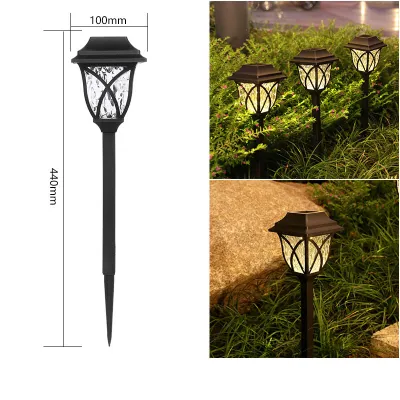
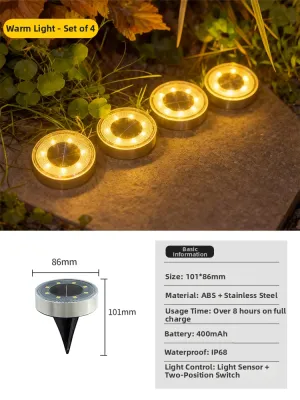
Prices are valid at publication and may change. Please refer to the product page for the latest price.
Safety is another critical factor, particularly in a tropical climate characterized by heavy rainfall and high humidity. Traditional high-voltage garden wiring carries inherent risks of short circuits, ground faults, and electrical shocks if the cable insulation degrades or water penetrates the junction boxes. Solar garden lights operate on low-voltage direct current (typically 1.2V to 3.7V), making them completely safe to handle even when wet. This low-voltage operation eliminates shock hazards in damp garden beds, waterlogged soil, or areas frequently saturated by automatic lawn sprinklers.
Furthermore, advancements in photovoltaic technology have greatly improved the reliability of solar lights in tropical environments. Modern solar panels are increasingly efficient at capturing diffuse sunlight. Even during the monsoon season (habagat), when overcast skies and persistent rain limit direct sun exposure, high-quality solar panels can still generate enough power to partially charge the internal batteries, ensuring consistent, albeit sometimes shorter, nighttime illumination.
Essential Features to Evaluate Before Buying Solar Walkway Lights
To ensure your chosen garden lights survive the rigors of a tropical climate, you must evaluate several technical specifications rather than relying solely on aesthetic appeal. A product’s build quality, battery chemistry, and weatherproofing determine whether it will last for years or fail after the first major storm.

Weather Resistance (IP Rating)
The Ingress Protection (IP) rating is the most critical specification for any outdoor light fixture. This rating consists of two digits: the first indicates protection against solid particles like dust (scaled 0 to 6), and the second indicates protection against liquids (scaled 0 to 9). For the Philippine climate, where heavy downpours and high humidity are standard, you should look for fixtures rated at IP65 or higher. An IP65 rating guarantees that the light is completely dust-tight and can withstand water jets projected from any angle. Avoid lower ratings like IP44 for fully exposed pathway areas, as they are only protected against light splashes and are highly susceptible to internal condensation, which leads to rapid corrosion of the circuit board.
Light Output and Color Temperature
Light output is measured in lumens, which represent the total amount of visible light emitted by a source. For pathway lighting, the ideal lumen level depends on the specific function of the path. If your primary goal is safety and clear visibility along a dark walkway, look for fixtures that emit 50 to 100 lumens. For decorative or ambient border lighting where you only need to outline the path’s edge, 10 to 30 lumens is generally sufficient.
Color temperature, measured in Kelvin (K), is a conditional preference that dictates the visual atmosphere of your garden. Warm white light (2700K to 3000K) produces a soft, yellow glow that mimics traditional incandescent bulbs, creating a relaxing, resort-like ambiance that complements natural stone and foliage. Cool white light (5000K to 6500K) emits a bright, bluish-white light that provides high-contrast visibility, making it excellent for security purposes or identifying trip hazards, though it can sometimes appear harsh in a tranquil garden setting.
Battery Type and Capacity
The performance and lifespan of a solar garden light are heavily dependent on its internal rechargeable battery. Older or cheaper fixtures often use Nickel-Cadmium (NiCad) or Nickel-Metal Hydride (NiMH) batteries. While NiMH batteries are inexpensive and easily replaceable, they have a limited lifespan and lower energy density. Modern, high-performance solar lights utilize Lithium-ion (Li-ion) or Lithium Iron Phosphate (LiFePO4) batteries. LiFePO4 batteries are particularly well-suited for the tropical heat of the Philippines, as they offer excellent thermal stability, retain their charge efficiently, and can endure up to 2,000 charge-discharge cycles before degrading. Always verify if the battery compartment is accessible and whether the battery can be replaced by the user, as this simple feature can extend the life of the entire fixture by several years.
Solar Panel Quality
Solar panels integrated into garden lights generally fall into two categories: monocrystalline and polycrystalline. Monocrystalline panels are made from a single crystal structure, giving them a uniform dark appearance. They boast the highest efficiency rates (typically 15% to 22%) and perform significantly better in low-light, cloudy, or partially shaded conditions. Polycrystalline panels, recognizable by their speckled blue appearance, are cheaper to manufacture but have lower efficiency (around 13% to 16%). For reliable performance during the cloudy wet season, investing in fixtures with monocrystalline panels is highly recommended.
Material Durability
The materials used to construct the housing of the garden light must resist both intense ultraviolet (UV) radiation and high moisture levels. Low-grade plastics will quickly become brittle, fade, and crack under the scorching Philippine sun. If choosing plastic, ensure the manufacturer specifies the use of UV-stabilized, heavy-duty ABS plastic. For premium durability, opt for fixtures constructed from powder-coated cast aluminum or marine-grade stainless steel (304 or 316). These metals resist rust and physical impacts, ensuring the structural integrity of the light remains intact even when exposed to salty coastal air or frequent lawn mower contact.
Top Styles of Solar Garden Lights for Different Pathway Needs
Selecting the right style of solar garden light involves matching the fixture’s physical design and light distribution pattern to the layout of your walkway. Different areas of your garden serve different functional purposes, and mixing styles can create a more balanced and visually appealing landscape.
Classic Stake Lights for Defined Borders
Classic stake lights are the most common and versatile option for residential gardens. Designed with a sharp ground spike at the base, these fixtures are easily pushed directly into lawns, soil beds, or soft dirt borders. They typically feature a low-profile design, with the light source positioned 10 to 15 inches above the ground, directing light downward in a controlled, circular pattern.
These lights are ideal for lining narrow walkways, defining the borders of flower beds, or marking the edges of driveways. By casting light downward, they illuminate the immediate walking surface without causing glare or shining directly into your eyes. However, their localized, low-level illumination means they are not suitable for lighting up wide paths or large open areas. When selecting stake lights, pay close attention to the quality of the spike; flimsy plastic stakes can easily snap during installation or warp under the weight of the light in soft, rain-soaked soil. Look for reinforced plastic or metal spikes that offer greater stability.
Tall Bollard Lights for Wider Walkways
Bollard lights are taller, more substantial fixtures that typically stand between 20 and 36 inches high. Because the light source is positioned higher off the ground, bollards project a much wider and more even spread of light across the walking surface. This makes them highly effective for illuminating wide stone paths, main entrance walkways, or areas with frequent foot traffic.
Architecturally, bollard lights serve as strong visual anchors in your landscaping, defining the structure of your garden paths even during the daytime. They are excellent for highlighting potential trip hazards, such as steps, elevation changes, or low-lying garden features. Because of their height and weight, bollards require a sturdier installation method than standard stake lights. They often need to be mounted onto concrete footings or anchored deep into the ground with heavy-duty stakes to prevent them from tipping over during strong winds or typhoons.
Decorative Lanterns for Ambient Garden Paths
For winding, leisurely paths where the goal is to create a serene mood rather than high-intensity illumination, decorative solar lanterns are an exceptional choice. These fixtures often mimic traditional carriage lanterns, vintage gas lamps, or intricate Moroccan-style metalwork. They frequently utilize warm color temperatures and textured glass or patterned cutouts to cast decorative shadows across the ground and surrounding foliage.
Decorative lanterns offer flexible placement options. They can be hung from low tree branches, mounted on pergolas, or suspended from specialized metal shepherd’s hooks pushed into the ground. While they add immense aesthetic value to seating areas and stepping-stone paths, they generally provide lower lumen outputs and are not intended for primary safety lighting. Additionally, because many decorative lanterns feature intricate designs with glass panels or delicate hanging mechanisms, they require more careful maintenance and should be secured or brought indoors during severe storms to prevent damage from falling debris.
How to Maintain Solar Lights During the Wet and Dry Seasons
Maintaining solar garden lights throughout the year is essential to preserve their efficiency and extend their operational lifespan. The distinct wet and dry seasons in the Philippines present different environmental challenges that require targeted care.
Panel Cleaning
During the dry season (amihan), dust, pollen, and bird droppings quickly accumulate on the flat surfaces of solar panels. This fine layer of grime acts as a barrier, blocking sunlight and significantly reducing the panel’s ability to charge the internal battery. To clean the panels, gently wipe them with a soft, damp microfiber cloth. Avoid using abrasive scrubbing pads, harsh detergents, or solvent-based cleaners, as these can scratch or cloud the protective acrylic or glass coating on the panel, permanently reducing its efficiency. A simple mixture of water and a drop of mild dish soap is usually sufficient to dissolve stubborn dirt.
Vegetation Management
The warm, humid climate of the Philippines encourages rapid plant growth. Over the course of just a few weeks, nearby shrubs, ferns, or low-hanging tree branches can grow over your solar lights, casting shadows that block essential sunlight. Regularly inspect your garden layout and trim back any encroaching foliage. To maximize battery charging, the solar panels require at least 6 to 8 hours of unshaded, direct sunlight daily.
Wet Season Checks
The wet season brings heavy, prolonged monsoon rains and high humidity, which can test the water resistance of even high-quality fixtures. After major rainstorms, inspect your lights for signs of moisture ingress, such as condensation behind the lens or water pooling inside the battery compartment. If you detect moisture, turn off the fixture, remove the battery, and allow all components to dry completely in a shaded, well-ventilated area. Check that any built-in drainage holes at the base of the fixture are free of mud, grass clippings, and debris to prevent water from backing up into the electronics.
Battery Care
If you notice that your solar lights are turning off after only an hour or two of operation, or if they fail to illuminate at all despite receiving full sunlight during the day, the rechargeable battery is likely degrading. Over time, all batteries lose their capacity to hold a charge, a process accelerated by high ambient temperatures. To replace the battery, consult the manufacturer’s instructions to identify the correct battery chemistry, voltage, and size (commonly AA or AAA NiMH, or 18650 Li-ion). Always isolate the power by turning the switch to “off” before opening the battery compartment, and ensure the rubber gasket seal is correctly seated when reassembling the fixture to maintain its waterproof integrity.
Safe Installation Practices for Garden Pathways
Proper installation is key to ensuring your solar garden lights perform optimally and remain undamaged. Before placing any fixtures, take the time to plan your layout and prepare the ground safely.
First, always check for shallow underground utilities, irrigation pipes, or existing low-voltage landscape wiring before inserting stakes into the ground. Accidentally puncturing a PVC sprinkler pipe or cutting a buried wire can lead to costly repairs. If you are unsure of what lies beneath your garden beds, proceed with extreme caution and use hand tools rather than heavy shovels or digging bars.
When installing stake lights, never force or hammer the stakes directly into hard, dry clay soil. Applying excessive downward force can easily bend or snap plastic or thin metal stakes. Instead, soften the ground by watering the area thoroughly a few hours before installation, or use a metal rod or soil auger to pre-drill a pilot hole. Once the hole is prepared, gently slide the stake into place and pack the surrounding soil firmly to keep it upright.
For an aesthetically pleasing and safe pathway, space your lights consistently. Avoid placing them in a straight, parallel line on both sides of the path, which can create an artificial “airport runway” look. Instead, stagger the lights on alternating sides of the walkway, spacing them roughly 4 to 8 feet apart depending on their lumen output. This layout provides balanced, overlapping pools of light that guide the eye naturally down the path. Finally, ensure the solar panels are angled toward the open sky, free from the shadow of your house, fences, or dense tree canopies during peak daylight hours.
Frequently Asked Questions (FAQ)
Do solar garden lights work during the Philippine rainy season?
Yes, solar garden lights will still function during the rainy season, though their performance will be reduced. Solar panels do not require hot, direct sunlight to charge; they can generate electricity from diffuse light on cloudy or overcast days. However, because the amount of light reaching the panel is significantly lower, the internal battery will not reach a full charge, resulting in shorter runtimes at night. To maximize performance during consecutive rainy days, choose fixtures with high-efficiency monocrystalline panels and larger battery capacities. Some advanced models also feature manual on/off switches, allowing you to turn the lights off during severe storms to conserve battery power for when the weather clears.
How long do the batteries in solar pathway lights last?
The rechargeable batteries in solar pathway lights typically last between one to three years before they need replacement. This lifespan depends heavily on the battery chemistry and environmental conditions. Standard NiMH batteries generally last about 1 to 2 years, while higher-end Lithium Iron Phosphate (LiFePO4) batteries can last up to 3 years or more. The high ambient temperatures common in the Philippines can accelerate battery degradation, as heat increases the internal rate of self-discharge and wear. To ensure your lighting system is a cost-effective, long-term investment, look for fixtures that use standard, easily obtainable battery sizes (such as AA or AAA NiMH) that can be swapped out easily without tools, rather than proprietary battery packs.
Community discussion
Share your experience or ask a question. Comments are reviewed before publication.