
Transforming a compact condo balcony into a warm, inviting retreat relies on choosing solar lamps that balance soft illumination with the physical realities of high-rise living. The most effective options for creating a cozy ambiance are solar string lights, hanging lanterns, and non-invasive railing sconces. These fixtures allow you to layer light without permanent structural modifications, turning even the smallest outdoor space into a relaxing sanctuary after dark. By focusing on warm color temperatures and flexible mounting solutions, you can easily design a personal oasis that complies with building rules and withstands tropical weather.
Assessing Your Condo Balcony Constraints
Before purchasing any outdoor lighting, you must evaluate the physical boundaries and structural rules of your specific balcony. Start by measuring the available floor, wall, and railing space to determine whether your fixtures should be suspended, mounted, or freestanding. Compact balconies can quickly feel cluttered, so utilizing vertical space or railing perimeters is often the most practical approach to keep the floor clear for seating.
Next, carefully review your condominium’s property management guidelines or house rules. Many developments strictly prohibit drilling into exterior walls, painting structural elements, or hanging items that extend past the outer edge of the railing due to safety hazards. If drilling is banned, you will need to prioritize temporary, non-damaging mounting methods that can be easily removed.
Products mentioned in this guide
Prices are valid at publication and may change. Please refer to the product page for the latest price.
Finally, observe the daily sunlight exposure pattern on your balcony. High-rise buildings often cast deep shadows, meaning your balcony might only receive direct sunlight for a few hours a day. Identifying where the sun hits—and for how long—will help you decide between integrated solar lamps, which have the panel built directly into the fixture, or split-panel designs that let you place the charger in a sunny spot while keeping the light in the shade.
Solar Lamp Styles for a Relaxing Ambiance
Achieving a cozy atmosphere relies heavily on how light is distributed across your balcony. Diffused light softens harsh shadows and creates a gentle, overall glow, while directional light can highlight specific features like a potted plant or a small bistro table. Scattered light, often produced by patterned or textured fixtures, casts intricate shadows that add visual depth and a touch of drama to a small outdoor space.

When selecting your fixtures, consider their visual footprint during the day. Large, bulky lamps can overwhelm a small balcony and disrupt the clean lines of your outdoor furniture. Choosing minimalist designs or fixtures made from natural materials helps maintain an open, uncluttered feel even when the lights are turned off.
To create a cohesive look, match the design of your solar lamps with your existing balcony decor. For instance, modern balconies benefit from sleek, metallic, or matte black sconces, while bohemian or rustic setups pair beautifully with woven bamboo, rattan, or classic glass lanterns.
String Lights and Fairy Lights
Solar string lights and fairy lights are excellent for wrapping your balcony in a continuous, soft canopy of light. Draping these flexible linear lights along your railings, weaving them through potted plants, or hanging them across the ceiling creates an instant, enveloping glow. This technique draws the eye upward and outward, making a compact balcony feel significantly larger and more intimate.
When shopping for string lights, always check the product packaging or manufacturer specifications for wire durability and outdoor suitability. Look for heavy-duty, weather-resistant wiring that can withstand constant exposure to wind, rain, and intense tropical heat.
Because drilling is often restricted, you must plan secure, non-damaging attachment points. Utilize temporary solutions like outdoor-rated adhesive clips, tension wires, or heavy-duty zip ties to secure the strings along railings or structural beams without leaving permanent marks or violating building policies.
Hanging Lanterns and Pendants
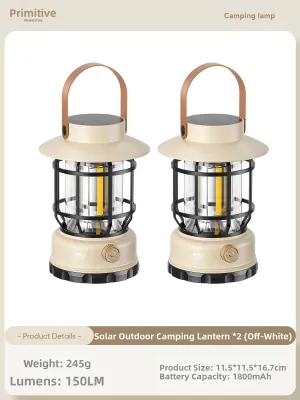
Suspended fixtures like hanging lanterns and pendants provide localized, intimate pools of light that serve as beautiful focal points. If your balcony lacks an overhead structure, you can use freestanding shepherd hooks or clamp-on poles to suspend these lights safely. This allows you to position the light exactly where you need it, such as directly over a seating area.
To maximize the cozy factor, look for lanterns featuring textured glass, cut-out metal patterns, or woven natural fibers. These materials filter the light, casting warm, decorative shadow patterns across your balcony floor and walls, which instantly enhances the relaxing mood.
Always ensure that the hanging height of your lanterns allows for safe movement and does not obstruct your view or create a head-clearance hazard. Secure all suspended loads carefully, taking into account that high-rise balconies are often subject to sudden, strong gusts of wind. For any overhead installations, consult the manufacturer’s instructions to verify weight limits and secure attachment methods.
Railing and Wall-Mounted Sconces
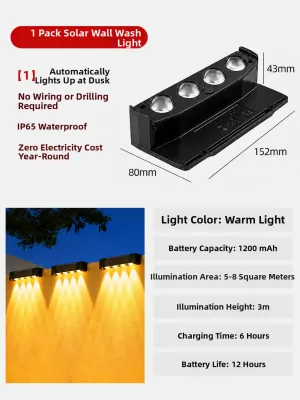
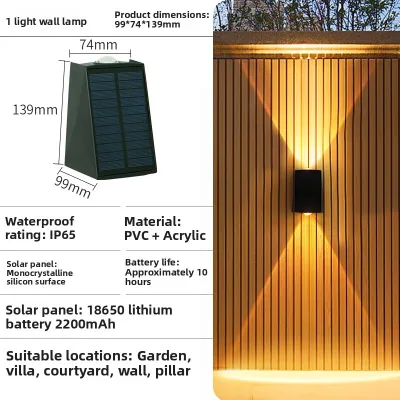
For reliable, space-saving illumination, railing and wall-mounted sconces are highly effective options. Clamp-on or strap-on railing lights are particularly useful for condo residents because they attach securely to standard railing profiles without the need for drilling or permanent hardware. This keeps your balcony compliant with strict property management rules while keeping the floor space completely clear.
If you want to create a dramatic, sophisticated effect, look for wall sconces with adjustable heads or designs that wash the wall with light. Directing the light upward or downward against the building’s exterior wall softens the illumination, reducing glare while highlighting the texture of the wall surface.
Before purchasing, verify that the mounting brackets or straps included with the sconces are compatible with your specific railing dimensions. Checking these physical specifications beforehand prevents compatibility issues and ensures a stable, safe installation.
Lighting Specifications for a Cozy Atmosphere
To ensure your solar lamps deliver a relaxing, warm glow rather than a harsh, clinical glare, you must check the technical specifications on the product packaging. Target a warm white color temperature, typically between 2700K and 3000K. Avoid cool white or daylight tones (4000K to 6500K), as these can feel sterile and disrupt the cozy, intimate atmosphere you want to establish.
Next, examine the lumen output, which measures the brightness of the light. For ambient balcony lighting, high-intensity bulbs are unnecessary and can cause uncomfortable glare in confined spaces. Look for low-to-moderate lumen ratings—usually between 10 and 100 lumens per fixture—to keep the illumination soft, subtle, and comfortable for extended relaxation.
Additionally, verify the Ingress Protection (IP) rating on the manufacturer’s label to confirm the fixture’s resistance to environmental factors. In tropical climates prone to heavy downpours and high humidity, look for a minimum rating of IP44 for general outdoor use, though IP65 or higher is recommended for fixtures fully exposed to the elements. This certification ensures the internal electrical components remain protected against water splashes and dust.
Mounting and Solar Panel Placement Strategies
Installing your solar lights in a renter-friendly, damage-free manner is crucial for urban condo living. Utilize heavy-duty, UV-resistant zip ties to secure lights to railings, or use S-hooks to hang lanterns from existing metal grids. For glass balcony panels or windows, high-quality suction cups with integrated hooks offer a reliable, non-permanent way to hang lightweight string lights.
To get the most out of your solar lamps, position integrated solar panels so they face the primary path of the sun. Be mindful of shadows cast by your own building’s overhangs, adjacent units, or nearby high-rises, as even partial shading can drastically reduce the charging efficiency of the panel.
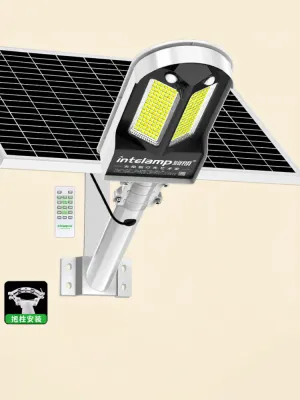
If your balcony is deeply recessed or faces away from direct sunlight, consider using a split-panel solar system. These systems feature a separate solar panel connected to the light fixture by a thin wire. This design allows you to mount the solar panel on the sunniest outer edge of your railing or exterior wall while placing the actual light fixture deep within your shaded seating area.
Frequently Asked Questions (FAQ)
Will solar lamps charge on a heavily shaded balcony?
Direct sunlight is required for solar panels to charge at peak efficiency, and heavily shaded balconies will significantly reduce the runtime and brightness of your lights. If your balcony receives limited sun, look for solar lamps that feature a hybrid charging design, allowing you to recharge the batteries via a USB port on cloudy days. Alternatively, utilizing a split-panel system lets you position the solar panel on the outermost edge of your balcony where it can capture the maximum amount of ambient daylight.
How should I maintain solar lights in a dusty urban area?
Urban environments often suffer from dust, soot, and pollution buildup, which can form a film over your solar panels and block sunlight. To maintain optimal charging efficiency, regularly wipe the solar panels with a soft, damp microfiber cloth. Always consult the product manual before using any chemical cleaners, as harsh detergents can degrade the protective plastic or glass coating on the panel, permanently reducing its ability to absorb light.

Community discussion
Share your experience or ask a question. Comments are reviewed before publication.