
Solar lanterns provide an energy-efficient, wireless, and highly adaptable way to illuminate outdoor spaces in the Philippines. By harnessing the country’s abundant tropical sunlight, these fixtures eliminate the need for complex electrical wiring, lowering your monthly electricity bills while enhancing the safety and beauty of your garden.
For many homeowners in the Philippines, traditional outdoor lighting projects require extensive trenching through established lawns, gardens, and concrete pathways to lay down armored electrical cables. This process is not only expensive but can also damage mature plant roots and disrupt carefully curated landscapes. Wireless solar lights completely bypass this issue, allowing you to place decorative illumination anywhere without digging a single trench.
The social aspect of Filipino culture also makes outdoor lighting highly practical. Backyard gatherings, family barbecues, and evening dining are common ways to enjoy cooler night temperatures. Strategically placed lanterns create a warm, inviting ambiance that transforms a dark garden into an extension of your living space.
Products mentioned in this guide
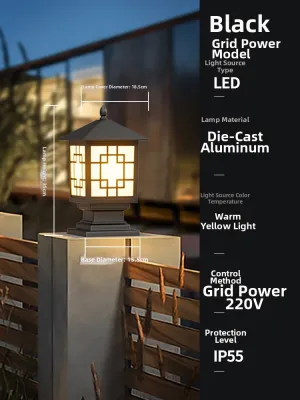
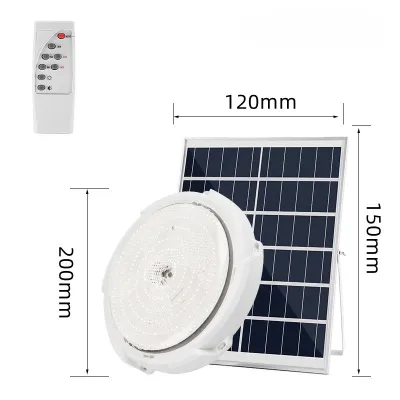
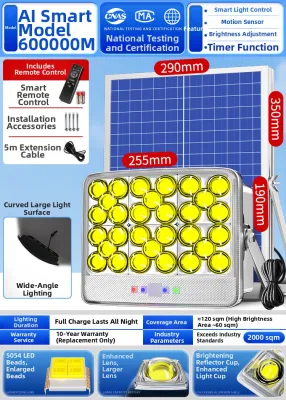
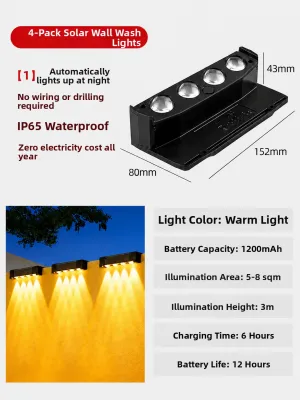
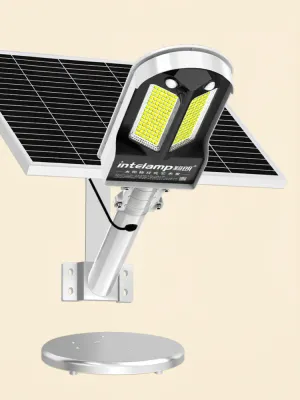
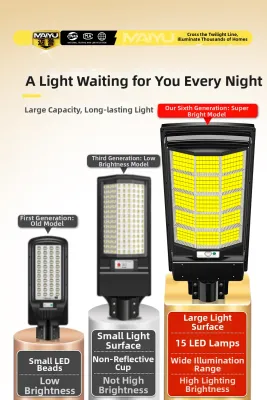
Prices are valid at publication and may change. Please refer to the product page for the latest price.
Additionally, the geographical location of the Philippines ensures consistent, year-round solar exposure. Even during the wet monsoon season, the daylight hours are sufficient to generate usable power, making solar technology a highly reliable choice for sustainable home improvement.
Key Features to Look for in Tropical Climates
To ensure your solar lights survive the demanding climate of the Philippines, you must look beyond aesthetic appeal. The combination of intense tropical heat, high relative humidity, and heavy seasonal rainfall requires specific technical standards and robust materials.
Understanding Weather Resistance and IP Ratings
When shopping for solar lights, the Ingress Protection (IP) rating is the most critical safety and durability metric. This two-digit code indicates how well the fixture prevents solids and liquids from entering its internal electrical housing.
- IP44: Suitable only for sheltered areas, such as covered patios or under deep eaves. It protects against splashing water but may fail during heavy, wind-driven downpours.
- IP65: Dust-tight and protected against water jets from any angle. This is the recommended minimum standard for fully exposed garden areas in the Philippines.
- IP67: Dust-tight and capable of surviving temporary immersion in water. Ideal for low-lying garden zones prone to temporary pooling during flash floods.
Material Selection for High Humidity
The choice of casing material directly impacts how many seasons your lantern will survive. High humidity and salty sea air in coastal regions accelerate corrosion and material degradation.
- Rust-Proof Aluminum: Powder-coated or anodized aluminum offers excellent structural integrity and does not rust. It is lightweight yet strong enough to withstand strong winds.
- Treated Synthetic Rattan: High-quality polyethylene (PE) rattan mimics the natural look of local wicker but resists UV degradation, mold, and moisture. Natural rattan should be avoided outdoors as it rots quickly when exposed to rain.
- UV-Resistant Resins and ABS Plastics: Heavy-duty engineering plastics like ABS are highly durable, provided they are treated with UV stabilizers. Untreated, cheap plastics will warp, become brittle, and crack under the intense Philippine sun within a few months.
- Untreated Iron and Steel: Avoid these materials for outdoor use. They will rapidly rust and stain your garden paving or wooden decks.
Battery Chemistry and Solar Panel Efficiency
The internal components determine how long your lantern stays illuminated after dark.
- Monocrystalline Panels: These panels have the highest energy conversion efficiency (typically 15% to 20%) and perform significantly better than polycrystalline or amorphous panels on overcast or rainy days.
- Lithium-ion (Li-ion) and Lithium Iron Phosphate (LiFePO4): These batteries offer superior energy density, tolerate higher operating temperatures, and have a longer lifespan (typically 2 to 5 years) compared to older Nickel-Metal Hydride (NiMH) batteries.
- Replaceability: Always check if the battery compartment is accessible. Being able to replace a worn-out battery prevents you from having to discard the entire lantern when the original battery reaches the end of its life cycle.
Voltage, Interface, and Safety Certifications
Before purchasing, verify the electrical specifications printed on the product label or user manual.
- Operating Voltage: Outdoor solar lanterns typically operate on low-voltage direct current (DC), ranging from 1.2V to 3.7V. This low voltage makes them inherently safe from severe shock hazards.
- Base and Interface Compatibility: While many solar lanterns feature integrated, non-replaceable LED arrays, some vintage-style designs use replaceable low-voltage LED filament bulbs. These bulbs often use standard screw bases like E27 or E12, but they are specifically rated for low-voltage DC currents. Never insert a standard 220V AC household bulb into a low-voltage solar fixture, and never use a low-voltage solar bulb in a mains-powered 220V socket, as this can cause immediate electrical failure, fire, or severe shock.
- Wattage Limits: Solar charge controllers are designed for very low wattages (often between 0.05W and 2W). Installing a replacement bulb that exceeds the manufacturer's specified wattage limit will overload the circuit and permanently damage the internal driver.
- Electrical Certifications: Look for recognized safety marks such as CE, RoHS, or FCC. These certifications verify that the product has been manufactured without hazardous substances and meets basic international safety and electromagnetic compatibility standards.
- Dimming Methods: Most solar lights rely on automatic photocells for dusk-to-dawn operation rather than manual dimming. Some models offer stepped dimming via remote control or motion-sensor activation, which can help conserve battery power during extended periods of overcast weather.
Best Solar Lantern Styles for Different Garden Areas
Selecting the right style involves matching the lantern’s design to its physical environment and functional purpose. Different areas of your garden require distinct light distributions, mounting methods, and aesthetic treatments.

Hanging and Pendant Lanterns for Patios and Pergolas
Hanging solar lanterns are excellent for creating overhead, ambient illumination in semi-covered outdoor spaces such as patios, pergolas, gazebos, or sturdy tree branches. They cast a soft, downward glow that mimics the relaxed atmosphere of tropical resorts.
When installing hanging fixtures, mechanical safety is paramount.
- Weight and Suspended Loads: Always check the weight limits of the supporting structure, hooks, or chains before hanging a lantern. Heavy glass or metal lanterns must be secured with heavy-duty, weather-resistant hardware.
- Wind Resistance: Hanging lanterns are highly susceptible to strong winds. Use locking carabiners or deep, closed S-hooks to prevent the lanterns from swinging off their mounts during sudden gusts. If a lantern is hung in an area high off the ground, a fall could cause serious injury or property damage.
- Power Isolation and Hybrid Wiring: If you are installing a high-end hybrid solar pendant light that includes a backup mains-power connection (220V AC), you must isolate the power supply at the main circuit breaker before installation. Any fixed wiring in damp outdoor environments must be housed in weather-tight junction boxes and conduits, and the installation should be performed by a qualified professional.
Stake and Pathway Lanterns for Walkways
Pathway lanterns are designed for ground-level illumination, ensuring safe navigation along garden paths, steps, and driveways. They project light downward and outward to highlight potential tripping hazards.
To get the best performance and longevity from pathway lights, consider these practical factors:
- Soil Stability: In the Philippines, heavy rains can turn garden soil into soft, muddy clay. Choose lanterns with long, sturdy ground stakes made of reinforced ABS or rust-proof metal. Ensure the stake is driven deep enough into the ground to remain upright when the soil becomes saturated.
- Light Spread and Glare Control: Look for fixtures with integrated diffusers, frosted glass, or downward-facing hoods. This design directs light onto the walking surface rather than shining directly into the eyes of walkers, which can cause temporary glare and discomfort.
- Spacing: Space your pathway lights evenly—typically 1.5 to 3 meters apart, depending on the brightness (lumen output) of the fixtures—to avoid creating alternating patches of extreme brightness and deep shadow.
Tabletop and Freestanding Lanterns for Dining Areas
Tabletop and freestanding solar lanterns offer maximum versatility, allowing you to move the light source wherever it is needed most. They are ideal for outdoor dining tables, side tables, or flat stone steps.
These lanterns often focus on decorative and intimate lighting effects:
- Flickering LED Effects: Many tabletop lanterns feature specialized LED programming that mimics the warm, organic flicker of a real candle. This provides the romantic charm of open flames without the fire hazard or susceptibility to being blown out by a breeze. Note that decorative styles and perceived color temperatures (such as warm amber versus cool daylight) are conditional aesthetic preferences that depend on your desired spatial effect; they do not dictate the physical charging or illumination performance of the light.
- Base Stability: Outdoor tables and garden surfaces can be uneven. Choose lanterns with wide, heavy bases or low centers of gravity to prevent them from tipping over easily.
- Portability: Look for models with comfortable, integrated handles so you can easily carry them from the garden to a patio table or bring them indoors at the end of the evening.
How to Maintain Solar Lights During the Rainy Season
The rainy season in the Philippines presents unique challenges for outdoor solar fixtures. Proper, low-risk maintenance is essential to protect your investment and extend the operating life of your lights.
Cleaning the Solar Panels
Over time, solar panels accumulate a film of dust, pollen, bird droppings, and atmospheric grime. This layer blocks sunlight, significantly reducing the panel’s ability to charge the internal battery.
- Cleaning Step: Gently wipe the solar panel surface using a soft, clean, damp microfiber cloth. For stubborn dirt, use a mild, highly diluted dish soap.
- What to Avoid: Never use abrasive scrubbers, steel wool, or harsh chemical solvents like acetone or bleach, as these will scratch or chemically degrade the protective plastic coating on the panel, permanently reducing its transparency.
- Manufacturer Instructions: Always check your specific product's label and the manufacturer's care instructions before cleaning. If instructions conflict, defer to the manufacturer's guidelines.
Securing Fixtures During Severe Weather
Standard IP65-rated solar lights are designed to withstand normal heavy rain, but they are not built to survive the extreme winds and flying debris of a severe typhoon.
- Pre-Storm Action: Before a typhoon makes landfall, collect all lightweight, hanging, tabletop, and loosely staked solar lanterns and store them indoors or in a secure, fully enclosed shelter.
- Preventing Projectiles: Unsecured outdoor lanterns can easily become dangerous airborne projectiles in high winds, causing severe damage to windows, property, or bystanders.
Inspecting and Cleaning the Battery Compartment
High relative humidity can lead to moisture ingress in the battery compartment, resulting in contact oxidation and battery corrosion.
- Visual Check: Every six months, open the battery compartment to inspect the terminals for a white, powdery residue or greenish crust (oxidation).
- Cleaning Contacts: If oxidation is present, first remove the battery. Gently clean the metal contacts using a dry cotton swab or a soft-bristled brush. For stubborn corrosion, you may use a small amount of dedicated electrical contact cleaner. Ensure the compartment is completely dry before reinserting the battery or replacing it with a new one.
- Safety Precaution: If you notice that the battery is swollen, leaking fluid, or excessively hot, do not attempt to clean or reuse it. Dispose of it safely at a local electronic waste recycling facility and replace it immediately.
Installation and Placement Checklist for Optimal Charging
Proper placement is the single most important factor in determining how many hours your solar lights will stay illuminated each night. Use this practical checklist to optimize solar absorption and ensure safe operation.
- Avoid Shade Obstructions: Do not position solar panels directly beneath dense tropical foliage (such as banana, palm, or mango trees), tall garden walls, or deep roof overhangs. Even partial shading on a small portion of a solar panel can cut its energy generation by more than half.
- Maximize Direct Sunlight: Position the solar panels where they will receive at least 6 to 8 hours of unshaded, direct sunlight daily. In the Philippines, which lies near the equator, angling the panels slightly toward the south can help maximize sun exposure throughout the changing seasons, though a flat horizontal placement is also highly effective.
- Verify Weight Limits: For all hanging and suspended lanterns, verify that the supporting structure (pergola beams, hooks, or tree branches) can easily bear the weight of the fixture, especially when wet or subjected to wind loads.
- Keep Away from High-Heat Sources: Ensure your solar lanterns are placed a safe distance away from open flames, outdoor kitchens, barbecues, or fire pits. High ambient heat can degrade the internal lithium batteries and warp plastic casings.
- Avoid Artificial Light Interference: Place your solar lights away from strong ambient light sources, such as streetlights or bright home security floodlights. The automatic photocells inside solar lanterns detect this ambient light and may mistakenly prevent the lantern from turning on at night.
Frequently Asked Questions (FAQ)
Do solar lanterns work on cloudy or rainy days?
Yes, solar lanterns will still charge on cloudy or rainy days, but at a significantly reduced rate. Monocrystalline solar panels are capable of capturing diffused light through cloud cover, but the energy generated will be much lower than on a bright, sunny day. As a result, the internal battery will not reach full capacity, and the lantern’s operating runtime at night will be noticeably shorter—often providing only 2 to 4 hours of light instead of the typical 8 to 12 hours.
How long do the batteries in solar lanterns typically last?
The rechargeable batteries inside outdoor solar lanterns typically last between 1 to 3 years, depending on the battery chemistry and environmental conditions. Lithium-ion and LiFePO4 batteries generally offer a longer lifespan, lasting up to 3 to 5 years, whereas standard NiMH batteries often need replacement after 1 to 2 years. You will know it is time to replace the battery when the lantern’s nightly runtime drops drastically despite receiving a full day of direct sunlight, or if the light fails to turn on entirely.
Can I leave solar lanterns outside during heavy storms?
While high-quality solar lanterns with an IP65 rating or higher are built to withstand heavy tropical downpours, you should not leave them outside during severe storms, tropical depressions, or typhoons. The extreme wind speeds can rip hanging lanterns from their mounts, blow over tabletop fixtures, or uproot stake lights, turning them into hazardous projectiles or destroying the units. It is highly recommended to temporarily bring all portable and lightweight solar lights indoors until the severe weather passes.
Community discussion
Share your experience or ask a question. Comments are reviewed before publication.