
Creating a cozy, inviting outdoor retreat on a small condo balcony requires lighting that maximizes atmosphere without sacrificing precious floor space. The best solar light styles for compact balconies are low-profile, versatile fixtures such as flexible string lights, clamp-on railing sconces, and hanging lanterns. These options utilize existing structures like railings, walls, and ceilings, leaving your limited floor area free for seating and plants. By choosing styles that offer soft, diffused illumination, you can transform a stark concrete balcony into a warm, relaxing sanctuary perfect for unwinding after a long day.
Assessing Your Balcony's Sunlight and Space Constraints
Before purchasing any solar lighting, you must evaluate the specific environmental and spatial conditions of your high-rise balcony. Unlike open suburban gardens, condo balconies are often subject to significant shading from adjacent towers, overhead concrete slabs, and solid railings. Spend a weekend observing your balcony at different times of the day to note how many hours of direct, unobstructed sunlight actually reach the space. If your balcony only receives indirect light or is cast in deep shadow for most of the day, standard integrated solar fixtures may struggle to charge fully.
Next, take precise measurements of your available vertical and horizontal surfaces. In a compact footprint, bulky floor lamps or wide decorative stakes can quickly become tripping hazards or restrict your movement. Focus instead on the perimeter, looking at the top and sides of your railings, empty wall surfaces, and the underside of the ceiling slab.
Products mentioned in this guide
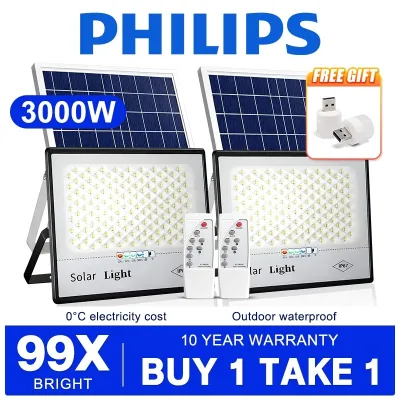
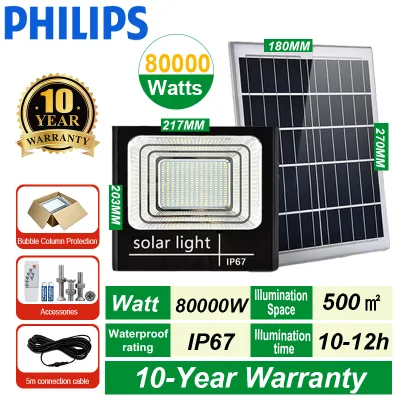
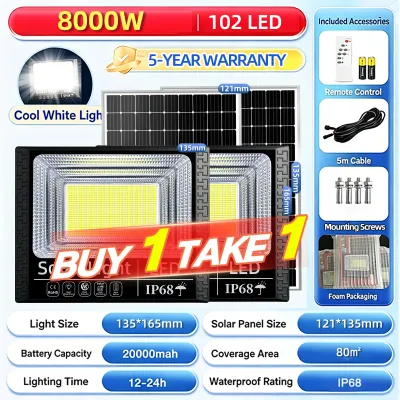
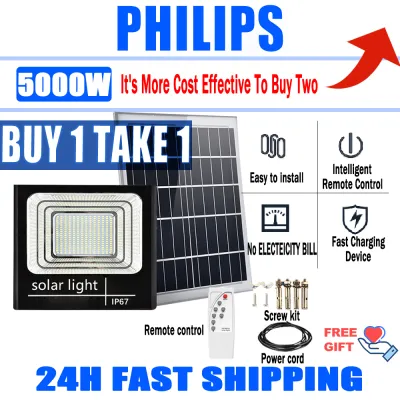
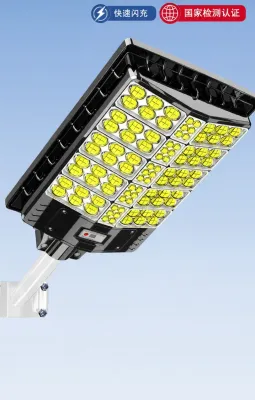
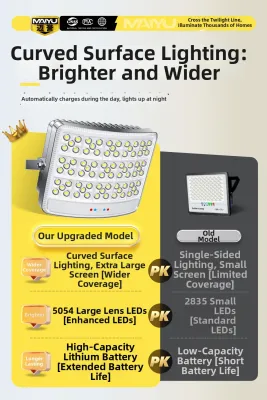
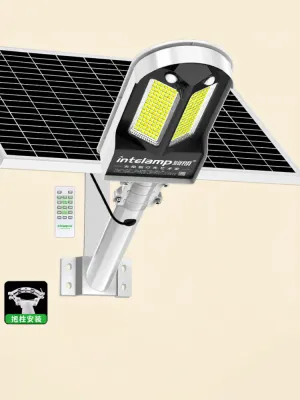
Prices are valid at publication and may change. Please refer to the product page for the latest price.
Finally, review your condominium corporation’s house rules or homeowners’ association (HOA) guidelines regarding exterior modifications. Many properties strictly prohibit drilling into exterior walls, which are considered common areas, or have rules against visible wiring and excessive light spill that might disturb neighbors. Understanding these boundaries beforehand helps you select non-permanent, damage-free mounting methods that keep you in compliance with building administration policies.
Top Solar Light Styles for Small Balcony Ambiance
Selecting the right solar light style involves balancing spatial efficiency with the type of glow you want to achieve. For a small balcony, the goal is usually to create a soft, low-glare ambient wash rather than bright, focused task lighting. Different fixture designs distribute light in distinct ways, and matching them to your balcony’s structural elements is key to a cohesive look.

If your balcony features a narrow metal railing, lightweight fixtures that wrap around or clamp onto the bars will keep the center of the space completely clear. For solid concrete parapet walls, flat-backed sconces or hanging fixtures that drape downward can soften the heavy look of the masonry. By layering different styles at varying heights, you can create depth and make a small outdoor area feel significantly larger and more inviting.
String and Fairy Lights
Flexible wire string lights and fairy lights are highly effective for wrapping around railings, weaving through privacy trellises, or draping along walls. Because they distribute tiny points of light across a wide area, they provide a whimsical, low-glare glow that does not overwhelm a small space.
When selecting string lights, verify the total wire length and bulb spacing on the product packaging to ensure they fit your railing without excessive overlapping or clutter. Opt for models featuring shatterproof plastic bulbs and flexible, insulated copper wiring, which can safely conform to uneven surfaces and withstand outdoor handling. These durable materials help prevent accidental breakage if the wind causes the strings to brush against hard concrete or metal structures.
Wall-Mounted and Railing Sconces
For balconies with solid walls or thick railings, wall-mounted and railing sconces offer a clean, architectural look without requiring permanent installation. Look for fixtures designed with non-invasive mounting mechanisms, such as heavy-duty clamps, adjustable tension brackets, or weather-resistant adhesive strips. These options allow you to secure the lights firmly to your balcony’s perimeter without drilling into common-property concrete or stucco.
It is also important to check the light beam angle of these sconces before installation. Choose down-facing or shielded designs that direct the glow inward toward your seating area rather than outward into the street or directly into neighboring units. This thoughtful placement keeps your balcony cozy while respecting the privacy of your community.
Hanging Lanterns and Pendants
Overhead lighting is an excellent way to draw the eye upward and establish a distinct focal point over a small bistro table or seating corner. Hanging solar lanterns and pendants can be suspended from existing ceiling hooks, sturdy wall brackets, or tall, freestanding shepherd’s hooks.
Because high-rise balconies are often exposed to strong winds, especially during tropical storms or monsoon seasons, you must confirm the weight limits of any ceiling attachments and ensure freestanding bases are heavily weighted or securely tied down. To maintain a relaxing atmosphere, select lanterns with frosted glass, paper-style synthetic shades, or woven rattan covers. These materials diffuse the light beautifully, preventing harsh shadows and glare in your immediate line of sight.
Essential Features to Verify for Condo Use
When shopping for solar lights on an online marketplace or at a local home improvement store, checking the technical specifications on the product label is crucial for safety and performance. First, prioritize warm color temperatures, typically between 2700K and 3000K, which mimic the cozy glow of candlelight. Avoid cool-toned white lights (5000K and above), which can feel clinical and resemble harsh security lighting.
Given the tropical climate characterized by heavy downpours and high humidity, verify the Ingress Protection (IP) rating of any outdoor fixture. Look for a minimum rating of IP44 for general splash resistance, though IP65 or higher is preferred for areas fully exposed to driving rain. Additionally, check the manufacturer’s instructions regarding voltage, battery capacity, and electrical certifications to ensure the product meets local safety standards.
For shaded balconies, look specifically for solar lights that feature a detachable solar panel connected by a long, thin cable. This design allows you to position the charging panel in the sunniest spot on your railing or outer wall while keeping the actual light fixtures tucked away in a shaded, cozy corner of your seating area. If you are installing any hanging fixtures or routing cables near damp areas, always follow the manufacturer’s safety guidelines, ensure proper power-isolation if using hybrid backup power, and consult a qualified professional for any complex or high-altitude mountings.
Placement and Charging Strategies for Limited Sun
Maximizing the efficiency of your solar lights on a condo balcony requires strategic placement of the solar panels. Position the panels at an angle that faces the path of the sun for the longest duration of the day, making sure to avoid persistent shadows cast by overhead balconies or decorative building columns. Even a small amount of shade covering a portion of a solar panel can significantly reduce its charging capacity.
Keep in mind that solar battery performance is highly dependent on weather conditions. During consecutive cloudy or rainy days, the lights may not run for their full rated duration, so adjusting your expectations for runtime during the wet season is essential.
If your setup utilizes a detached solar panel with an external cable, plan your cable routing carefully. Secure the wires flat against the floor, wall, or railing using outdoor-rated cable clips or ties to prevent tripping hazards in your limited walking space. Keeping the cables neat also protects them from being pinched by balcony furniture or damaged during routine cleaning.
Frequently Asked Questions (FAQ)
Can solar lights work on a heavily shaded balcony?
Standard solar lights with integrated panels generally will not perform well on heavily shaded balconies, as they require direct sunlight to charge the internal battery. However, you can successfully use models with detachable solar panels, allowing you to mount the panel on the outermost edge of the railing where sunlight is strongest while keeping the lights in the shade. Alternatively, look for hybrid solar lights that offer dual-charging capabilities, allowing you to charge the batteries via a USB port on cloudy days.
Do I need permission to install solar lights in a condo?
Generally, non-permanent installations that do not require drilling, such as clamp-on sconces, hanging lanterns on freestanding hooks, or draped string lights, do not require formal approval from building administration. However, you should always review your specific condominium bylaws regarding exterior aesthetics, light spill, and safety. Avoid any permanent modifications to exterior walls or railings, as drilling into these surfaces often violates condo association rules and can compromise waterproofing.

Community discussion
Share your experience or ask a question. Comments are reviewed before publication.