
Transforming a compact condo balcony into a relaxing outdoor retreat relies heavily on choosing the right lighting. For high-rise dwellers, solar lights offer an energy-efficient way to illuminate a small space without worrying about outdoor electrical outlets or rising utility bills. Because condo balconies are highly visible and subject to strict property management rules, the ideal setup must balance aesthetic appeal with practical, non-destructive installation.
The most effective solar lights for a small balcony are lightweight, versatile fixtures that utilize vertical surfaces and railings rather than consuming valuable floor space. Solar string lights, railing-mounted clip lights, and compact pot lights allow you to create a warm, inviting glow while keeping your limited floor area clear for seating or plants. By understanding your balcony’s unique layout and sunlight exposure, you can design a cozy outdoor sanctuary that functions beautifully night after night.
Assessing Your Balcony Space and Lighting Constraints
Before purchasing any solar fixtures, evaluate the physical layout of your balcony and the rules of your condominium association. Start by measuring the usable surfaces, including the length and thickness of your railings, the height of any ceiling overhangs, and the dimensions of blank walls. Knowing these measurements prevents the frustration of buying clip-on lights that do not fit your balustrades or string lights that are too long for your space.
Products mentioned in this guide
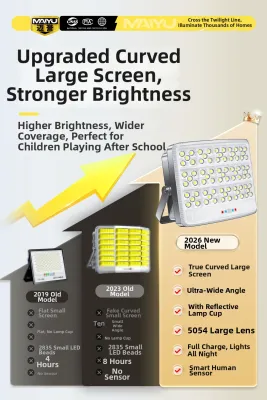
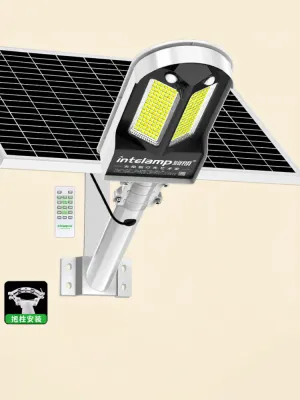
Prices are valid at publication and may change. Please refer to the product page for the latest price.
Condo-specific restrictions are a primary consideration for high-rise residents. Most property management offices strictly prohibit drilling into exterior walls, columns, or ceilings, as this can compromise the building’s waterproofing. Look for lightweight lighting options that can be secured using temporary, damage-free methods like zip ties, outdoor adhesive hooks, or tension rods.
You should also define the specific mood and function you want to achieve. A soft, diffused background glow is ideal for winding down in the evening, whereas reading a book might require a more focused, downward-facing light source. Identifying whether you need decorative accent lighting, functional task lighting, or a combination of both will help you narrow down the styles that best serve your daily lifestyle. For example, high-quality solar lights are widely available across various price points, with many basic models starting below ₱500, making it easy to customize your space without a major financial investment.
Ideal Solar Light Styles for Compact Balconies
When floor space is limited, the style of solar light you choose directly impacts how spacious and comfortable your balcony feels. Selecting fixtures that mount to existing structures keeps the ground clear and prevents a cluttered appearance.

String and Fairy Lights: These are exceptionally popular for small balconies because they can be draped overhead or wrapped tightly around railings. This placement creates a soft, starry canopy effect that distributes light evenly across the space without taking up any floor or table area. Because they are highly flexible, you can easily weave them through balustrades or hang them along the ceiling line using non-invasive outdoor clips.
Railing and Clip-on Lights: Specifically designed to attach directly to balcony balustrades, these fixtures provide targeted downward or upward illumination while keeping surfaces clear. They typically feature adjustable clamps or brackets that slide over standard railing widths, creating a cozy boundary while keeping your small table and chairs free of bulky lamps.
Wall-Mounted Sconces: If your condo guidelines permit temporary wall attachments, solar wall-mounted sconces offer a structured, sophisticated look. These fixtures can frame your seating area and cast a warm, architectural glow against the wall surface. To avoid drilling, look for lightweight plastic or aluminum sconces that can be securely mounted using heavy-duty, weather-resistant adhesive strips designed for outdoor masonry.
Compact Stake and Pot Lights: For balconies decorated with potted plants, compact solar stake lights or disk-shaped pot lights are excellent for adding depth. Placing these small fixtures directly into the soil of your planters creates a beautiful uplighting effect, casting dramatic shadows of leaves and branches against the walls. This low-level accent lighting adds visual layers to your balcony, making the entire space feel larger and more dynamic at night.
Essential Specifications to Verify Before Buying
Not all solar lights are built to withstand the unique environmental conditions of a high-rise balcony. Verifying key technical specifications on the product packaging or manufacturer’s website ensures your investment remains safe and functional.
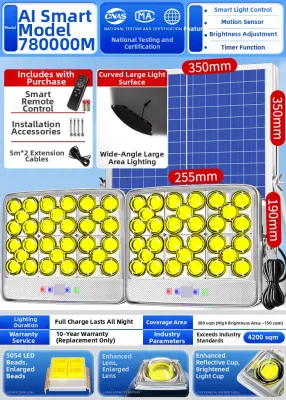
First, examine the solar panel design. Solar lights generally come with either integrated panels or separate panels connected by a wire. If your balcony is covered by a deep concrete overhang that blocks direct sunlight, a separate panel design is highly advantageous. This setup allows you to mount the light fixture in a shaded seating area while placing the solar panel high up on the railing where it can receive maximum sun exposure.
Next, check the light quality and color temperature. For a cozy, relaxing ambiance, look for fixtures labeled “warm white,” typically ranging from 2700K to 3000K. While perceived color temperature and spatial effects are conditional preferences rather than universal performance facts, warm white is generally favored for creating a softer, more intimate atmosphere compared to cool white lights (4000K and above), which can feel clinical in a small outdoor living space. Additionally, verify if the lights offer adjustable brightness levels or multiple lighting modes, allowing you to dim the glow for intimate gatherings.
Weather resistance is critical in tropical climates with heavy seasonal rains and high humidity. Always check the Ingress Protection (IP) rating of the fixtures. An IP rating of IP44 is the minimum standard for outdoor use, but IP65 or higher is recommended for balconies exposed to driving rain. Ensure the materials are UV-resistant to prevent plastic components from cracking under constant sun exposure.
Finally, inspect the included mounting hardware to ensure brackets, clips, or straps are compatible with your railing thickness. If using adhesives, verify they are rated for high-temperature outdoor environments so they do not lose their grip during hot, humid afternoons. Additionally, verify the electrical certification and voltage requirements if you choose a hybrid model that plugs into a wall outlet for USB charging, ensuring it is compatible with standard household outlets. If your lighting setup involves any fixed wiring, working at significant heights, or mounting heavy suspended loads, always isolate the power source, follow the manufacturer’s installation instructions carefully, or consult a qualified professional to ensure safety.
Layering and Placement Strategies for a Cozy Atmosphere
Achieving a professional, designer-level look on a small balcony requires more than just hanging a single strand of lights. By layering your light sources at different heights, you can create a balanced and visually interesting environment.
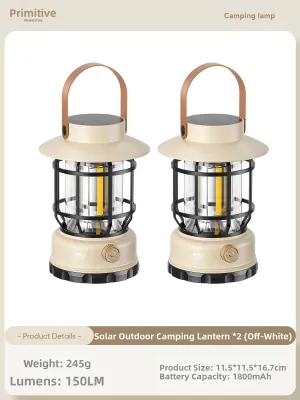
To implement layered lighting, aim to distribute your fixtures across three distinct levels: high, mid, and low. Use overhead string lights or high-mounted sconces to establish your high-level ambient glow. For the mid-level, utilize railing-mounted clip lights or a small solar lantern placed on a side table. Finally, place low-level stake lights in your planters or disk lights along the floor edges. This vertical distribution prevents harsh shadows and makes the balcony feel warm and cohesive.
When positioning your lights, be highly mindful of light pollution and your neighbors’ privacy. High-rise living means your balcony is in close proximity to other units. Adjust the angles of your fixtures so that the light beams point downward or inward toward your own space, rather than shining directly into neighboring windows or onto the street below. This thoughtful placement keeps your balcony private and prevents complaints from adjacent residents.
You can also use your existing outdoor furniture and plants to manipulate the light. Placing a solar light behind a leafy potted palm or under a bench creates soft, diffused shadows that soften the hard concrete edges of a typical condo balcony. This technique adds a sense of mystery and depth, transforming a simple concrete slab into a lush, tropical oasis.
Maintaining Solar Lights in a High-Rise Environment
High-rise balconies are often exposed to significant amounts of urban dust, vehicle exhaust soot, and windblown debris. Regular maintenance is essential to keep your solar lights charging efficiently and operating at peak brightness.
Establish a routine to wipe down the solar panels at least once a month. A thin layer of dust or soot on the protective cover can drastically reduce the panel’s ability to absorb sunlight, leading to shorter run times. Use a soft, damp microfiber cloth to gently clean the surface, avoiding abrasive sponges or harsh chemical cleaners that could scratch the solar cells.
Over time, the rechargeable batteries inside your solar lights will naturally degrade. Review the manufacturer’s instructions to understand how to access the battery compartment and what type of rechargeable battery is required. Most solar fixtures use standard rechargeable AA or AAA batteries (such as NiMH), which are easy to replace and can extend the lifespan of your fixtures by several years.
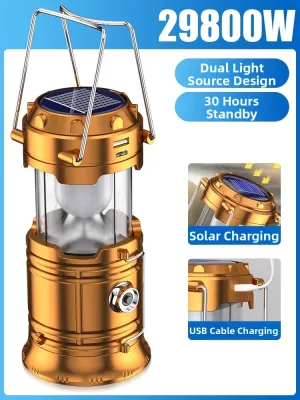
If your balcony experiences prolonged periods of overcast weather, heavy monsoon rains, or deep shade during certain seasons, look for solar lights that feature alternative charging options. Many modern solar fixtures include a USB backup port, allowing you to bring the lights indoors and charge them via a standard wall outlet when natural sunlight is insufficient. This hybrid capability ensures your balcony remains beautifully lit regardless of the weather.
Frequently Asked Questions (FAQ)
Do solar lights work on shaded or north-facing balconies?
Yes, solar lights can work on shaded or north-facing balconies, but they will charge at a slower rate, resulting in a dimmer glow or shorter operating times. To maximize efficiency, choose solar lights with a separate, detachable solar panel. This allows you to position the panel at the edge of your balcony railing where it can catch the maximum amount of ambient daylight. Additionally, opting for models with USB backup charging ensures you can keep your lights powered during heavily shaded seasons.
How do I install balcony lights without drilling into walls?
You can easily install solar lights without drilling by using non-destructive mounting alternatives that comply with strict condo regulations. For string lights, heavy-duty outdoor adhesive hooks or suction cups designed for glass doors work exceptionally well. For railing lights, adjustable plastic zip ties, velcro straps, or over-the-rail metal brackets provide a secure hold that can be removed instantly. If you want to mount wall sconces, look for weather-resistant double-sided mounting tape rated for outdoor masonry. These damage-free methods keep your fixtures secure against strong winds while protecting your security deposit.

Community discussion
Share your experience or ask a question. Comments are reviewed before publication.