
Selecting the right solar lights for your outdoor space requires balancing illumination needs, aesthetic preferences, and environmental durability. Because the tropical climate of the Philippines brings both intense, year-round sunlight and severe monsoon seasons, choosing the right outdoor lighting requires looking closely at technical specifications rather than aesthetic designs alone. By evaluating key product labels, understanding weatherproofing standards, and planning your yard’s layout, you can select durable fixtures that keep your outdoor spaces safe, functional, and beautifully illuminated.
Rather than searching for a single, universally perfect brand, your goal should be to build a reliable shortlist of solar pathway and garden lights based on verifiable performance metrics. This guide equips you with the evaluation criteria, placement strategies, and conditional frameworks needed to navigate options available through local hardware stores and online marketplaces, ensuring your investment withstands the elements while delivering consistent nightly performance.
Key Specifications to Evaluate on Product Labels
When browsing solar lights, the information printed on the product packaging or detailed in the manufacturer’s specification sheet is your first line of defense against poor performance. Understanding how to read these technical details allows you to predict how bright a light will shine, how long it will run, and how many seasons it will survive in a tropical environment.
Products mentioned in this guide
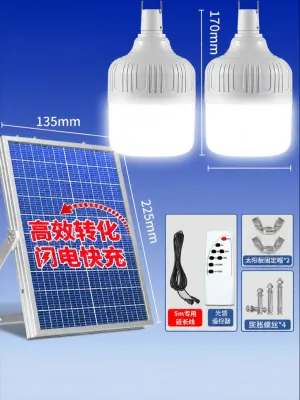
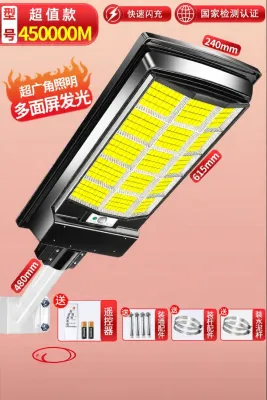
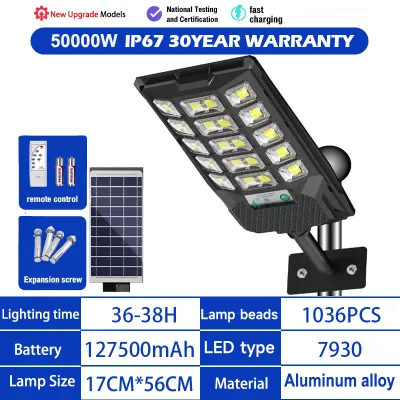
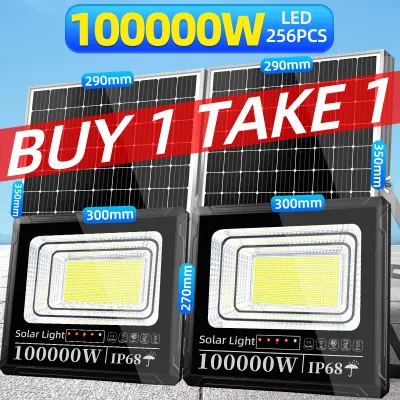
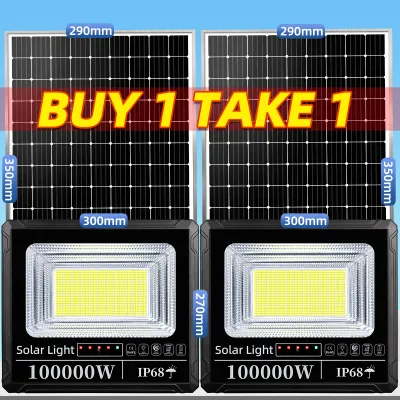
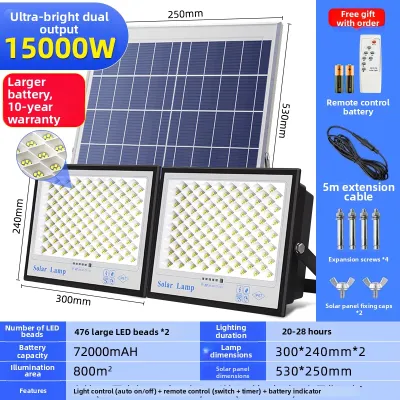
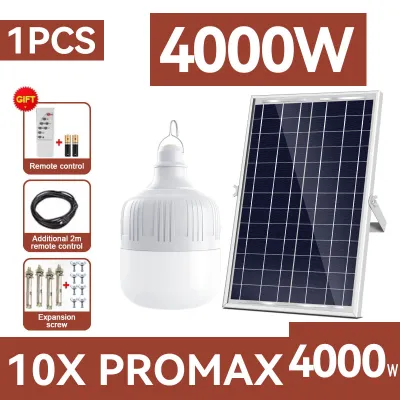
Prices are valid at publication and may change. Please refer to the product page for the latest price.
Lumens and Color Temperature
Brightness is measured in lumens, not watts. Because solar lights do not draw power from a wall outlet, wattage ratings on solar packaging often refer to the solar panel’s capacity or the LED’s maximum draw, which does not directly tell you how much light is produced. For subtle pathway marking or decorative borders, look for fixtures labeled between 10 and 50 lumens. If your primary goal is safety along a dark walkway, prioritize fixtures that deliver 50 to 200 lumens. For security spotlights or accent lighting designed to illuminate large trees, look for high-output options ranging from 300 to over 1,000 lumens.
Color temperature, measured in Kelvin (K), is a conditional preference that dictates the visual atmosphere of your garden. Warm white light (typically 2,700K to 3,000K) creates a soft, inviting ambiance that complements natural wood, stone, and warm-toned foliage. Cool white light (5,000K to 6,500K) provides high-contrast, crisp visibility that is highly functional for security zones, driveways, and modern architectural features. Avoid mixing warm and cool temperatures along the same pathway, as this creates a disjointed visual effect.
Battery Chemistry and Capacity
An outdoor solar light is only as reliable as its internal battery. Most modern solar fixtures use one of three battery chemistries: Lithium Iron Phosphate (LiFePO4), Lithium-ion (Li-ion), or Nickel-Metal Hydride (NiMH). LiFePO4 batteries are highly recommended for tropical climates because they offer superior thermal stability, handle high ambient temperatures without rapid degradation, and support thousands of charge-discharge cycles. Li-ion batteries also offer high energy density but can degrade faster under extreme heat. NiMH batteries are typically found in budget-friendly, low-output stakes; while functional, they have a shorter overall lifespan and lower energy storage capacity.
Always check the battery capacity, which is listed in milliampere-hours (mAh). A higher mAh rating indicates a larger energy reservoir, which is essential for keeping the light illuminated through long nights or consecutive cloudy days. Compare the battery capacity to the manufacturer’s stated runtime; a reliable fixture should offer a runtime of at least 8 to 10 hours on a full charge.
Solar Panel Efficiency and Electrical Safety
The solar panel is responsible for converting sunlight into usable electrical energy. Monocrystalline solar panels are the most efficient option, typically converting 15% to 21% of sunlight into electricity, making them ideal for areas with partial shade or shorter daylight hours. Polycrystalline panels are slightly less efficient (around 13% to 16%) but offer a cost-effective alternative for wide-open spaces that receive direct, unobstructed sunlight. Amorphous or thin-film panels are highly flexible and inexpensive but have the lowest efficiency ratings and tend to degrade faster under intense UV exposure.
Additionally, verify that the product carries recognized electrical and environmental certifications, such as CE, RoHS, or local quality marks. If you are evaluating hybrid solar lights—which feature a backup wired connection or a USB charging port—always verify the voltage compatibility, base or interface type, and maximum wattage limits specified by the manufacturer before connecting them to a power source.
Matching Light Designs to Your Pathway and Garden Layout
Selecting the physical design of your solar lights involves more than matching your home’s architectural style. The shape, height, and mounting mechanism of a fixture directly influence how light is distributed across your landscape and how well the unit resists physical wear.

Pathway Lighting and Glare Prevention
Effective pathway lighting should guide steps safely without casting blinding glare into the eyes of pedestrians. To achieve this, prioritize downward-facing fixtures or those equipped with integrated top caps and diffusers that direct light toward the ground. Avoid completely exposed, clear-glass globes that scatter light horizontally or upward, as these often cause visual discomfort when walked past.
Stake height is another critical factor. If your pathway is bordered by low-lying ground cover, turf, or ornamental grass, select stakes with a height of 12 to 18 inches. This elevation ensures the light source clears the surrounding foliage, preventing shadows from blocking the walking path. For clean concrete or paved walkways, consider low-profile bollard lights or surface-mounted disk lights that sit flush with the ground, minimizing tripping hazards.
Garden Accent and Spotlight Designs
Garden accent lighting is designed to highlight specific landscape features, such as mature trees, stone walls, or water elements. Spotlights with adjustable heads allow you to direct a concentrated beam of light upward (uplighting) to showcase the texture of tree bark or the canopy of a palm tree. When positioning spotlights, ensure the beam is angled away from windows and seating areas to prevent light pollution.
Decorative fixtures, such as hanging solar lanterns, string lights, or fairy lights, add visual interest and depth to outdoor dining areas or pergolas. However, these should be treated as secondary, ambient light sources rather than primary safety lighting, as their light output is typically too low and diffused to illuminate walking hazards effectively.
Physical Footprint and Ground Stability
Before purchasing, assess the soil and ground conditions where the lights will be installed. Soft, damp garden beds require long, heavy-duty plastic or metal stakes with ribbed profiles to prevent the fixtures from tilting or sinking over time. If your yard features hard-packed clay, rocky soil, or paved surfaces, standard push-in stakes may bend or break during installation. In these areas, look for fixtures that offer alternative mounting options, such as flat bases with pre-drilled screw holes for anchoring into wood decks or concrete pathways, or weighted bases that sit securely on flat surfaces.
Assessing Weatherproofing for the Philippine Climate
The combination of intense tropical heat, high humidity, salt air in coastal regions, and torrential monsoon rains presents a harsh environment for outdoor electronics. Assessing the weatherproofing specifications of solar lights is essential to ensure they do not fail after the first heavy downpour.
Interpreting IP Ratings
The Ingress Protection (IP) rating is a standardized scale that measures a fixture’s resistance to solid objects and liquids. The rating consists of two digits: the first digit (0 to 6) indicates protection against solid particles like dust and dirt, while the second digit (0 to 8) indicates protection against water penetration.
For outdoor solar lights, never settle for fixtures without a clearly stated IP rating. A rating of IP44 offers basic protection against splashing water from any direction, making it suitable for semi-sheltered areas like covered patios or under roof eaves. For fully exposed pathways, garden beds, and lawns, prioritize fixtures with a rating of at least IP65, which indicates the unit is completely dust-tight and can withstand low-pressure water jets from heavy rain. If you are installing lights in low-lying garden zones prone to temporary pooling or flooding during typhoons, look for IP67-rated fixtures, which can survive temporary submersion in water.
Evaluating Housing Materials
The materials used to construct the light’s housing determine how well it resists UV degradation and corrosion. Cheap, untreated plastics quickly become yellow, brittle, and cracked under intense tropical sun, allowing water to seep into the battery compartment. If choosing plastic, verify that the manufacturer specifies the use of UV-stabilized ABS or polycarbonate materials.
For metal fixtures, powder-coated aluminum, brass, and marine-grade stainless steel (such as 316 stainless steel) offer excellent resistance to rust and corrosion. Avoid untreated iron or low-grade steel alloys, which will rust rapidly when exposed to high humidity and rain. Additionally, check that the seals and gaskets protecting the battery compartment and optical lens are made of high-quality silicone or rubber, as these materials maintain their flexibility and sealing properties far better than cheap foam gaskets.
Operational Limits and Safety Boundaries
Always review the manufacturer’s stated operational temperature limits and wind resistance guidelines. During severe weather events, such as typhoons, solar lights can be subjected to extreme wind loads and flying debris. If you have installed lightweight stake lights, it is highly recommended to temporarily remove them from the ground and store them indoors until the storm passes. For larger, permanently mounted solar fixtures or those installed at heights (such as solar wall lights or pole-mounted security lights), ensure they are securely anchored to structural surfaces.
If any installation requires working at heights or integrating with existing fixed household wiring (such as hybrid solar-mains systems), always isolate the power supply before beginning work and consult a qualified professional to ensure compliance with local electrical codes.
Planning Placement for Adequate Sun Exposure
Even the highest-quality solar light will fail to perform if its solar panel does not receive sufficient sunlight. Proper placement planning is the most critical step in ensuring your lights remain illuminated throughout the night.
Shading and Obstructions
Before installing your lights, spend a day observing how shadows move across your yard. Trees, shrubs, fences, roof overhangs, and neighboring buildings cast shifting shadows that can block sunlight from reaching your solar panels. A solar panel requires direct, unobstructed sunlight—ideally for 6 to 8 hours daily—to achieve a full charge. Even partial shading from a single overhanging branch or a nearby plant leaf can drastically reduce the panel’s energy conversion rate, leading to dim light output or premature shutoff at night.
Keep in mind that shading patterns change throughout the year as the sun’s path shifts between the dry season and the wet season. Position your lights in areas that remain relatively open and sunlit year-round, or be prepared to adjust their locations as the seasons change.
Panel Orientation and Tilt Angle
Because the Philippines is located in the northern hemisphere close to the equator, solar panels should generally face south to capture the maximum amount of solar radiation throughout the day. Many integrated solar stake lights feature fixed, horizontal panels that cannot be adjusted; in this case, simply ensure the entire fixture is placed in an open area.
For fixtures with adjustable solar panels, tilt the panel at an angle of approximately 10 to 15 degrees. This slight tilt serves two practical purposes: it optimizes sunlight absorption based on the country’s latitude, and it allows rainwater to run off the surface naturally. Running water helps wash away accumulated dust, pollen, and debris, keeping the panel clean and operating efficiently without constant manual intervention.
Utilizing Split-Panel Designs
If you want to illuminate a heavily shaded pathway, a covered carport, or a dark garden corner beneath a dense tree canopy, standard integrated solar lights will not work effectively. In these scenarios, look for split-panel (or detached) solar light designs.
These systems separate the light fixture from the solar panel, connecting them with a long, weather-resistant extension cable. This configuration allows you to mount the solar panel high up on a sunny roofline, fence post, or wall where it receives direct sunlight all day, while the light fixture itself is positioned exactly where you need illumination, even if that spot remains in complete shadow.
Building Your Shortlist: A Conditional Buying Framework
To help you filter through the vast array of solar lights available on e-commerce platforms and in local home improvement centers, use this conditional framework to match your specific household needs with the correct product specifications.
Scenario 1: Bright, Security-Focused Illumination
If your primary goal is to illuminate dark driveways, side paths, or perimeter walls to deter intruders and ensure safe night navigation, prioritize the following specifications:
- Lumens: 300 to 1,000+ lumens.
- Color Temperature: 5,000K to 6,500K (cool white) for high contrast.
- Solar Panel: Large, separate monocrystalline panel with an adjustable mount.
- Battery: High-capacity LiFePO4 battery (at least 2,000 mAh).
- Key Features: Integrated Passive Infrared (PIR) motion sensors that switch the light from a low standby mode to full brightness when movement is detected, conserving battery power.
Scenario 2: Subtle, Decorative Pathway Marking
If you want to create a warm, welcoming path through your front yard or outline the edges of your garden beds without overwhelming the space, look for:
- Lumens: 10 to 50 lumens per fixture.
- Color Temperature: 2,700K to 3,000K (warm white) for a cozy ambiance.
- Solar Panel: Integrated monocrystalline or high-quality polycrystalline panel.
- Battery: NiMH or compact Li-ion battery (600 to 1,200 mAh).
- Key Features: Downward-facing light distribution, durable UV-resistant ABS or stainless steel stakes, and automatic dusk-to-dawn sensors.
Scenario 3: Shaded, Wet, or Flood-Prone Garden Zones
If your garden features dense foliage, experiences frequent water pooling during heavy rains, or is located in a coastal area with high humidity, focus on:
- Weatherproofing: IP67 rating for temporary water submersion, or a minimum of IP65.
- Housing Material: Marine-grade stainless steel, brass, or thick, UV-stabilized polycarbonate with heavy-duty silicone gaskets.
- Design: Split-panel configuration with a long, sealed extension cable to place the panel in a high, sunny location.
- Battery: LiFePO4 battery for long-term durability in hot, humid conditions.
Frequently Asked Questions (FAQ)
Do solar lights charge effectively during the rainy season?
Solar lights can still charge on cloudy, overcast, or rainy days, but their charging efficiency will be significantly reduced. Because clouds block a large portion of direct sunlight, the solar panel may only generate 10% to 25% of its typical power output. As a result, the battery will not reach a full charge, and the light’s runtime at night will be noticeably shorter.
To ensure better performance during the rainy season, look for fixtures equipped with monocrystalline solar panels, which perform better in low-light conditions. Additionally, some advanced models feature intelligent power management systems that automatically dim the light output or switch to a power-saving motion-sensor mode when they detect that the battery has not received a full charge, extending the operational runtime through the night.
How should I clean and maintain outdoor solar panels?
Regular maintenance is essential to keep your solar lights operating at peak efficiency. Over time, dust, pollen, bird droppings, and mineral deposits from evaporated rainwater build up on the surface of the solar panel, blocking sunlight and reducing its charging capacity.
To clean the panels safely, follow these steps:
- Wipe the surface gently with a soft, damp microfiber cloth and clean water.
- For stubborn dirt, use a mild, highly diluted dish soap, ensuring you rinse the panel thoroughly with clean water afterward.
- Avoid using harsh chemical cleaners, abrasive scrubbing pads, or high-pressure washers, as these can scratch the protective outer coating of the panel, degrade the plastic housing, or compromise the water-resistant seals, potentially voiding your warranty.
- Periodically check the light's stakes or mounting brackets to ensure they remain straight and secure, and clear away any growing foliage or overhanging leaves that have begun to shade the panel.
Community discussion
Share your experience or ask a question. Comments are reviewed before publication.