
A solar light with panel—often referred to as a split-panel or separate-panel solar light—is the most practical and efficient outdoor lighting solution for properties in the Philippines. Unlike integrated solar lights, which house the solar cells and the light fixture in a single body, a split-panel system separates these two components with a durable, low-voltage cable. This simple architectural change solves the fundamental challenge of solar lighting: the conflict between where you need light and where the sun actually shines. By placing the solar panel on a sun-drenched roof while mounting the light fixture under a shaded porch, carport, or deep within garden foliage, you can enjoy reliable, free illumination throughout the night.
In a tropical country characterized by intense seasonal monsoons, high humidity, and dense foliage, integrated solar lights often fail to charge adequately because they are shaded by roof eaves or trees. A separate-panel design bypasses these environmental limitations entirely, ensuring your outdoor spaces remain bright and secure. This guide explains how to select, install, and maintain the best split-panel solar lights to withstand the unique climate of the Philippines.
Why a Separate Panel Design Suits Philippine Outdoors
Traditional integrated solar lights require a direct line of sight to the sky to charge their internal batteries. In the Philippines, however, residential architecture heavily features wide roof eaves, covered verandas, carports, and extended awnings designed to shield homes from torrential rains and intense tropical heat. While these structural elements are essential for comfortable tropical living, they create deep shadows along perimeter walls, entryways, and pathways. If you install an integrated solar light in these shaded zones, the solar panel will receive minimal sunlight, resulting in weak illumination that lasts only a few hours after sunset.
Products mentioned in this guide
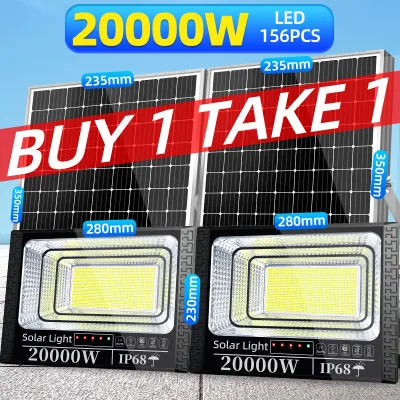
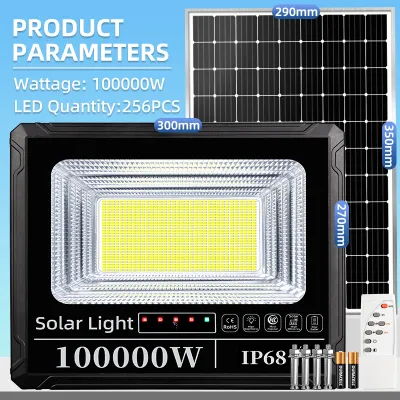
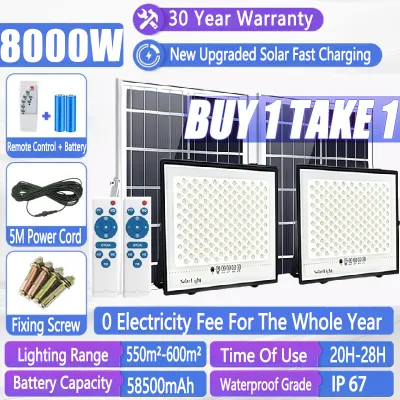
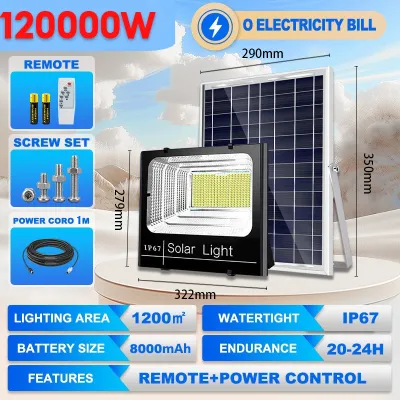
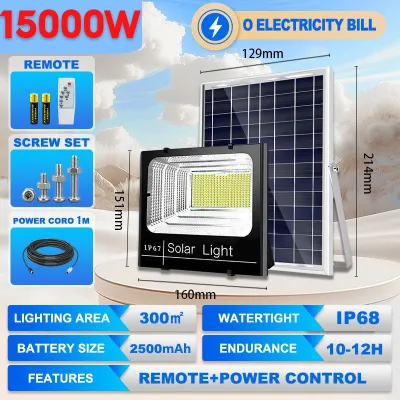
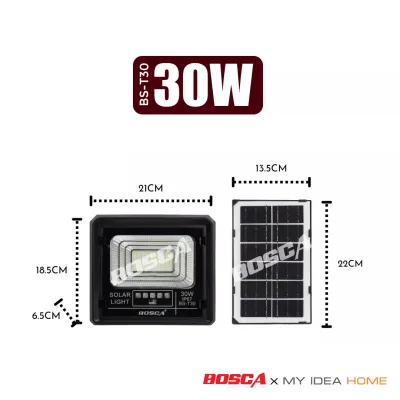
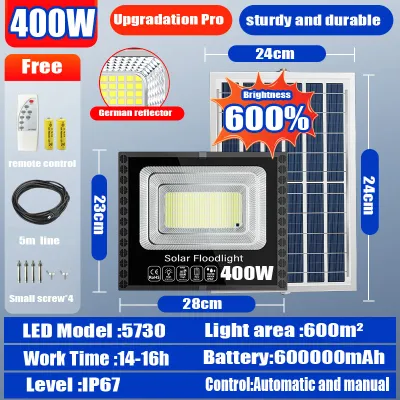
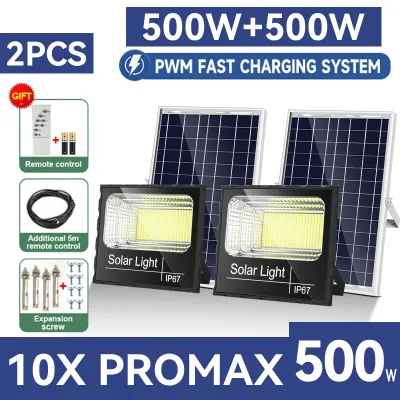
Prices are valid at publication and may change. Please refer to the product page for the latest price.
By choosing a solar light with panel, you decouple the energy collection process from the light emission. You can mount the solar panel high on an unshaded roofline, a gutter edge, or an exterior wall that receives uninterrupted sunlight throughout the day. Meanwhile, the thin connection cable allows you to route the light fixture deep into covered walkways, dark carports, or under covered patios where light is critically needed. This design ensures that your light fixtures receive a full charge every day, regardless of how deeply shaded their physical location is.
Tropical landscaping also presents a significant challenge for integrated solar fixtures. Philippine gardens are often filled with lush, fast-growing foliage, including palms, banana plants, and dense ornamental shrubs that cast heavy shadows over garden beds. Placing an integrated spotlight in these areas is highly inefficient. With a split-panel system, you can position the spotlight deep within the garden bed to highlight your landscaping, while routing the cable to a nearby sunny fence post or wall where the solar panel can harvest maximum solar energy.
Furthermore, separate-panel solar lights offer unmatched ease of maintenance. In a tropical climate, solar panels quickly accumulate dust during the dry season and organic debris during the wet season, both of which degrade charging efficiency. If you use integrated lights mounted high on a wall or gutter, cleaning them requires climbing a tall ladder, which poses safety risks. With a split-panel system, you can mount the solar panel at a lower, more accessible height for easy, routine cleaning, while the light fixture remains positioned high above to cast a wide safety beam.
Critical Specifications for Tropical Weather and Heavy Rain
To ensure your solar light with panel survives the demanding Philippine climate, you must look beyond aesthetic designs and carefully evaluate technical specifications. The combination of high humidity, extreme summer heat, and intense monsoon rains can quickly destroy poorly constructed outdoor electronics. Prioritizing robust build quality and suitable electrical specifications will save you from frequent, costly replacements.

Weather and Water Resistance
Your first line of defense against the elements is the Ingress Protection (IP) rating. This two-digit code indicates how well the fixture’s housing seals out solid objects and liquids. The first digit measures dust protection (ranging from 0 to 6), while the second measures water resistance (ranging from 0 to 9). For outdoor solar lights in the Philippines, never settle for anything less than an IP65 rating, which guarantees the fixture is completely dust-tight and protected against water jets from any angle. For highly exposed areas like open driveways, perimeter gates, or garden beds prone to localized flooding, look for an IP67 rating, which ensures the light can withstand temporary submersion in water during heavy downpours.
Battery Chemistry and Heat Tolerance
Ambient temperatures in the Philippines remain high year-round, often exceeding 35 degrees Celsius during the dry season. High ambient heat is the primary enemy of rechargeable batteries, accelerating their internal chemical degradation and shortening their lifespan. When shopping for solar lights, check the battery chemistry listed on the product label. Avoid standard, low-cost Lithium-ion (Li-ion) batteries if possible, as they degrade quickly under sustained heat and carry a higher risk of swelling or thermal runaway. Instead, look for fixtures powered by Lithium Iron Phosphate (LiFePO4) batteries. LiFePO4 batteries offer exceptional thermal stability, can safely operate at higher temperatures, and boast a significantly longer lifespan—often lasting over 2,000 charge-discharge cycles compared to the 300 to 500 cycles of standard Li-ion batteries.
Solar Panel Efficiency
Solar panels are generally categorized into monocrystalline and polycrystalline types. Monocrystalline panels are made from a single, high-purity silicon crystal structure, giving them a uniform dark appearance. They are highly efficient, typically converting 15% to 22% of sunlight into usable electricity, and they perform exceptionally well in low-light or overcast conditions. This makes monocrystalline panels the superior choice for the Philippine wet season, when heavy cloud cover can persist for days. Polycrystalline panels, recognizable by their speckled blue appearance, are cheaper to manufacture but less efficient (typically 13% to 16%). They require a larger surface area to generate the same amount of power and struggle to charge effectively on cloudy days.
Brightness and Color Temperature
Brightness is measured in lumens, which indicates the total amount of visible light emitted by the fixture. Do not rely on wattage ratings, as LED efficiency varies widely across brands. For decorative garden accents or pathway markers, a brightness of 100 to 300 lumens is ideal. For active security lighting along driveways and gates, look for high-output fixtures that deliver 1,000 to 3,000 lumens. Color temperature, measured in Kelvin (K), is a conditional preference that dictates the visual atmosphere. Warm white light (2700K to 3000K) creates a soft, relaxing, and inviting ambiance suitable for patios, balconies, and garden pathways. Cool white light (5000K to 6500K) provides high-contrast, clinical visibility that is highly effective for security zones, helping you spot potential hazards or intruders clearly.
Best Split-Panel Light Types for Different Outdoor Zones
Different areas of your home require distinct lighting characteristics. By matching the right type of separate-panel solar light to each outdoor zone, you can maximize energy efficiency, enhance home security, and create a beautiful nighttime landscape.
Security Floodlights for Gates and Driveways
Perimeter gates, driveways, and dark side alleys require high-intensity illumination that deters intruders and provides clear visibility when you arrive home at night. High-output security floodlights are the ideal choice for these zones. These fixtures should feature integrated Passive Infrared (PIR) motion sensors, which detect changes in infrared radiation emitted by warm, moving bodies like humans or vehicles. When motion is detected, the light instantly switches from a low-power standby mode to full brightness, conserving battery power when the area is vacant.
When installing security floodlights, check the length of the included connection cable. Most quality models provide 3 to 5 meters of heavy-duty, weather-resistant wire. This length allows you to mount the heavy floodlight fixture high on a wall or gatepost to cast a wide beam, while routing the solar panel to the highest point of your roof or an unshaded wall to capture maximum daily sunlight.
Additionally, verify the sensor’s detection angle and range on the product label. A standard detection angle of 120 to 180 degrees with a range of up to 10 meters is usually sufficient for residential gates. Be sure to adjust the sensor head carefully during installation. If the sensor is angled too high, it may be falsely triggered by passing street traffic or swaying tree branches, which will drain the battery prematurely and reduce the light’s availability during critical late-night hours.
Landscape Spotlights for Gardens and Pathways
Landscape spotlights are designed to add depth and drama to your garden by highlighting architectural features, stone walls, or ornamental trees. Because these areas are often heavily shaded by dense tropical plants, integrated solar spotlights rarely function effectively. A solar light with panel designed specifically for landscaping allows you to place the spotlight deep within a shaded garden bed while mounting its dedicated solar panel on a sunny fence, wall, or trellis several meters away.
Look for landscape spotlights that offer versatile mounting options. High-quality kits include both sharp ground stakes for easy insertion into soft soil or mulch, and sturdy surface-mounting screws for securing the fixture to concrete pathways, wooden decks, or brick walls. When installing the spotlight, route the low-voltage cable discreetly along the ground. You can hide the wire beneath a thin layer of garden mulch, soil, or decorative stones to protect it from lawnmowers, garden shears, and curious pets, while preventing tripping hazards.
For the best visual effect, avoid using overly bright floodlights in your garden beds. Instead, choose lower-lumen spotlights (100 to 250 lumens) with a warm white color temperature. This warmer hue highlights the natural textures of green foliage, tree bark, and stone pathways without creating harsh, blinding glare that can disrupt the peaceful evening atmosphere of your outdoor living spaces.
Decorative Wall Lanterns for Covered Porches
Covered porches, carports, and balconies are semi-enclosed spaces where family members gather in the evening. These areas require decorative lighting that complements your home’s exterior architecture while providing functional illumination. Traditional solar lanterns cannot be used in these spaces because the porch ceiling completely blocks the sun. A split-panel decorative wall lantern solves this problem, allowing you to enjoy classic styling under a covered roof while harvesting solar energy from the outside.
Installing a decorative lantern under a covered porch requires careful cable management. You will need to route the thin connection cable from the lantern, along the porch ceiling or rafters, and out to the exterior roof or wall where the solar panel is mounted. Use UV-resistant, outdoor-rated cable clips to keep the wire flush against the structure, preventing it from sagging or swaying in the wind. If you must drill a hole through an exterior wall to route the cable, always apply a high-quality, weatherproof silicone sealant around the entry point to prevent rainwater from seeping into your home’s walls.
Even though these lanterns are installed under a protective roof, they are still exposed to high ambient humidity, wind-blown rain, and coastal salt air. Therefore, do not use indoor-rated fixtures. Always verify that the decorative lantern has a minimum rating of IP44 or higher to ensure the internal electrical components are protected against moisture buildup, corrosion, and premature failure.
How to Position and Install for Maximum Sun Exposure
Proper installation is key to maximizing the performance and lifespan of your solar light with panel. Even the highest-quality solar fixture will underperform if its solar panel is poorly positioned or if the installation compromises safety and structural integrity.
Panel Orientation and Tilt
To harvest the maximum amount of solar energy, the solar panel must receive direct, unshaded sunlight for at least 6 to 8 hours daily. Because the Philippines is located in the Northern Hemisphere, close to the equator (between latitudes 5°N and 20°N), solar panels should generally face South to capture the sun’s path throughout the year.
A tilt angle of approximately 10 to 15 degrees is highly recommended. This slight angle maximizes solar absorption while ensuring that heavy monsoon rains can naturally wash away accumulated dust, pollen, and bird droppings. Avoid mounting the panel completely flat, as water will pool on the glass surface, leaving behind dirty water spots that block sunlight when dry. Ensure the panel is positioned away from the shadow paths of nearby buildings, utility poles, or fast-growing trees that could block the sun during peak afternoon hours.
Cable Management and Weatherproofing
Properly securing the low-voltage cable connecting the solar panel to the light fixture is critical for long-term safety and performance. Loose, dangling cables are highly vulnerable to damage. They can sway violently during tropical storms, causing physical wear on the connection ports, or they can be chewed by rodents and domestic pets.
Always use UV-stabilized, outdoor-rated cable clips or plastic conduit to secure the wire tightly along walls, gutters, or rafters. When routing the cable, avoid making sharp 90-degree bends, which can pinch and damage the internal copper wires over time. Most importantly, create a small “drip loop” in the cable just before it enters the light fixture or passes through an exterior wall. A drip loop is a simple downward curve in the wire that forces rainwater to pool and drip off the bottom of the loop, preventing water from traveling along the cable and directly entering the sensitive connection ports or your home’s interior.
Safety and Professional Boundaries
Installing outdoor lighting often involves working at heights, drilling into concrete masonry, or mounting heavy fixtures. Before beginning any installation, identify and isolate any nearby electrical power lines to avoid accidental contact. Always follow the manufacturer’s installation instructions carefully, paying close attention to weight limits and the load-bearing capacities of the included mounting brackets.
If your installation involves fixed electrical wiring, mounting exceptionally heavy fixtures high on exterior walls, or routing cables through complex structural elements, do not attempt to do it yourself. Consult a qualified professional or licensed electrician to handle the installation safely. Working within these professional boundaries ensures your home remains structurally sound, prevents electrical hazards, and preserves your product’s warranty.
Routine Maintenance for Humid and Dusty Environments
Outdoor solar lights in the Philippines operate in a demanding environment characterized by high humidity, salt-laden air in coastal areas, and heavy dust during the dry season. Implementing a simple, routine maintenance schedule will preserve your system’s charging efficiency and extend its overall lifespan.
Panel Cleaning
Dust, pollen, bird droppings, and industrial soot can accumulate quickly on the glass surface of your solar panel, creating a barrier that blocks sunlight. During the dry season (amihan), this buildup can reduce your panel’s charging efficiency by 20% or more, leading to shorter runtimes at night.
To clean the solar panel, gently wipe the glass surface with a soft, damp microfiber cloth and clean water. If the panel is particularly dirty, you can use a mild, highly diluted dish soap, but avoid using abrasive scrubbing pads, steel wool, or harsh chemical detergents, as these can scratch the glass or degrade the protective weather seals. Never clean the panel with a high-pressure washer, as the intense water pressure can break the waterproof seals and destroy the internal solar cells. Perform this cleaning step at least once a month, preferably in the early morning or late afternoon when the panel is cool to the touch.
Connection and Housing Checks
The combination of high humidity and frequent rainfall can accelerate corrosion at the electrical connection points between the solar panel and the light fixture. Every three to four months, inspect the cable connectors to ensure they remain tightly joined.
If your light model features threaded waterproof collars, verify that they are screwed on securely. Look for any signs of green copper corrosion or rust inside the plugs. If corrosion is present, disconnect the cable, gently clean the terminals with a dry cotton swab or contact cleaner, and reassemble the connection. Additionally, inspect the light fixture’s housing for any physical cracks, loose screws, or moisture buildup behind the lens. If you notice internal condensation, turn off the fixture, disconnect the solar panel, and allow the light to dry completely in a shaded, well-ventilated area before resealing and reassembling it.
Battery and Storage Guidance
Rechargeable batteries are consumable components that naturally degrade over time. If you notice that your solar light’s runtime has decreased significantly—such as lasting only one or two hours instead of the specified eight to twelve hours—the internal battery likely needs replacement.
Always consult the manufacturer’s manual to verify if the battery is user-replaceable. If it is, open the battery compartment carefully, replace the old cell with a new one of the exact same chemistry (preferably LiFePO4), voltage, and capacity, and ensure the rubber sealing gasket is perfectly aligned before screwing the cover back on. Dispose of the old battery safely at a designated electronic waste recycling center.
If you plan to leave your property unoccupied for an extended period, or if PAGASA issues an extreme typhoon warning, it is highly recommended to temporarily uninstall the lights and panels. Store them indoors in a cool, dry place to protect them from flying debris, severe water damage, and theft.
Frequently Asked Questions (FAQ)
How long do separate panel solar lights last in humid climates?
The overall lifespan of a solar light with panel depends on its build quality and materials. High-quality LED chips and monocrystalline solar panels can easily last 5 to 10 years with proper care. However, the rechargeable battery is a consumable component that will require replacement first. Standard lithium-ion batteries typically last 1 to 2 years under high tropical heat, whereas superior Lithium Iron Phosphate (LiFePO4) batteries can perform reliably for 3 to 5 years before their capacity begins to degrade significantly.
Can I extend the cable between the solar panel and the light?
You should always consult the manufacturer’s manual before attempting to extend the connection cable. Adding extra wire increases electrical resistance, which causes a voltage drop. This voltage drop reduces charging efficiency, meaning your battery may never reach a full charge, or the light may operate at a lower brightness. If the manufacturer does not offer an official, compatible extension cable, avoid cutting and splicing the wires yourself, as non-weatherproof connections can introduce moisture, cause short circuits, and void your warranty.
Do solar lights with separate panels work during the rainy season?
Yes, they do work, but their performance will be reduced. Modern monocrystalline solar panels are highly sensitive and can capture diffuse sunlight on overcast or rainy days, allowing them to charge the battery even without direct sun. However, prolonged heavy rain and thick cloud cover during the monsoon season will limit the amount of energy stored. To ensure reliable performance, look for models with large battery capacities and adjustable power-saving or motion-sensing modes, which allow the fixture to conserve energy and operate longer at a lower, more efficient brightness level.
Community discussion
Share your experience or ask a question. Comments are reviewed before publication.