
The best solar outdoor wall lights for Filipino homes are those engineered to withstand extreme tropical weather—such as intense UV exposure and heavy monsoon rains—while offering high-efficiency monocrystalline solar panels, reliable lithium-ion or LiFePO4 batteries, and smart motion sensors. In a country with some of the highest electricity rates in Asia and frequent seasonal power interruptions, transitioning to solar-powered exterior lighting is a practical, cost-effective, and resilient choice for modern homeowners. By selecting fixtures designed for high-humidity environments, you can secure your perimeter, illuminate dark walkways, and enhance your home’s curb appeal without adding a single peso to your monthly utility bill.
Why Solar Wall Lights Are Ideal for Philippine Homes
Operating outdoor lighting throughout the night can significantly inflate residential electricity bills. In the Philippines, where utility rates fluctuate frequently, solar-powered wall lights offer a reliable way to illuminate large perimeters, gates, and fences for zero ongoing energy costs. Once installed, these fixtures harness abundant tropical sunlight during the day to power themselves through the night, providing a self-sustaining security barrier.
Traditional wired outdoor lighting often requires extensive masonry work, running electrical conduits through concrete walls, and hiring a licensed electrician. Solar wall lights bypass these complex installation hurdles entirely. This makes them highly practical for older concrete homes, rented townhouses, or quick weekend exterior upgrades where drilling extensive wiring paths is impractical or prohibited.
Products mentioned in this guide
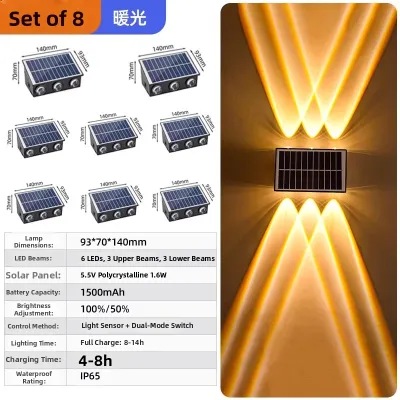
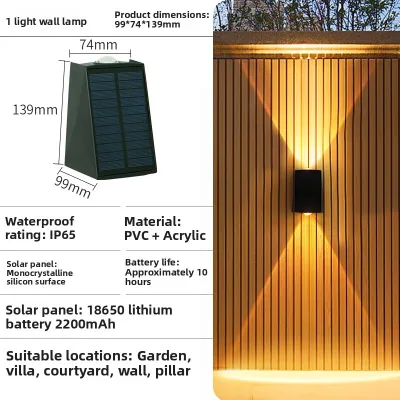
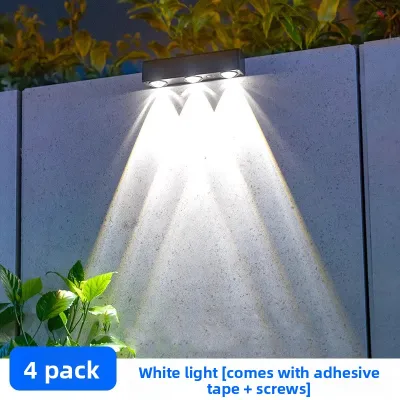
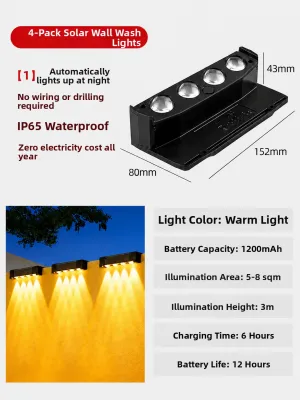
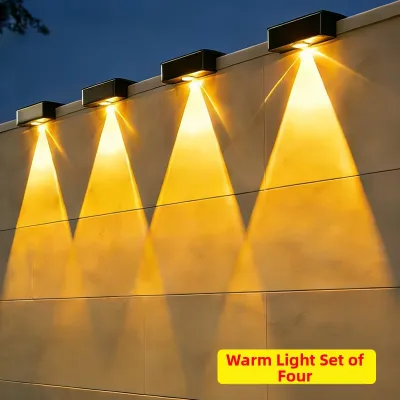
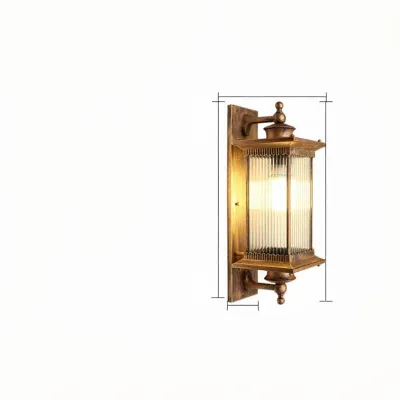
Prices are valid at publication and may change. Please refer to the product page for the latest price.
Furthermore, the Philippines regularly experiences severe weather events, typhoons, and localized power grid fluctuations. When a storm knocks out the main power lines, standard grid-tied outdoor lights fail, leaving properties in complete darkness. Solar wall lights operate entirely independent of the grid, ensuring that your home’s exterior remains well-lit and secure during critical emergency situations and prolonged blackouts.
Key Features to Look for in Tropical Climates
The tropical climate of the Philippines presents a challenging environment for outdoor electronic fixtures. High relative humidity, intense year-round ultraviolet (UV) radiation, and torrential seasonal downpours will quickly degrade low-quality materials. Before purchasing any solar fixture, it is essential to verify specific manufacturer specifications, material compositions, and build quality to ensure long-term performance.

Weather Resistance and Material Durability
When evaluating outdoor wall lights, the Ingress Protection (IP) rating is the most reliable indicator of water and dust resistance. For general outdoor exposure, look for a minimum rating of IP65, which certifies that the fixture is protected against dust ingress and low-pressure water jets from any direction. In coastal regions or areas prone to severe wind-driven rain, upgrading to IP67-rated fixtures provides superior protection against moisture penetration.
Material composition directly dictates how well a light survives the elements. High-grade ABS plastic is common and cost-effective, but you must verify that the manufacturer explicitly states the material is UV-stabilized or UV-resistant to prevent yellowing, cracking, and brittleness under intense sun exposure. For premium durability, anodized aluminum or marine-grade stainless steel housings are highly recommended, provided they feature rust-resistant powder coatings to withstand humid air.
Solar Panel Efficiency and Battery Capacity
Solar panel technology determines how quickly and efficiently a fixture can recharge its battery. Monocrystalline solar panels are highly recommended for tropical climates because they offer superior energy conversion rates, especially in limited space or during partially cloudy monsoon days. Polycrystalline panels are generally less expensive but require a larger surface area to produce the same amount of power, making them less efficient during consecutive overcast days.
Battery capacity, measured in milliampere-hours (mAh), must be matched appropriately to the fixture’s power consumption. Modern solar lights utilize lithium-ion or lithium iron phosphate (LiFePO4) batteries, which are vastly superior to older nickel-metal hydride (NiMH) types. LiFePO4 batteries offer exceptional thermal stability, allowing them to handle intense tropical heat without rapid degradation, and they boast a significantly longer lifecycle.
Always compare the manufacturer’s stated charging time against the expected runtime. A reliable fixture should require no more than 6 to 8 hours of direct sunlight to achieve a full charge, which in turn should power the light for at least 8 to 12 hours of continuous or sensor-activated operation throughout the night.
Brightness, Sensors, and Lighting Modes
Light output is measured in lumens, not watts, and your choice should depend on the fixture’s intended purpose. For ambient patio lighting or decorative accents, a range of 50 to 150 lumens is typically sufficient. For security lighting near gates, driveways, or dark side yards, prioritize high-output fixtures delivering 300 to 1,000 lumens to ensure clear visibility.
Passive Infrared (PIR) motion sensors are vital for conserving battery life while maintaining security. These sensors detect changes in infrared radiation (such as heat signatures from moving people or vehicles) within a specific range and angle. When selecting a security light, ensure the sensor’s detection zone (typically 120 to 180 degrees, spanning 3 to 8 meters) aligns with the width of your driveway or walkway.
Most modern solar wall lights feature multiple operating modes to help balance energy conservation and illumination needs:
- Sensor Mode: The light remains completely off until motion is detected, triggering full brightness for 15 to 30 seconds.
- Dim-to-Bright Mode: The fixture emits a low, continuous glow (ambient lighting) and switches to maximum brightness when motion is sensed.
- Continuous Mode: The light stays on at a constant, medium brightness from dusk to dawn, bypassing the motion sensor entirely.
Recommended Solar Wall Light Configurations by Exterior Area
Different zones of your home’s exterior serve distinct purposes, meaning a single type of solar light will not suit every area. Tailoring your fixture configurations to specific zones balances security, aesthetic appeal, and energy efficiency.
Security and Gate Lighting
Main entrance gates, driveways, and perimeter walls require high-performance lighting to deter intruders and provide safe passage. For these areas, prioritize high-lumen outputs (600+ lumens) combined with wide-angle PIR motion sensors. Because these fixtures must operate reliably for security, choose models with robust mounting brackets and tamper-resistant installation hardware.
If your main gate or driveway is shaded by large trees, roof eaves, or neighboring structures, standard integrated solar lights may not receive enough sunlight to charge. In these scenarios, select split-type solar wall lights. These fixtures feature a separate solar panel connected to the light body by a long, weather-resistant cable, allowing you to mount the panel on a sun-exposed roof or high wall while placing the actual light fixture in the shaded entryway.
Pathway and Garden Accent Lighting
Walkways, garden beds, and side yards require soft, low-glare illumination to facilitate safe navigation without causing light pollution. For these areas, lower-lumen configurations (50 to 150 lumens) are ideal. Opting for a warm-white color temperature (around 2700K to 3000K) creates a welcoming, visually comfortable path compared to harsh, cool-white light.
Decorative designs, such as classic lantern styles or sleek, modern geometric shapes, can complement your home’s architectural theme. When planning the layout, space the fixtures evenly along the path—typically 2 to 3 meters apart—to prevent dark patches. Ensure that nearby ornamental plants or growing foliage will not cast shadows over the integrated solar panels as the seasons change.
Balcony and Patio Ambiance
Balconies, verandas, and patios are active outdoor living spaces used for relaxation and entertaining. For these zones, look for solar wall lights that offer adjustable color temperatures, allowing you to switch between warm white for cozy evenings and cool daylight for task-oriented activities. Fixtures equipped with manual on/off switches or remote controls are highly beneficial, as they allow you to turn the lights off when the space is not in use, preserving battery power.
To maintain a comfortable atmosphere, select fixtures that feature downward-facing light distribution or integrated diffusers. This design minimizes direct glare at eye level and prevents light from spilling over into neighboring properties, which is particularly important in dense residential subdivisions or townhouse developments.
How to Evaluate Listings on E-Commerce Platforms
When shopping for solar outdoor wall lights on online marketplaces, navigating exaggerated claims and misleading product descriptions requires a methodical approach. Many budget listings feature inflated titles boasting unrealistic wattages or lumen counts that do not align with the physical limitations of the product.
First, look past the promotional titles and locate the actual technical specification sheet, often found in the product description or secondary images. Verify the physical dimensions of the unit, the exact battery capacity (expressed in mAh), the solar panel type (monocrystalline vs. polycrystalline), and the certified IP rating. If a listing claims 10,000 lumens of brightness but features a tiny, lightweight plastic body with a 1,200 mAh battery, the specifications are highly likely to be exaggerated.
Second, analyze customer reviews with a critical eye. Filter the feedback to view reviews that contain real-world photos or videos, and prioritize comments written after several weeks or months of continuous use. Initial unboxing reviews rarely provide accurate insight into long-term durability. Look for specific mentions of how the light performs after a heavy downpour, whether the plastic casing degraded or yellowed under the sun, and how many hours of illumination the battery actually provides after a typical sunny day.
Third, verify the electrical safety and quality certifications of the product. Look for recognized standards such as CE, RoHS, or FCC markings on the product label or documentation, which indicate that the electronic components meet basic safety and environmental guidelines. Additionally, check the seller’s profile, return policies, and warranty terms before completing your purchase. Reputable sellers often provide a 6-month to 1-year warranty on solar components and offer replacement parts, such as compatible rechargeable batteries or separate panels, which can significantly extend the overall service life of your investment.
Installation and Maintenance Tips for Longevity
Proper installation and regular maintenance are critical to maximizing the lifespan and performance of solar outdoor wall lights in a tropical environment. Following systematic steps ensures the fixtures remain secure and charge efficiently.
Optimal Placement and Mounting
- Sun Exposure: Mount the solar panel in a location that receives at least 6 hours of direct, unobstructed sunlight daily. In the Philippines, positioning panels to face south or toward the equator maximizes solar energy capture throughout the year.
- Avoid Shadows: Ensure the panel is not shaded by roof eaves, gutters, overhanging tree branches, or utility poles, particularly during peak sunlight hours (10:00 AM to 3:00 PM).
- Mounting Height: For motion-sensor security lights, mount the fixture at a height of 2.0 to 2.5 meters to ensure the PIR sensor achieves its optimal detection range and angle.
Safe Installation Steps
- Check the Surface: Identify the wall material. Standard concrete, hollow blocks, brick, and wood require different mounting hardware.
- Pre-Drill Holes: Use a masonry drill bit of the correct size to drill pilot holes into concrete or hollow block walls. Insert high-quality plastic wall anchors (plugs) into the holes, ensuring they fit tightly and sit flush with the wall surface.
- Secure the Fixture: Align the mounting bracket or the light's integrated mounting holes with the anchors. Secure the unit firmly using rust-resistant stainless steel screws to prevent the fixture from vibrating or loosening during strong winds.
- Seal the Backing: For installations on uneven concrete surfaces, apply a thin bead of outdoor-rated silicone sealant around the top and sides of the fixture's backplate where it meets the wall. Leave the bottom unsealed to allow any condensation or trapped moisture to drain out.
Routine Maintenance Schedule
- Clean the Solar Panel: Wipe the solar panel every two to three months with a soft, damp microfiber cloth to remove accumulated dust, pollen, bird droppings, and salt residue. Do not use abrasive sponges, steel wool, or harsh chemical cleaners, as scratching or clouding the protective cover permanently reduces charging efficiency.
- Inspect for Moisture: Periodically check the light casing for signs of internal water condensation, insect nesting, or corrosion on the battery contacts. If moisture is present, turn off the unit, open the battery compartment (if accessible), dry it thoroughly, and check that the rubber waterproof gasket is seated correctly.
- Check Mounting Hardware: Tighten any loose screws or brackets before the onset of the typhoon season to prevent wind damage.
Safety Boundaries Always turn off the solar light before performing any cleaning, battery replacement, or maintenance. Never spray the fixture directly with a high-pressure garden hose or pressure washer, as the force can bypass rubber seals and damage internal circuitry. If your installation requires working at heights, mounting panels on high rooftops, or drilling into structural concrete near hidden electrical conduits, prioritize personal safety and consult a qualified professional.
Frequently Asked Questions (FAQ)
Here is a quick reference guide addressing common operational concerns and environmental questions about using solar wall lights in the Philippines.
Do solar wall lights work during the Philippine rainy season?
Yes, solar panels can still generate power on cloudy or rainy days by absorbing indirect sunlight, though their charging efficiency drops significantly—often to 10% to 25% of their full capacity. To ensure reliable performance during the monsoon season, select fixtures with larger battery capacities and highly efficient monocrystalline panels. Some homeowners also opt for models with adjustable lighting modes, setting them to motion-activated only to conserve energy when consecutive rainy days limit charging times.
Can I replace the battery in a solar outdoor wall light?
Whether you can replace the battery depends entirely on the design of the fixture. Many budget-friendly solar lights feature sealed, non-replaceable batteries, meaning the entire unit must be recycled once the battery degrades. However, mid-range and premium models often use standard rechargeable battery sizes (such as 18650 or 32650 lithium cells) housed in an accessible, sealed compartment. When replacing these batteries, always consult the manufacturer’s instructions to verify the exact voltage and capacity requirements, and take extra care to reseat the rubber waterproof gasket perfectly to maintain the IP rating.
How high should I mount a solar wall light for optimal performance?
The ideal mounting height depends on the light’s intended function. For security lights equipped with motion sensors, a mounting height of 2.0 to 2.5 meters (approximately 6.5 to 8 feet) is recommended to maximize the sensor’s detection range and provide wide, overhead illumination. For decorative, ambient, or pathway wall lights, a lower mounting height of 1.5 to 1.8 meters (about 5 to 6 feet) works best, as it focuses the light downward, minimizes glare at eye level, and creates a warmer, more inviting atmosphere.
Community discussion
Share your experience or ask a question. Comments are reviewed before publication.