
The parol is the ultimate symbol of hope, warmth, and festive cheer in the Philippines. As homes across the country prepare for the long holiday season starting in the “Ber” months, transitioning to solar-powered decorations has become a highly practical choice. Selecting a high-quality solar lantern parol outdoor setup requires balancing traditional aesthetics with modern technical specifications designed to survive the elements.
By utilizing solar energy, Filipino homeowners can illuminate their gates, gardens, and facades without increasing their monthly electricity bills. However, because outdoor solar parols are exposed to unpredictable weather, choosing a model built for durability is essential. Understanding what makes a solar parol truly outdoor-ready ensures your festive display remains bright, safe, and beautiful throughout the holidays.
Defining Outdoor Readiness for Solar Parols
The Philippine outdoor environment presents unique challenges that can quickly degrade standard decorative lighting. Throughout the year, outdoor decorations must endure intense tropical heat, high humidity, salt-laden coastal air, and torrential rains brought by the monsoon season (Habagat). These severe conditions demand a level of structural engineering far beyond what is required for indoor ornaments.
Products mentioned in this guide
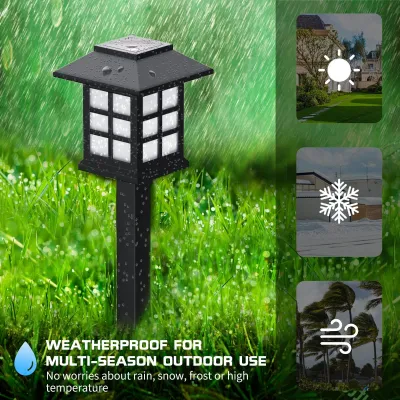
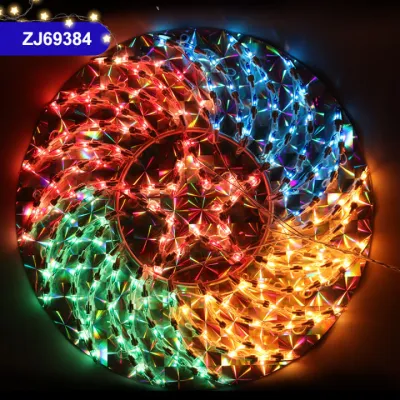
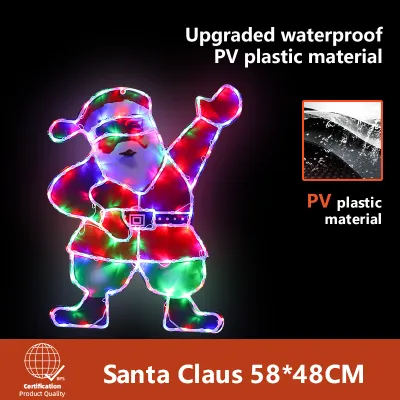
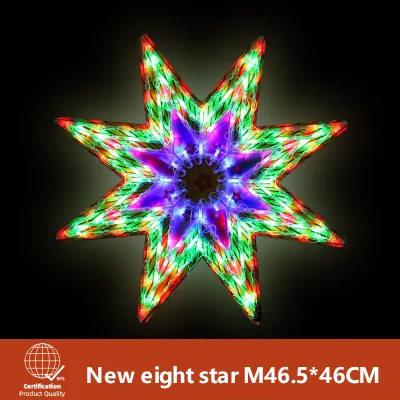

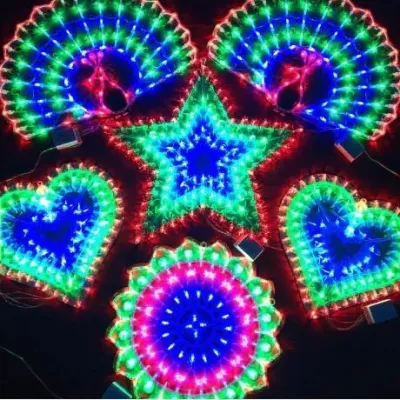
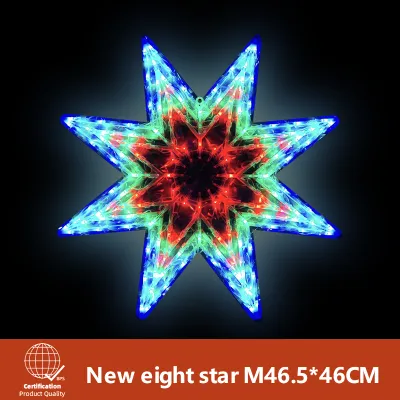
Prices are valid at publication and may change. Please refer to the product page for the latest price.
Traditional indoor parols are often constructed from delicate paper (papel de hapon), thin bamboo strips, or untreated wood, held together by standard water-soluble craft glue. When exposed to rain or high humidity, these materials quickly disintegrate, warp, or develop mold. Furthermore, exposed electrical wiring and unsealed bulb sockets in traditional designs pose immediate short-circuit and fire hazards when wet.
To survive outdoors, a solar parol must feature a robust triad of outdoor readiness: structural weatherproofing, material resilience, and solar charging efficiency. Structural weatherproofing ensures that all electrical components, including wire connections and battery compartments, are completely sealed against moisture. Material resilience guarantees that the frame and decorative cover can withstand constant ultraviolet (UV) exposure without cracking or fading. Finally, reliable solar charging efficiency ensures the system can harvest and store enough energy even on overcast, rainy days.
Key Specifications for a Solar Lantern Parol Outdoor Setup
Before purchasing a solar parol from an online marketplace or local specialty retailer, it is crucial to verify its technical specifications. Do not rely solely on product titles or generic marketing claims of being “waterproof.” Checking the specific ratings and materials on the product packaging or manufacturer datasheet is the best way to ensure safety and longevity.

Water and Dust Resistance
The Ingress Protection (IP) rating is the standard measurement for how well an electrical enclosure protects against solids and liquids. An IP rating consists of two digits: the first represents protection against solid particles like dust, and the second represents protection against liquids. For outdoor lighting in the Philippines, understanding these ratings is critical to preventing premature product failure.
For semi-protected outdoor areas, such as covered verandas, deep porches, or gazebos, a minimum rating of IP44 is acceptable. This rating indicates protection against solid objects larger than 1 millimeter and splashes of water from any direction. However, for fully exposed installations on gate posts, garden trees, or rooflines, you should look for a rating of IP65 or higher. An IP65 rating ensures the parol is completely dust-tight and can withstand low-pressure water jets, making it resilient against heavy tropical downpours.
Solar Panel and Battery Types
The efficiency of a solar parol depends heavily on the type of solar panel integrated into the system. Monocrystalline solar panels are highly recommended for the Philippine climate because they offer the highest energy conversion efficiency, typically between 15% and 22%. They perform significantly better under overcast skies or during the rainy season compared to cheaper polycrystalline panels, which generally have lower efficiency ratings.
Battery chemistry is another critical factor that determines how long the parol will stay illuminated and how many seasons it will last. Lithium Iron Phosphate (LiFePO4) batteries are superior to standard Lithium-ion (Li-ion) or Nickel-Metal Hydride (Ni-MH) batteries for outdoor use. LiFePO4 batteries offer excellent thermal stability, which is vital under the intense Philippine sun where ambient temperatures can cause battery swelling or degradation. They also boast a longer lifecycle, often lasting up to 2,000 charge cycles before performance begins to decline.
Material Resilience
The structural frame of an outdoor parol must be constructed from materials that resist rust, corrosion, and UV degradation. Powder-coated steel, aluminum, and heavy-duty, UV-stabilized plastics are excellent choices for frame construction. Untreated iron frames will rust rapidly when exposed to humidity and rain, leading to structural failure and unsightly orange stains on your walls or gates.
For the outer shade or cover, look for materials treated with UV inhibitors to prevent yellowing, cracking, or color fading under continuous sunlight. Synthetic resins, polycarbonate, and heavy-duty outdoor fabrics are highly durable options. If you prefer natural materials, ensure they have been treated with marine-grade varnishes or water-repellent sealants to prevent moisture absorption and fungal growth.
Lighting Modes, Output, and Certification
Lighting output is measured in lumens, which indicates the visible brightness of the lantern. For decorative outdoor parols, a brightness level of 50 to 150 lumens is usually sufficient to create a vibrant visual impact without causing harsh glare. Many modern solar parols offer adjustable lighting modes, allowing you to choose between steady warm white, cool white, or multi-color flashing patterns. Note that flashing modes consume less continuous battery power than steady-on modes, which can help extend the runtime on cloudy days.
Always verify that any solar parol with a hybrid charging option (such as an auxiliary AC plug-in) carries proper electrical safety certifications. In the Philippines, look for the Philippine Standard (PS) quality mark or the Import Commodity Clearance (ICC) sticker on the product packaging. These certifications prove that the electrical components have undergone rigorous testing to meet local safety standards, reducing the risk of electrical hazards.
Choosing the Right Parol Design for Your Space
Matching the design of your solar parol with your outdoor space involves evaluating both aesthetic appeal and physical durability. Different materials perform better in specific installation environments, making it important to choose a design suited to your home’s layout.
Capiz Shell and Faux-Capiz Styles
Traditional Capiz shell parols are celebrated for their elegant, pearlescent glow and deep cultural heritage. Natural Capiz shells diffuse light beautifully, creating a soft, warm ambiance that is highly sought after during the holiday season. However, natural Capiz is inherently fragile and can easily crack or shatter when subjected to strong winds or physical impacts.
For fully exposed outdoor areas, faux-capiz alternatives made from high-grade acrylic or UV-resistant resin are highly practical. These synthetic materials replicate the translucent texture and classic appearance of natural shells while offering exceptional impact resistance. Faux-capiz parols can withstand wind-blown debris and heavy rain, making them ideal for front gates, fences, and exposed exterior walls.
Synthetic Rattan and Wicker Weaves
Woven parols offer a rustic, tropical aesthetic that complements modern Filipino landscape designs and outdoor living spaces. While natural rattan, bamboo, and abaca are popular for indoor furniture, they are highly susceptible to moisture damage when used outdoors. High humidity and rain will cause natural fibers to rot, warp, and develop black mold over time.
To enjoy a woven look outdoors, choose parols made from polyethylene (PE) synthetic rattan. PE rattan is specifically engineered to resist water absorption, UV fading, and fungal growth. These lanterns are lightweight, highly durable, and ideal for semi-exposed outdoor spaces such as verandas, patios, and gazebos, where they add organic warmth without the risk of decay.
Collapsible Fabric and Metal Frame Parols
Collapsible parols are highly convenient for homeowners looking for seasonal decorations that are easy to assemble, dismantle, and store. These designs typically feature a flexible metal or fiberglass frame covered in a lightweight fabric. When the holiday season ends, the parol can be folded flat, saving valuable storage space in your home.
When choosing a fabric parol, ensure the material is made from water-repellent, tear-resistant synthetic fabrics such as treated nylon or high-density Oxford polyester. These fabrics allow rainwater to bead up and roll off rather than soaking into the material. Because fabric parols are lightweight, they can act like sails in high winds, so it is essential to ensure they have robust, reinforced tie-down points to secure them in place.
Placement and Installation for Maximum Sunlight
To ensure your solar parol operates efficiently and stays lit throughout the night, proper placement and secure installation are critical. Unlike indoor decorations, outdoor solar installations must balance aesthetic placement with optimal solar exposure and physical safety.
When positioning your solar parol, identify locations that receive unshaded sunlight for at least six to eight hours a day. In the Philippines, solar panels should ideally face south or southwest to capture the maximum amount of daily sunlight throughout the year. Avoid placing panels directly under deep roof eaves, dense tree canopies, or adjacent structures that cast long shadows during peak daylight hours.
For areas that do not receive direct sunlight, such as covered porches, entryways, or deeply shaded balconies, use a split-type solar parol. These systems separate the solar panel from the lantern body using a long, waterproof extension cable (typically 3 to 5 meters). This design allows you to hang the decorative parol in a shaded, highly visible area while mounting the solar panel high up on a roofline or fence post where it can receive direct, unobstructed sunlight.
Physical safety must be your top priority during installation, especially when working at heights or near structural elements. Always follow these safety guidelines:
- Verify Weight Limits: Ensure that mounting hooks, brackets, and supporting structures are rated to handle the weight of the parol, especially when wet or subjected to wind load.
- Use Secure Ties: Fasten the parol securely using outdoor-rated nylon cords, heavy-duty zip ties, or stainless steel chains to prevent it from swinging violently or falling during sudden wind gusts.
- Isolate Power: If your solar parol features a hybrid AC backup connection, always isolate the main power source before connecting or adjusting any wiring in damp environments.
- Avoid Power Lines: Never install parols, solar panels, or mounting hardware near overhead power lines, service drops, or electrical meters.
- Work Safely at Heights: When using ladders to mount decorations on rooflines or high eaves, ensure the ladder is placed on stable, level ground. Always have a spotter present, and consider hiring a qualified professional for high or complex installations.
Maintenance and Weatherproofing for Tropical Climates
Performing routine maintenance is the most effective way to extend the lifespan of your outdoor solar parol and protect your investment. The harsh tropical climate in the Philippines can accelerate wear and tear, making regular inspections necessary.
Clean the solar panel surface at least once a month using a soft, damp microfiber cloth and clean water. Dust, pollen, bird droppings, and salt residue (in coastal regions) can form a thin film over the panel, drastically reducing its ability to convert sunlight into electricity. Avoid using abrasive scrubbing pads, harsh chemical cleaners, or detergents, as these can scratch or degrade the protective coating on the panel.
Regularly conduct visual inspections of the entire parol assembly. Check the wire insulation for signs of cracking, fraying, or damage from pests like rodents or insects. Open the battery compartment periodically to check for signs of moisture ingress, rust, or corrosion on the metal contacts. If you notice minor corrosion, gently clean the contacts with a dry cotton swab and ensure the compartment cover’s rubber gasket is properly seated to maintain a watertight seal.
Develop a proactive protocol for severe weather events. When the Philippine Atmospheric, Geophysical and Astronomical Services Administration (PAGASA) issues a tropical cyclone wind signal or warns of extreme monsoon rains, proactively take down your outdoor solar parols. Store them in a dry, indoor space until the storm passes. Even highly rated IP65 parols can suffer severe physical damage from flying debris, falling branches, or extreme wind forces during a typhoon.
Frequently Asked Questions (FAQ)
Can I leave my solar parol outside during the heavy monsoon season?
Whether you can leave your solar parol outside during the monsoon season depends on its IP rating and material construction. Parols with a verified rating of IP65 or higher made from synthetic materials like PE rattan, resin, or powder-coated metals can withstand normal seasonal rains. However, during severe tropical storms, typhoons, or prolonged periods of torrential downpours, you should always bring the parol indoors. Extreme winds and flying debris can cause severe physical damage, and prolonged submersion or high-pressure water exposure can eventually compromise even high-quality waterproof seals.
Why is my solar parol not staying lit throughout the night?
If your solar parol is not staying lit, start by checking the solar panel for any shading from growing plants, nearby structures, or accumulated dirt. A dirty or shaded panel will not fully charge the battery during the day. Next, ensure that the ambient light sensor (usually located on the solar panel) is not being fooled by nearby artificial light sources, such as streetlights, security spotlights, or porch lights, which can prevent the parol from turning on automatically. Finally, if the parol is more than two years old, the rechargeable battery may have reached the end of its usable lifecycle and may need to be replaced with a new, manufacturer-approved battery of the same specification.
Community discussion
Share your experience or ask a question. Comments are reviewed before publication.