
Selecting the right solar pathway lights for your home garden in the Philippines requires balancing aesthetic appeal with the practical demands of a tropical climate. To find fixtures that will reliably illuminate your walkways night after night, you must look beyond basic designs and focus on technical specifications like water resistance, battery capacity, and solar panel efficiency. A well-chosen system enhances outdoor safety, highlights your landscaping, and withstands heavy monsoon rains without requiring expensive electrical wiring. By understanding how different materials, light outputs, and charging requirements interact with your specific garden layout, you can make an informed investment that keeps your outdoor spaces bright, safe, and inviting throughout the year.
What to Look for When Buying Solar Pathway Lights
When shopping for solar pathway lights, evaluating the technical specifications on the product label is crucial to ensuring long-term performance. Many buyers make the mistake of choosing fixtures based solely on visual design, only to find that the lights dim after a few hours or fail during the first heavy downpour. To avoid these common pitfalls, you should carefully assess several key components before making a purchase.
First, consider the light output, which is measured in lumens, and the color temperature, measured in Kelvin (K). Lumens indicate the brightness of the light; pathway lights typically range from a soft 5 lumens for accent lighting to over 100 lumens for security-focused illumination. Color temperature determines the appearance of the light, ranging from warm yellow-orange tones (around 2700K to 3000K) to cool blue-white tones (5000K to 6500K). It is important to treat these color temperatures as conditional aesthetic preferences rather than universal performance indicators, as different temperatures suit different functional needs and personal tastes.
Products mentioned in this guide
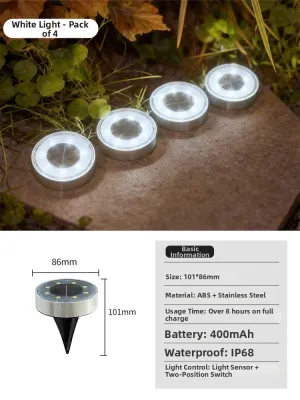
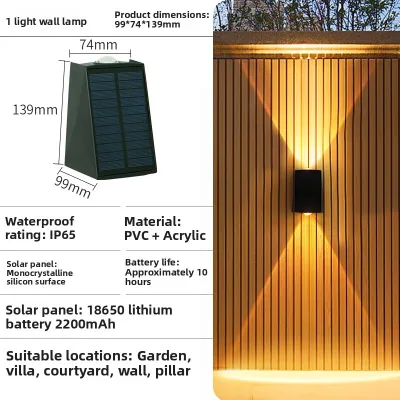
Prices are valid at publication and may change. Please refer to the product page for the latest price.
Second, verify the Ingress Protection (IP) rating, which is a standardized measure of a fixture’s resistance to solids and liquids. The IP rating consists of two digits: the first represents protection against dust and solid objects, while the second represents protection against water. For outdoor garden lights exposed to the elements, an IP44 rating is the absolute minimum required to handle splashing water. However, given the intense tropical storms and high humidity levels common in the Philippines, prioritizing fixtures with an IP65 or IP67 rating will provide much greater peace of mind, as these ratings indicate protection against heavy rain jets and temporary submersion.
Third, examine the solar panel type and the capacity of the built-in rechargeable battery, which is measured in milliampere-hours (mAh). Solar panels generally come in two varieties: monocrystalline and polycrystalline. Monocrystalline panels are more efficient at converting sunlight into electricity, making them highly suitable for areas with partial shade or during overcast seasons, though they often come at a higher price point. Polycrystalline panels are more common and cost-effective but require more direct sunlight to achieve the same charge. The battery capacity should match the solar panel’s output; a high-capacity battery (such as 1200mAh or higher) is only useful if the solar panel is efficient enough to fully charge it during the day.
Finally, evaluate the build materials of the light fixture to ensure they can withstand environmental wear. Common materials include stainless steel, aluminum, ABS plastic, and glass. While plastic fixtures are lightweight and affordable, they must be UV-stabilized to prevent the material from becoming yellow, brittle, and cracked under intense tropical sunlight. Stainless steel and powder-coated aluminum offer superior structural integrity, but you must verify that the metal is treated to resist rust, especially if you live in coastal areas with salty air. Glass lenses are generally preferred over plastic ones because they do not cloud over time, ensuring the light output remains clear and bright.
Additionally, always verify the electrical specifications and certifications on the product packaging. While most solar pathway lights are low-voltage, stake-mounted fixtures, you should still check the battery voltage, interface type, and any electrical certifications to ensure safe operation. If you choose to install solar fixtures that require fixed wiring, wall-mounting in damp areas, or work at height, always isolate the power source before beginning installation, follow the manufacturer’s instructions carefully, and consult a qualified professional to handle the electrical connections safely.
Which Solar Light Type Fits Your Garden Layout?
Designing an effective garden lighting scheme involves more than just scattering lights along a path; it requires a thoughtful approach to zoning your outdoor space. By dividing your garden into distinct areas—such as main walkways, flower beds, and seating zones—you can select fixtures that serve specific functions. This targeted approach ensures that your lighting layout is both highly functional and visually balanced.

When planning your layout, it is essential to balance brightness and design to avoid creating glare or light pollution. Placing too many high-brightness lights in a small area can wash out the natural beauty of your plants and create uncomfortable glare for anyone walking through the garden. Instead, aim for a layered lighting effect where different types of fixtures work together to guide the eye, highlight key landscaping features, and provide safe passage without overwhelming the senses.
High-Lumen Picks for Clear Navigation and Security
For main walkways, driveways, and entry points, visibility and safety are the primary goals. In these zones, you should look for solar lights that offer higher lumen outputs, typically ranging from 80 to 150 lumens. These brighter fixtures ensure that steps, uneven paving, and potential obstacles are clearly illuminated, reducing the risk of trips and falls.
Cooler color temperatures, such as 4000K to 6000K, are highly effective for security and navigation because they provide sharp contrast and mimic daylight. Many high-lumen solar lights also feature integrated motion sensors. These sensors allow the light to operate at a low, energy-saving brightness level until movement is detected, at which point they switch to full power. This feature is excellent for security pathways, as it alerts you to activity while conserving battery power when the area is vacant.
However, there is a direct trade-off between high brightness and battery runtime. Brighter LEDs draw more current from the battery, which can lead to a shorter operating time per charge, especially during consecutive rainy days when the solar panel cannot fully recharge the battery. When selecting high-lumen lights, verify that the battery capacity and solar panel size are sufficient to support the higher power draw throughout the night.
Warm-Glow Designs for Landscaping and Ambiance
In contrast to security zones, areas dedicated to relaxation, such as flower beds, garden borders, and patio seating, benefit from a softer, more atmospheric touch. For these spaces, lower lumen outputs of 5 to 15 lumens are ideal, as they provide just enough light to define edges and highlight textures without dominating the night landscape.
Warm color temperatures, ranging from 2700K to 3000K, are perfect for creating a cozy and inviting ambiance. These warm tones complement the natural colors of foliage and stonework, making your garden feel like an extension of your living space. Many decorative solar lights feature intricate housings, such as lanterns, globes, or patterned shades, which cast beautiful, artistic shadows onto the ground, adding a layer of visual interest to your pathways.
To achieve an optimal aesthetic effect, plan your placement carefully to avoid overlapping glare. Instead of placing lights in a straight, dense line, stagger them along the edges of your flower beds or tuck them slightly behind low-growing plants. This technique creates a gentle, diffused glow that guides the eye naturally through the garden while maintaining the intimate, peaceful atmosphere of your outdoor sanctuary.
Weather-Resistant Builds for Heavy Rain and Humidity
The tropical climate of the Philippines presents unique challenges for outdoor electrical fixtures. With heavy monsoon rains, high humidity, and intense heat, solar lights must be exceptionally durable to survive. When selecting lights for your garden, a strict checklist of weather-resistant features will help ensure your investment lasts for years.
Always verify the IP rating printed on the product label or packaging. For maximum durability against heavy downpours, prioritize fixtures rated IP65 or higher, which indicates they are completely dust-tight and protected against water jets from any angle. Additionally, check that the manufacturer specifies the use of UV-resistant materials, particularly for plastic housings and lenses, to prevent them from degrading and cracking under constant sun exposure.
Inspect the physical construction of the lights to ensure they are built to keep moisture out. Look for sealed battery compartments that utilize thick rubber gaskets to prevent water ingress, which can quickly corrode the internal wiring and ruin the circuit board. The ground stakes or bases should be made of rust-proof materials, such as heavy-duty ABS plastic or treated metals, to prevent them from weakening or corroding when embedded in wet, acidic garden soil.
How to Position Solar Lights for Optimal Charging
The performance of any solar pathway light is directly tied to the amount of sunlight its solar panel receives during the day. To ensure your lights stay bright throughout the night, you must position them strategically to maximize solar exposure. Even the most advanced solar light will underperform if its panel is starved of sunlight.
First, avoid placing your solar lights directly under dense tree canopies, wide roof overhangs, or tall concrete fences. These structures cast shadows that block the direct sunlight needed to charge the internal batteries. While it might be tempting to place a light in a shady corner where you need illumination at night, you must ensure the solar panel itself receives at least six to eight hours of unshaded sunlight during the peak hours of the day. If the fixture design allows, angle the solar panel toward the sun’s primary path to optimize energy absorption.
Second, pay close attention to the proximity of other outdoor light sources. Most solar pathway lights are equipped with a built-in photocell, which acts as a light sensor to automatically turn the light on at dusk and off at dawn. If you place your solar lights too close to bright streetlamps, security floodlights, or porch lights, the sensor may detect this ambient light and mistake it for daylight. This will prevent the solar light from turning on, leaving your pathway dark despite a fully charged battery. Position your fixtures at a safe distance from these competing light sources to ensure their automatic sensors function correctly.
Keeping Your Solar Pathway Lights Bright and Functional
To extend the lifespan of your solar pathway lights and maintain their brightness, establishing a regular maintenance routine is essential. Because these fixtures are constantly exposed to the elements, they accumulate dirt and debris that can significantly hinder their performance over time.
One of the most important maintenance tasks is cleaning the solar panels. Dust, pollen, bird droppings, and salt residue can form a film over the panel, blocking sunlight and reducing charging efficiency. At least once a month, wipe the panels gently with a soft, damp microfiber cloth. Avoid using abrasive scrubbing pads or harsh chemical cleaners, as these can scratch or degrade the protective coating on the solar panel, permanently reducing its ability to absorb light.
In addition to cleaning the panels, you should regularly inspect the surrounding garden environment. Tropical plants grow rapidly, and overhanging leaves, tall grass, or climbing vines can quickly grow over your solar lights, casting unwanted shadows. Keep the vegetation around your fixtures neatly trimmed to ensure the solar panels have an unobstructed view of the sky.
It is also important to manage the health of the internal rechargeable batteries. Over time, all rechargeable batteries lose their capacity to hold a charge. Check the manufacturer’s instructions for the recommended battery replacement cycle, which is typically every one to two years. When replacing batteries, always use the exact type, voltage, and capacity specified by the manufacturer, and dispose of the old batteries responsibly at a local electronic waste recycling facility.
Finally, take protective measures during severe weather events. While high-quality solar lights are designed to withstand rain, extreme weather like typhoons can bring destructive winds and severe flooding. If a major storm is approaching, it is highly recommended to temporarily turn off your solar lights, pull them out of the ground, and store them safely indoors. This simple precaution can prevent physical damage from flying debris or prolonged water submersion, preserving your lighting system for the long term.
Frequently Asked Questions (FAQ)
Do solar pathway lights work during the rainy season?
Yes, solar pathway lights do work during the rainy season, but their charging efficiency will be noticeably reduced. Solar panels do not require direct, cloudless sunlight to generate electricity; they can still absorb ambient daylight through cloud cover. However, because the intensity of light is much lower on overcast days, the battery will not charge fully, resulting in shorter runtimes at night. To mitigate this during the wet season, look for fixtures equipped with highly efficient monocrystalline solar panels and larger battery capacities, which can store more energy on sunny days to help carry them through consecutive cloudy periods.
How long do the built-in batteries typically last?
When discussing the lifespan of solar light batteries, it is important to distinguish between nightly runtime and overall battery longevity. On a full charge, a quality solar pathway light typically provides six to ten hours of continuous illumination. The overall lifespan of the rechargeable battery itself—usually a Nickel-Metal Hydride (NiMH) or Lithium Iron Phosphate (LiFePO4) battery—generally ranges from one to two years, or approximately 500 to 1,000 charge-discharge cycles. Once the battery reaches the end of its lifespan, you will notice a significant drop in nightly runtime, indicating that it is time for a replacement.
Can I replace the batteries in my solar lights?
Whether you can replace the batteries depends entirely on the design of the specific solar light model. Many mid-range and premium solar pathway lights are designed with accessible battery compartments, allowing you to easily unscrew the housing and swap out the old rechargeable battery for a new one. However, some budget-friendly or ultra-compact models are manufactured as completely sealed units; once the built-in battery degrades, the entire fixture must be replaced. Always consult the manufacturer’s product manual before attempting to open the fixture, and ensure that any replacement battery matches the exact chemistry, voltage, and milliampere-hour (mAh) capacity specified to prevent damaging the internal circuitry.
Community discussion
Share your experience or ask a question. Comments are reviewed before publication.