
A solar street light post provides a highly efficient, grid-independent solution for illuminating garden pathways and driveways. By harnessing abundant tropical sunlight, these self-contained fixtures offer a reliable way to enhance home security and outdoor aesthetics without the high operational costs and complex installation associated with traditional grid-tied lighting. Choosing the right solar street light post requires a clear understanding of local environmental demands, structural requirements, and technical specifications to ensure long-term performance in tropical conditions.
Benefits of Solar Street Light Posts for Tropical Homes
Operating independently from the electrical grid is one of the most practical advantages of solar-powered post lighting in the Philippines. Localized power interruptions, rotational brownouts, and severe weather events can plunge residential neighborhoods into darkness. Solar-powered posts remain fully operational during these grid failures, maintaining consistent illumination along critical access points like driveways and walkways when security is most needed.
Traditional landscape lighting requires extensive trenching to lay underground electrical conduits beneath lawns, gardens, and concrete driveways. This process is not only labor-intensive but can also permanently damage established landscaping, mature tree roots, and paved surfaces. A solar street light post completely eliminates the need for trenching, allowing homeowners to install fixtures in finished outdoor spaces with minimal disruption to the surrounding environment.
Products mentioned in this guide
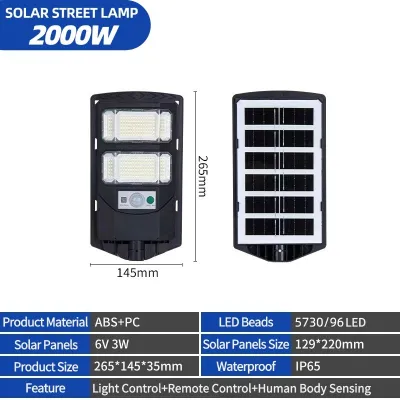
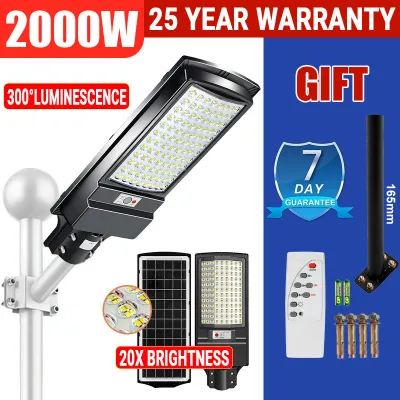
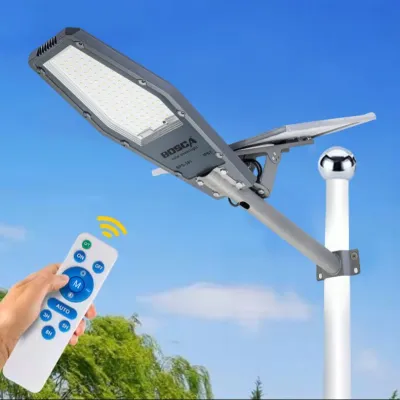
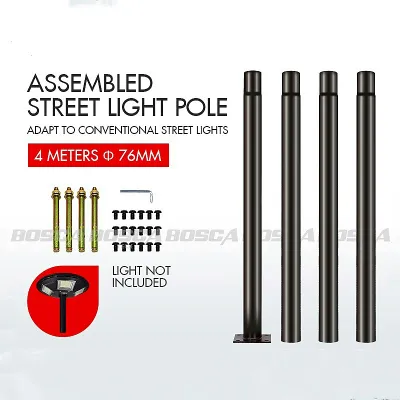
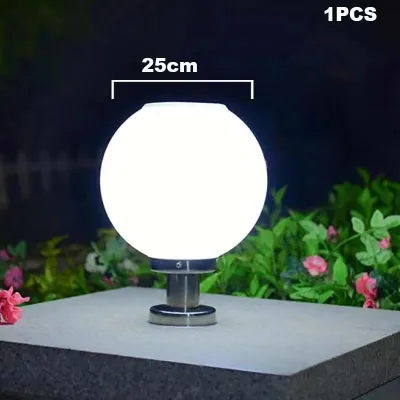
Prices are valid at publication and may change. Please refer to the product page for the latest price.
With electricity rates in the Philippines ranking among the highest in Asia, transitioning to solar power offers substantial long-term financial relief. The abundant, year-round tropical sunlight provides consistent daily charging, allowing these fixtures to operate entirely on free, renewable energy. Over the lifespan of the system, the elimination of monthly operating costs easily offsets the initial purchase price of high-quality fixtures.
Safety is another critical factor, particularly during the wet monsoon season. Traditional 220-volt outdoor wiring poses inherent risks of electrical shock, short circuits, and ground faults when exposed to heavy rains, standing water, or localized flooding. Because solar posts operate on low-voltage direct current (typically ranging from 3.2V to 12V DC) and feature no external electrical cabling, they eliminate these hazards entirely, providing a safer environment for families and pets in wet outdoor zones.
Essential Specifications for Pathway and Driveway Solar Posts
Weather and Water Resistance
Before purchasing any outdoor lighting fixture, homeowners must verify the Ingress Protection (IP) rating on the product label. The IP rating consists of two digits: the first indicates protection against solid particles like dust (scaled 0 to 6), and the second indicates protection against liquids (scaled 0 to 9). For the intense rainfall, high humidity, and dust characteristic of the Philippine climate, look for fixtures rated at IP65 or higher. An IP65 rating guarantees that the housing is completely dust-tight and capable of resisting water jets from any direction, preventing moisture from corroding internal circuitry during heavy downpours.

Brightness and Beam Angles
Lighting requirements vary significantly depending on the specific outdoor zone you intend to illuminate. Garden pathways require gentle, glare-free illumination to guide footsteps without overpowering the natural landscape. For these areas, select fixtures with a lower output of 100 to 300 lumens and a focused, downward beam angle (typically 60 to 90 degrees) to direct light precisely onto the walkway. Driveways, main gates, and vehicle navigation areas demand high-intensity security lighting, ranging from 800 to over 3,000 lumens. These zones benefit from wide beam angles of 120 degrees or more, or asymmetrical lateral distributions that spread light broadly across wide surfaces to eliminate blind spots.
Battery Chemistry and Voltage
Ambient temperatures in tropical regions frequently exceed 30°C, and temperatures inside a sealed solar fixture housing under direct sunlight can rise much higher. Under these extreme conditions, battery chemistry is critical to safety and longevity. Standard Lithium-ion (Li-ion) batteries degrade rapidly under high heat and carry a higher risk of thermal runaway. In contrast, Lithium Iron Phosphate (LiFePO4) batteries offer superior thermal stability, high safety profiles, and a significantly longer cycle life—often lasting 2,000 to 3,000 charge-discharge cycles compared to only 500 cycles for standard Li-ion. Always check the manufacturer specifications to verify that the system uses LiFePO4 batteries and note the system voltage, as 6.4V or 12V systems generally offer better efficiency and brightness stability than basic 3.2V single-cell configurations.
Build Materials and Corrosion Resistance
High humidity, intense UV exposure, and salty air in coastal regions will rapidly degrade inferior materials. Avoid cheap, thin plastics that become brittle and crack after a few months under the sun. Instead, prioritize housing and poles constructed from powder-coated aluminum, marine-grade stainless steel, or high-grade UV-resistant ABS plastics. Powder coating provides a durable barrier against rust, peeling, and oxidation, ensuring the solar street light post maintains both its structural integrity and aesthetic appearance over years of continuous exposure.
Electrical Certifications and Standards
To ensure electrical safety and build quality, verify that the solar post light carries recognized international certifications such as CE, RoHS, or FCC. These certifications confirm that the internal charge controllers, LED drivers, and battery management systems (BMS) have been tested to prevent overcharging, deep discharging, and short circuits. This protection is vital for maintaining battery health and preventing premature component failure.
Recommended Solar Street Light Post Styles for Residential Landscapes
All-in-One Solar Post Lights for Garden Pathways
All-in-one solar post lights feature an integrated design where the solar panel, battery pack, charge controller, and LED array are housed within a single, unified fixture at the top of the pole. This streamlined construction offers a clean, modern aesthetic that blends seamlessly into garden beds, patio borders, and winding walkways. Because they require no external wiring or separate components, they are exceptionally easy to position and mount.
While highly convenient, all-in-one designs have inherent physical limitations. The size of the solar panel is strictly limited by the physical dimensions of the fixture head. This smaller panel surface area restricts the maximum daily power generation, which in turn limits the battery capacity and overall lumen output. Consequently, all-in-one models are best reserved for decorative, low-to-medium intensity pathway lighting where visual appeal and moderate illumination are the primary goals, rather than high-power security applications.
Split-System Solar Pole Lights for Driveways
Split-system solar pole lights utilize a modular configuration where the solar panel is physically separated from the light fixture and battery enclosure, connected by a heavy-duty, weatherproof cable. This setup is highly recommended for long driveways, property entryways, and dark perimeter walls that require high-intensity illumination and wide-area coverage.
The primary advantage of a split system is placement flexibility. The solar panel can be mounted high on a pole, roofline, or awning in a position that receives unobstructed, direct sunlight throughout the day. Meanwhile, the actual light fixture can be positioned precisely where illumination is needed, even in deeply shaded areas, under carports, or beneath dense tree canopies where an integrated panel would fail to charge. Furthermore, the separate panel can be sized much larger, allowing for higher wattage limits, larger battery capacities, and sustained high-lumen output throughout the night.
Decorative Solar Lantern Posts for Entryways
Decorative solar lantern posts are designed to mimic classic architectural styles, such as vintage gas lamps, colonial lanterns, or Victorian wrought-iron streetlights. These fixtures serve as elegant focal points for main gate entrances, front courtyards, and formal garden transitions, adding significant curb appeal and historical charm to the property.
When choosing decorative styles, it is important to understand that aesthetic design and perceived color temperature are subjective preferences rather than indicators of raw lighting performance. Decorative lanterns often utilize warm-white LEDs (typically 2700K to 3000K) to replicate the soft glow of traditional flames, which provides a welcoming ambiance but lower visual contrast. Homeowners must carefully check the actual lumen ratings and dimming methods in the product specifications to ensure the fixture delivers sufficient visibility for practical safety and navigation, rather than relying solely on its classic appearance.
Installation and Placement Strategies for Reliable Performance
Sun Exposure Optimization
To achieve reliable nightly performance, the solar panel must receive direct, unobstructed sunlight for at least 6 to 8 hours daily. Before installation, observe the proposed site at different times of the day to identify potential shadows. Keep in mind that shadows cast by roof overhangs, boundary walls, and adjacent structures change as the sun’s angle shifts throughout the year. Even partial shading on a single section of a solar panel can drastically reduce its charging efficiency, leading to shortened runtimes or failure to turn on at night.
Foundation and Wind Load Requirements
Securing the base of a solar street light post is critical for safety, especially in regions prone to severe tropical storms and typhoons. The appropriate mounting method depends on the height and weight of the fixture:
- Pathway Lights (Under 1.5 meters): Lightweight decorative or pathway posts can typically be secured using heavy-duty ground spikes driven deep into firm soil, or small flange mounts bolted onto existing concrete pavers.
- Driveway and Security Posts (2 meters and higher): Taller poles experience significant wind resistance during storms. These must be anchored to a solid concrete footing. Pour a dedicated concrete base, insert anchor J-bolts, and allow the concrete to cure fully before mounting the pole's heavy-duty steel or aluminum flange base.
Safety and Professional Boundaries
While installing individual, self-contained solar posts is generally a straightforward DIY task, certain scenarios require professional assistance. If your installation involves deep excavation near underground utilities (such as water pipes or gas lines), or if you are mounting exceptionally tall, heavy poles that require structural rigging, consult a qualified contractor. Furthermore, if you are working near existing hardwired 220V outdoor lighting systems, always isolate the power source at the main breaker before starting work. If you plan to integrate solar lighting with existing electrical circuits or backup generators, hire a licensed electrician to ensure compliance with local electrical codes.
Routine Maintenance for Humid and Rainy Climates
Cleaning the Solar Panel
High humidity, airborne dust, pollen, bird droppings, and dried mineral spots from rainwater can form a cloudy film over the surface of the solar panel. This accumulation blocks sunlight and can reduce charging efficiency by up to 30% over time. To maintain optimal performance, routinely wipe the panel surface with a soft, damp microfiber cloth and clean water. Avoid using abrasive scrubbing pads, wire brushes, or harsh chemical detergents, which can scratch the protective tempered glass or degrade the polymer coatings.
Inspecting Seals and Gaskets
Following periods of intense monsoon rains or typhoons, perform a visual inspection of the light fixture. Check the inside of the lens for signs of moisture ingress, condensation, or fogging. Moisture inside the housing indicates a compromised rubber gasket or seal. If water accumulation is detected, open the fixture head according to the manufacturer’s care instructions, dry the internal components thoroughly with a soft cloth, and inspect the gasket. Replace or reposition the seal as necessary to restore the watertight barrier.
Managing Surrounding Vegetation
In warm, humid climates, garden plants, trees, and climbing vines grow rapidly. Regularly prune any overhanging branches or foliage that may have grown over the solar panel’s path. Keeping the airspace directly above the panel clear ensures it continues to receive maximum solar exposure throughout the year.
Frequently Asked Questions (FAQ)
How long do solar street light post batteries last?
The operational lifespan of the battery depends heavily on its chemistry and environmental operating temperatures. Standard Lithium-ion (Li-ion) batteries typically last between 1.5 to 3 years (roughly 500 to 1,000 charge cycles) before experiencing a significant drop in capacity. High-quality Lithium Iron Phosphate (LiFePO4) batteries are much more durable, lasting between 5 to 8 years (2,000 to 3,000 cycles). Because high ambient temperatures accelerate battery degradation, verifying that the product label specifies LiFePO4 chemistry is highly recommended for tropical climates.
Do solar post lights work during the rainy season?
Yes, solar post lights continue to charge and operate during rainy or overcast days, though at a reduced efficiency. Solar panels utilize diffuse daylight to generate electricity, meaning they do not require direct sunlight to charge, though charging times will be longer. To ensure reliable performance during extended periods of overcast weather, choose models with larger battery capacities relative to their power draw. Additionally, select fixtures equipped with passive infrared (PIR) motion sensors or programmed dimming profiles; these modes keep the light at a low, energy-saving standby level (such as 10% to 20% brightness) and only ramp up to full power when motion is detected, preserving battery life for several nights.
Community discussion
Share your experience or ask a question. Comments are reviewed before publication.