
The best standing lamp for a living room in the Philippines is one that balances targeted functionality—whether that is casting a soft glow over a reading nook or bouncing bright light off the ceiling—with structural resilience against the local tropical climate. Selecting a standing lamp for living room spaces requires looking beyond aesthetics to evaluate electrical compatibility, base stability, and material durability. By choosing a fixture that complements your interior design while meeting the specific demands of your home’s layout, you can elevate both the utility and the visual appeal of your primary gathering space.
In Philippine households, the living room serves as a multi-functional hub where families gather, guests are entertained, and individuals unwind after a long day. Proper lighting plays a crucial role in transitioning this space from a bright, active environment during the daytime to a warm, relaxing sanctuary in the evening. A well-placed floor lamp provides a layer of light that overhead fixtures alone cannot achieve, eliminating harsh shadows and creating a more inviting atmosphere.
How to Choose the Right Standing Lamp for Your Space
Selecting the perfect standing lamp requires a thoughtful assessment of how you intend to use the light and how the physical fixture will fit into your room’s layout. To establish a balanced lighting scheme, you must first distinguish between ambient illumination and localized task lighting. Ambient lighting is designed to fill the overall room with a soft, generalized glow, softening the contrast between dark corners and bright screens. Task lighting, on the other hand, directs a focused, concentrated beam of light onto a specific area, making it ideal for reading, crafting, or working on a laptop. Identifying which of these needs is your primary priority will immediately narrow down your design choices.
Products mentioned in this guide
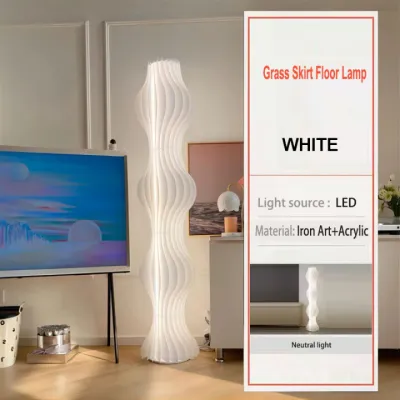
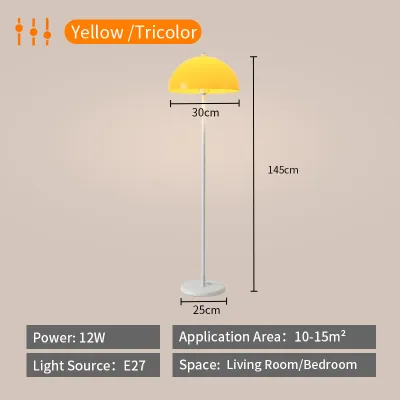
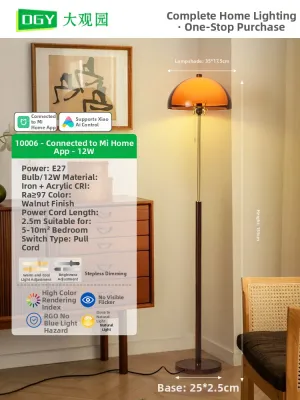
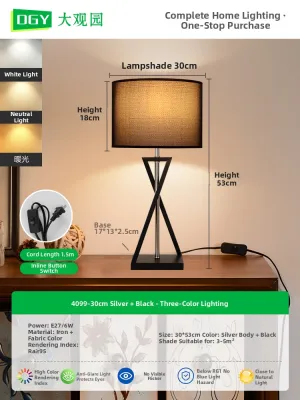
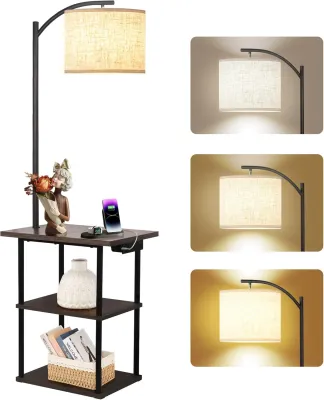
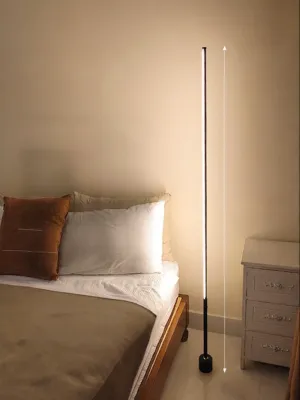
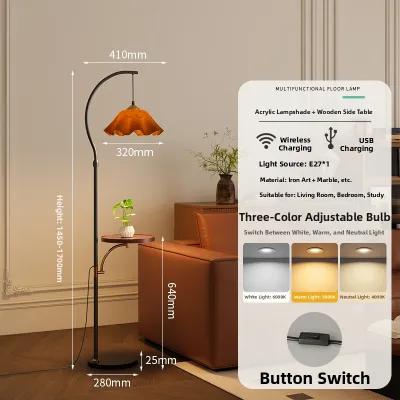
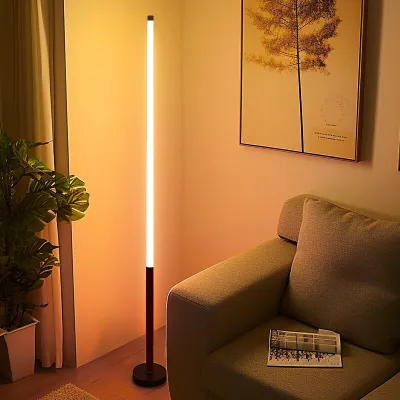
Prices are valid at publication and may change. Please refer to the product page for the latest price.
Scale and spatial proportions are equally critical when evaluating potential lamps. Before making a purchase, measure your ceiling height and the available floor space where the lamp will stand. In many Philippine homes, particularly modern condominiums or compact townhouses, vertical space and floor area are highly prized. A massive, sweeping arc lamp might completely overwhelm a room with low ceilings, while a slim, diminutive torchiere could easily get lost next to a large, bulky sectional sofa. Additionally, pay close attention to the footprint of the lamp’s base. A heavy, compact base is essential if you plan to tuck the lamp behind furniture or place it in a high-traffic zone where it could easily be bumped.
Beyond physical dimensions, the visual weight of the lamp must harmonize with your existing decor, color palette, and architectural features. Visual weight refers to how much attention an object demands within a space. For instance, a lamp with a thin, matte black metal stem and a small glass globe has a light visual footprint, making it excellent for minimalist or industrial interiors. Conversely, a chunky wooden tripod lamp with a large fabric shade possesses significant visual weight, making it a commanding focal point that pairs beautifully with rustic, bohemian, or tropical contemporary styles. Consider how the lamp’s materials and finishes will interact with your sofa’s upholstery, the wood tones of your coffee table, and the paint colors on your walls to ensure a cohesive look.
Best Standing Lamp Styles for Living Room Aesthetics
To help you navigate the vast array of options available on the market, it is helpful to categorize standing lamps by their structural design and lighting characteristics. Each style offers unique functional advantages and suits different living room layouts and aesthetic preferences.

Arc Floor Lamps for Statement Lighting
Arc floor lamps are characterized by a long, curved neck that extends upward and outward from a heavy base, suspending the light shade over a specific area. This sculptural design makes them an exceptional choice for living rooms that lack overhead ceiling fixtures or where hardwiring a new pendant light is not feasible. By positioning the base in an unused corner or behind a sofa, you can cast direct, downward light over a coffee table, a cozy reading armchair, or even a small dining nook without obstructing sightlines or physical pathways.
However, the dramatic reach of an arc lamp comes with specific spatial requirements that you must carefully evaluate. Because the arm projects far from the base, these lamps require a highly stable, heavily weighted foundation—typically made of solid marble, concrete, or thick steel—to prevent the fixture from tipping over. You must also ensure that your living room has sufficient ceiling clearance. If the ceiling is too low, the overhanging shade may hang at an awkward height, creating a physical hazard for taller individuals and blocking the view of the television or other decorative elements in the room.
From an aesthetic standpoint, an arc lamp serves as a striking modern or mid-century modern focal point. The sweeping curve of the metal arm introduces organic, flowing lines into a room dominated by rectangular furniture, softening the overall layout. Whether you opt for a sleek chrome finish, a matte black minimalist design, or a warm brass accent, an arc lamp instantly injects a sense of sophistication and architectural drama into your living space.
Torchiere Lamps for Ambient Ceiling Bounce
If your primary goal is to maximize general illumination in a dark living room or a space with limited natural light, a torchiere lamp is an outstanding solution. Unlike traditional lamps that cast light downward, torchieres feature an upward-facing shade that directs light toward the ceiling. This light then bounces off the ceiling surface, scattering throughout the room to create a soft, highly diffused glow. This indirect lighting effect mimics the gentle quality of natural daylight, eliminating harsh glare and making compact living areas feel significantly larger and more open.
Torchieres are highly versatile and perform exceptionally well when placed in tight corners, behind bulky armchairs, or flanking a media console. Because the light source is directed upward and shielded by the bowl-shaped shade, these lamps prevent direct eye contact with the hot, bright bulb, making them incredibly comfortable for daily use. They are particularly beneficial in households where family members spend hours watching television or reading, as they provide sufficient background light to reduce eye strain without casting distracting reflections on screens.
Another major benefit of the torchiere style is its incredible space efficiency. Most torchieres feature a very slim, vertical pole and a compact circular base, allowing them to slip easily into narrow gaps that cannot accommodate other furniture or larger decorative items. This makes them a favorite choice for studio apartments and smaller living rooms where maximizing usable floor space is a top priority.
Tripod and Mid-Century Lamps for Warm Aesthetics
For homeowners looking to introduce rich textures, architectural interest, and a warm, localized glow to their living rooms, tripod and shaded floor lamps are an ideal choice. Featuring a three-legged base constructed from wood, metal, or a combination of both, tripod lamps offer exceptional physical stability and a distinct, stylish silhouette. They are perfect for filling empty corners, standing beside console tables, or flanking a media unit to create a balanced, symmetrical look in larger, open-plan living spaces.
The choice of materials in a tripod lamp plays a major role in defining the room’s atmosphere. Wooden legs—especially in warm tones like teak, walnut, or oak—evoke a mid-century modern or Scandinavian aesthetic, adding a sense of organic warmth and tactile comfort. When paired with a classic fabric shade made of linen, cotton, or woven paper, these lamps diffuse the light beautifully. The shade acts as a soft filter, transforming the harsh light of the bulb into a gentle, intimate glow that is perfect for relaxing, listening to music, or chatting with family in the evening.
Unlike fixtures with exposed bulbs or clear glass shades, which can sometimes feel cold and clinical, shaded tripod lamps prioritize comfort and coziness. The soft glow emitted through the fabric shade highlights the textures of your furniture and walls, creating a layered, multi-dimensional effect. This style is highly recommended for creating a dedicated reading corner or a quiet zone within a larger, busy household.
Essential Technical Specs to Check Before Buying
When shopping for a standing lamp, it is easy to get caught up in visual designs and overlook the technical specifications. However, conducting a thorough technical check is vital to ensure electrical safety, bulb compatibility, and long-term durability in the local context.
Electrical Compatibility Before finalizing any purchase, particularly when ordering from international sellers on ecommerce platforms, you must verify that the lamp is compatible with the electrical standards of the Philippines. The local power grid operates at 220V and 60Hz. Many lamps manufactured for other markets, such as North America or Japan, are designed for 110V/50Hz systems. Connecting a 110V lamp directly to a Philippine 220V outlet without a step-down transformer can cause the bulb to burn out instantly, damage the internal wiring, or even trigger an electrical fire. Always look for a clear specification label indicating 220V-240V compatibility. Additionally, check the plug type; most Philippine homes use two-pin Type A or Type B plugs, so you may need an adapter if the lamp comes with an international plug.
Bulb Selection The performance of your standing lamp depends heavily on the bulb you install. Most floor lamps utilize standard screw-in bases, with E27 being the most common size in the Philippines, followed by the smaller E14 candelabra base. To create a cozy, relaxing living room environment, look for LED bulbs with a warm white color temperature, typically rated between 2700K and 3000K. Avoid cool white bulbs (6000K and above) for living spaces, as they emit a blue-toned light that can feel clinical and disrupt your sleep patterns. For general ambient lighting, choose a bulb that outputs between 800 and 1500 lumens, which provides ample brightness without causing eye strain.
Dimming Capabilities Adjustable lighting allows you to change the mood of your living room instantly. If you want the ability to dim your standing lamp, check if the fixture features a built-in physical dimmer switch, such as a rotary dial or a touch-sensitive pole. If it does, you must purchase specialized dimmable LED bulbs; installing standard LED bulbs in a dimmable fixture will cause annoying flickering, buzzing noises, and can permanently damage the bulb’s internal electronics. If the lamp only has a simple on/off switch, you can still achieve dimming capabilities by installing a smart bulb and controlling the brightness levels wirelessly through a smartphone application or a smart home assistant.
Material Durability The tropical climate of the Philippines, characterized by high temperatures and intense relative humidity, can be incredibly harsh on household fixtures. Cheap metals can quickly develop rust, while low-grade laminates and veneers may peel, bubble, or warp over time. To ensure your standing lamp lasts for years, prioritize durable materials such as powder-coated steel, solid brass with an anti-corrosion lacquer finish, or solid, treated hardwoods. If the lamp features a fabric shade, check that the material is tightly woven and breathable, such as linen or a high-quality polyester blend, which is less likely to sag, discolor, or harbor mold and mildew in humid conditions.
Placement and Styling Tips for Homes in the Philippines
Once you have selected the right standing lamp, strategic placement and proper maintenance are key to maximizing its visual appeal and functional utility while keeping your household safe.
Strategic Placement To prevent accidents, position your standing lamp in areas where it will not obstruct natural foot traffic. Corners, spaces immediately adjacent to the sides of sofas, or gaps between armchairs are ideal locations. Loose, trailing electrical cords present a serious tripping hazard, especially in active households with young children or pets. Secure all cords neatly along your baseboards using adhesive cable clips, or run them underneath heavy furniture to keep them out of sight and out of the way.
Glare Management To ensure maximum visual comfort, position the lamp so that the light source does not shine directly into your eyes when you are seated. If you are using a shaded lamp next to a sofa, the bottom edge of the shade should ideally sit at or slightly below your eye level when you are sitting down. For upward-facing torchiere lamps, ensure the top rim of the bowl is positioned above eye level (typically around 1.8 meters or higher) so that standing individuals do not look directly down into the bright bulb.
Climate Care Maintaining your lighting fixtures in a humid tropical environment requires regular, low-risk care. Dust your lampshades weekly using a dry microfiber cloth, a static duster, or a soft brush attachment on a vacuum cleaner. Dust can easily combine with moisture in the air, creating a stubborn layer of grime that is difficult to remove if left unaddressed. For metal bases and poles, wipe them down periodically with a dry, lint-free cloth to remove fingerprints, sweat, and airborne moisture, which helps prevent corrosion and tarnishing. Avoid using harsh chemical cleaners or abrasive pads, as these can strip away protective clear coats and accelerate rusting.
Layering Light For the best visual effect, avoid relying on your standing lamp as the sole source of light in your living room. Instead, use it to build a layered lighting scheme in combination with other light sources. Pair your floor lamp with general overhead lighting, such as recessed ceiling downlights or a central pendant, and add localized accent lighting like table lamps on side boards or LED strip lights behind your television console. This multi-layered approach allows you to adjust the lighting levels to suit different activities, whether you are hosting a lively family gathering or winding down for a quiet movie night.
Frequently Asked Questions (FAQ)
Can I use smart bulbs in any standing lamp?
Yes, you can install smart bulbs in almost any standard standing lamp, provided the bulb’s base matches the lamp’s socket (typically E27 or E14) and the physical dimensions of the bulb fit within the shade. However, you must exercise caution if your standing lamp features a built-in physical dimmer switch, such as a rotary dial or touch control. Physical dimmers work by rapidly cutting the electrical current to reduce brightness, which can severely disrupt the internal computer chips and wireless transmitters inside a smart bulb. This mismatch often leads to constant flickering, loud buzzing, or permanent damage to the smart bulb. For the best results, only use smart bulbs in lamps with simple, mechanical on/off switches, and perform all dimming adjustments through the smart bulb’s dedicated mobile app or voice control system.
How do I clean and maintain lampshades in a humid climate?
Cleaning and maintaining lampshades in a humid tropical climate requires a gentle, dry touch to prevent damage. Regularly remove dust and pet hair using a dry microfiber cloth, a lint roller, or a soft vacuum brush attachment. You should strictly avoid using liquid spot cleaners, wet sponges, or running water on fabric, paper, or natural woven materials like rattan and bamboo. In high-humidity environments, excess moisture can easily saturate these delicate materials, leading to permanent water staining, structural warping, or the rapid growth of unsightly mold and mildew. If a stain must be addressed, always consult the manufacturer’s specific care instructions first, and test a tiny, hidden portion of the shade with a barely damp cloth before proceeding.
Community discussion
Share your experience or ask a question. Comments are reviewed before publication.