
Designing a functional and visually appealing garden requires a thoughtful approach to outdoor illumination. A single, uniform lighting type cannot address the diverse needs of a modern outdoor space. To create a balanced landscape, you must divide your garden into distinct zones: pathways, plant beds, and seating areas. Each zone serves a unique purpose, demanding specific light levels, beam distributions, and fixture designs to perform effectively.
When planning your layout, avoid the temptation to purchase a single style of light in bulk. A pathway requires clear, downward-focused light to guide footsteps safely, while a dense garden bed benefits from soft, directional accent lighting that highlights natural textures. Meanwhile, outdoor living areas, such as patios or decks, require flexible, layered lighting that can transition from functional dining brightness to a relaxed evening glow. Understanding these zoning requirements is the first step toward choosing the right fixtures for your property.
Selecting the ideal outdoor light involves evaluating three primary criteria: purpose, beam control, and weather resistance. You must first determine whether a light is intended for safety and navigation or purely for aesthetic ambiance. Next, consider how the light is directed; shielded fixtures prevent glare, while adjustable heads allow you to target specific landscape features. Finally, because outdoor lights face continuous exposure to the elements, selecting the appropriate durability level is essential for long-term performance.
Products mentioned in this guide
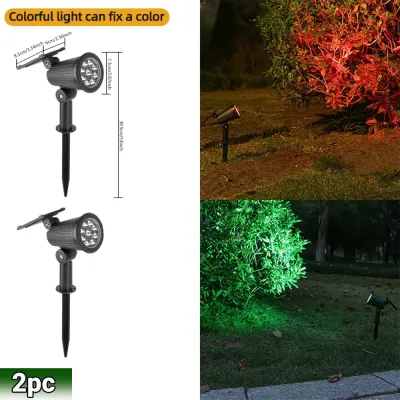
Prices are valid at publication and may change. Please refer to the product page for the latest price.
The Sulor light collection offers a variety of outdoor fixtures designed to address these specific zoning challenges. By matching the technical specifications of individual models to the unique environmental demands of your garden zones, you can build a cohesive, safe, and beautiful outdoor lighting system.
Illuminating Pathways and Walkways for Safety
Navigating your garden after dark should be a safe and seamless experience. Pathways, walkways, and steps require dedicated lighting to mark boundaries, highlight level changes, and reveal potential tripping hazards. Without proper illumination, garden paths can become hazardous, especially during wet weather or when navigating uneven stone surfaces.
To achieve safe wayfinding, you should focus on low-level fixtures that direct light exactly where feet tread. Recommended options include specialized path lights, low-profile bollard lights, and recessed step lights. These fixtures are designed to define the edges of your walkways clearly, ensuring that family members and guests can move through the landscape with confidence.
Choosing the Right Height and Beam Spread
The height of your path fixtures directly influences how effectively they illuminate the ground without causing discomfort. Shorter fixtures, typically standing between 12 to 18 inches tall, are highly effective because they keep the light source close to the walking surface. It is crucial to select models with downward-facing or well-shielded beams. This design prevents the light from shining directly into the eyes of pedestrians, which can cause temporary glare and discomfort.
Beam spread is another critical specification to analyze when choosing your fixtures. You want a light that washes the walkway evenly with a broad, gentle glow rather than creating intense, isolated pools of light. Harsh spotlighting on a path creates high-contrast shadows, making it difficult for the human eye to adjust and identify obstacles. Review the manufacturer’s beam angle details to ensure the light spreads laterally across the width of your path.
Spacing and Placement Guidelines
Achieving balanced pathway lighting requires careful planning of fixture spacing. A common guideline is to place path lights every 6 to 8 feet, but this distance must be adjusted based on the actual lumen output of your chosen model. High-lumen fixtures can be spaced further apart, while softer, low-output lights will need closer positioning to avoid dark patches along the walkway.
For a more natural and visually appealing look, stagger your lights on alternating sides of the path rather than lining them up in straight, parallel rows. This zigzag pattern guides the eye forward smoothly and mimics natural light distribution. Additionally, always position the fixtures slightly back from the edge of the walkway to protect them from lawnmowers, foot traffic, and overgrown tropical grasses that could block the light beam.
Highlighting Plant Beds and Landscape Features
Your garden does not have to disappear when the sun goes down. Highlighting plant beds, mature trees, and architectural features adds depth and drama to your property, transforming the nighttime landscape into a living work of art. This technique, known as accent lighting, draws the eye to specific focal points, creating visual interest and a sense of luxury.

To bring your landscape features to life, you should utilize directional fixtures such as spotlights, floodlights, and in-ground well lights. Unlike pathway lights, which focus downward, these fixtures are designed to project light upward or horizontally. This allows you to sculpt the appearance of your plants, casting beautiful shadows and emphasizing the unique structures of your favorite flora.
Beam Angles and Adjustability
Matching the beam angle of your light to the shape of the target plant is essential for achieving a professional look. For tall, slender features, such as palm trees or architectural columns, a narrow beam angle of 15 to 30 degrees is ideal. This tight beam projects light high up the trunk or structure without spilling excess light into the surrounding dark areas. For wide, dense shrubbery or broad garden walls, a wider flood beam of 60 degrees or more provides an even, sweeping wash of light.
Because plants grow and seasons change, flexibility is a vital feature for landscape lights. Opt for directional models that feature fully adjustable heads and sturdy swivel mounts. This adjustability allows you to fine-tune the angle of the light over time, ensuring that the beam remains focused on the foliage even as the plant matures or is pruned. Always check that the locking mechanism on the swivel mount is tight and made of durable, non-corrosive material to prevent the light head from drooping.
Color Temperature for Natural Foliage
The color temperature of your outdoor lights plays a major role in how natural your plants look at night. For most green foliage, warm white light—typically rated between 2700K and 3000K—is highly recommended. This warm spectrum enhances the natural greens, deep browns, and earthy tones of your garden, creating an inviting and organic atmosphere.
Conversely, you should generally avoid using harsh cool white or daylight bulbs (ranging from 5000K to 6500K) in your plant beds. Cool light can make green leaves look washed out, artificial, and ghostly, stripping the warmth and vitality from your landscape. While color temperature preference is ultimately subjective, warm white light consistently delivers a more natural, relaxing, and aesthetically pleasing result for outdoor vegetation.
Creating Ambiance in Seating and Entertainment Areas
Outdoor seating areas, such as patios, decks, pergolas, and dining spaces, serve as extensions of your indoor living room. These zones are where you gather to relax, share meals, and entertain guests. Consequently, the lighting here must prioritize comfort, mood, and flexibility, shifting away from purely functional safety lighting toward a beautifully layered, atmospheric design.
To build the perfect ambiance, you should combine several types of decorative and functional fixtures. Consider using hanging string lights overhead to create a festive canopy, elegant wall sconces to frame doorways, and portable rechargeable table lamps for intimate, localized light. By layering these different sources, you can eliminate harsh shadows and make the space feel warm and welcoming.
Dimming and Control Options
Flexibility is key when lighting an entertainment space, as different activities require different levels of brightness. A lively outdoor dinner party demands clear, functional light, while a quiet evening of stargazing or conversation calls for a soft, low-intensity glow. Choosing dimmable fixtures or smart control systems allows you to adjust the light levels instantly to match the mood of the occasion.
If you select hardwired fixtures for your seating area, it is essential to verify their compatibility with outdoor-rated dimmer switches. Not all LED lights are dimmable, and using an incompatible dimmer can lead to annoying flickering, buzzing, or premature bulb failure. Always check the product specifications carefully and consult with a professional to ensure your dimming system is safe, stable, and fully compatible.
Wind and Weather Resistance
Because seating areas often feature hanging or exposed fixtures like string lights and pendants, physical durability is a major concern. In the tropical climate of the Philippines, outdoor lights must be able to withstand sudden heavy downpours, high humidity, and strong winds during the monsoon season. Ensure that any hanging lights are secured with heavy-duty mounting hardware, guide wires, or weighted bases to prevent them from swinging violently or breaking during storms.
Prolonged exposure to intense tropical sunlight can also degrade outdoor fixtures over time. Look for lights constructed with UV-resistant materials and high-quality finishes that will not fade, crack, or become brittle under constant solar radiation. Investing in durable, weather-resistant materials ensures that your entertainment lighting remains safe and beautiful for years to come, regardless of the harsh climate.
Essential Specifications to Check Before Buying
Before purchasing any outdoor lighting fixtures, it is vital to understand the technical specifications that govern their safety, performance, and durability. Outdoor environments are incredibly demanding, and selecting the wrong type of light can lead to electrical hazards, rapid product degradation, or poor performance. Use the following checklist to evaluate your options carefully.
IP Rating and Weatherproofing The Ingress Protection (IP) rating indicates how well a fixture is sealed against solid objects and moisture. The rating consists of two numbers: the first measures protection against solids (like dust), and the second measures protection against water. For general outdoor exposure, such as wall sconces or path lights subjected to rain, look for a minimum rating of IP65. For ground-level well lights or any fixtures installed in low-lying areas prone to puddles and temporary flooding, you should opt for IP67 or higher to ensure water cannot penetrate the housing and short-circuit the electronics.
Power Source Options You must choose between three primary power sources, each with its own set of advantages and installation requirements:
- Solar-Powered: These fixtures are incredibly easy to install because they require no wiring. However, their performance depends entirely on receiving direct, unobstructed sunlight during the day. In tropical regions with frequent cloud cover or heavy canopy shade, solar lights may not charge fully, leading to shorter runtimes at night.
- Low-Voltage (12V or 24V): This is a highly popular option for landscape lighting because it is safe, energy-efficient, and relatively easy to install. It requires a step-down transformer to convert your standard household current (typically 220V in the Philippines) to a safe low-voltage level. It provides consistent, bright light regardless of weather conditions.
- Mains Voltage (220V): Standard line-voltage systems deliver maximum brightness and are ideal for high-powered security lights or large-scale installations. However, because they carry high voltage, they present a significant shock hazard if not installed correctly.
Material and Finish The humid, tropical environment of the Philippines accelerates rust and corrosion. Avoid cheap metals that will quickly deteriorate when exposed to moisture and salt air. Instead, prioritize fixtures made from high-quality, corrosion-resistant materials such as cast aluminum, marine-grade stainless steel, brass, or heavily treated polycarbonate. These materials resist rust and maintain their structural integrity over years of exposure to rain and humidity.
Lumens vs. Wattage When shopping for modern LED landscape lighting, focus on lumens rather than wattage. Wattage simply measures how much electricity a bulb consumes, whereas lumens measure the actual brightness of the light emitted. For example, a path light typically requires only 100 to 200 lumens to provide effective guidance, while a spotlight for a mature tree may require 300 to 600 lumens. Looking at lumens ensures you get the right brightness level without wasting energy.
Installation Boundaries Safety must always be your top priority when installing outdoor electrical systems. While solar lights and low-voltage plug-and-play kits are generally safe for DIY installation, any project involving fixed 220V wiring, deep trenching near underground utility lines, or work at significant heights requires professional assistance. Before beginning any installation, always isolate the power supply at the main circuit breaker. Carefully read the manufacturer’s installation instructions and the safety labels on your fixtures. If you encounter conflicting instructions, or if you are working in damp zones near water features, stop immediately and consult a licensed, qualified electrician.
Frequently Asked Questions (FAQ)
This section serves as a quick reference guide to help you maintain your outdoor lighting system, troubleshoot common performance issues, and ensure safe operation.
How do I clean and maintain outdoor garden lights?
To keep your garden lights performing at their best, regular cleaning is necessary. Gently wipe the light lenses and solar panels with a soft, damp microfiber cloth to remove accumulated dust, mud, and water spots. Avoid using harsh chemical cleaners, bleach, or abrasive scrubbing pads, as these can scratch the lenses or strip away protective UV coatings. Regularly clear away fallen leaves, grass clippings, and garden debris from around the base of the fixtures to prevent moisture buildup and ensure proper ventilation.
Can I install low-voltage landscape lights myself?
Yes, low-voltage (12V or 24V) landscape lighting systems are generally safe and straightforward for DIY enthusiasts to install, provided you follow the manufacturer’s step-by-step instructions. Because the voltage is low, there is minimal risk of severe electrical shock. However, connecting the main transformer to an outdoor 220V outlet, burying cables deep underground, or installing lights within or near swimming pools and water features should always be handled by a licensed electrician to ensure compliance with local electrical safety codes.
Why are my solar garden lights not staying on all night?
If your solar lights are turning off prematurely, the most common cause is insufficient sunlight during the day. Ensure the solar panels are positioned in an area that receives at least six hours of direct, unshaded sunlight daily, and clean any dirt or pollen off the panel surface. Another common issue is an obstructed dusk-to-dawn sensor; if nearby streetlights or porch lights shine on the sensor, the solar light may mistake night for day and turn off. Finally, rechargeable batteries degrade over time; check the manufacturer’s guidelines to see if it is time to replace the internal rechargeable batteries, which typically last one to two years.
Community discussion
Share your experience or ask a question. Comments are reviewed before publication.