
Why Standard Sunset Projectors Aren't the Best Dim Lights for Sleeping Room Environments
Standard sunset lamps have taken social media by storm, praised for their ability to transform plain white walls into dramatic, highly saturated backdrops of deep orange, magenta, and violet. While these striking visual effects are perfect for photography, content creation, or daytime aesthetics, they are fundamentally mismatched with the physiological needs of a resting body. The primary issue lies in their intensity and color spectrum. Many generic sunset projectors utilize high-output light-emitting diodes (LEDs) that emit a high level of lux, flooding a bedroom with a concentrated, high-contrast beam. When you are trying to wind down after a long day, this intense illumination acts as a stimulant rather than a sedative.
When searching for the ideal dim lights for sleeping room setups, it is crucial to understand why standard aesthetic lamps fall short. Our bodies rely on environmental cues to regulate the circadian rhythm, which is the internal biological clock that dictates sleep-wake cycles. The suprachiasmatic nucleus, a tiny region in the brain’s hypothalamus, is highly sensitive to light signals received through the eyes. When exposed to bright, high-intensity light sources in the evening, the brain interprets this as daylight, delaying the natural release of melatonin—the hormone responsible for inducing sleep. Standard sunset lamps often emit hidden blue light wavelengths within their white or multi-color LED chips, which further suppresses melatonin production and keeps your mind in an alert state.
A sleep-friendly ambient light source must prioritize physiological comfort over photographic drama. This means selecting a lamp that offers very low lux levels, ultra-warm color temperatures, and a highly diffused light distribution. Instead of a sharp, high-contrast circle of light that mimics a midday sun, a bedroom sleep light should cast a gentle, fading glow that resembles the very last embers of twilight. By shifting your focus from high-intensity visual styling to low-lux, warm-spectrum performance, you can transform your bedroom into a sanctuary that naturally prepares your mind and body for deep, restorative rest.
Products mentioned in this guide
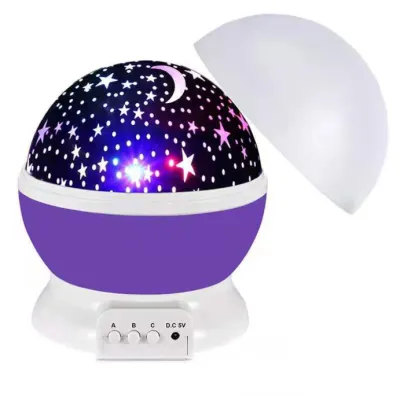
Prices are valid at publication and may change. Please refer to the product page for the latest price.
4 Must-Have Features for a Sleep-Friendly Sunset Lamp
To find a sunset lamp that truly supports your sleep hygiene, you must look past the marketing images and closely examine the technical specifications. Not all mood lamps are created equal, and verifying a few key features before making a purchase will prevent you from buying a light that is simply too bright or disruptive for nighttime use.

Stepless Dimmability The ability to control the exact brightness level of your lamp is the most critical factor for bedroom use. Many budget-friendly sunset lamps feature simple on/off inline switches or basic three-step toggle dimmers that only adjust between high, medium, and low settings. In a dark room, even the lowest setting of a three-step toggle can feel overwhelmingly bright. Look for lamps that offer stepless dimming, which allows you to smoothly adjust the brightness from 100% down to 1% or 5%. This precise control enables you to set the light to a barely perceptible glow that provides just enough visibility to navigate the room without disrupting your body’s transition into sleep. Additionally, ensure the dimming mechanism uses high-quality circuitry to prevent high-frequency flickering, which can cause subtle eye strain and headaches even at low brightness levels.
Color Temperature and Spectrum The color temperature of a light source is measured in Kelvin (K), and it plays a massive role in how your brain perceives the environment. Standard daylight bulbs typically sit between 5000K and 6500K, while standard warm white home lighting sits around 2700K to 3000K. For a sleep-friendly bedroom environment, you should seek out lamps that project ultra-warm tones below 2200K, often referred to as candle-glow, amber, or deep sunset orange. These long-wavelength colors have the least impact on your circadian rhythm and do not suppress melatonin production. Avoid lamps that rely on cheap multi-color RGB chips that mix red, green, and blue light to create white light, as these chips often leak high amounts of blue light even when set to a warm-looking hue.
Timer and Auto-Off Functions A high-quality sleep lamp should not remain illuminated throughout the entire night. While a soft amber glow is helpful for falling asleep, continuous light exposure during the deeper stages of sleep can fragment your rest and reduce sleep quality. Prioritize lamps that feature built-in auto-off timers with common intervals such as 30, 60, or 120 minutes. This feature allows you to enjoy the calming sunset effect as you drift off, knowing the device will automatically shut down once you are asleep. Whether controlled via a physical button on the cord, a dedicated remote control, or a smart application, a reliable timer ensures you do not have to disrupt your comfortable state to turn off the light manually.
Glare and Lens Quality The optical lens of a sunset projector dictates how the light is dispersed across your bedroom walls. Standard projectors utilize clear, high-magnification convex lenses designed to cast a sharp, high-contrast circle of light with defined borders. While visually striking, these sharp edges create high-contrast glare that can strain your eyes when viewed from bed. For a sleeping room, look for lamps that utilize frosted, textured, or multi-layered diffused lenses. These specialized optics scatter the light rays as they exit the housing, creating a soft-edge gradient halo that blends seamlessly into the surrounding darkness, minimizing glare and providing a much more soothing visual experience.
Best Types of Sunset Lamps for Bedroom Winding Down
Selecting the right style of sunset lamp depends on your nightly routine and how you prefer to control your environment. When browsing online marketplaces, you will encounter various designs, ranging from classic projectors to decorative crystal structures.
When evaluating these options, always verify the seller ratings and read user reviews specifically focusing on how dim the lamp can get. Pay close attention to the product specifications to confirm they meet your dimming and color requirements before finalizing your purchase.
Adjustable Halo Projectors with Physical Dimmers
Adjustable halo projectors feature the classic projector head mounted on a stand or tripod, but they are upgraded with high-quality manual control systems. This style is best for users who want to project a large, classic circular sunset pattern onto a wall or ceiling but require reliable, immediate control over the light’s intensity without relying on a smartphone app.
When verifying this type of lamp, ensure the dimming control is a physical rotary dial or a highly responsive touch slider integrated directly into the power cable or the lamp’s base. Check the product specifications to confirm the projector head can tilt at least 180 degrees, allowing you to angle the beam upward or away from your bed to prevent direct glare. Additionally, look for models with aluminum alloy housings, which act as efficient heat sinks to dissipate heat from the LED chip during extended evening use.
Amber-Toned Crystal and Refraction Lamps
For those who prefer a localized, low-glare glow over a large wall projection, amber-toned crystal and refraction lamps are an excellent choice. These compact lamps typically sit on a nightstand, dresser, or side table, casting a warm, textured light pattern through a faceted acrylic or glass body that mimics the gentle refraction of sunlight through water.
Before purchasing, confirm that the internal light source is a dedicated warm white or amber LED chip rather than a generic color-changing RGB diode, as dedicated chips produce a much cleaner, sleep-friendly spectrum. Check the physical dimensions and weight of the lamp’s base to ensure it remains stable on cluttered bedside tables. It is also wise to verify that the faceted crystal body is designed to diffuse the light evenly, preventing any sharp, concentrated light leaks that could catch your eye in a dark room.
Smart Sunset Lamps with Automated Sleep Routines
Smart sunset lamps are designed for tech-savvy users who want to integrate their evening wind-down routine into a broader smart home ecosystem. These devices connect to your home network via Wi-Fi or Bluetooth, allowing you to program automated lighting schedules that gradually dim the light and shift its color from a bright gold to a deep, low-lux amber over the course of an hour.
When selecting a smart model, verify its compatibility with major smart home platforms and check whether its internal timer and schedule functions can operate locally on the device. This local control ensures that your programmed sleep routine will still execute even if your home internet connection temporarily drops. Be cautious of extremely cheap smart lamps, which often suffer from poor app connectivity, high latency, or buggy firmware that can make operating the light a frustrating experience right before bed.
How to Position and Safely Use Your Sunset Lamp at Night
Once you have selected the right sunset lamp, proper positioning and safe operation are essential to maximize its sleep-inducing benefits while protecting your home from potential hazards. The way you position the light source directly affects how your eyes perceive the brightness and how effectively your body prepares for rest.
To create a truly relaxing environment, avoid pointing the projector head directly at your bed or your face. Direct exposure to the light source can cause glare and eye strain, defeating the purpose of a sleep-friendly light. Instead, employ the technique of bounce lighting by directing the beam toward a blank wall, a corner, or the ceiling. You can also place the lamp behind a piece of furniture, such as a headboard or a dresser, to create a soft, indirect halo of light. This method scatters the light waves across a larger surface area, reducing the overall lux level and creating a highly diffused, calming glow that mimics the natural transition of dusk.
Thermal management is another critical consideration, even when dealing with energy-efficient LED technology. While LEDs generate far less heat than traditional incandescent bulbs, the driver circuitry and the LED chip itself can still become warm during continuous operation. Ensure your sunset lamp is positioned with adequate clearance—at least 10 to 15 centimeters—away from flammable materials such as curtains, bedsheets, pillows, and wooden decor. Never attempt to dim the lamp by draping fabrics, paper, or clothing over the housing, as this traps heat and creates a significant fire hazard. Always refer to the manufacturer’s care and safety instructions regarding proper ventilation and clearance.
In humid, tropical climates like the Philippines, electrical safety requires extra vigilance. High humidity levels can affect electrical components over time, making it crucial to use high-quality, certified equipment. Ensure your lamp’s power supply or USB adapter is fully compatible with the local electrical grid standard of 220V at 60Hz. When purchasing USB-powered lamps, avoid plugging them into old, uncertified wall chargers; instead, use a high-quality adapter that carries the Philippine Standard (PS) quality mark or the Import Commodity Clearance (ICC) sticker. Inspect the power cord regularly for any signs of fraying or damage, and make it a habit to unplug the lamp during severe tropical storms or when leaving your home for extended periods to protect it from power surges.
To get the most out of your sleep-friendly lighting, integrate the lamp into a consistent nightly routine. Turn the lamp on at a moderate brightness level roughly one to two hours before your planned bedtime, using this time to signal to your brain that the day is winding down. As you climb into bed for the final 30 minutes of the evening, lower the lamp to its absolute lowest dimming setting (ideally 1% to 5%). This minimal light level provides just enough comfort to help you relax, allowing your body’s natural melatonin production to peak so you can drift off into a deep, uninterrupted sleep.
Frequently Asked Questions (FAQ)
Optimizing your bedroom lighting is a highly effective way to improve your overall sleep quality and support your body’s natural circadian rhythm. Below are answers to some of the most common questions about choosing and using sunset lamps for a better night’s rest.
Can I use a regular sunset lamp for sleeping?
Most standard, budget-friendly sunset lamps are not suitable for direct sleep use because they lack dimming controls and project highly saturated, intense light. If you try to sleep with a standard model turned on, the high lux output and potential blue light wavelengths can disrupt your melatonin production and fragment your sleep. If you must use a regular model, position it as far from your bed as possible and bounce the light off a distant wall to minimize its intensity. For the best results, however, it is highly recommended to invest in a dedicated dimmable lamp designed specifically for sleep environments.
What color light is best for a sleeping room?
The best colors for a sleeping room are warm amber, soft gold, and deep, dim orange. These long-wavelength colors closely mimic the natural spectrum of a setting sun, which does not stimulate the brain’s alertness centers or suppress melatonin production. In contrast, you should strictly avoid cool white, blue, or green light sources in the evening. These short-wavelength colors signal to your brain that it is daytime, increasing alertness and making it significantly harder to fall asleep and maintain a deep sleep cycle.
Are smart sunset lamps worth it for sleep routines?
Smart sunset lamps are highly worth the investment if you want to automate your evening wind-down routine with features like a gradual 30-minute fade-out. This automation allows you to transition from light to complete darkness without having to physically reach for a switch or look at a bright smartphone screen right before falling asleep. However, if you prefer a simple, reliable setup that does not require dealing with app configurations, wireless pairing, or potential home network dropouts, a high-quality lamp with a physical rotary dimmer is often the more practical and hassle-free choice.
Community discussion
Share your experience or ask a question. Comments are reviewed before publication.