
High-density residential developments in major urban centers of the Philippines, such as Metro Manila, Cebu, and Davao, have made compact studio and one-bedroom condominium units the standard for modern city living. These spaces, typically ranging from 18 to 35 square meters, require highly efficient interior design strategies to maximize utility and comfort. One of the most common challenges condo dwellers face is the rigid placement of electrical outlets. Standard electrical layouts in high-rise buildings are often standardized during construction, leaving residents with sockets tucked behind heavy wardrobes, blocked by bed frames, or clustered inconveniently near the kitchen counter.
This is where integrating a modern led light rechargeable system becomes a practical necessity rather than a mere design preference. By untethering your light sources from fixed wall outlets, you gain immediate control over your spatial layout. You no longer have to arrange your furniture based on where the builder decided to place a socket. Instead, you can position your lighting precisely where it is needed to create a warm, inviting atmosphere, regardless of physical outlet locations.
Beyond layout flexibility, cordless lighting plays a crucial role in reducing visual clutter. In a compact room, exposed cables running along baseboards or dangling from floating shelves create visual noise that makes the space feel smaller and more chaotic. A clean, streamlined environment is essential for maintaining a sense of openness in tight quarters. Eliminating cords instantly simplifies the visual landscape of your home, allowing the eye to focus on the design elements and the soothing quality of the light itself rather than a tangle of black and white wires.
Products mentioned in this guide
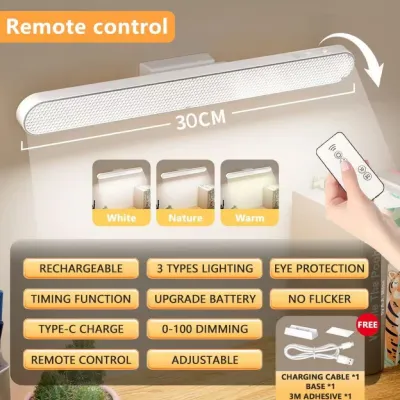
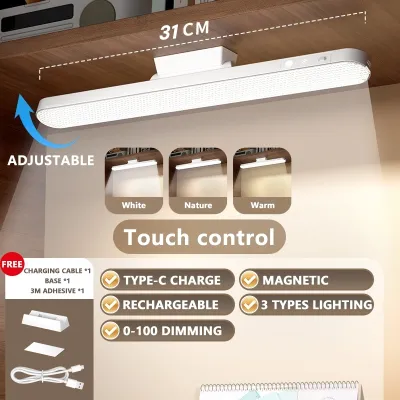
Prices are valid at publication and may change. Please refer to the product page for the latest price.
Furthermore, the mobility of rechargeable lamps allows a single fixture to perform multiple roles throughout the day. In a typical studio condo, a single table may serve as a workspace during the day, a dining table in the evening, and a side table at night. A portable LED lamp can easily transition from providing functional task light during a late-afternoon video call to casting a soft, warm glow during dinner, and finally acting as a gentle bedside nightlight. This multi-purpose utility ensures you get maximum value from a single decor investment while keeping your surfaces free from unnecessary clutter.
Key Specifications to Evaluate Before Buying
When selecting a high-quality led light rechargeable fixture, understanding the technical specifications on the product packaging or online listing is essential. Since these devices operate on battery power and utilize solid-state lighting technology, several key parameters dictate their performance, safety, and suitability for your specific condo layout.
Battery Capacity and Runtime Dynamics
The heart of any cordless lamp is its internal rechargeable battery, almost always utilizing lithium-ion or lithium-polymer chemistry. Battery capacity is measured in milliampere-hours (mAh). As a general rule, a higher mAh rating indicates a larger energy reservoir, which translates to longer runtimes between charges. However, runtime is also heavily dependent on the wattage of the LED chip and the brightness level you select.
For instance, a compact decorative lamp with a 1,200 mAh battery might only sustain a 3-watt LED at maximum brightness for 3 to 4 hours. Conversely, a high-capacity model featuring a 4,000 mAh battery can easily power the same LED for 12 to 15 hours at full intensity, or up to 40 hours or more when dimmed to a low ambient glow. When evaluating options, consider your daily usage habits. If you prefer to leave the lamp on throughout the evening, prioritize models with at least 2,500 to 4,000 mAh of capacity to avoid the inconvenience of daily recharging.
Charging Interfaces and Power Input
The charging standard used by the lamp significantly impacts its daily convenience. You should strongly prioritize lamps that utilize a USB-C charging port over older Micro-USB ports or proprietary round DC barrel jacks.
USB-C has become the universal standard for modern electronics, meaning you can likely use your existing smartphone, tablet, or laptop charger to power your lamp. This consolidation eliminates the need to keep multiple specialized cables cluttering your drawers. Additionally, USB-C ports generally support higher power delivery, allowing a large-capacity battery to charge fully in a fraction of the time required by older standards. Always verify the input voltage requirements; most portable lamps operate on a standard 5V DC input, which is perfectly compatible with standard wall adapters and power banks.
Light Quality, Color Temperature, and Dimming Control
The primary purpose of a mood lamp is to alter the visual and emotional feel of a room, which makes light quality a paramount consideration. Look for lamps that offer adjustable color temperatures, measured in Kelvin (K).
For a cozy, relaxing condo environment, you want a warm color spectrum. A range between 1,800K (resembling candlelight) and 3,000K (a soft, warm white) is ideal for evening relaxation, as it minimizes blue light exposure that can disrupt your sleep cycle. If you also plan to use the lamp for occasional reading or focused tasks, look for a model that can switch to a neutral white light around 4,000K.
Furthermore, prioritize stepless dimming over fixed brightness steps (such as low, medium, and high). Stepless dimming, usually controlled by holding down a touch-sensitive sensor, allows you to adjust the light output smoothly to the exact level required for your current activity. Finally, check the Color Rendering Index (CRI) if specified by the manufacturer. A CRI of 80 or higher ensures that the colors of your furniture, decor, and food look natural and vibrant under the lamp’s glow.
Footprint, Height, and Physical Stability
In a compact condo, horizontal surface space on nightstands, floating shelves, and desks is at a premium. Before purchasing, carefully measure the base diameter and height of the lamp.
A lamp with a base diameter exceeding 12 to 15 centimeters may severely crowd a narrow bedside table, leaving little room for your phone, water glass, or book. Look for sleek, columnar designs or tapered bases that occupy minimal surface area.
Height is equally important; a tall, top-heavy lamp is highly susceptible to being knocked over in tight, high-traffic spaces. Opt for low-profile designs or models with a weighted base—often achieved by placing the heavy battery cells at the very bottom of the fixture—which provides excellent stability even if accidentally bumped in the dark.
Top Rechargeable Lamp Styles for Small Condo Rooms
Different lamp styles serve distinct aesthetic and functional roles in a compact living space. Choosing the right style depends on whether you want to create visual depth, add a versatile tabletop accent, or maximize your vertical wall space.

Sunset and Projection Lamps for Visual Depth
Sunset and projection lamps represent a unique category of ambient lighting that uses specialized optical lenses to project high-intensity, saturated colors across a room. By casting a vibrant, circular wash of light—often mimicking the warm, golden hues of a tropical sunset or deep, atmospheric purples—these lamps completely transform the visual boundaries of a small room.
In a compact condo with plain, light-colored concrete walls, a projection lamp creates an optical illusion of depth. The intense, graduated colors make the flat wall surface appear to recede, instantly making a small studio or bedroom feel more expansive and three-dimensional. This dramatic visual effect serves as a stunning focal point, eliminating the need for bulky wall art or expensive decor.
- Best Use Cases: These lamps are ideal as secondary ambient light sources during the evening. They are perfect for setting a calming mood while watching a movie, listening to music, or winding down before sleep.
- Limitations: Because they rely on projection optics, they require a clear, unobstructed line of sight to a blank wall or ceiling. If your condo walls are heavily crowded with hanging shelves, clothes racks, or busy wallpaper, the projection effect will be broken up and lose its immersive quality. Additionally, sunset lamps do not provide functional, glare-free task lighting; attempting to read or work under highly saturated colored light will lead to rapid eye strain.
Compact Touch-Control Table and Mushroom Lamps
Mushroom lamps and compact dome-shaped table lights are highly popular for their timeless mid-century modern aesthetic and exceptional light diffusion. The characteristic dome shade curves downward over the light source, directing the light toward the table surface while completely shielding your eyes from direct bulb glare.
Many of these modern fixtures feature capacitive touch-sensitive controls integrated directly into the metal or plastic body. This design makes them incredibly convenient to operate in the dark; instead of fumbling along a power cord to find a tiny inline switch, you can simply tap any part of the lamp’s dome or stem to turn it on, off, or adjust the brightness.
- Base Design and Stability: Because the internal lithium-ion battery is heavy, quality manufacturers place it inside the base of the lamp. This design choice serves a dual purpose: it keeps the overall footprint compact while lowering the center of gravity, ensuring the lamp remains stable on small, crowded nightstands or floating shelves.
- Limitations: There is an inherent trade-off between battery capacity and physical size. If you want a lamp that can run for multiple days without a charge, the battery must be larger, which inevitably results in a wider, heavier base that may occupy more space than your compact bedside table can comfortably spare.
Magnetic and Clip-On Light Bars for Vertical Spaces
When horizontal surface space is virtually non-existent, utilizing your vertical walls and shelf undersides is the smartest design strategy. Magnetic and clip-on LED light bars offer a highly versatile, space-saving solution that keeps your tables completely clear.
These fixtures typically consist of a slim, lightweight LED tube and a separate mounting base. The base is attached to a wall, headboard, or the underside of a kitchen cabinet using strong double-sided adhesive tape or screws, while the light bar itself attaches to the base magnetically. This allows you to easily detach the light bar whenever it needs to be recharged.
- Best Use Cases: These are highly effective for mounting under floating shelves to illuminate a desk, inside dark wardrobes, or directly above a bed headboard as a sleek, modern reading light.
- Limitations: Because these light bars must remain extremely lightweight to prevent the magnetic or adhesive mount from failing under their own weight, they are designed with very slim profiles. This physical constraint severely limits the size of the internal battery, which typically ranges from 1,000 mAh to 1,800 mAh. As a result, running them at high brightness will drain the battery quickly, requiring more frequent charging cycles. Furthermore, their light output is highly directional, making them excellent for localized task lighting but poor for diffusing soft, ambient light throughout an entire room.
How to Maximize Battery Life and Charging Efficiency
To ensure your rechargeable LED lamp provides reliable service for years to come, proper care of its internal lithium-ion battery is essential. Like all rechargeable electronics, these batteries naturally degrade over time, but specific usage habits can significantly slow down this process.
First, understand that lithium-ion batteries experience the most chemical stress when they are either completely empty (0% charge) or completely full (100% charge). To maximize the lifespan of your battery, try to avoid deep discharge cycles. Instead of waiting for the lamp to die completely before plugging it in, charge it when the light starts to dim or when the battery level drops to around 20%. Keeping the battery charge level between 20% and 80% is the optimal range for minimizing chemical wear.
Second, manage heat buildup during the charging process. Charging naturally generates heat, and high temperatures are the primary enemy of battery health. Always charge your lamp in a well-ventilated area. Avoid placing the lamp inside a closed cabinet, drawer, or near heat-producing appliances while it is plugged into the wall. Additionally, avoid placing the lamp in direct tropical sunlight, as this can cause internal temperatures to spike, leading to accelerated capacity loss or battery swelling.
Third, pay attention to the safety features listed in product descriptions. High-quality rechargeable LED lamps are equipped with a Battery Management System (BMS) that includes overcharge protection, over-discharge protection, and short-circuit protection. These circuits automatically halt the flow of electricity once the battery is fully charged, preventing thermal runaway and protecting the device from electrical damage. Lastly, note that in most compact decorative lamps, the battery is permanently sealed inside the housing and is not user-replaceable. Taking proper care of the battery is therefore crucial, as a dead battery ultimately means the entire fixture must be replaced.
Safety and Placement Guidelines for Condo Spaces
While rechargeable LED lamps are generally much safer than traditional incandescent bulbs or candles, they still require careful placement and handling to prevent safety hazards in a compact condominium environment.
Heat Dissipation and Surface Placement
Although LED technology is highly energy-efficient, a small percentage of electrical energy is still converted into heat. This heat is concentrated at the LED diode junction and the internal battery driver.
To prevent overheating, ensure there is adequate airflow around the lamp’s housing. Never place a running or charging lamp on soft, highly insulating surfaces such as thick duvets, plush pillows, fabric sofa cushions, or piles of laundry. These materials trap heat around the base and body of the lamp, which can cause the battery to overheat, reducing its lifespan and creating a potential fire hazard. Always place the lamp on flat, hard surfaces like wooden tables, metal shelves, or concrete ledges that allow heat to dissipate naturally.
Humidity, Moisture, and Water Exposure
In many compact condo layouts, the living area, kitchenette, and bathroom are situated in close proximity, exposing electronic devices to varying levels of humidity.
If you plan to use a rechargeable lamp near a kitchen sink, bathroom vanity, or on a semi-open balcony, you must verify the product’s Ingress Protection (IP) rating. A standard indoor lamp typically has an IP20 rating, meaning it is not protected against water ingress and should be kept strictly in dry zones. For environments where splashes or high humidity are common, look for a lamp with at least an IP44 rating, which indicates protection against splashing water from any direction.
For safety, always isolate the power by unplugging the charging cable before moving any portable lamp near water sources. Never charge a lamp in a damp bathroom or kitchen counter where water could come into contact with the USB port or wall adapter. If a conflict arises between the placement you desire and the manufacturer’s safety instructions, always prioritize the manufacturer’s guidelines to prevent electrical shock or product failure.
Flammability and Clearance Boundaries
In a tightly packed condo, curtains, bed sheets, paper goods, and decorative dried flowers are often placed close to furniture surfaces.
Ensure that your rechargeable lamp is positioned with at least 10 centimeters of clear space around its entire body. This clearance prevents sheer curtains from blowing over the lamp and blocking its ventilation, and ensures that flammable materials do not come into direct contact with any warm surfaces of the fixture. While the exterior of an LED lamp rarely gets hot enough to ignite materials, maintaining this safety boundary is a simple, highly effective habit for overall peace of mind.
Frequently Asked Questions (FAQ)
Can I leave a rechargeable LED lamp plugged in continuously?
While modern rechargeable LED lamps are equipped with overcharge protection circuits that automatically stop charging once the battery reaches 100%, leaving the device plugged in continuously is not recommended. Keeping a lithium-ion battery at maximum charge while constantly connected to wall power subjects the battery cells to sustained high voltage and continuous thermal stress. Over time, this accelerates the chemical degradation of the battery, leading to a rapid decline in its overall capacity and reducing its ability to hold a charge when you do want to use it cordlessly. To preserve the long-term health of your lamp, use it cordlessly as intended, and plug it in to charge only when the battery level drops. Once the charging indicator shows it is fully topped up, unplug the cable to let the battery rest.
Are rechargeable mood lamps bright enough for reading in bed?
Generally, dedicated rechargeable mood lamps are designed to emit a soft, diffused, low-intensity glow (typically between 50 and 150 lumens) that is optimized for relaxation rather than task work. Reading under this level of light can cause significant eye strain because there is insufficient contrast on the page. For comfortable reading in bed, you require a focused beam of task lighting that delivers at least 200 to 300 lumens directly onto your book or e-reader. If you want a single lamp that can handle both duties, look for a versatile model that features stepless dimming and adjustable color temperatures. This allows you to increase the brightness and select a neutral white light (around 4,000K) when reading, and then dim it down to a warm, low-intensity amber glow (around 2,200K) when you are ready to relax and sleep.
Community discussion
Share your experience or ask a question. Comments are reviewed before publication.